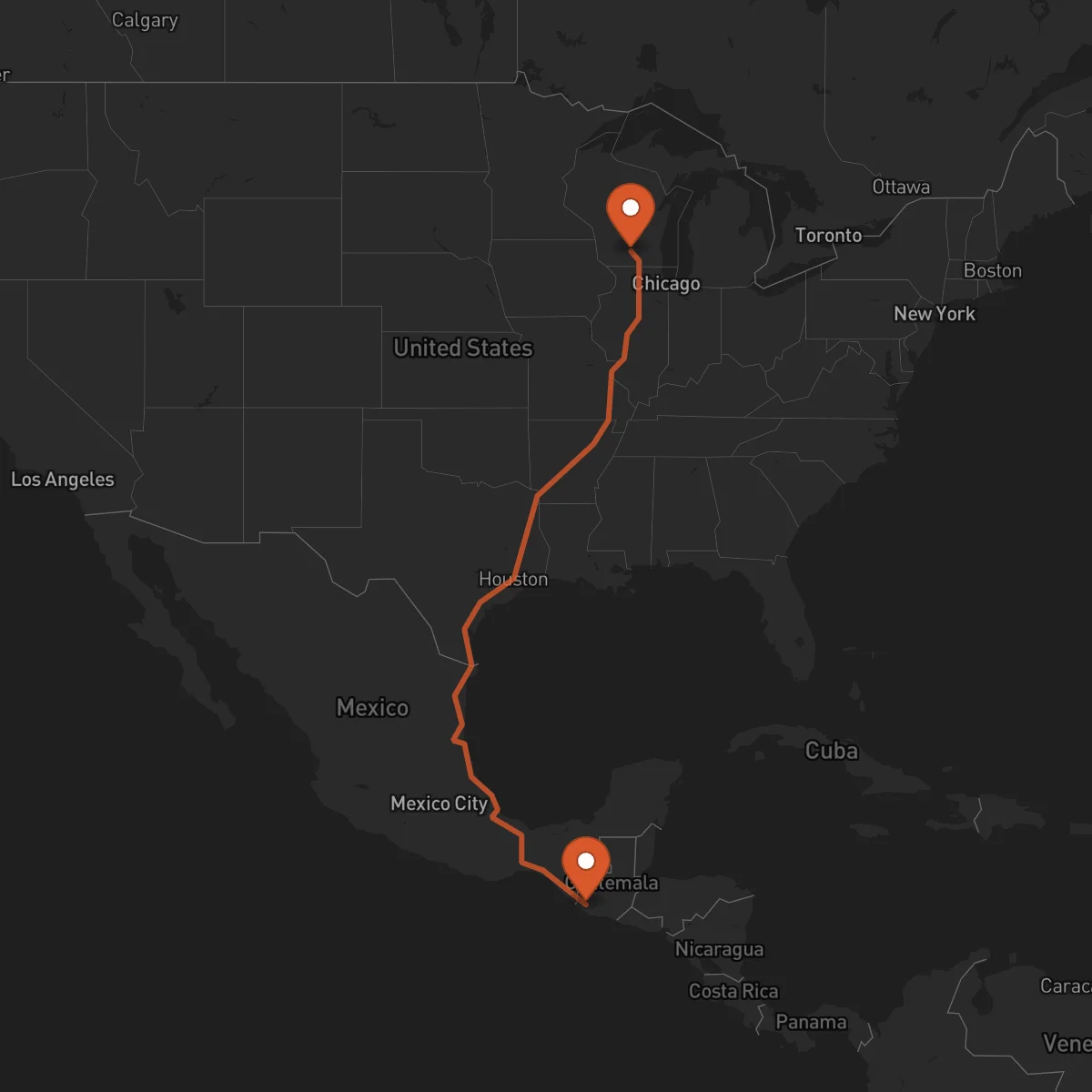
Madison to Retalhuleu
Retalhuleu → MadisonFTL freight transportation service between Madison and Retalhuleu. Reliable logistics solutions for your business.
Route Description
Everything you need to know about the corridor Madison - Retalhuleu
The Madison, Wisconsin to Retalhuleu, Guatemala corridor is a critical cross-border artery connecting the U.S. Midwest with Central America's Pacific coast. Spanning approximately 3,181 km, this route serves as a strategic conduit for trade between North America's industrial heartland and Guatemala's key agricultural export regions. Its importance is amplified by the flow of goods that support both manufacturing supply chains and the movement of perishable commodities.
Economically, the corridor links Madison's diverse industrial base—including dairy processing, advanced manufacturing, and technology sectors—with Retalhuleu's dominant agricultural economy, renowned for coffee, banana, sugarcane, and mango exports. The region's economic interdependence drives consistent freight demand, with machinery, food products, and packaging materials moving south, while tropical fruits, coffee, and seafood travel north. This bi-directional trade requires reliable, temperature-controlled, and specialized haulage.
Transportation infrastructure relies on a sequence of major highways: I-94 and I-90 from Madison to the U.S.-Mexico border; Mexican Federal Highways 150 and 190 through the country's interior; and Guatemalan routes CA-1 and CA-2 to Retalhuleu. Key border crossings include the U.S.-Mexico gateway at Laredo/El Paso and the Mexico-Guatemala crossing at Tecún Umán. Each crossing demands meticulous customs compliance, documentation (such as NAFTA/USMCA certificates, commercial invoices, and permits for specific goods), and adherence to each nation's regulatory frameworks, which can present logistical complexities.
Control Terrestre facilitates seamless operations on this corridor through our robust alliance of transportation providers, all holding critical certifications like C-TPAT, FAST, BASC, and Responsible Care. Our expertise in cross-border documentation, bonded cargo handling, and access to a full range of equipment—including 53' reefers for perishables, flatbeds for machinery, and tankers for liquids—ensures cargo moves efficiently. We offer dedicated, expedited, and spot freight options tailored to the corridor's unique demands, providing a single point of contact to navigate the entire journey from door to door.
Services for this Route
Available services for the corridor Madison - Retalhuleu
 Origin
Madison
Madison, Wisconsin, serves as a pivotal logistics hub in the U.S. Midwest, strategically positioned with excellent connectivity to national transportation networks. Its central location within Wisconsin's "Dairyland" and proximity to Chicago's intermodal infrastructure make it an ideal origin for full truckload shipments heading south. The city's economy is bolstered by robust dairy and food processing industries, advanced manufacturing (particularly in medical devices and technology), and a growing services sector. This industrial diversity generates consistent demand for outbound freight, including refrigerated goods, manufactured components, and bulk materials. Madison's infrastructure includes direct access to Interstate Highways 94 and 90, extensive rail intermodal facilities, and Dane County Regional Airport for air cargo, providing multiple pathways for efficient consolidation and dispatch across the continent.
 Destination
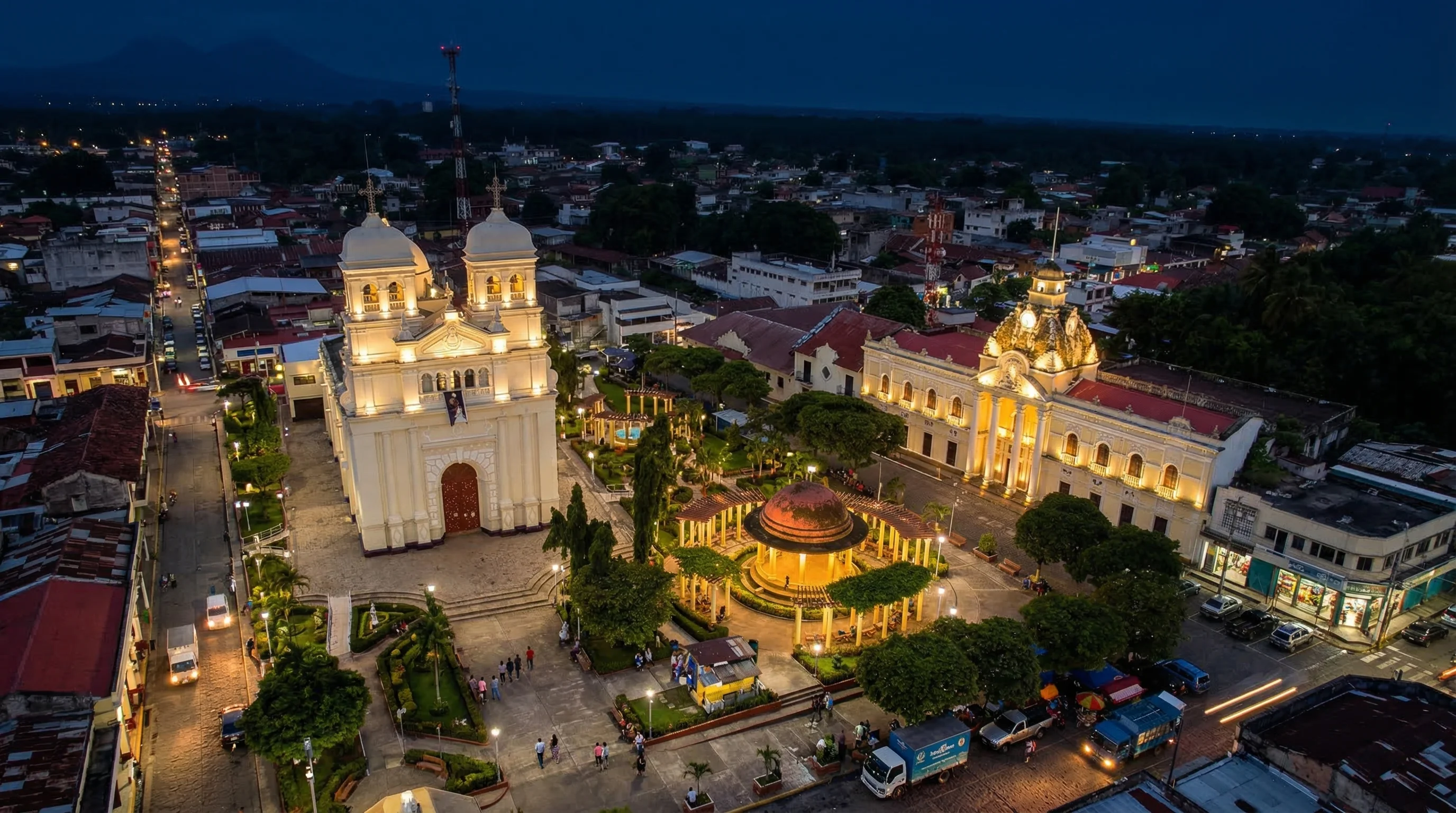
Retalhuleu
Retalhuleu, located on Guatemala's Pacific coast, is a vital logistics and agricultural gateway. Its strategic significance is anchored by the nearby port of Champerico, one of Central America's key maritime terminals for bulk and containerized cargo, particularly for agricultural exports. The region is a powerhouse of Guatemala's agricultural output, with vast plantations producing coffee, bananas, sugarcane, and tropical fruits that require reliable, temperature-controlled transport. Retalhuleu's economy also includes livestock and emerging light industry. The city is well-connected by Guatemalan highways CA-1 and CA-2, which form part of the Pan-American corridor, linking it directly to Mexico and the rest of Guatemala. This infrastructure supports both import distribution from the north and the export of local produce to international markets via the port, making it a critical node in regional supply chains.










