Madison to Cobán
Cobán → MadisonFTL freight transportation service between Madison and Cobán. Reliable logistics solutions for your business.
Route Description
Everything you need to know about the corridor Madison - Cobán
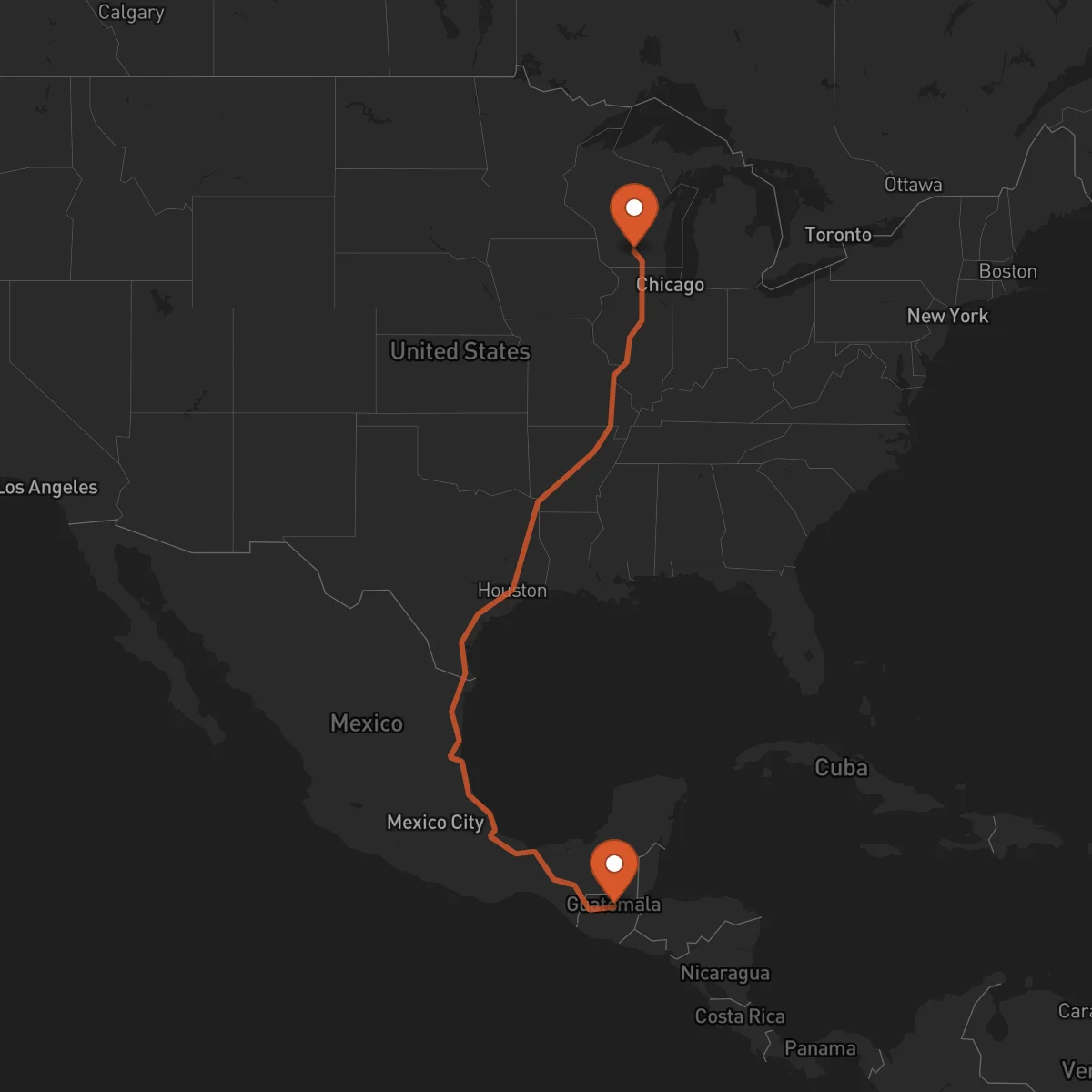
The freight corridor between Madison, Wisconsin, and Cobán, Alta Verapaz, Guatemala, represents a vital cross-border logistics route spanning approximately 3,071 kilometers across North and Central America. This corridor connects the industrial and agricultural heartland of the U.S. Midwest with one of Guatemala's most important highland commercial centers, serving as a critical supply chain link for companies seeking reliable full truckload (FTL) transportation between these two strategic points.
Madison, as the capital of Wisconsin, anchors a region with a diversified economy driven by advanced manufacturing, food processing, agriculture, pharmaceuticals, and technology. Cobán, located in the Alta Verapaz department, is a key hub for coffee production, cardamom exports, forestry, and growing tourism infrastructure. The corridor supports the movement of raw materials, finished goods, and agricultural commodities in both directions, making it essential for importers and exporters operating across the U.S.-Guatemala trade relationship.
The primary transportation infrastructure for this corridor follows major interstate highways from Madison southward through I-39 and I-55 into Texas, where freight transitions to cross-border routes through key ports of entry such as Laredo, Texas, or Eagle Pass, Texas. From there, cargo continues through Mexican federal highways and enters Guatemala via border crossings like La Mesilla or El Carmen in the Huehuetenango region before reaching Cobán. These border points require careful customs coordination, proper documentation including pedimentos, commercial invoices, and compliance with both U.S. and Guatemalan import-export regulations.
At Control Terrestre, we facilitate seamless operations along this corridor through our alliance of experienced transportation providers certified under C-TPAT, FAST, and BASC programs. We offer dedicated full truckload (FTL) services with equipment options including 53' dry vans, refrigerated units, and flatbeds to accommodate diverse cargo types. Our cross-border expertise ensures efficient customs clearance and compliance at every stage, providing companies with a reliable, end-to-end logistics solution from Madison to Cobán.
Services for this Route
Available services for the corridor Madison - Cobán
 Origin
Madison
Madison, Wisconsin, serves as a strategic logistics hub in the U.S. Midwest, benefiting from its central geographic position and robust transportation infrastructure. The city is well-connected via Interstate 39, Interstate 90, and Interstate 94, providing direct access to major freight corridors leading south toward Texas border crossings. Madison's economy is anchored by advanced manufacturing, food and beverage processing, agricultural production, biotechnology, and a growing technology sector. The region generates consistent freight volumes of machinery, dairy products, packaged goods, and industrial components destined for markets throughout the Americas. Its proximity to Chicago's logistics network further enhances Madison's connectivity, making it an efficient origin point for cross-border shipments heading to Central America.
 Destination
Cobán
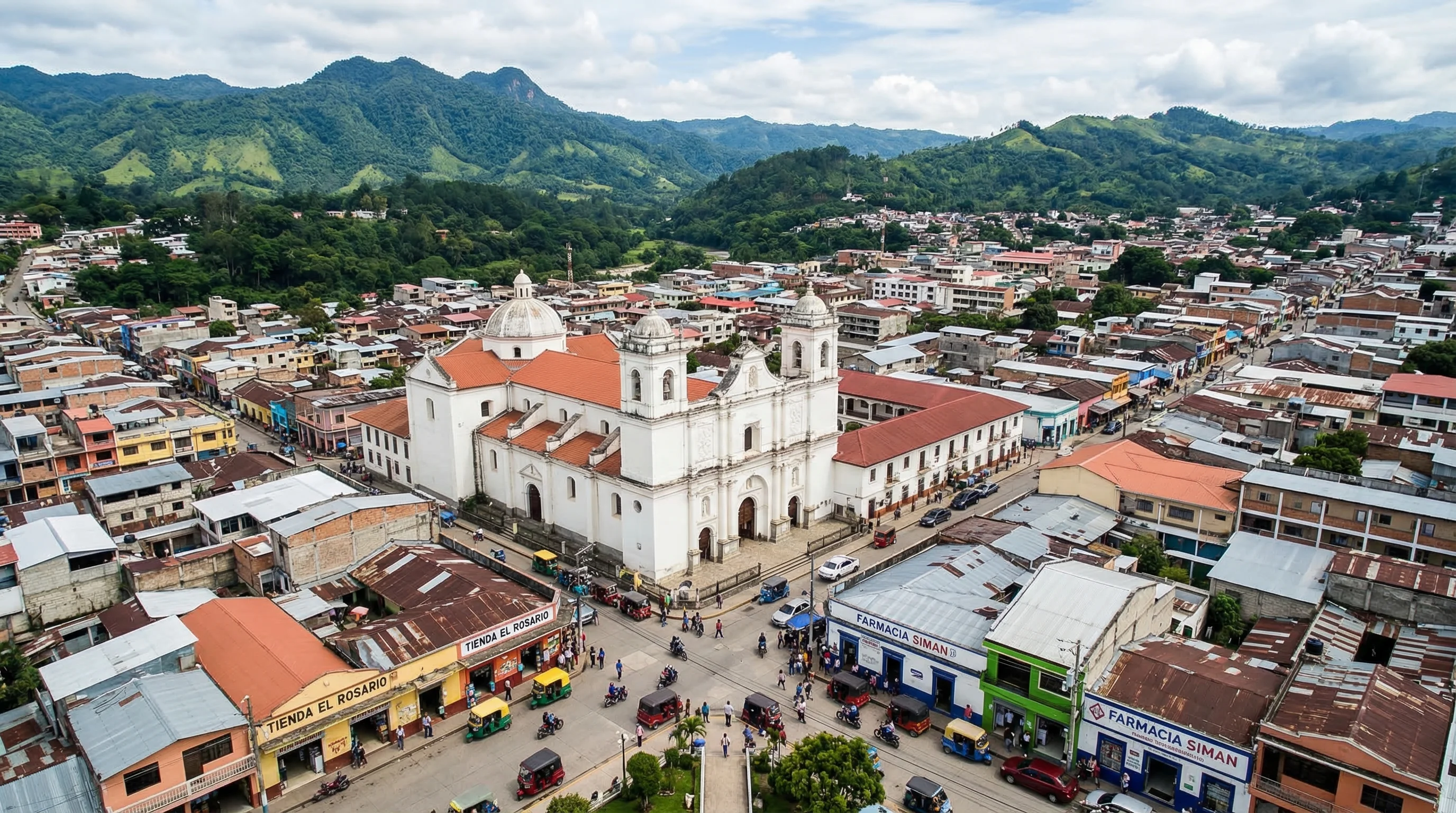
Cobán, the capital of Alta Verapaz in Guatemala, is a strategically important destination for freight arriving from the United States. Nestled in the central highlands, Cobán serves as the commercial and distribution center for one of Guatemala's most productive agricultural regions. The local economy is driven by coffee cultivation, cardamom production — Guatemala being one of the world's leading exporters — forestry, ornamental plant farming, and an expanding tourism sector. Freight arriving in Cobán typically includes industrial supplies, construction materials, consumer goods, and equipment supporting agricultural operations. The city connects to the national highway network via routes leading from the Mexican border at La Mesilla, and its growing infrastructure continues to support increased commercial activity and supply chain development in the region.










