
Limón to Fort Worth
Fort Worth → LimónFTL freight transportation service between Limón and Fort Worth. Reliable logistics solutions for your business.
Route Description
Everything you need to know about the corridor Limón - Fort Worth
The Limón to Fort Worth corridor represents a vital logistics connection between Costa Rica's Caribbean port and the industrial hub of North Texas. This 2,924 km cross-border route serves as a strategic artery for international trade, connecting Central America's growing export market with the United States' manufacturing and distribution centers. The corridor facilitates the movement of diverse cargo types, from perishable goods and agricultural products to industrial equipment and consumer goods, supporting the economic integration between both regions.
The route traverses multiple countries and transportation networks, requiring expert coordination of cross-border operations. Key infrastructure along this corridor includes the Atlantic Highway in Costa Rica, the Pan-American Highway through Central America, and major US interstate systems connecting to the Dallas-Fort Worth metroplex. The journey involves critical border crossings where specialized customs clearance expertise becomes essential for maintaining efficient transit times and compliance with international trade regulations.
Control Terrestre provides comprehensive FTL transportation solutions along this corridor, leveraging our network of certified carriers and cross-border logistics expertise. Our dedicated services ensure that cargo moves seamlessly from origin to destination, with real-time tracking and professional handling throughout the journey. We understand the complexities of this route and offer specialized solutions for industries including automotive, electronics, agriculture, and manufacturing, helping businesses optimize their supply chain between Costa Rica and the North Texas region.
Services for this Route
Available services for the corridor Limón - Fort Worth
 Origin
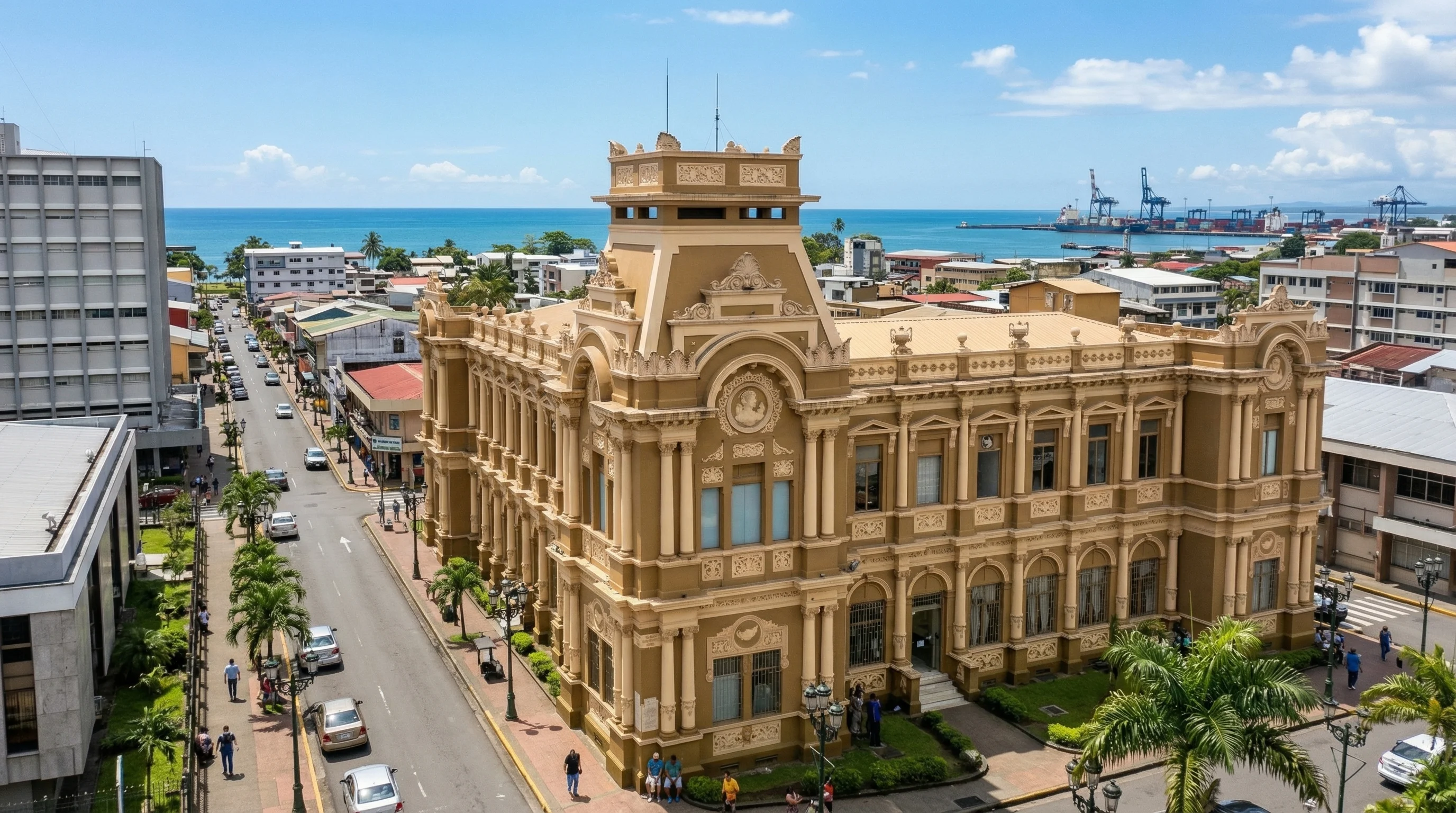
Limón
Limón serves as Costa Rica's primary Caribbean port and a crucial gateway for international trade. Located on the country's eastern coast, this strategic port city provides direct access to global shipping routes and connects seamlessly with the national highway network. The region's infrastructure includes modern port facilities, warehousing capabilities, and direct highway connections to the capital and other industrial centers, making it an ideal origin point for cross-border freight operations.
The economic landscape of Limón encompasses diverse sectors including agriculture, particularly bananas and pineapples, which represent significant export commodities. The area also hosts growing manufacturing and assembly operations, particularly in electronics and light industry. The port's Free Trade Zone attracts international companies seeking efficient logistics solutions, while the surrounding region's agricultural production creates consistent demand for reliable freight transportation services to North American markets.
 Destination
Fort Worth
Fort Worth stands as a major logistics and industrial hub in North Texas, offering exceptional connectivity and infrastructure for freight operations. The city's strategic location within the Dallas-Fort Worth metroplex provides access to extensive highway networks, including I-35, I-30, and I-20, facilitating distribution throughout the central United States. Fort Worth's intermodal facilities, warehousing districts, and proximity to major airports create a comprehensive logistics ecosystem that supports diverse industrial activities.
The economic profile of Fort Worth encompasses robust manufacturing, aerospace, automotive, and distribution sectors. The region hosts numerous corporate headquarters and industrial facilities that require reliable inbound and outbound freight services. The city's logistics infrastructure includes specialized facilities for handling various cargo types, from temperature-controlled storage to heavy industrial equipment, making it an ideal destination for cross-border freight from Central America. The presence of major distribution centers and manufacturing plants creates consistent demand for full truckload services connecting to international supply chains.










