
Limón to Pierre
Pierre → LimónFTL freight transportation service between Limón and Pierre. Reliable logistics solutions for your business.
Route Description
Everything you need to know about the corridor Limón - Pierre
The Limón to Pierre corridor represents a vital cross-border logistics connection between Costa Rica and the United States, spanning approximately 4,169 kilometers. This route connects the Caribbean port of Limón with the capital city of South Dakota, traversing multiple countries and diverse terrain. The corridor serves as a crucial link for international trade, facilitating the movement of goods between Central America and the U.S. Midwest. Control Terrestre's extensive network of strategic transportation partners ensures seamless operations along this complex route, managing all aspects of cross-border freight transportation from origin to final destination.
Services for this Route
Available services for the corridor Limón - Pierre
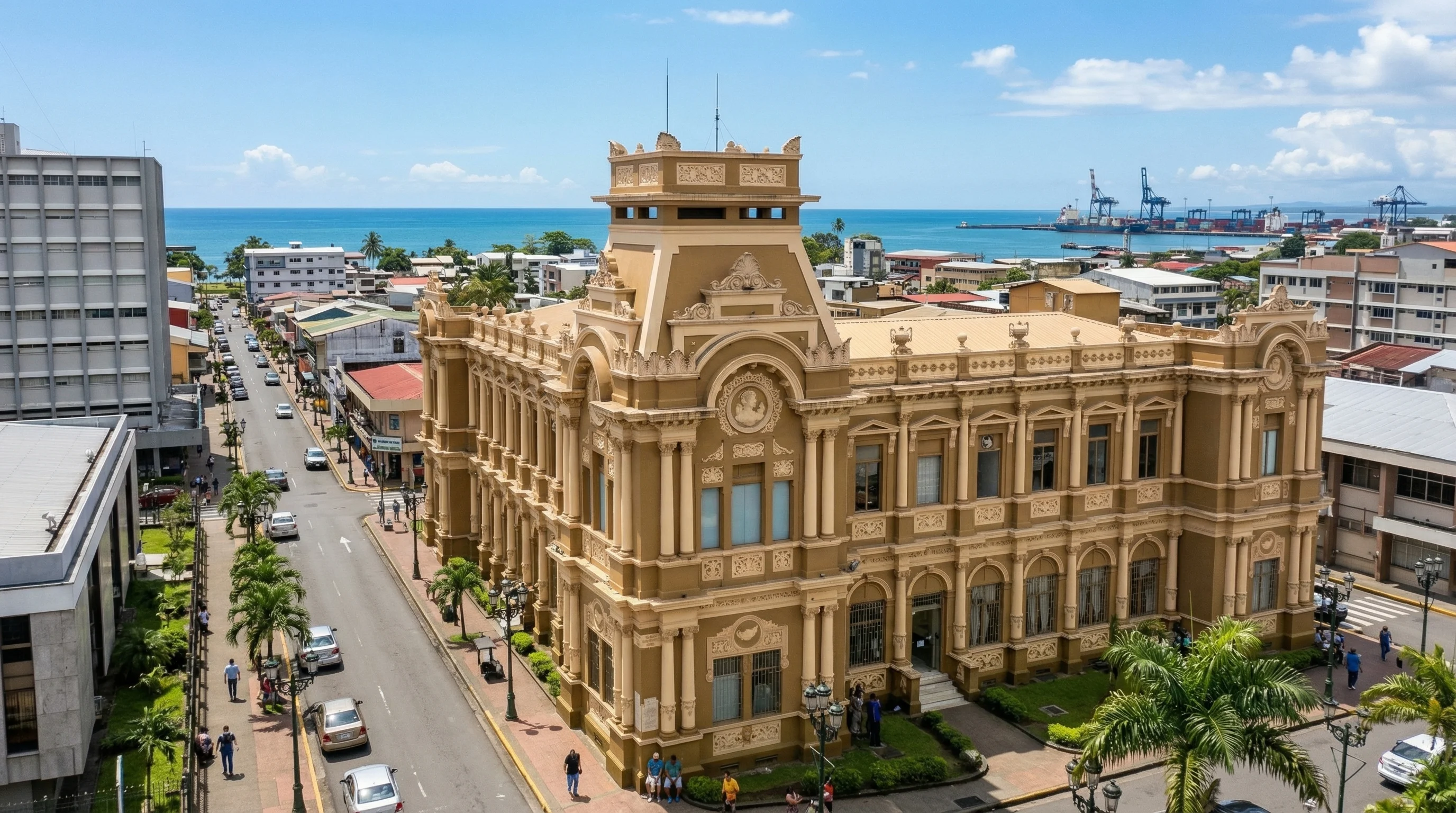 Origin
Limón
Limón, located on Costa Rica's Caribbean coast, serves as a major commercial hub and the country's primary port city. The region's strategic position provides direct access to international maritime trade routes, with the Port of Limón handling significant cargo volumes for both import and export. The area's economy is supported by diverse industries including agriculture (banana and pineapple exports), manufacturing, and tourism. Limón's transportation infrastructure includes well-developed road networks connecting to the rest of Costa Rica and neighboring countries, as well as rail connections to the port facilities.
 Destination
Pierre
Pierre, the capital city of South Dakota, sits strategically along the Missouri River in the central part of the state. As a regional center, it serves as a distribution point for goods throughout the Midwest. The city's economy is anchored by state government operations, healthcare, and various service industries. Pierre's location provides access to major U.S. transportation networks, including Interstate 90 and other key highways. The city's infrastructure supports efficient distribution to surrounding rural areas and connects to the broader North American freight transportation system.










