Lansing to Bismarck
Bismarck → LansingFTL freight transportation service between Lansing and Bismarck. Reliable logistics solutions for your business.
Route Description
Everything you need to know about the corridor Lansing - Bismarck
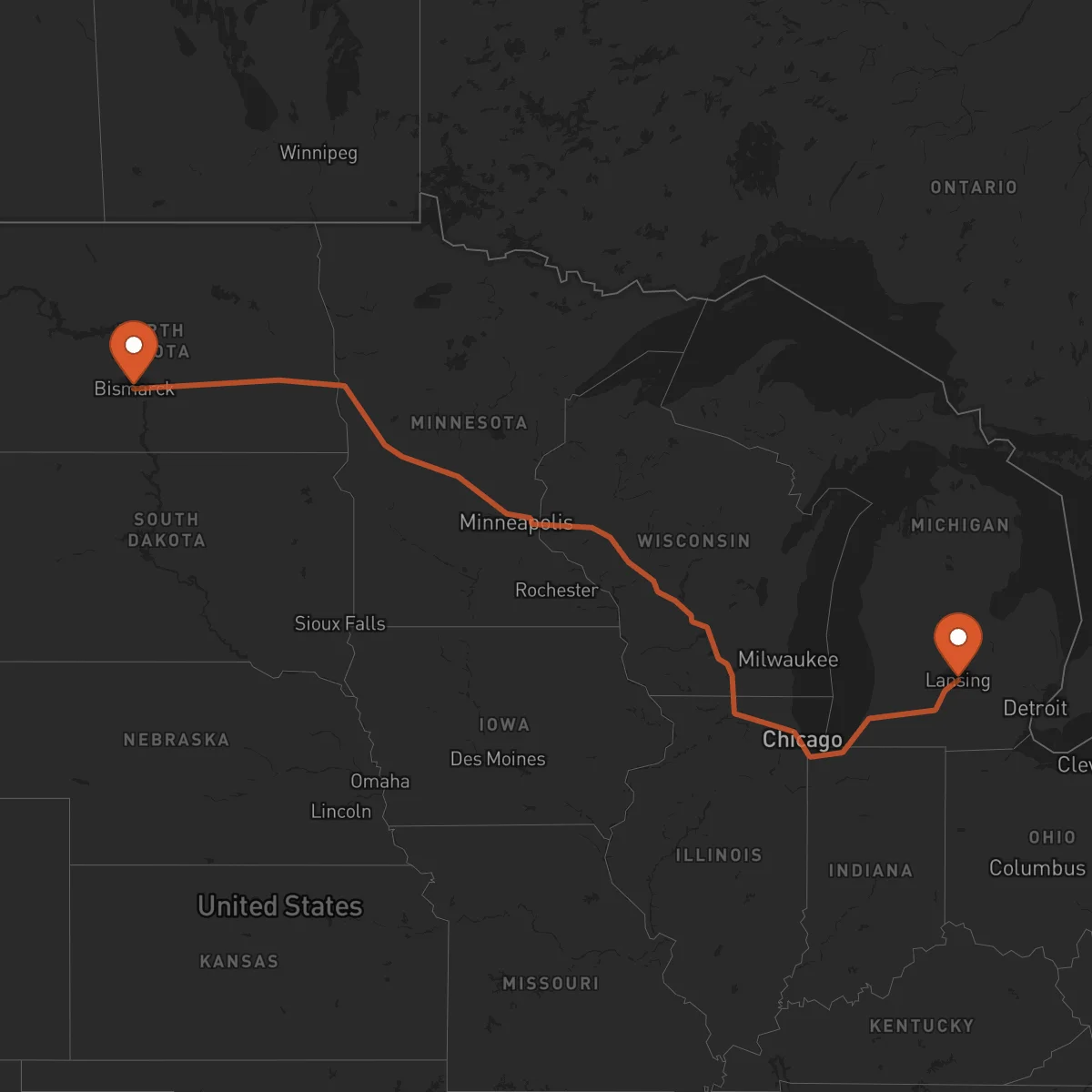
The logistics corridor connecting Lansing, Michigan, to Bismarck, North Dakota, spans approximately 1,356 kilometers across the heart of the United States. This vital transportation route links the industrial Midwest with the energy-rich regions of the Northern Plains, serving as a critical artery for freight movement between these two strategic locations. The corridor traverses through key states including Michigan, Indiana, Illinois, Wisconsin, Minnesota, and North Dakota, connecting major economic hubs and industrial centers.
The Lansing-Bismarck corridor is particularly significant due to the diverse economic activities it supports. Lansing serves as a major automotive manufacturing center, while Bismarck anchors the energy sector in North Dakota, particularly oil and natural gas extraction from the Bakken Formation. This creates a dynamic freight flow between manufacturing and energy sectors, with Lansing-based automotive parts and components moving westward, while energy-related equipment and materials flow eastward.
This route primarily utilizes Interstate 69, I-94, and I-94W, providing reliable access to major distribution centers and industrial parks. Control Terrestre leverages this established infrastructure to offer full truckload (FTL) services that ensure efficient, direct transportation between Lansing and Bismarck. Our strategic partnerships with certified carriers along this corridor enable us to provide consistent, reliable service for businesses requiring dedicated freight solutions between these two important economic centers.
Services for this Route
Available services for the corridor Lansing - Bismarck
 Origin
Lansing
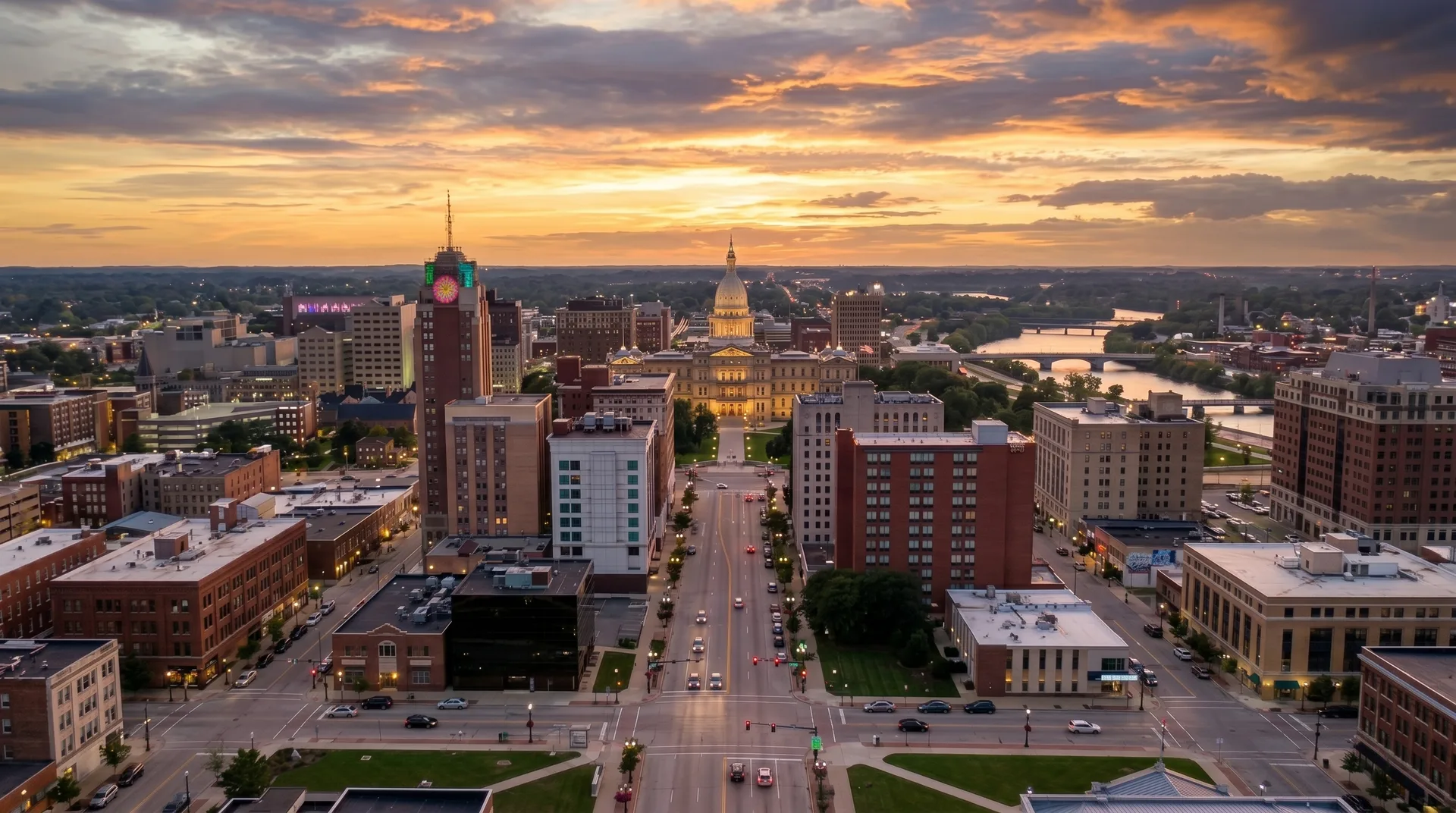
Lansing, Michigan, serves as a strategic logistics hub in the Great Lakes region, benefiting from its central location within the state and proximity to major transportation networks. As the state capital and a key automotive manufacturing center, Lansing hosts numerous industrial facilities, including General Motors assembly plants and automotive suppliers. The city's economy is anchored by manufacturing, with particular strength in automotive components, machinery, and technology sectors. Lansing's transportation infrastructure includes access to major highways such as I-96, I-496, and I-69, as well as rail connections through Class I railroads. The nearby Capital Region International Airport provides additional freight capacity, while the Port of Ludington on Lake Michigan offers intermodal connections for shipments requiring water transport.
 Destination
Bismarck
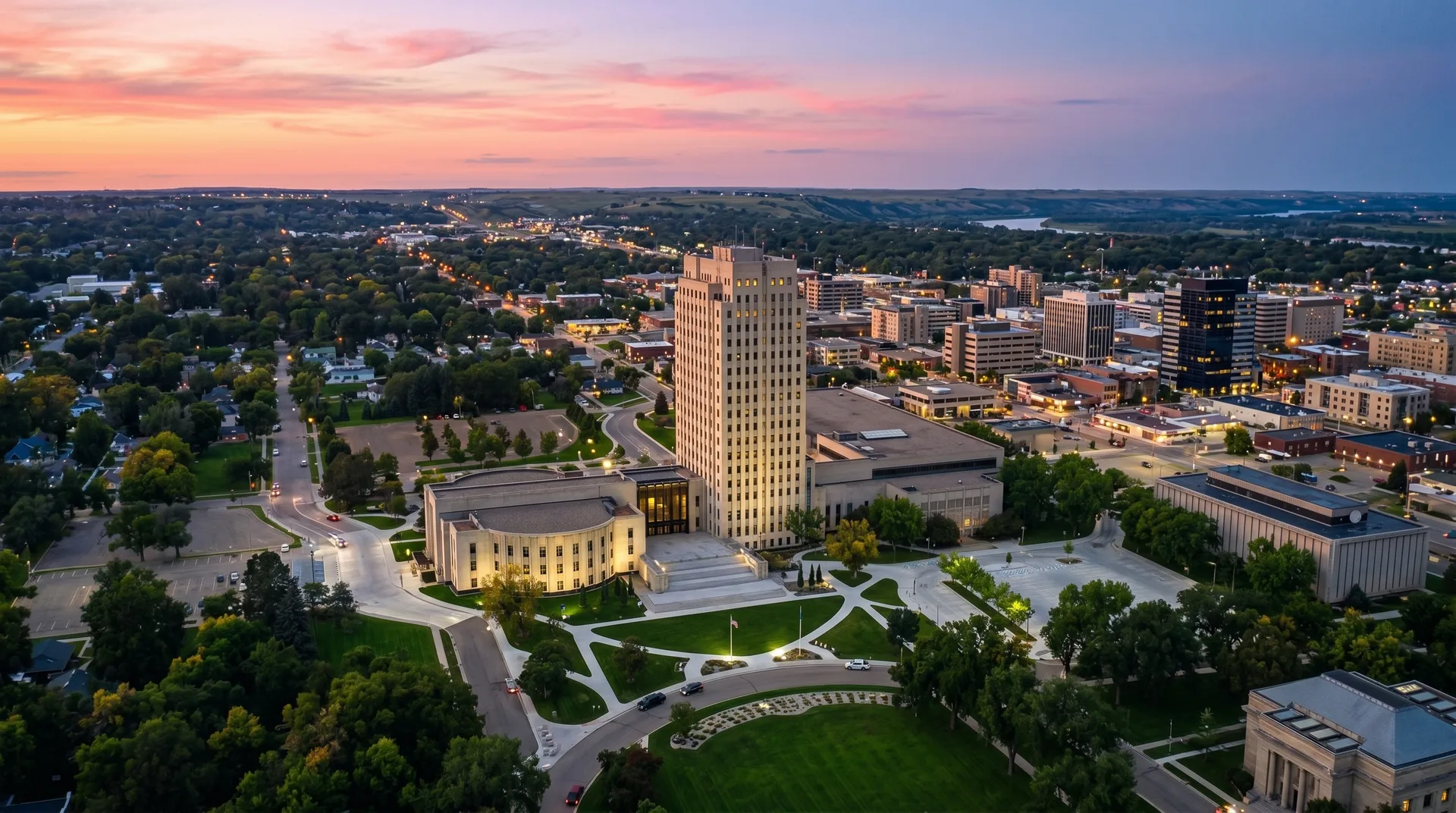
Bismarck, North Dakota, occupies a strategic position as the state capital and economic center of the Northern Plains region. Located along the Missouri River, Bismarck serves as a critical distribution point for goods moving throughout the upper Midwest and into Canada. The city's economy is heavily influenced by the energy sector, particularly oil and natural gas extraction from the Bakken Formation, as well as agriculture, healthcare, and government services. Bismarck's transportation infrastructure includes access to I-94, the Burlington Northern Santa Fe Railway, and Bismarck Municipal Airport. The city's location provides excellent connectivity to major markets in the western United States and serves as a gateway to Canadian trade routes. The region's growing energy sector creates consistent demand for specialized freight services, particularly for oversized equipment and hazardous materials.










