Houston to Long Beach
Long Beach → HoustonFTL freight transportation service between Houston and Long Beach. Reliable logistics solutions for your business.
Route Description
Everything you need to know about the corridor Houston - Long Beach
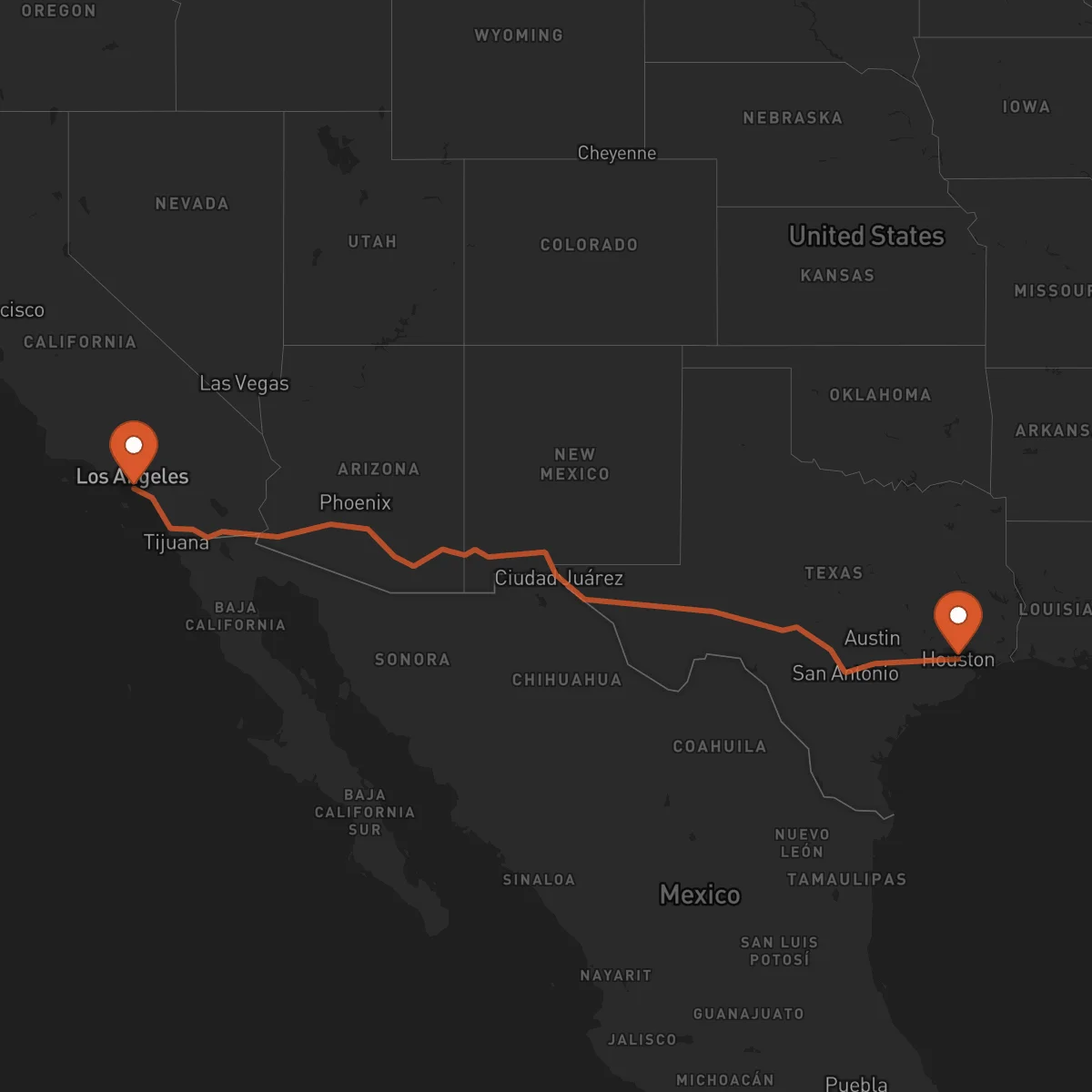
The Houston to Long Beach corridor represents one of the most vital freight transportation routes in the United States, connecting Texas's energy capital with California's major Pacific port. This 2,198 km route traverses diverse landscapes and industrial zones, facilitating the movement of goods between two of America's most economically significant regions. The corridor serves as a crucial link in the national supply chain, enabling businesses to efficiently transport products from the Gulf Coast to the West Coast and beyond.
The economic importance of this route cannot be overstated. Houston, as a global energy hub and home to the largest petrochemical complex in the Americas, generates substantial freight volume requiring reliable transportation to West Coast markets. Long Beach, with its massive container port complex, serves as a gateway for international trade, making this corridor essential for both domestic distribution and international commerce. The route supports key industries including energy, manufacturing, automotive, and consumer goods, with thousands of trucks moving along this path daily.
Transportation infrastructure along this corridor includes major interstate highways such as I-10, I-40, and I-5, providing multiple routing options for freight carriers. Control Terrestre leverages this extensive network to offer flexible and reliable FTL (Full Truckload) services between Houston and Long Beach. Our strategic partnerships with certified carriers ensure that your cargo moves efficiently through this corridor, with options for dedicated services, specialized handling for oversized or hazardous materials, and real-time tracking throughout the journey.
Services for this Route
Available services for the corridor Houston - Long Beach
 Origin
Houston
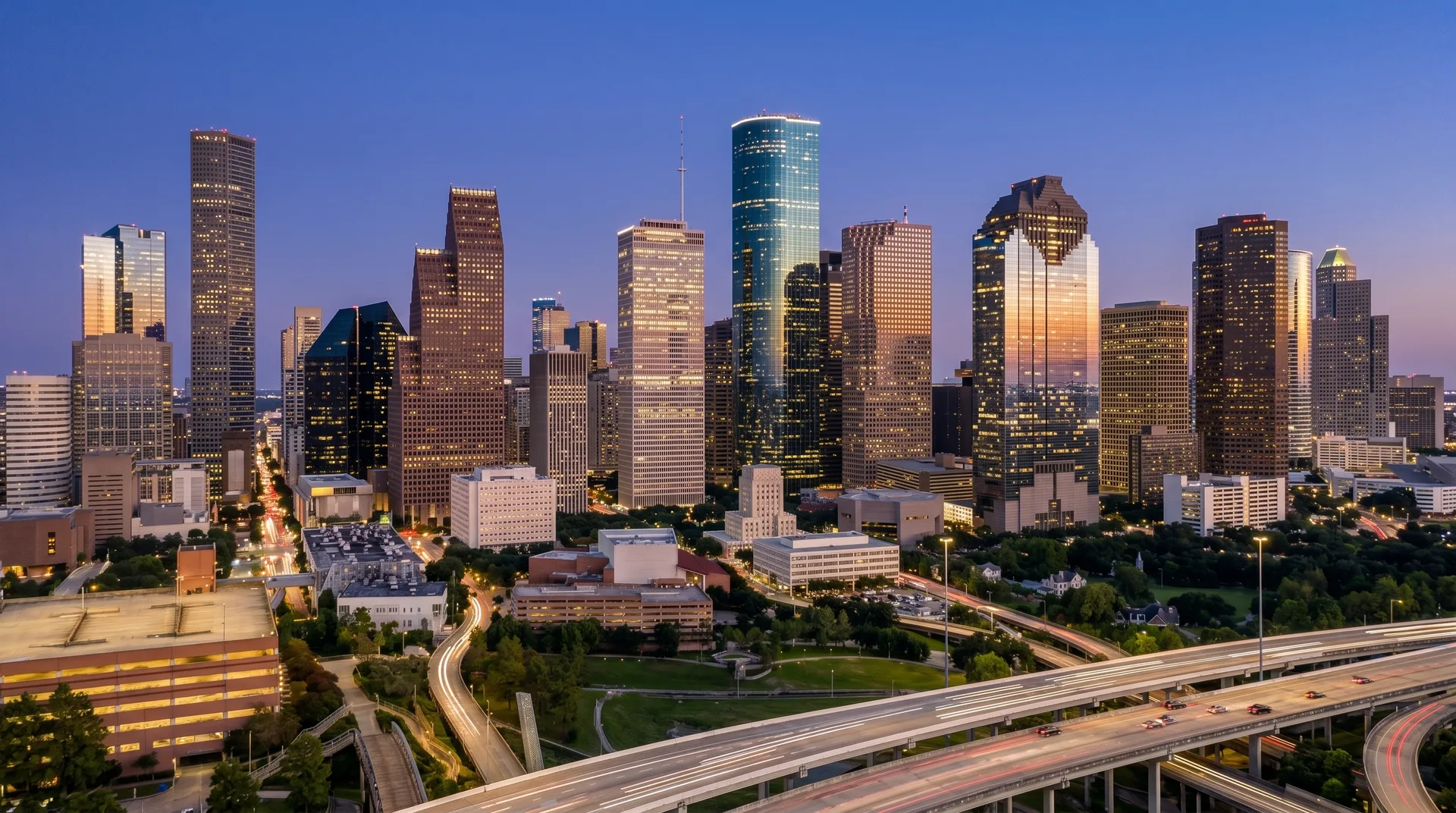
Houston stands as a critical logistics hub in the southern United States, strategically positioned near the Gulf of Mexico and major shipping lanes. The city hosts the largest petrochemical complex in the Americas, alongside a thriving energy sector that includes oil and gas exploration, refining, and distribution. Houston's economic diversity extends to aerospace, healthcare, manufacturing, and technology industries, all generating substantial freight volumes. The city's transportation infrastructure is exceptionally well-developed, featuring extensive highway networks including I-10, I-45, and I-69, as well as two major airports and the Port of Houston, one of the busiest ports in the nation. This comprehensive infrastructure makes Houston an ideal origin point for freight transportation to West Coast destinations.
 Destination
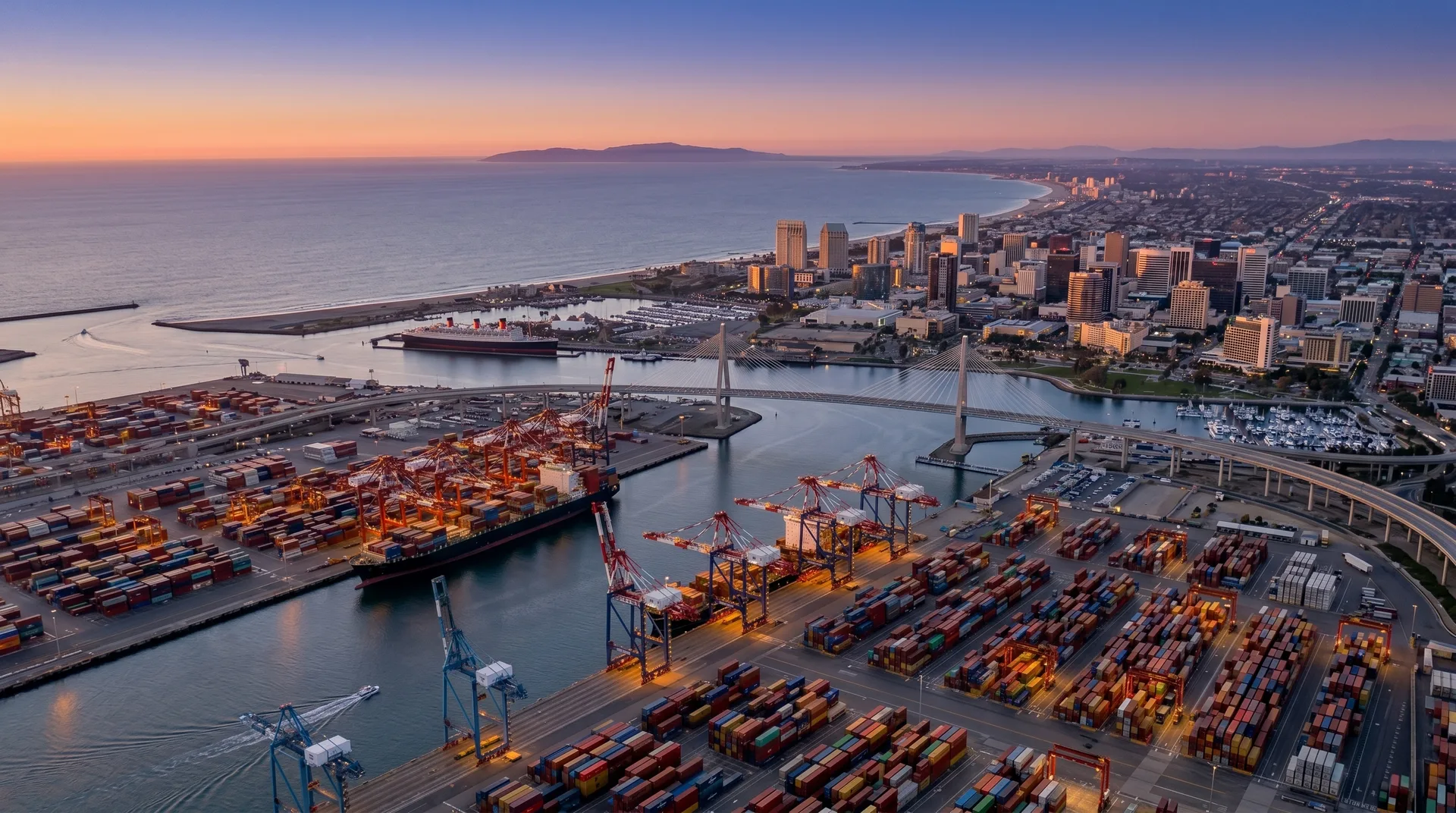
Long Beach
Long Beach serves as a crucial logistics gateway on the West Coast, anchored by the Port of Long Beach - one of the largest and most technologically advanced container ports in the United States. The port complex handles billions of dollars in international trade annually, connecting Asian markets with the American interior. Long Beach's strategic location near major Southern California population centers and its proximity to the Los Angeles metropolitan area create significant freight distribution opportunities. The city's infrastructure includes extensive highway networks (I-710, I-405, SR-91), rail connections, and proximity to major distribution centers. This makes Long Beach not just a port city, but a comprehensive logistics hub capable of handling diverse freight needs from international imports to domestic distribution.










