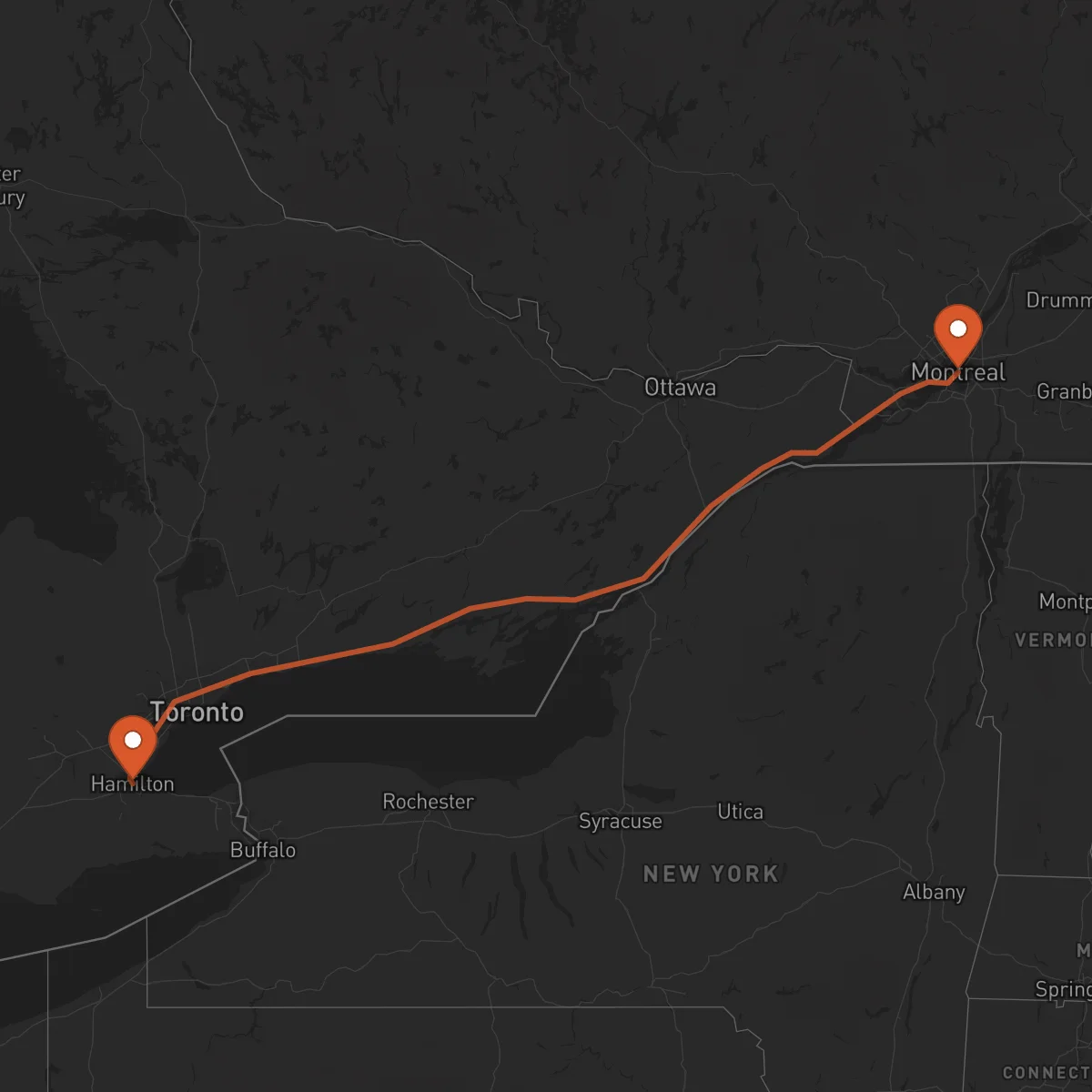
Hamilton to Montreal
Montreal → HamiltonFTL freight transportation service between Hamilton and Montreal. Reliable logistics solutions for your business.
Route Description
Everything you need to know about the corridor Hamilton - Montreal
The corridor between Hamilton and Montreal represents one of the most important logistics routes in Canada, connecting two major industrial and economic centers separated by approximately 560 km. This route traverses the heart of the Great Lakes industrial region, linking the Port of Hamilton with the Port of Montreal and serving as a critical artery for goods movement across Ontario and Quebec.
The economic significance of this corridor cannot be overstated. Hamilton serves as a major steel production center and manufacturing hub, while Montreal functions as a key financial center and Canada's largest port city. Together, they form a vital economic axis that drives commerce throughout eastern Canada and beyond. The corridor facilitates the movement of raw materials, finished goods, and industrial equipment between these complementary economic zones.
Major industries relying on this transportation route include automotive manufacturing, steel production, aerospace components, pharmaceuticals, and consumer goods. The corridor also supports the agricultural sector, particularly in the movement of processed foods and beverages from Hamilton's food processing facilities to Montreal's distribution networks.
Control Terrestre provides specialized FTL (Full Truckload) transportation services along this corridor, ensuring reliable and efficient cargo movement between Hamilton and Montreal. Our dedicated fleet and experienced drivers understand the unique demands of this route, offering consistent transit times and secure handling of all cargo types, from standard freight to specialized and oversized loads.
Services for this Route
Available services for the corridor Hamilton - Montreal
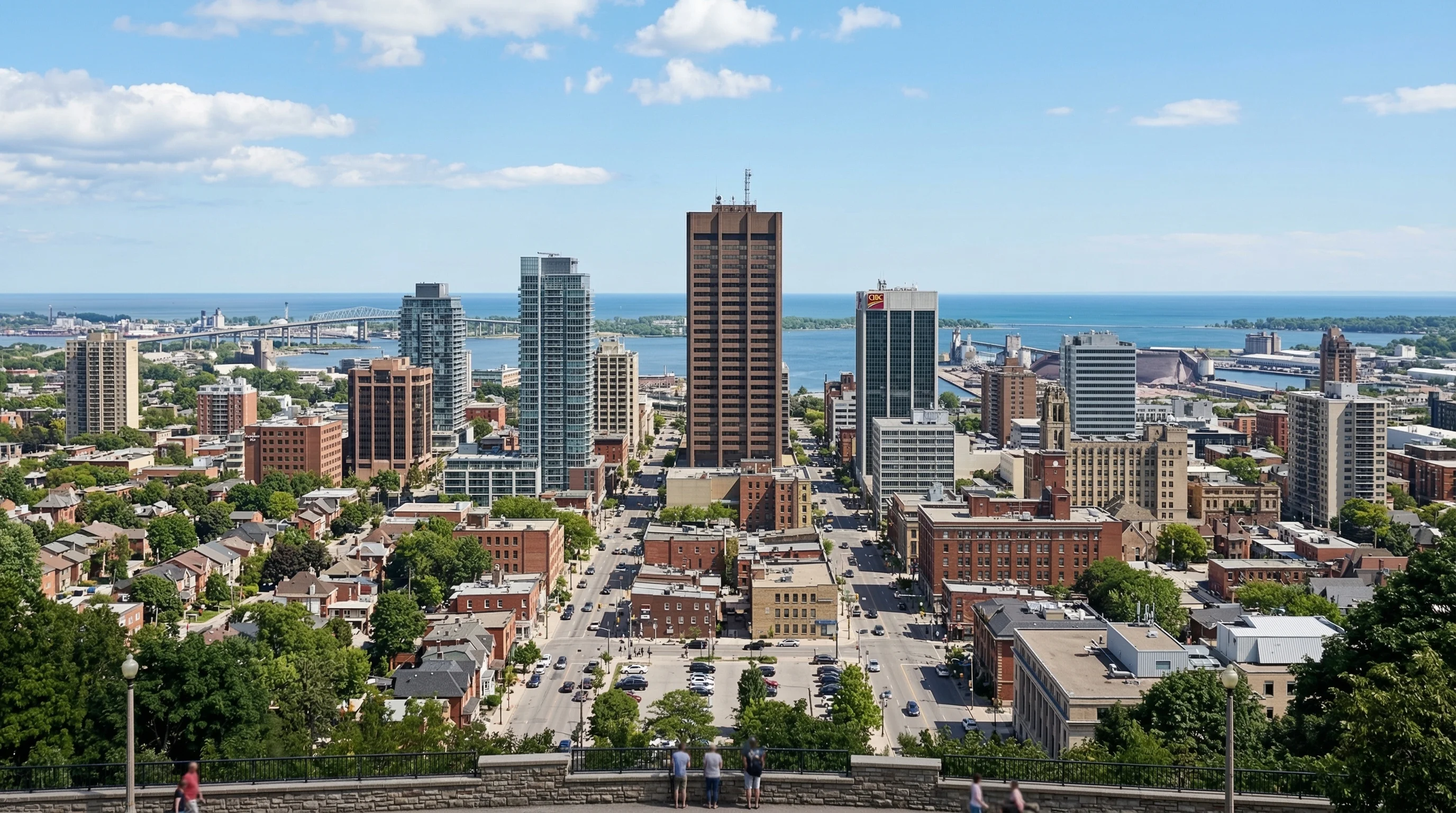 Origin
Hamilton, Ontario, strategically located on the western tip of Lake Ontario, serves as a major industrial and logistics hub for Canada. Known as the "Steel Capital of Canada," Hamilton hosts numerous heavy manufacturing facilities, including steel mills, automotive parts suppliers, and advanced manufacturing plants. The city's industrial base is complemented by a growing technology sector and a robust food processing industry.
The Port of Hamilton, one of Canada's largest inland ports, provides direct access to Great Lakes shipping routes and connects seamlessly with rail and highway networks. Hamilton's transportation infrastructure includes major highways such as the QEW (Queen Elizabeth Way) and Highway 403, offering excellent connectivity to Toronto, Montreal, and the U.S. border. The city also benefits from proximity to John C. Munro Hamilton International Airport, enhancing its multimodal logistics capabilities.
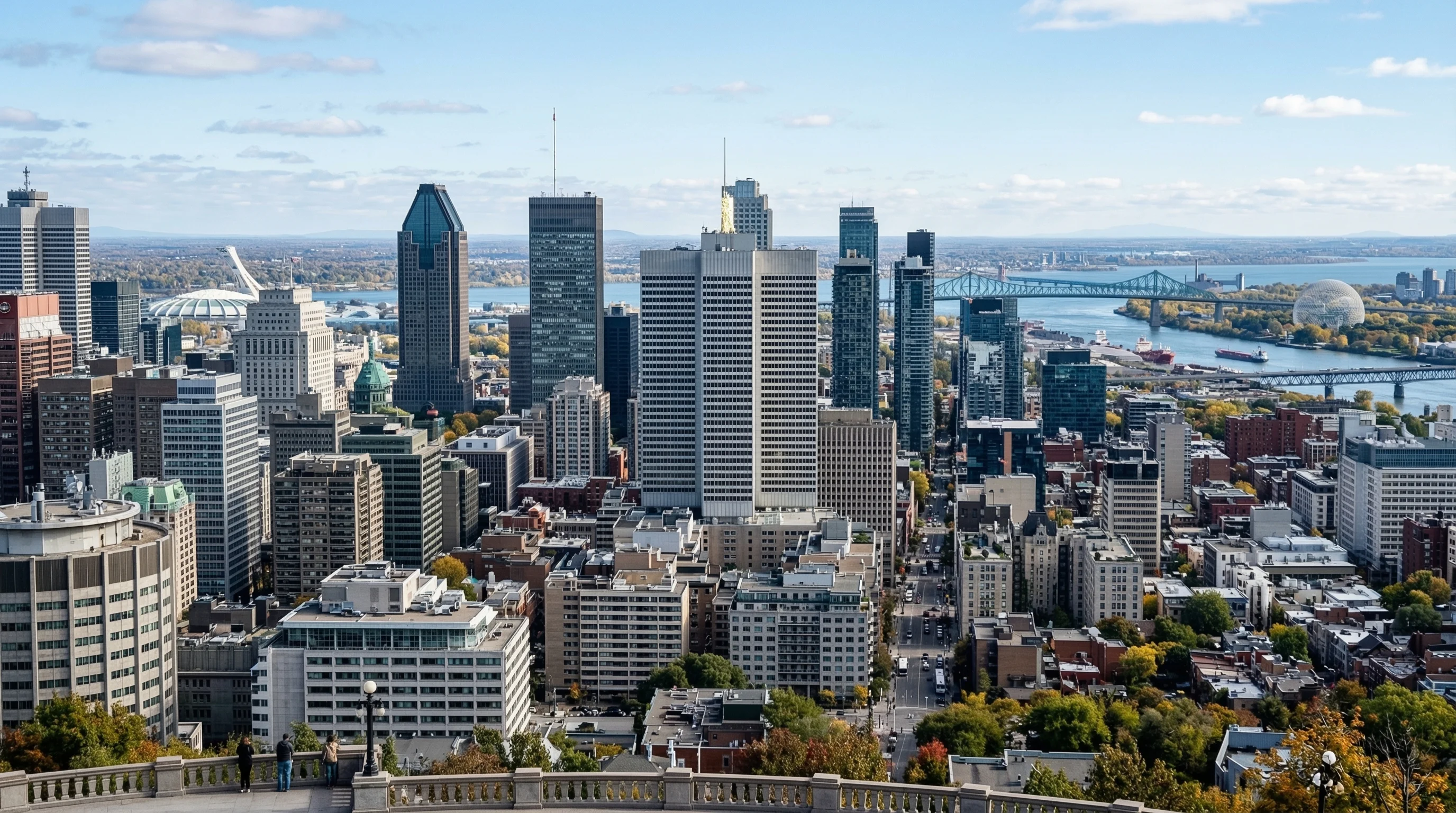 Destination
Montreal, Quebec, stands as Canada's second-largest city and a premier logistics and economic center. As the largest inland port in North America, the Port of Montreal handles over 35 million tons of cargo annually and connects to more than 140 countries worldwide. The city's strategic location at the confluence of the St. Lawrence River and the Ottawa River has historically made it a gateway for international trade.
Montreal's economy is diverse and robust, encompassing aerospace, pharmaceuticals, technology, finance, and creative industries. The city is home to major corporate headquarters and research institutions, driving demand for sophisticated logistics solutions. Montreal's transportation infrastructure is world-class, featuring extensive highway networks including Autoroutes 20 and 40, a comprehensive public transit system, and major rail connections through Canadian National Railway and Canadian Pacific Railway. Pierre Elliott Trudeau International Airport further enhances Montreal's connectivity to global markets.










