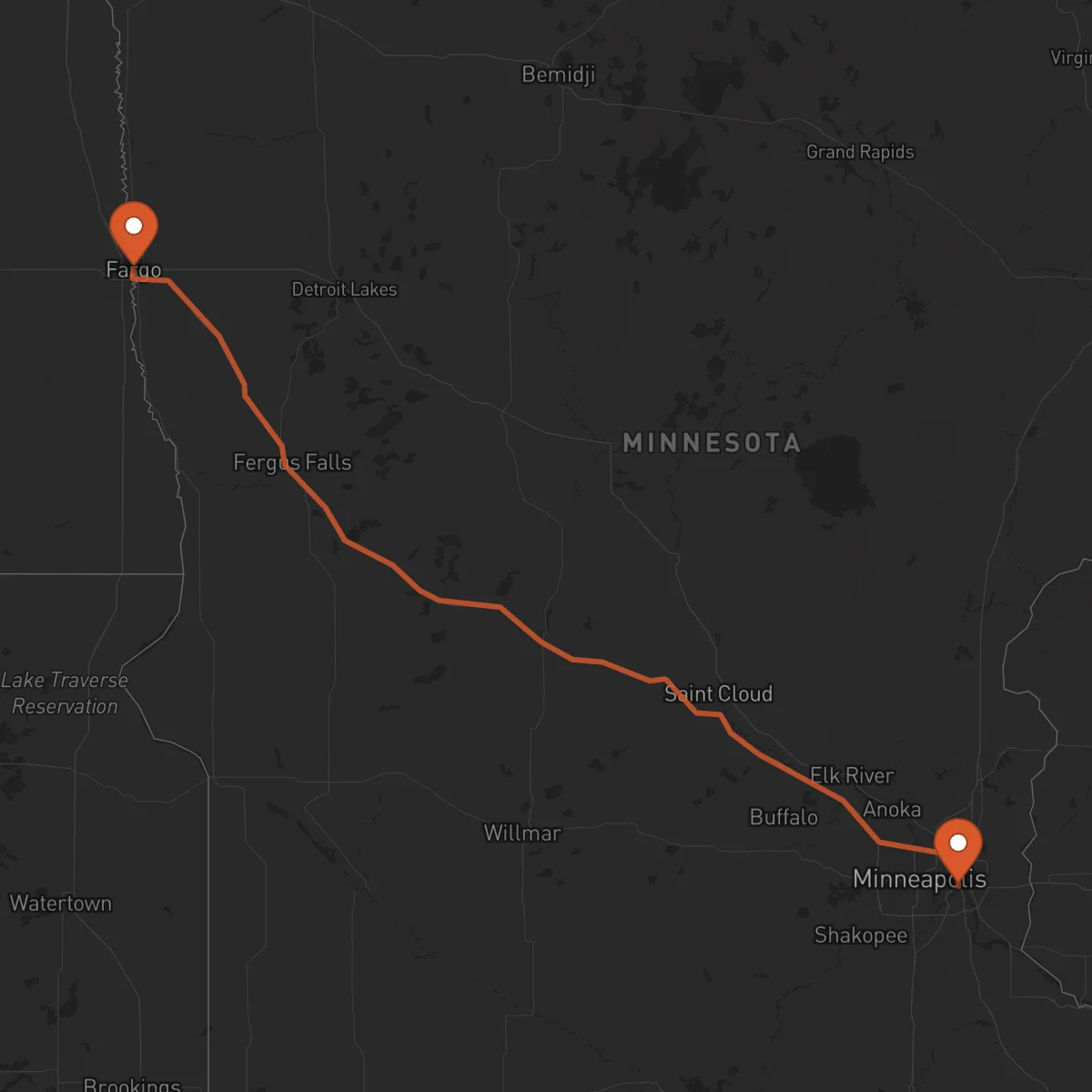
Fargo to Saint Paul
Saint Paul → FargoFTL freight transportation service between Fargo and Saint Paul. Reliable logistics solutions for your business.
Route Description
Everything you need to know about the corridor Fargo - Saint Paul
The Fargo to Saint Paul corridor represents a vital transportation link in the Upper Midwest region of the United States. This 357-kilometer route connects North Dakota's largest city with Minnesota's capital, facilitating the movement of goods between two economically significant metropolitan areas. The corridor traverses primarily through rural landscapes and small communities, utilizing Interstate 94 as the main transportation artery, which provides efficient and reliable freight movement throughout the year.
The economic relationship between Fargo and Saint Paul is strengthened by this corridor, which supports the exchange of manufactured goods, agricultural products, and industrial materials. Both cities serve as regional hubs for their respective states, with Fargo acting as a commercial center for eastern North Dakota and northwestern Minnesota, while Saint Paul functions as a governmental, financial, and industrial center for Minnesota. The corridor benefits from the robust economic activities in both regions, including manufacturing, technology, healthcare, and education sectors.
Control Terrestre specializes in providing full truckload (FTL) transportation services along this strategic corridor. Our experienced network of carriers ensures that your freight moves efficiently and securely between Fargo and Saint Paul. We understand the unique requirements of businesses operating in these regions and offer dedicated transportation solutions that align with your supply chain needs. Our commitment to safety, reliability, and on-time delivery makes us the preferred logistics partner for companies utilizing this important transportation route.
Services for this Route
Available services for the corridor Fargo - Saint Paul
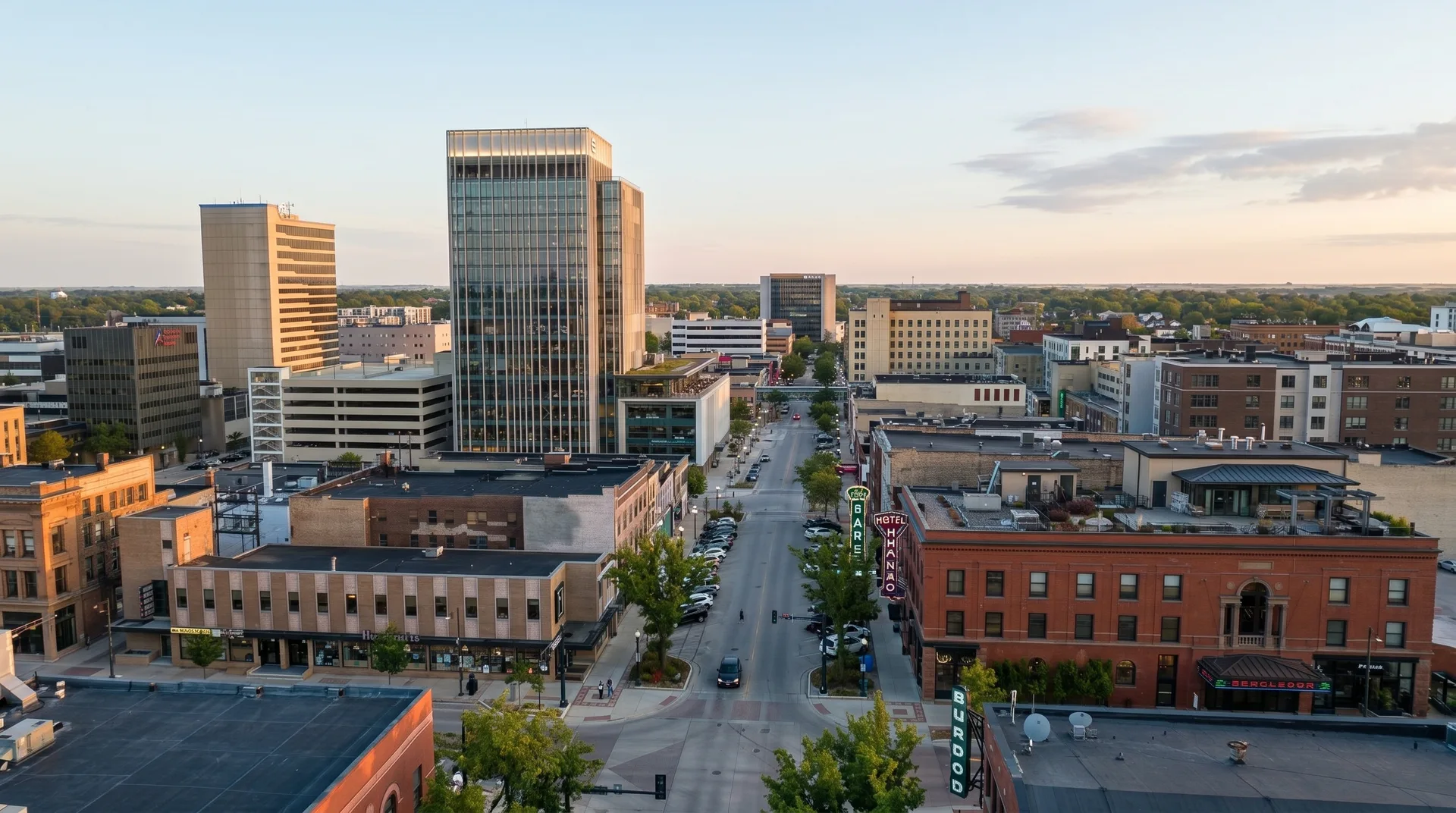 Origin
Fargo
Fargo, North Dakota serves as a strategic logistics hub in the Upper Midwest, positioned along the Red River with excellent transportation connectivity. The city's location provides access to major freight corridors connecting the Great Plains region with the rest of the country. Fargo's economy is diverse, with strong presence in manufacturing, technology, healthcare, education, and agricultural processing industries. The city is home to North Dakota State University, which contributes to a skilled workforce and innovation ecosystem.
The transportation infrastructure in Fargo includes Interstate 29 and Interstate 94, providing north-south and east-west connectivity respectively. Hector International Airport supports air cargo operations, while the BNSF Railway provides intermodal freight services. The city's proximity to the Canadian border, approximately 200 miles north, enhances its importance as a distribution center for cross-border trade. Fargo's cold climate is managed through specialized logistics operations that ensure year-round freight movement reliability.
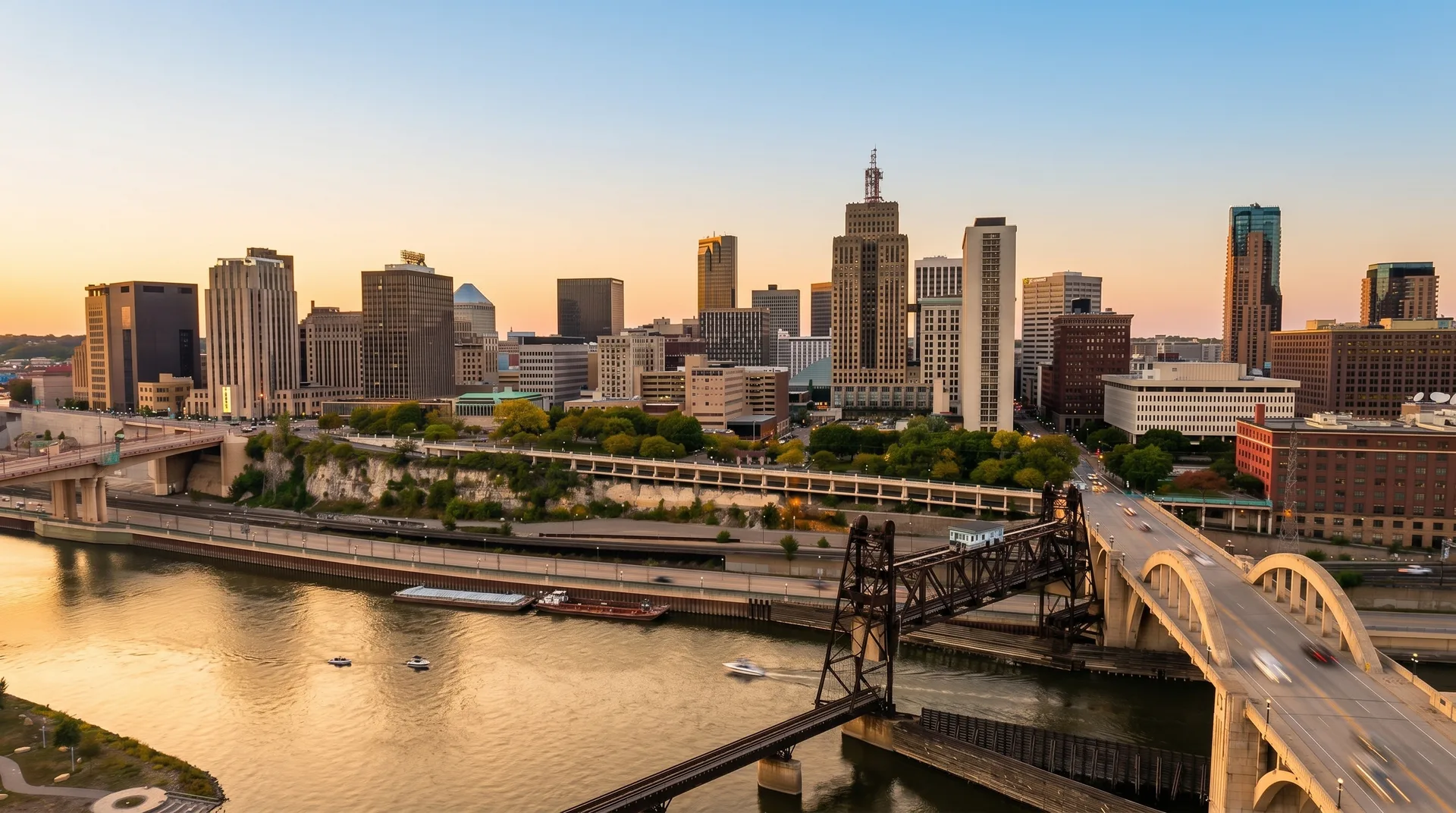 Destination
Saint Paul
Saint Paul, Minnesota, as the state capital and part of the Twin Cities metropolitan area, holds significant strategic importance for logistics operations. The city's location along the Mississippi River provides natural transportation advantages, complemented by extensive road and rail networks. Saint Paul's economy is anchored by government services, healthcare, education, and a growing technology sector, creating diverse freight transportation needs.
The city benefits from exceptional transportation infrastructure, including multiple interstate highways (I-94, I-35E, I-494) that facilitate efficient freight movement. The Port of Saint Paul on the Mississippi River supports barge transportation, while the Twin Cities metropolitan area hosts major intermodal facilities and distribution centers. Minneapolis-Saint Paul International Airport provides air cargo capabilities, and the extensive rail network serves both Class I and regional carriers. Saint Paul's central location in the Upper Midwest makes it an ideal distribution point for companies serving the broader region.










