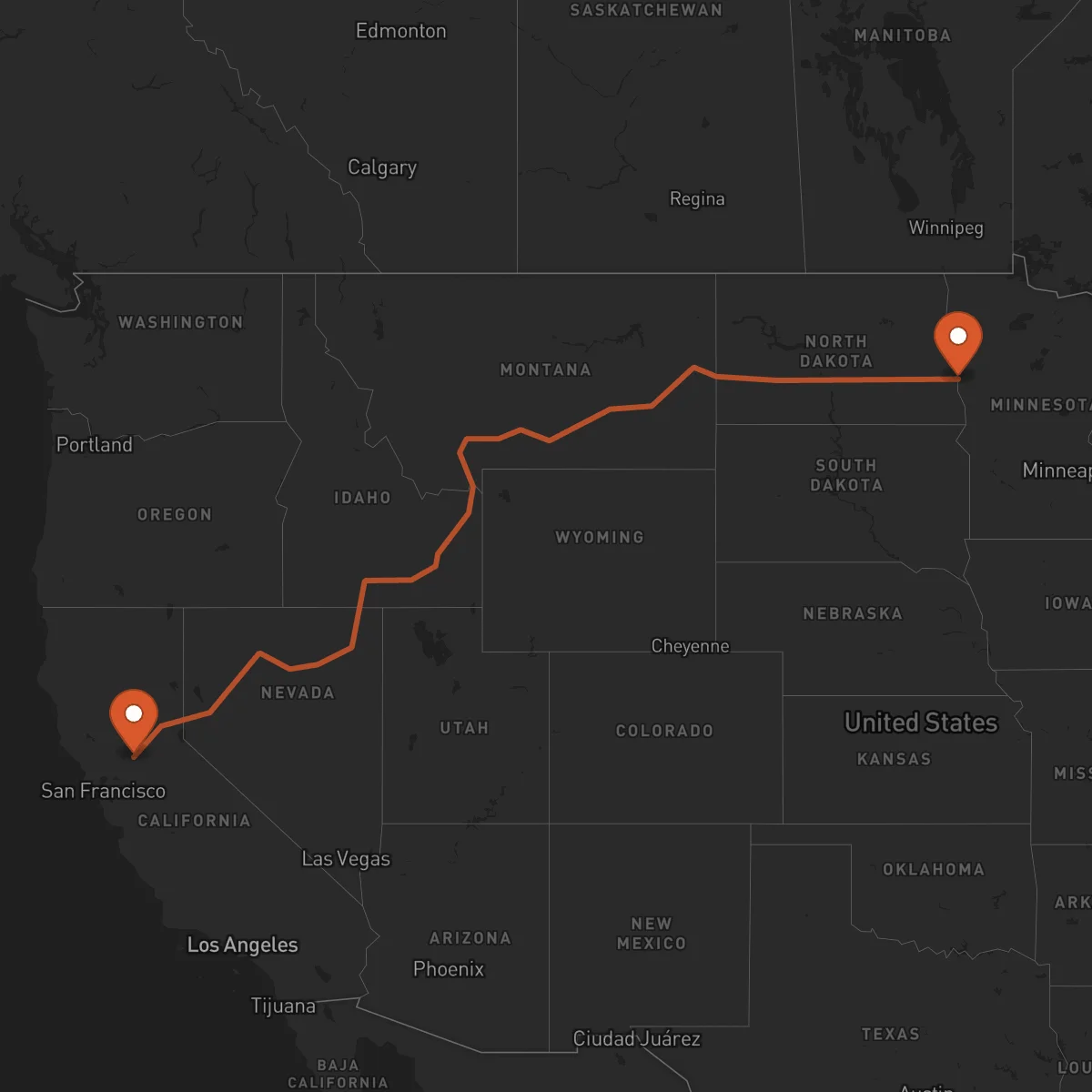
Fargo to Sacramento
Sacramento → FargoFTL freight transportation service between Fargo and Sacramento. Reliable logistics solutions for your business.
Route Description
Everything you need to know about the corridor Fargo - Sacramento
The Fargo to Sacramento corridor represents a vital logistics link connecting the Upper Midwest with the West Coast of the United States. This 2,207 km route traverses diverse terrain and multiple states, creating a strategic pathway for freight movement between North Dakota's agricultural heartland and California's major distribution centers. The corridor serves as a crucial artery for businesses requiring reliable transportation of goods across the continental United States.
The economic significance of this route extends beyond simple distance. Fargo, situated in North Dakota's Red River Valley, serves as a regional hub for agricultural products, manufacturing, and technology. Sacramento, as California's capital and a major logistics center, provides access to the state's vast consumer markets and international trade gateways. This connection facilitates the flow of commodities, manufactured goods, and specialized cargo between these distinct economic regions.
Key industries utilizing this corridor include agriculture and food processing, automotive parts, industrial equipment, and consumer goods. The route accommodates various freight types, from temperature-sensitive products requiring refrigerated transport to oversized machinery and hazardous materials. Control Terrestre's expertise in full truckload (FTL) services ensures that businesses can move their cargo efficiently across this extensive distance.
The primary transportation infrastructure includes Interstate 94 West from Fargo to Montana, followed by Interstate 90 West through the northern Rockies, and finally Interstate 80 West into California. This route provides reliable highway access with multiple rest areas and service centers. Control Terrestre leverages this infrastructure through our network of certified carriers, offering dedicated transportation solutions that maintain cargo integrity and delivery schedules throughout the journey.
Services for this Route
Available services for the corridor Fargo - Sacramento
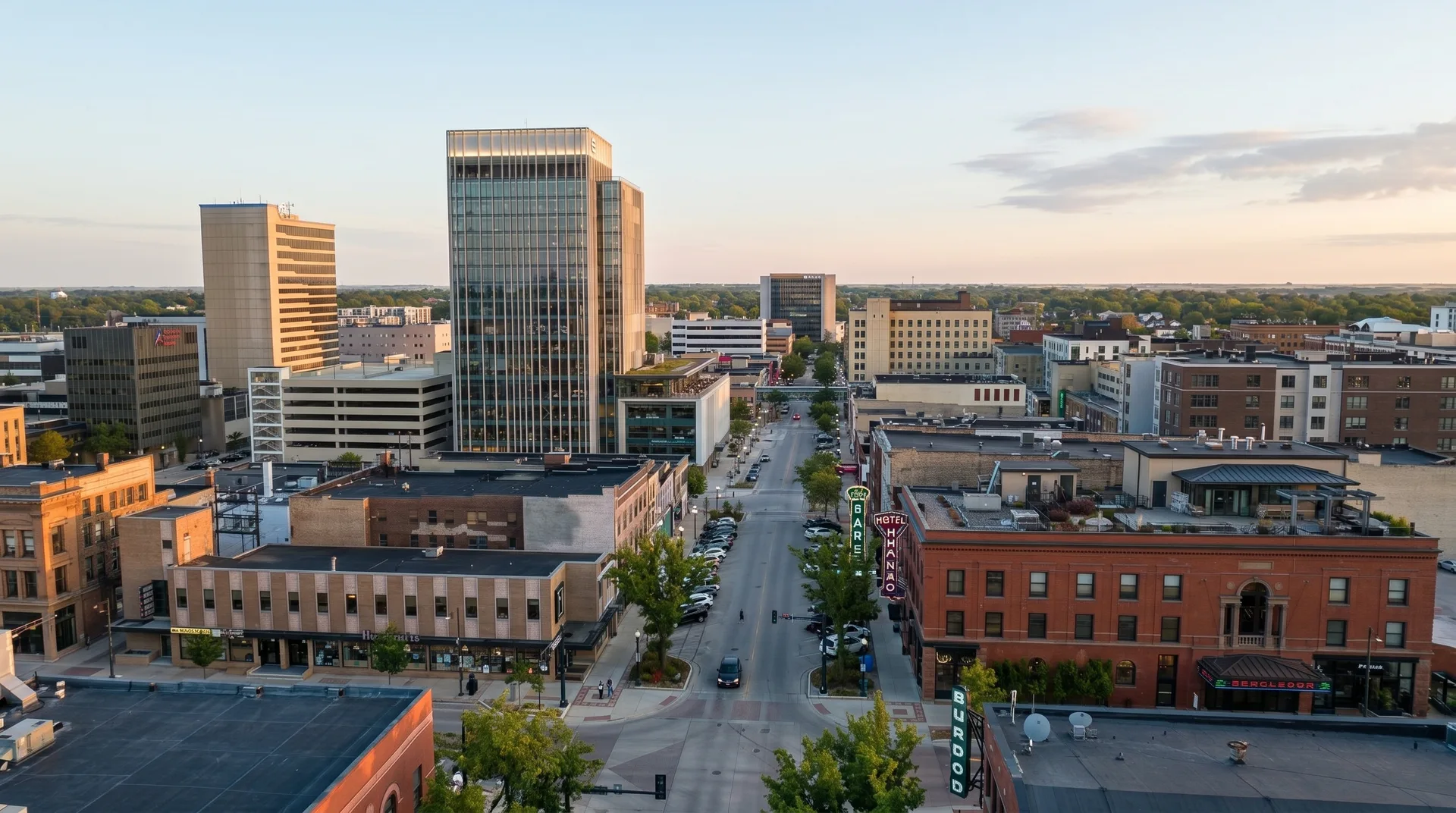 Origin
Fargo
Fargo, North Dakota serves as a strategic logistics hub in the Upper Midwest, positioned at the crossroads of major transportation networks. Located in the Red River Valley, Fargo benefits from its proximity to the Canadian border and access to both rail and highway systems. The city's location provides excellent connectivity to regional distribution centers and serves as a gateway for goods moving between the northern plains and other parts of the country.
The region's economy is anchored by agriculture, with Fargo being a major center for grain storage, processing, and distribution. Manufacturing, technology, and healthcare also contribute significantly to the local economy. The city hosts several industrial parks and logistics facilities that support freight movement. Hector International Airport and the BNSF Railway provide additional transportation options, while Interstate 29 and Interstate 94 offer direct highway access for truck freight operations.
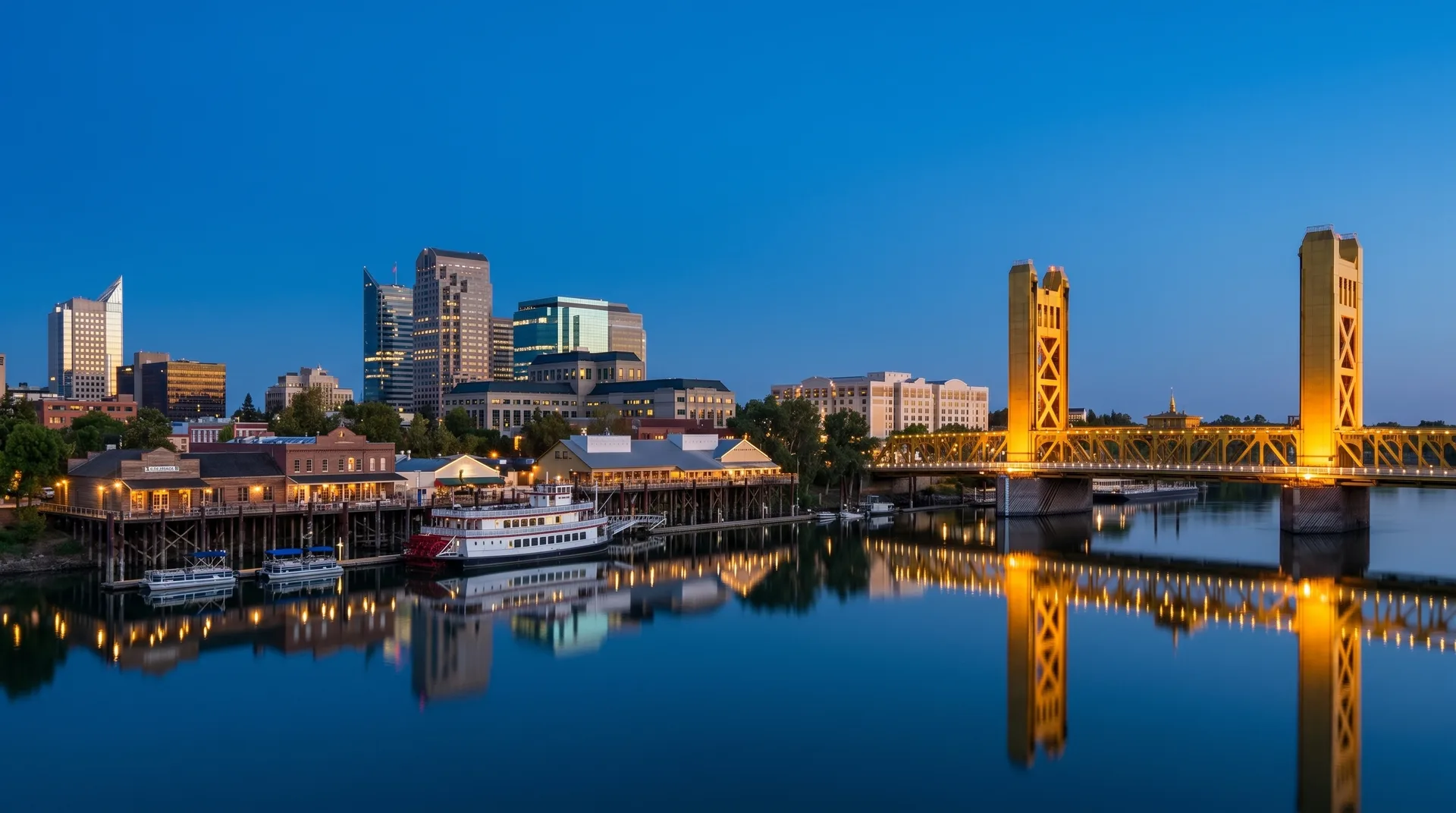 Destination
Sacramento
Sacramento, California stands as a strategic logistics center in Northern California, offering unique advantages for freight distribution. Located at the confluence of the Sacramento and American Rivers, the city has evolved into a major inland port connected to the San Francisco Bay via the Sacramento Deep Water Ship Channel. Its central California location provides optimal access to both coastal and inland markets throughout the state.
The Sacramento region boasts a diverse economic base, with government services, healthcare, and education as major employers. The area is also home to significant food processing, agriculture, and manufacturing industries. Sacramento's logistics infrastructure includes the Port of Sacramento, multiple intermodal facilities, and extensive highway networks. The city serves as a distribution point for goods destined for the San Francisco Bay Area, the Sierra Nevada region, and beyond, making it a crucial node in California's supply chain network.










