Fargo to Phoenix
Phoenix → FargoFTL freight transportation service between Fargo and Phoenix. Reliable logistics solutions for your business.
Route Description
Everything you need to know about the corridor Fargo - Phoenix
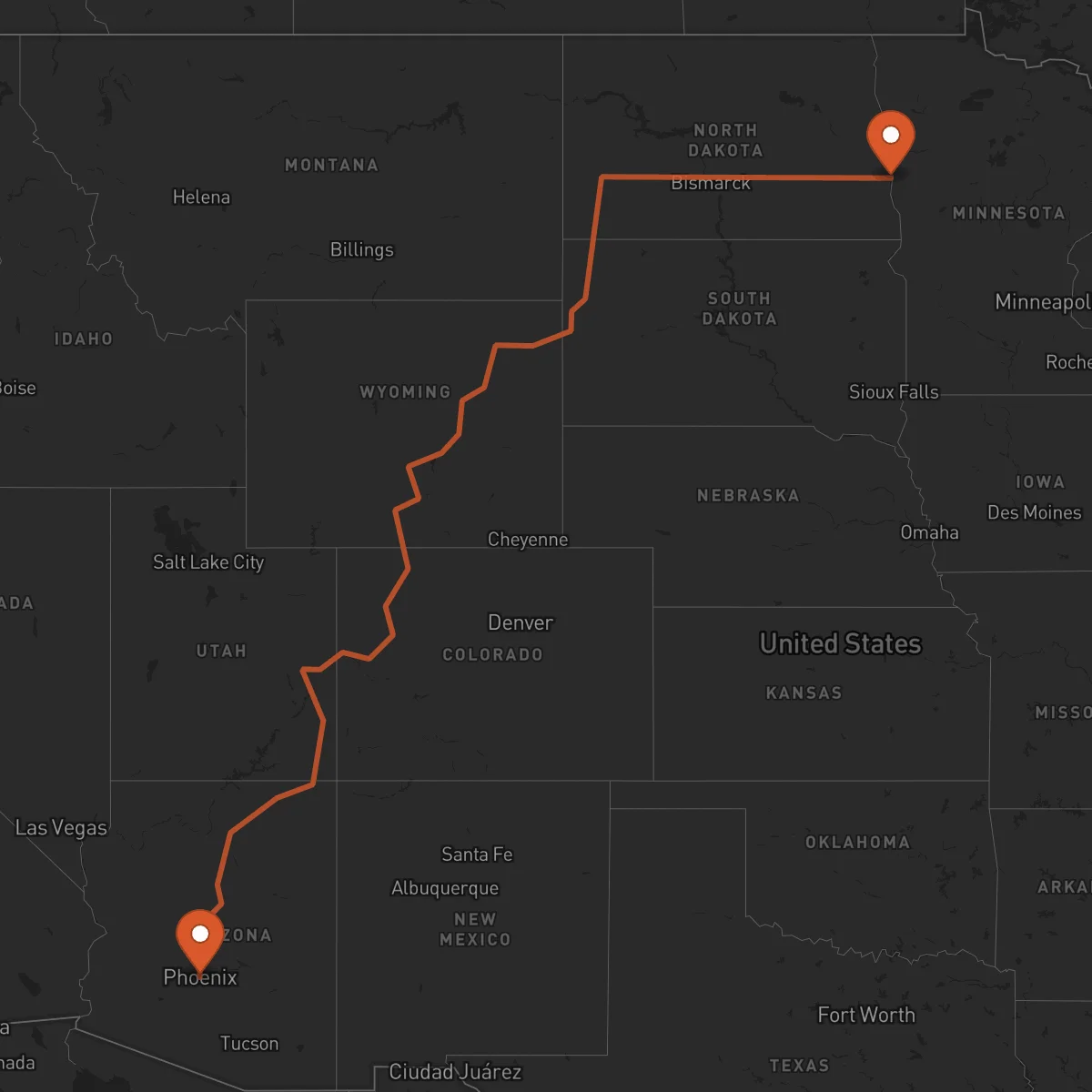
The logistics corridor between Fargo, North Dakota, and Phoenix, Arizona, represents a vital transportation route connecting the Upper Midwest with the Southwest United States. Spanning approximately 1,972 kilometers, this corridor traverses diverse terrain and crosses multiple states, making it a crucial link for freight movement between these two dynamic economic regions. The route primarily follows Interstate 29 south from Fargo to Kansas City, then connects to Interstate 35 south to Oklahoma City, before transitioning to Interstate 40 west through Albuquerque to Phoenix. This well-established interstate network provides reliable and efficient transportation for full truckload (FTL) freight services.
The economic significance of this corridor cannot be overstated. Fargo serves as a major distribution hub for the Northern Plains, with strong ties to agricultural, manufacturing, and technology sectors. Phoenix, on the other hand, has emerged as a major logistics and distribution center for the Southwest, driven by its strategic location, growing population, and expanding industrial base. The corridor facilitates the movement of goods between these complementary markets, supporting industries such as electronics, automotive parts, consumer goods, and agricultural products. Control Terrestre leverages this strategic route to provide seamless FTL transportation solutions, ensuring your cargo moves efficiently between these key economic centers.
Control Terrestre specializes in optimizing freight movements along this corridor through our extensive network of certified carriers and strategic partnerships. Our dedicated FTL services ensure that your shipments receive exclusive use of the trailer, minimizing handling and reducing transit times. We understand the unique challenges of this route, including varying weather conditions and regional regulations, and our experienced team coordinates every aspect of your shipment to ensure timely delivery. Whether you're shipping from Fargo's industrial parks to Phoenix's distribution centers or vice versa, our comprehensive logistics solutions keep your supply chain moving smoothly across this critical North American corridor.
Services for this Route
Available services for the corridor Fargo - Phoenix
 Origin
Fargo
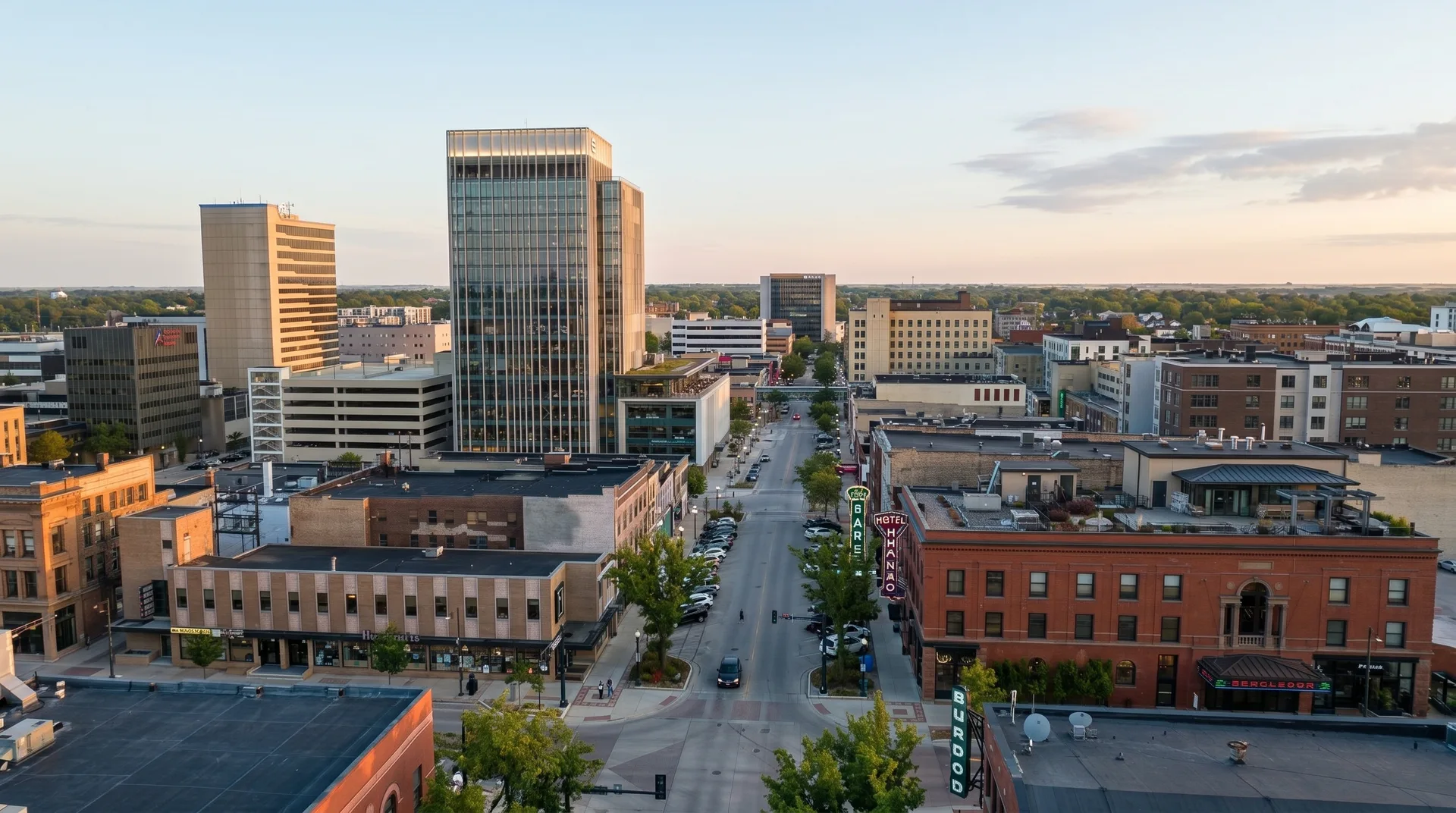
Fargo, North Dakota, serves as a strategic logistics hub in the Upper Midwest, offering exceptional connectivity to major transportation networks. Located along the Minnesota-North Dakota border, Fargo benefits from its position at the intersection of Interstate 29 and Interstate 94, providing direct access to both north-south and east-west freight corridors. The city's robust transportation infrastructure includes the Hector International Airport, multiple rail terminals operated by BNSF Railway and Canadian Pacific, and well-developed warehousing and distribution facilities. Fargo's logistics ecosystem is particularly strong in the agricultural sector, with extensive grain storage and handling facilities supporting the region's farming industry.
 Destination
Phoenix
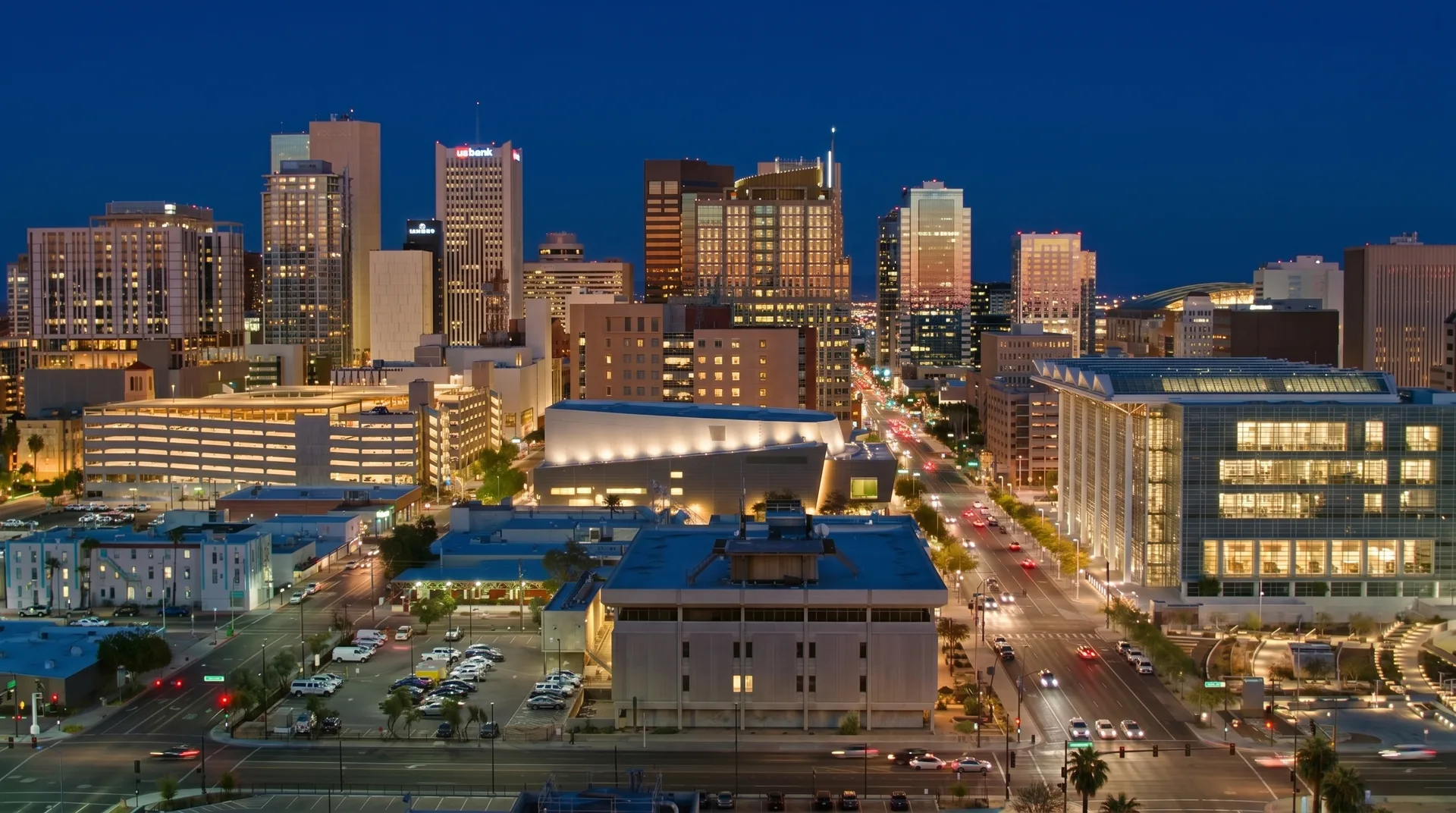
Phoenix, Arizona, stands as a major logistics and distribution center in the Southwestern United States, strategically positioned to serve markets across the region. The city's logistics infrastructure is anchored by Phoenix Sky Harbor International Airport, one of the busiest cargo airports in the country, and the Union Pacific Railroad's extensive network. Phoenix's location provides excellent connectivity to major West Coast ports, including Los Angeles and Long Beach, making it an ideal gateway for goods entering or leaving the Southwest. The region's growing industrial base, particularly in technology, aerospace, and advanced manufacturing, drives significant freight demand. Phoenix's modern warehousing facilities and distribution centers are concentrated in key areas such as the South Mountain District and the West Valley, supporting efficient last-mile delivery throughout the metropolitan area.










