Fargo to New Orleans
New Orleans → FargoFTL freight transportation service between Fargo and New Orleans. Reliable logistics solutions for your business.
Route Description
Everything you need to know about the corridor Fargo - New Orleans
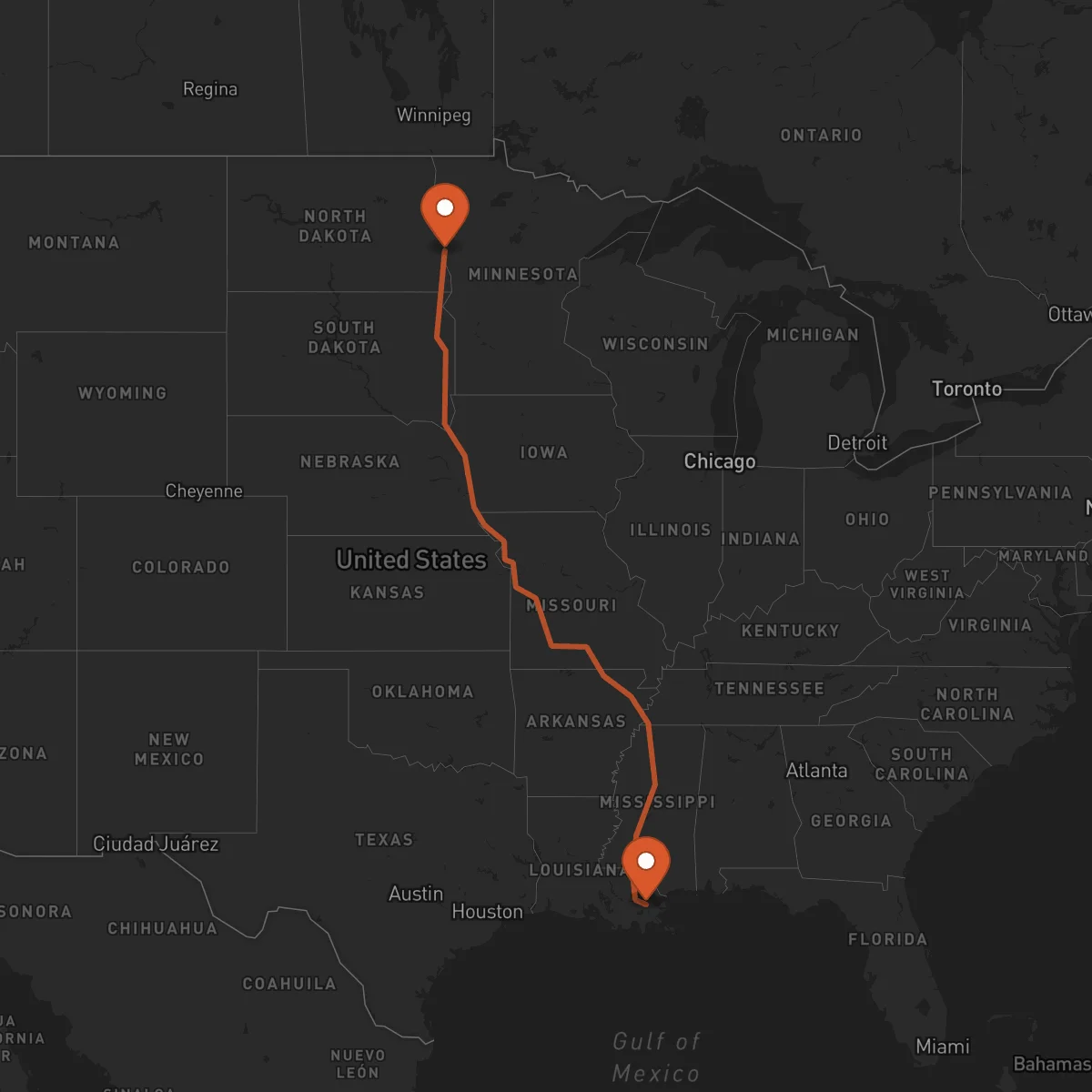
The logistics corridor connecting Fargo, North Dakota, to New Orleans, Louisiana, represents a vital transportation route spanning approximately 1,969 kilometers across the heart of the United States. This north-to-south corridor traverses diverse landscapes and connects two strategically important economic centers, facilitating the movement of goods between the Upper Midwest and the Gulf Coast. The route serves as a critical link in the national supply chain, enabling businesses to efficiently transport products between these distinct regions with their unique industrial profiles.
The corridor passes through major transportation hubs including Minneapolis, St. Louis, and Memphis, utilizing key interstate highways such as I-29, I-55, and I-10. This infrastructure provides reliable connectivity for freight transportation, supporting the seamless flow of goods between Fargo's agricultural and manufacturing base and New Orleans' position as a major port and petrochemical center. The route's strategic importance is amplified by its connection to both inland distribution networks and international maritime shipping through the Port of New Orleans.
Control Terrestre specializes in providing full truckload (FTL) transportation services along this corridor, offering dedicated solutions tailored to the specific needs of businesses moving freight between Fargo and New Orleans. Our experienced network of carriers ensures consistent, reliable service with equipment options including dry vans, refrigerated units, and specialized trailers to accommodate various cargo types. We understand the unique requirements of cross-regional shipping and provide the expertise needed to navigate this extensive transportation corridor efficiently.
Services for this Route
Available services for the corridor Fargo - New Orleans
 Origin
Fargo
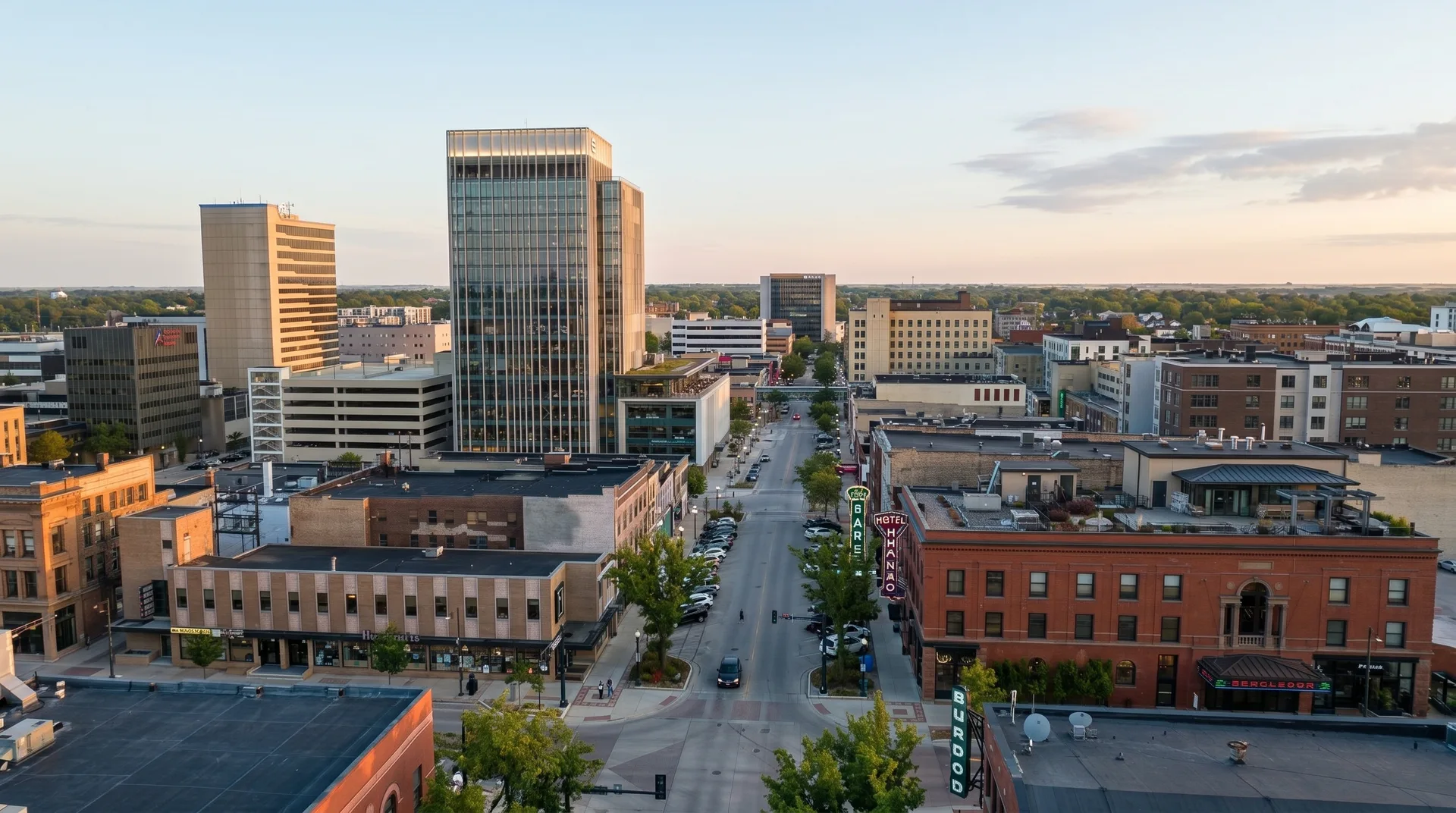
Fargo, North Dakota, serves as a strategic logistics hub in the Upper Midwest, positioned advantageously for freight distribution throughout the northern plains region. The city's location provides access to major transportation corridors including I-29 and I-94, connecting to national highway networks that facilitate efficient freight movement. Fargo's infrastructure includes the Hector International Airport and proximity to the Fargo-Moorhead Port Authority, supporting multimodal transportation options for businesses.
The economic landscape of Fargo is characterized by strong agricultural, manufacturing, and technology sectors. The region is a significant producer of agricultural commodities, processed foods, and value-added products, creating substantial freight transportation needs. Manufacturing facilities in the area produce machinery, equipment, and industrial goods that require reliable transportation to markets across the country. The city's growing technology sector also contributes to the demand for logistics services, particularly for time-sensitive shipments of electronics and specialized equipment.
 Destination
New Orleans
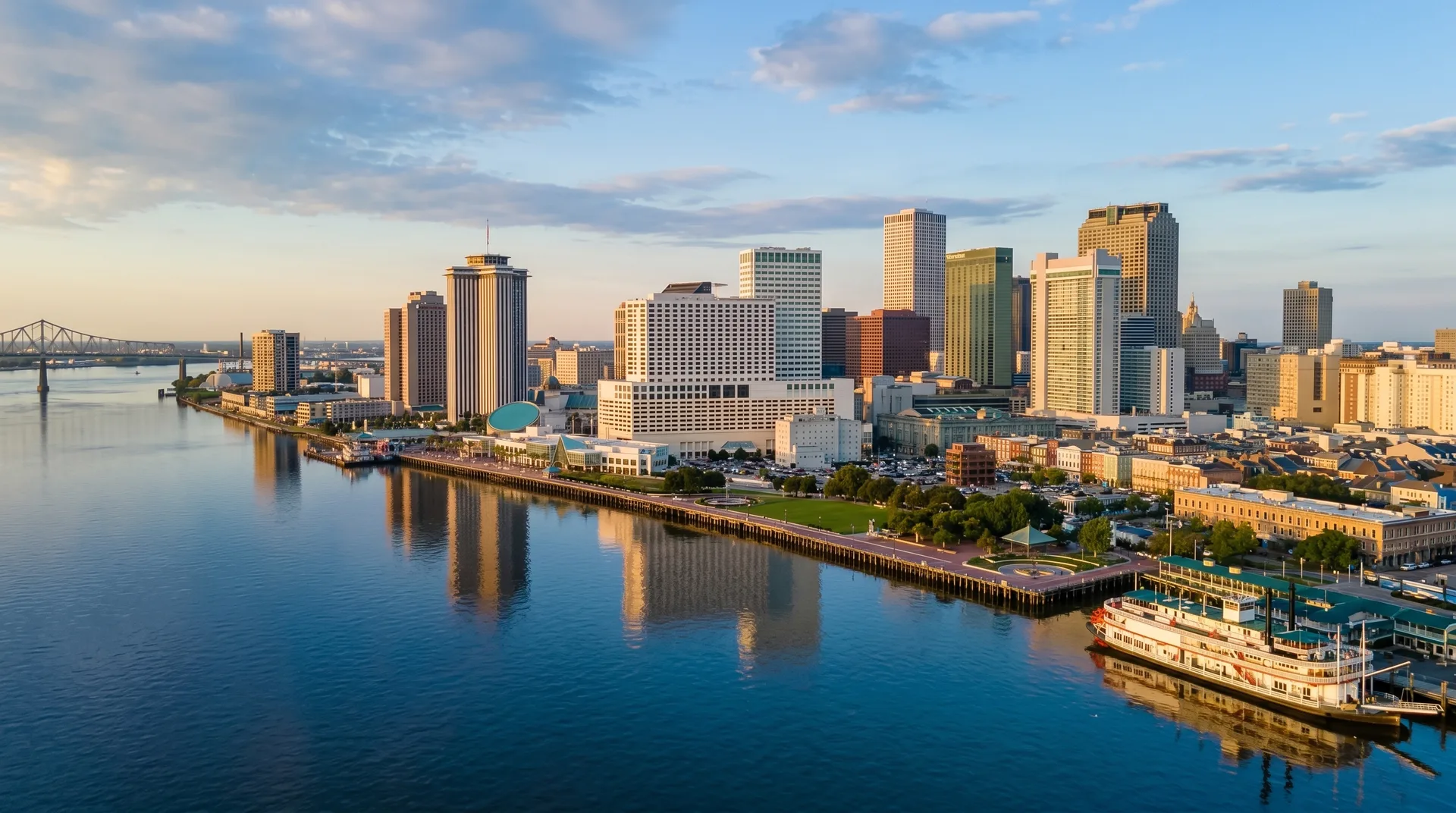
New Orleans, Louisiana, stands as a critical logistics and transportation hub on the Gulf Coast, offering unparalleled access to both domestic and international markets. The city's strategic location at the mouth of the Mississippi River provides direct access to one of the world's most important waterways, while its extensive highway network, including I-10, I-55, and I-59, ensures robust ground transportation connectivity. The Port of New Orleans, combined with the city's rail facilities and Louis Armstrong New Orleans International Airport, creates a comprehensive multimodal transportation infrastructure.
The New Orleans metropolitan area is a major center for the energy, petrochemical, and maritime industries, with numerous refineries, chemical plants, and related facilities requiring consistent freight transportation. The region's agricultural exports, including grains and soybeans, flow through the port, while the tourism and hospitality sectors generate significant demand for consumer goods and food products. The city's position as a cultural and economic gateway to Latin America and the Caribbean further enhances its importance as a destination for freight transportation services.










