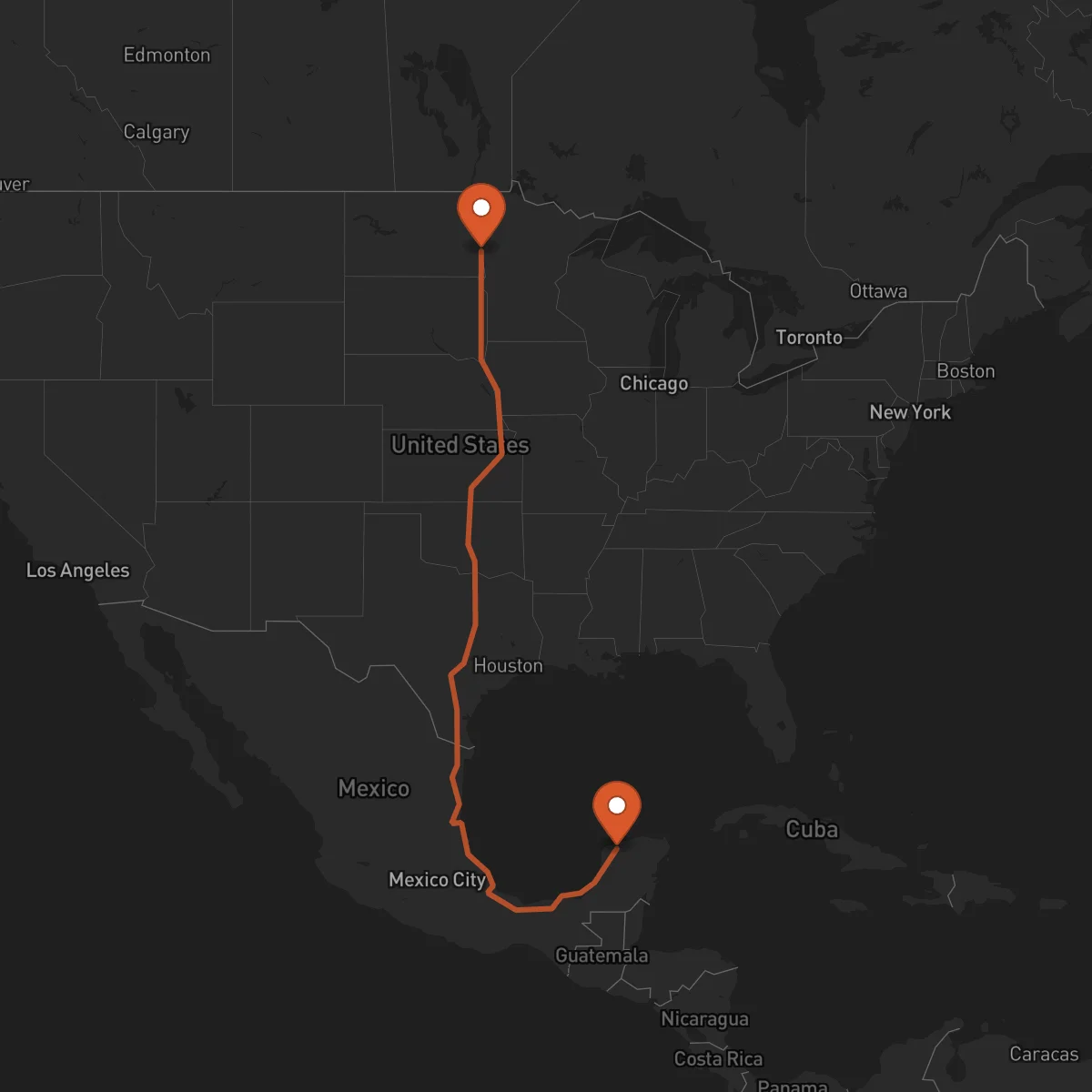
Fargo to Mérida
Mérida → FargoFTL freight transportation service between Fargo and Mérida. Reliable logistics solutions for your business.
Route Description
Everything you need to know about the corridor Fargo - Mérida
The Fargo-Mérida logistics corridor represents a vital connection between the industrial heartland of the United States and the growing economic center of the Yucatán Peninsula. This 2,954 km cross-border route facilitates the movement of goods between North Dakota's manufacturing and agricultural sectors and Mérida's expanding industrial and commercial markets. The corridor traverses diverse landscapes and crosses international borders, requiring specialized expertise in cross-border logistics and customs compliance.
The route primarily utilizes major interstate highways through the United States, connecting to Mexico's Federal Highway 180 and Highway 281. Key border crossing points include Laredo and Nuevo Laredo, which serve as critical gateways for freight moving between the two countries. The corridor supports a wide range of industries, from automotive and manufacturing to agricultural products and consumer goods, making it essential for businesses looking to establish or maintain supply chain connections between these regions.
Control Terrestre specializes in managing the complexities of this cross-border corridor, ensuring seamless transportation from origin to destination. Our expertise in customs procedures, border documentation, and regulatory compliance helps businesses navigate the challenges of international freight movement. We provide dedicated FTL services that maintain the integrity and security of shipments throughout the entire journey, supported by our network of certified transportation providers and strategic partnerships along the route.
Services for this Route
Available services for the corridor Fargo - Mérida
 Origin
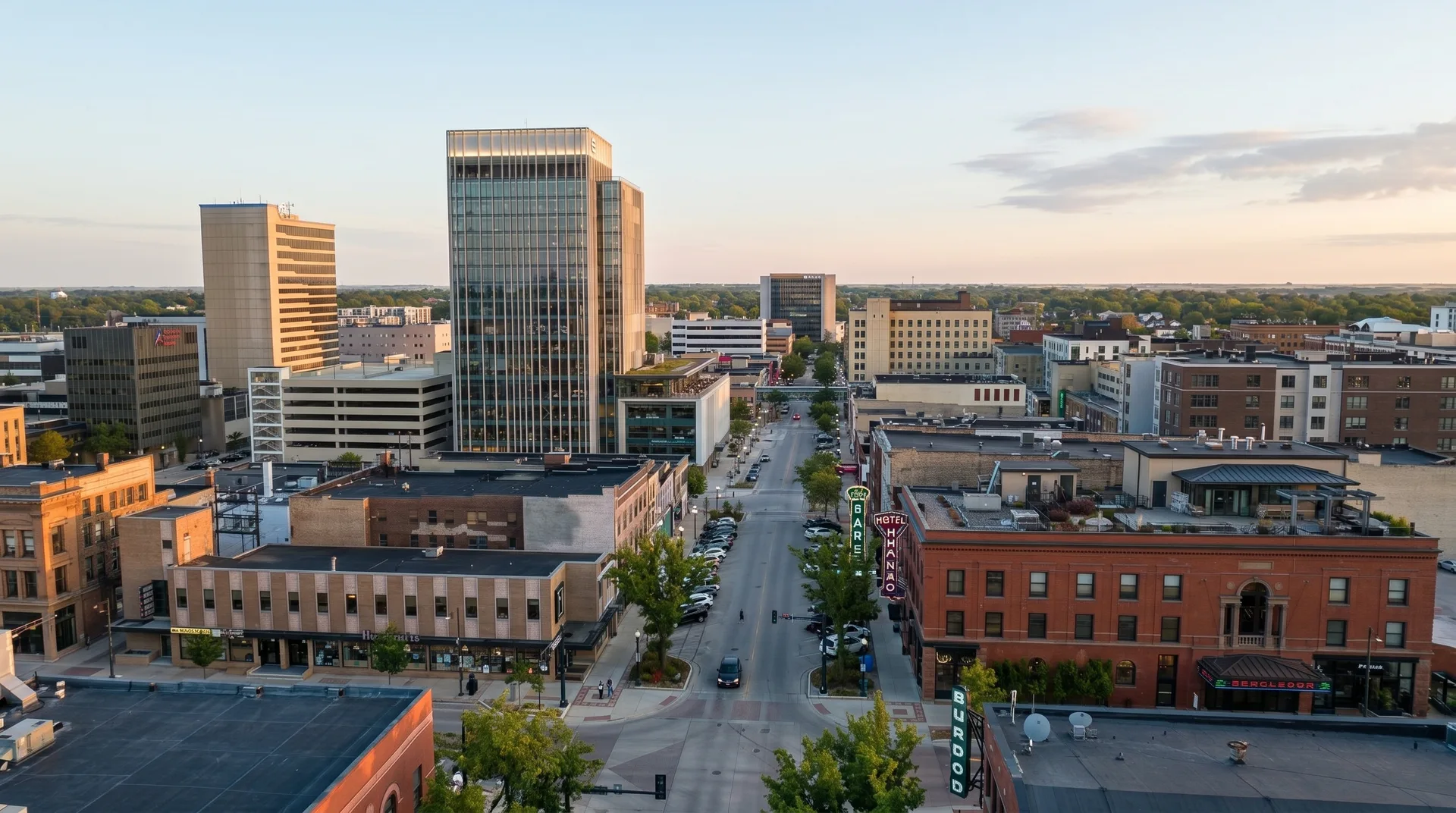
Fargo
Fargo, North Dakota serves as a strategic logistics hub in the Upper Midwest, positioned at the crossroads of major transportation networks. The city's location provides excellent connectivity to regional and national freight corridors, making it an ideal origin point for cross-border shipments. Fargo's economy is anchored by manufacturing, agricultural processing, and technology sectors, with numerous distribution centers and warehouses supporting both inbound and outbound logistics operations.
The transportation infrastructure in Fargo includes direct access to Interstate 29 and Interstate 94, providing efficient connections to major markets across the United States. The city also benefits from rail connectivity through BNSF Railway and Canadian Pacific, offering intermodal options for freight movement. Hector International Airport supports air cargo operations, while the Port of Fargo provides additional logistics capabilities. This comprehensive infrastructure network makes Fargo an excellent starting point for freight destined for Mexico and beyond.
 Destination
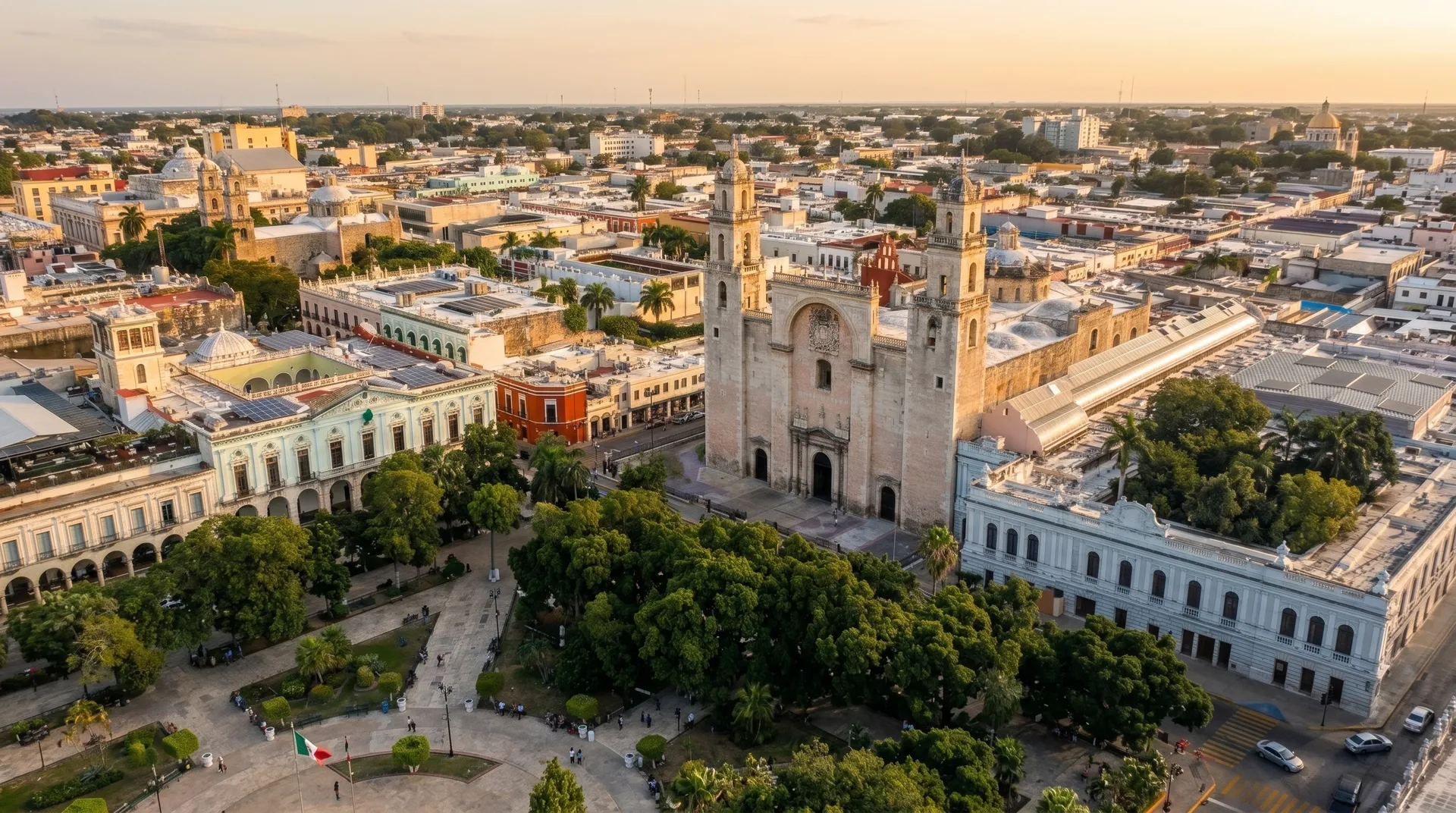
Mérida, located in the heart of the Yucatán Peninsula, stands as a strategic logistics center for southeastern Mexico. The city's position offers unique advantages for companies looking to serve both the local market and broader regional distribution. Mérida's economy is characterized by growing manufacturing, tourism, and agricultural sectors, with increasing investment in industrial parks and logistics facilities supporting economic expansion.
The transportation infrastructure in Mérida includes access to Federal Highway 180, connecting to major Mexican ports and border crossings. Manuel Crescencio Rejón International Airport provides air cargo services, while the city's developing logistics parks offer modern warehousing and distribution capabilities. The region's growing industrial base, combined with its proximity to both Caribbean ports and Central American markets, makes Mérida an increasingly important destination for cross-border freight, particularly for companies looking to establish distribution networks in southeastern Mexico.










