Fargo to Manchester
Manchester → FargoFTL freight transportation service between Fargo and Manchester. Reliable logistics solutions for your business.
Route Description
Everything you need to know about the corridor Fargo - Manchester
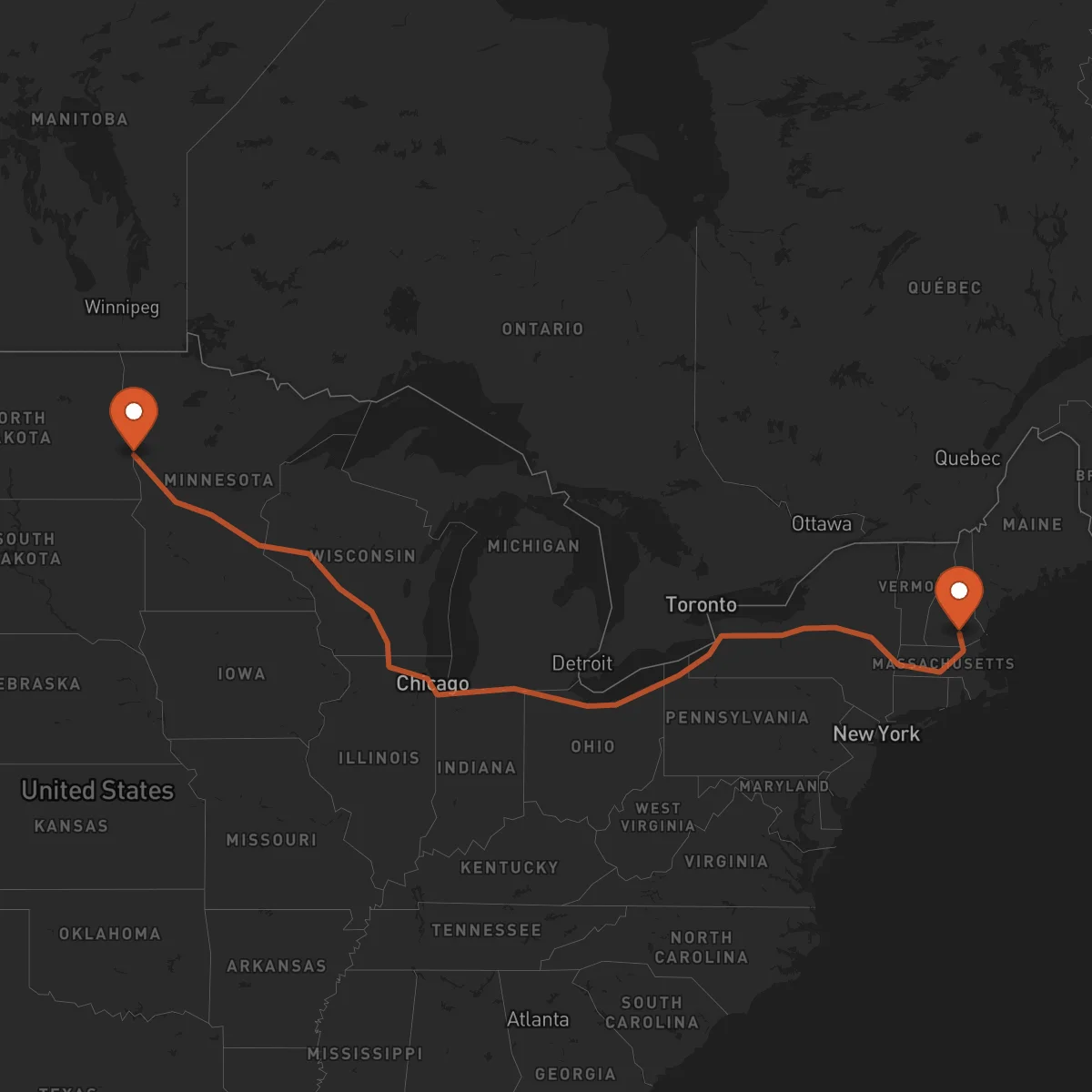
The freight transportation corridor between Fargo, North Dakota, and Manchester, New Hampshire, represents a vital domestic logistics route spanning approximately 2,031 kilometers across the northern United States. This east-west corridor connects the agricultural and manufacturing heartland of the Midwest with the industrial and commercial centers of New England, facilitating the movement of goods between two economically significant regions. The route traverses diverse terrain and crosses multiple state lines, requiring expertise in interstate logistics and regulatory compliance.
The corridor serves as a critical link for industries that depend on timely and reliable freight movement between the Great Plains and the Northeast. Manufacturing companies, agricultural producers, and distribution centers along this route rely on efficient transportation to maintain their supply chains and meet market demands. The strategic importance of this corridor is amplified by its role in connecting major economic hubs and supporting regional trade networks.
Control Terrestre provides comprehensive FTL (Full Truckload) transportation services along this corridor, leveraging our network of certified carriers and strategic partnerships. Our expertise in handling specialized cargo, including refrigerated freight and oversized loads, ensures that diverse shipping needs are met with precision. We facilitate seamless door-to-door transportation, managing all aspects of the journey from origin to destination while maintaining the highest standards of safety and efficiency.
Services for this Route
Available services for the corridor Fargo - Manchester
 Origin
Fargo
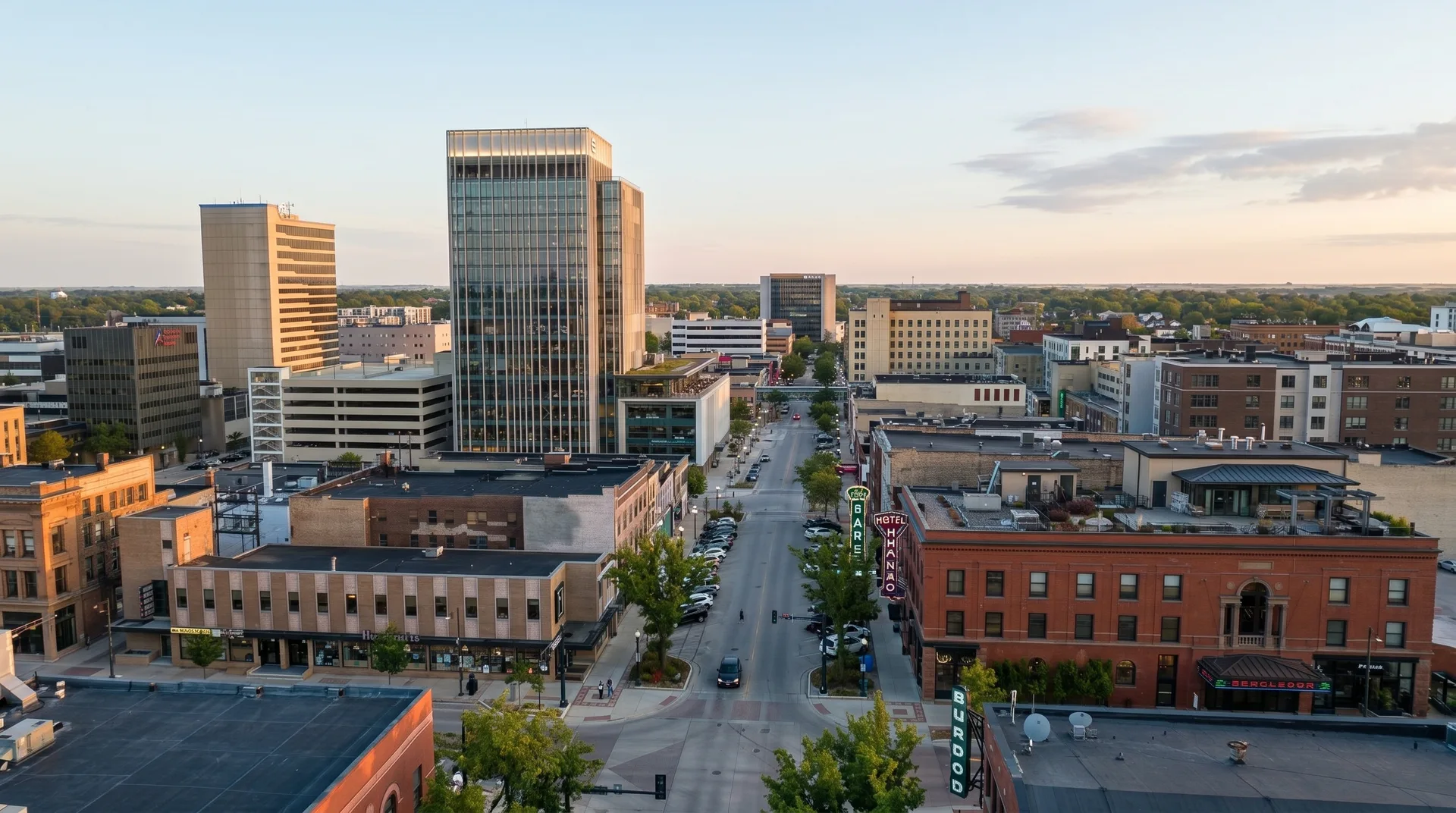
Fargo, North Dakota, serves as a strategic logistics hub in the Upper Midwest, positioned advantageously near the Minnesota border. The city's location provides access to major transportation networks, including Interstate 29 and Interstate 94, which connect to national freight corridors. Fargo's infrastructure includes the Hector International Airport and proximity to the Port of Duluth, enhancing its multimodal transportation capabilities. The region's logistics infrastructure is well-developed, supporting efficient distribution operations for businesses operating in the northern plains.
The economic landscape of Fargo is characterized by a diverse mix of industries, with agriculture playing a significant role in the regional economy. The area is home to food processing facilities, manufacturing plants, and technology companies. Agricultural equipment manufacturers, grain processors, and food producers are among the key industries that require reliable freight transportation services. The city's growing healthcare and education sectors also contribute to the demand for logistics services, creating a dynamic environment for freight movement.
 Destination
Manchester
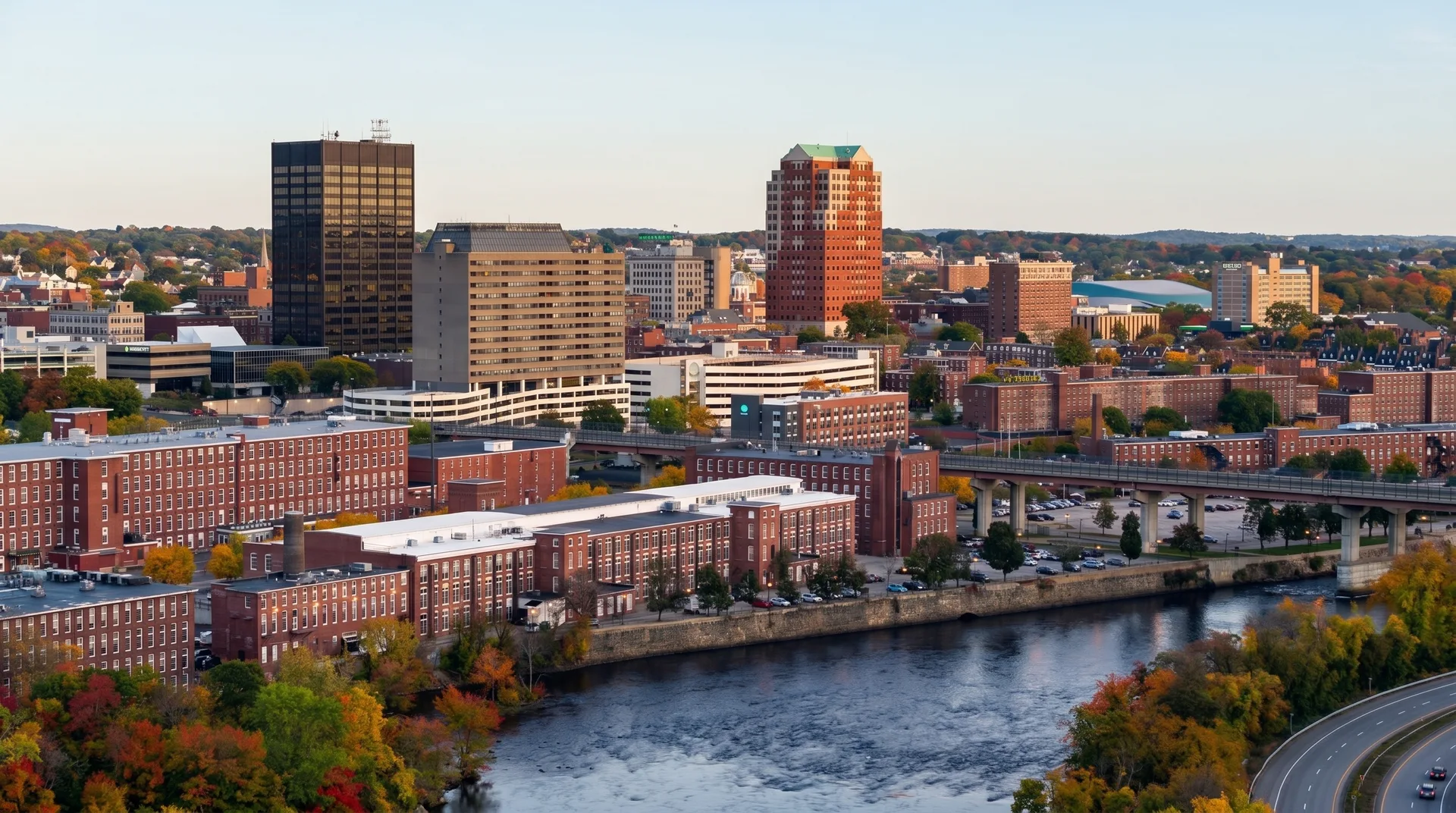
Manchester, New Hampshire, stands as a strategic logistics destination in the northeastern United States, offering excellent connectivity to major markets in New England. The city's location provides access to Interstate 93 and proximity to major transportation hubs, including the Manchester-Boston Regional Airport and the Port of Boston. Manchester's infrastructure supports efficient freight movement, with well-maintained highways and distribution facilities that facilitate the flow of goods throughout the region.
The economic profile of Manchester is diverse, with strong representation from manufacturing, technology, and healthcare industries. The city is home to numerous manufacturing facilities producing electronics, textiles, and industrial equipment. The presence of research institutions and technology companies creates demand for specialized freight services, particularly for high-value and time-sensitive shipments. Manchester's retail and distribution sectors also contribute significantly to freight transportation needs, requiring reliable logistics solutions to serve the densely populated Northeast corridor.










