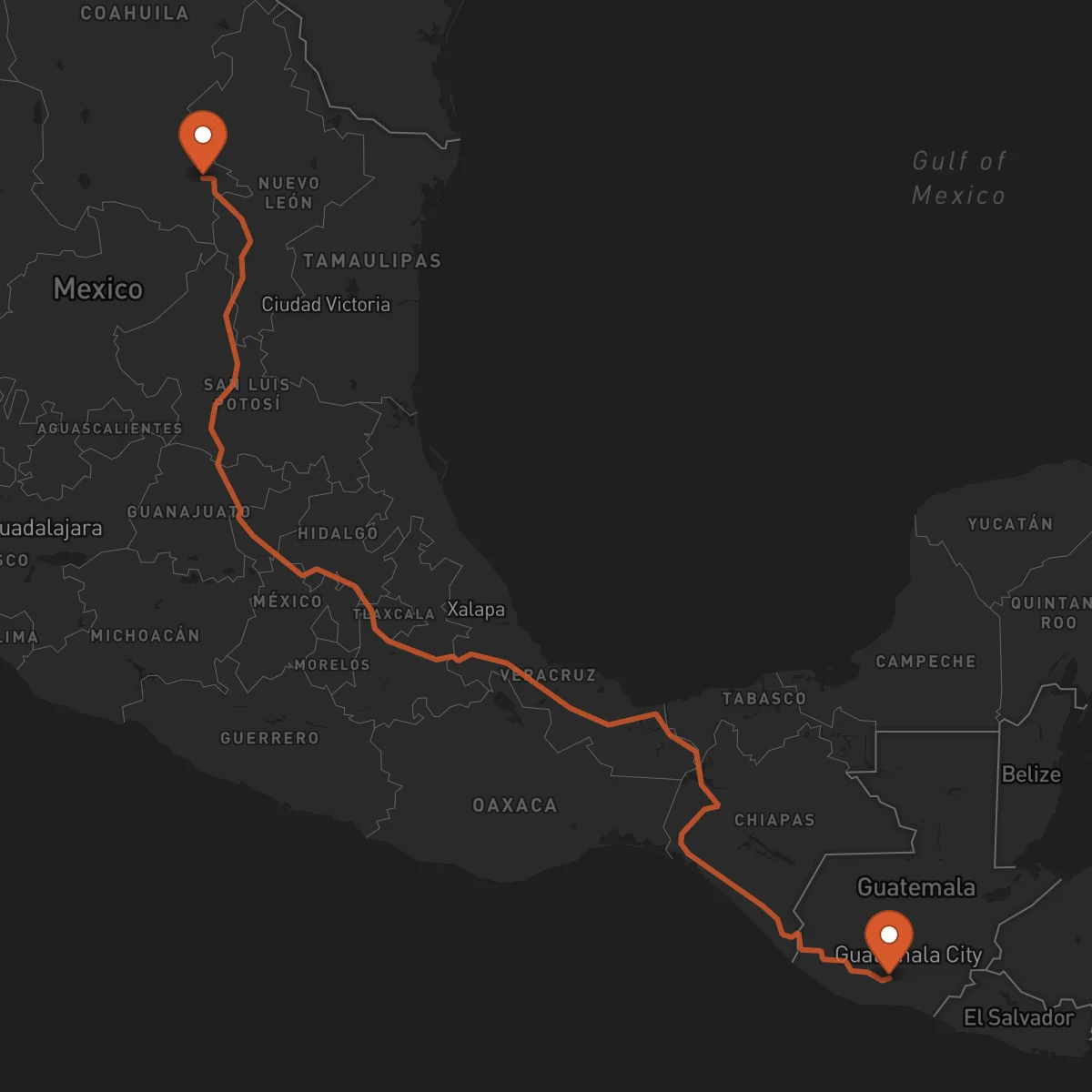
Escuintla to Saltillo
Saltillo → EscuintlaFTL freight transportation service between Escuintla and Saltillo. Reliable logistics solutions for your business.
Route Description
Everything you need to know about the corridor Escuintla - Saltillo
The Escuintla to Saltillo corridor represents a vital north-south logistics artery connecting Central America with Northern Mexico's industrial heartland. This strategic route facilitates the seamless movement of goods across borders, serving as a critical link for supply chains requiring reliable full truckload (FTL) transportation. The corridor's importance is underscored by its role in integrating the manufacturing and agricultural output of Guatemala with the major industrial and consumer markets of Coahuila and the broader U.S.-Mexico border region. Economically, the route traverses regions of significant industrial activity. From Escuintla's port-driven commerce to Saltillo's world-renowned automotive cluster, the corridor supports a diverse range of sectors including agriculture, food & beverage, automotive manufacturing, and industrial components. Key industries leveraging this route are those with just-in-time production needs, oversized cargo requirements, and temperature-controlled shipments, all demanding dedicated, expert handling.
The transportation infrastructure relies on a network of primary highways. In Guatemala, the CA-9 is the principal arterial road connecting Escuintla to the Mexican border at Ciudad Tecún Umán/San Marcos. Upon entering Mexico, the main northbound route typically integrates the MX-190 and then the major federal highway MX-57D (the Arco Norte) to efficiently navigate towards Saltillo, avoiding Mexico City's congestion. The most significant border crossing for this corridor is at Ciudad Hidalgo/Talisman, Chiapas, a modern facility. Customs and compliance considerations are paramount; efficient cross-border movement depends on precise documentation, adherence to customs regulations, and carrier certifications. Partners with credentials like C-TPAT (Customs-Trade Partnership Against Terrorism) and FAST (Free and Secure Trade) are essential for expedited clearance and reduced wait times.
Control Terrestre facilitates operations on this corridor through our alliance of experienced, certified transportation providers. We exclusively offer FTL solutions—dedicated trucks, refrigerated units, flatbeds, and tankers—tailored to the specific demands of your cargo, whether standard dry goods, hazardous materials, or oversized equipment. Our network's certifications, including C-TPAT, FAST, and BASC, ensure compliance and security at the border. We manage the entire door-to-door process, from consolidation at origin in Escuintla to final delivery in Saltillo's industrial parks, providing a single point of contact for a complex, multinational shipment. Our focus is on providing a human-centric, transparent service that optimizes your supply chain's reliability across this critical 1,632 km corridor.
Services for this Route
Available services for the corridor Escuintla - Saltillo
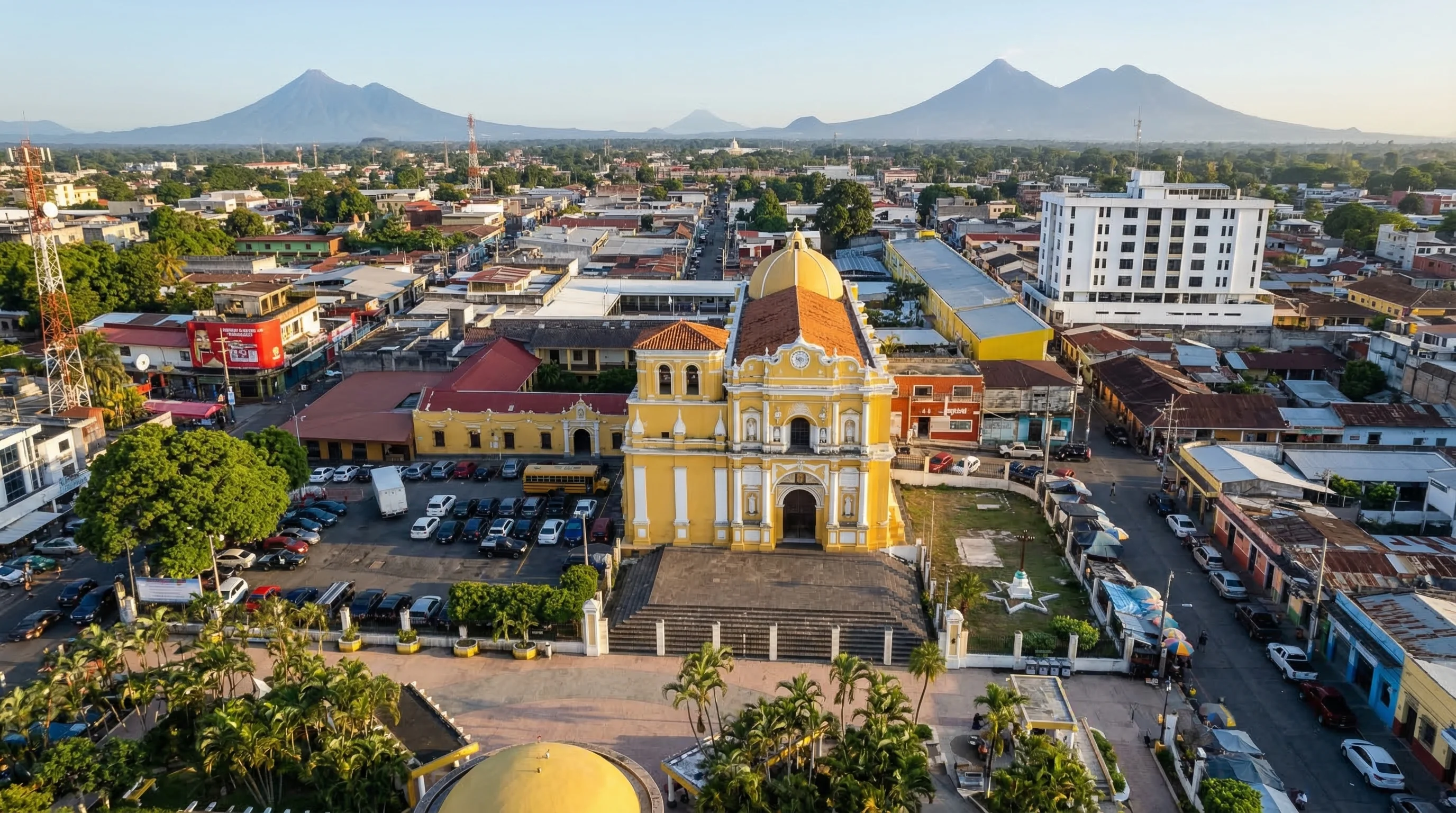 Origin
Escuintla, Guatemala, serves as a pivotal Pacific Gateway for Central American logistics. Strategically located just inland from the major port of Puerto San José, it is a primary collection and distribution hub for goods entering and leaving Guatemala. The city's economy is deeply tied to agriculture, with the surrounding region being a powerhouse for exports like bananas, sugar cane, coffee, and palm oil. Additionally, it hosts significant light manufacturing and food processing industries that require robust outbound freight solutions. The available transportation infrastructure is anchored by the CA-9 highway, a crucial north-south artery that provides direct access to the Mexican border. This connectivity, combined with its proximity to the port, makes Escuintla an indispensable origin point for cross-border freight destined for Mexico and beyond, particularly for FTL shipments from the agricultural and manufacturing sectors.
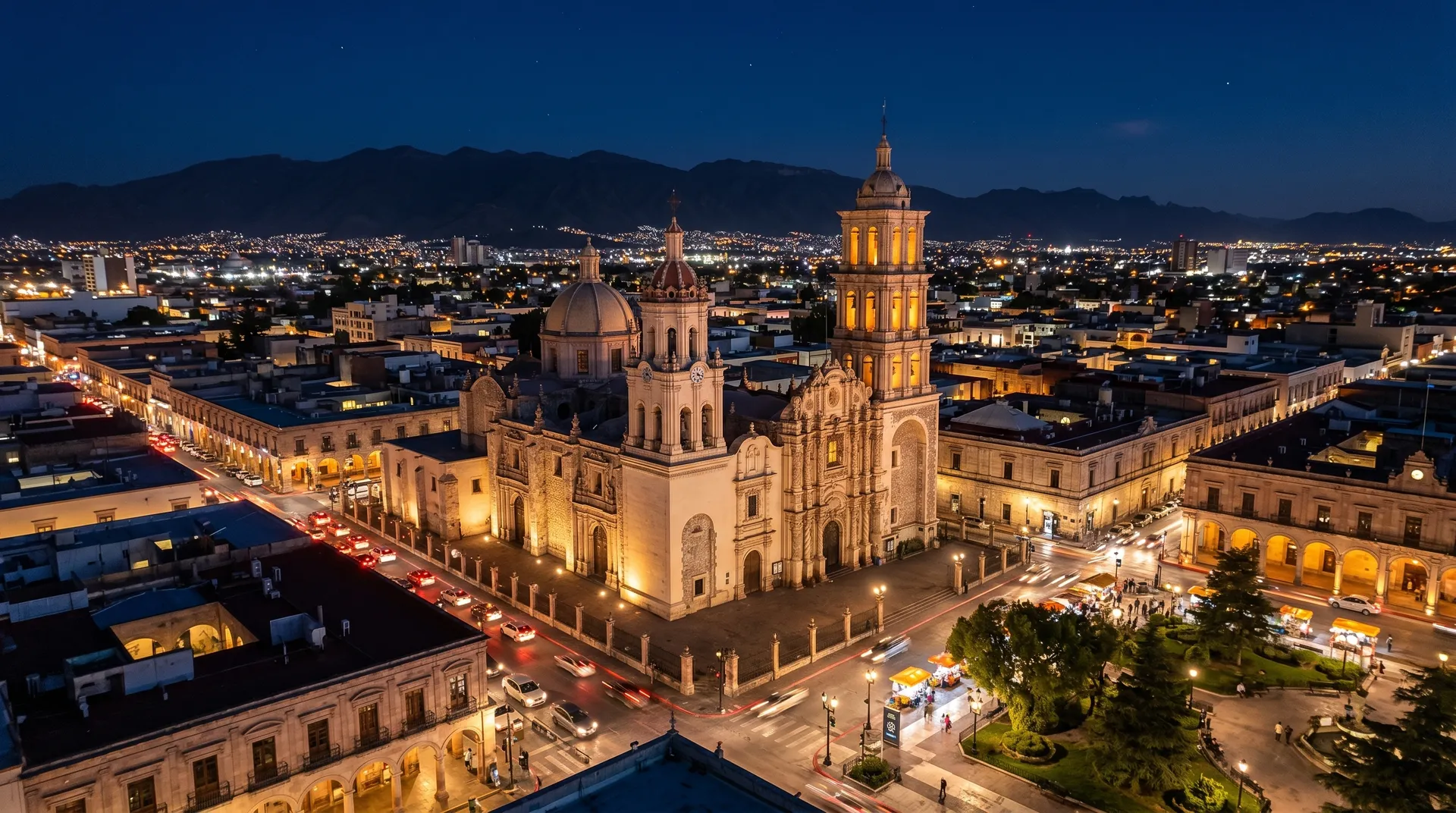 Destination
Saltillo, Coahuila, is a premier industrial and automotive manufacturing hub in Northern Mexico, offering a strategic destination with exceptional logistics advantages. Its location provides direct access to the U.S. border (via Laredo and other Texas gateways) and sits at the crossroads of major Mexican federal highways, most notably the MX-57, which is a primary corridor to Mexico City and the country's interior. The city's economy is dominated by the automotive industry, hosting major assembly plants and a vast network of Tier 1, 2, and 3 suppliers producing engines, transmissions, and components. This creates immense demand for inbound FTL freight for raw materials and outbound shipments for finished goods. Supporting sectors include metal mechanics, appliances, and aerospace. Saltillo's well-developed industrial park infrastructure, coupled with its secure and efficient cross-border routes, makes it a critical node for supply chains requiring specialized cargo handling, including dedicated fleets and expedited services.










