Escuintla to Tucson
Tucson → EscuintlaFTL freight transportation service between Escuintla and Tucson. Reliable logistics solutions for your business.
Route Description
Everything you need to know about the corridor Escuintla - Tucson
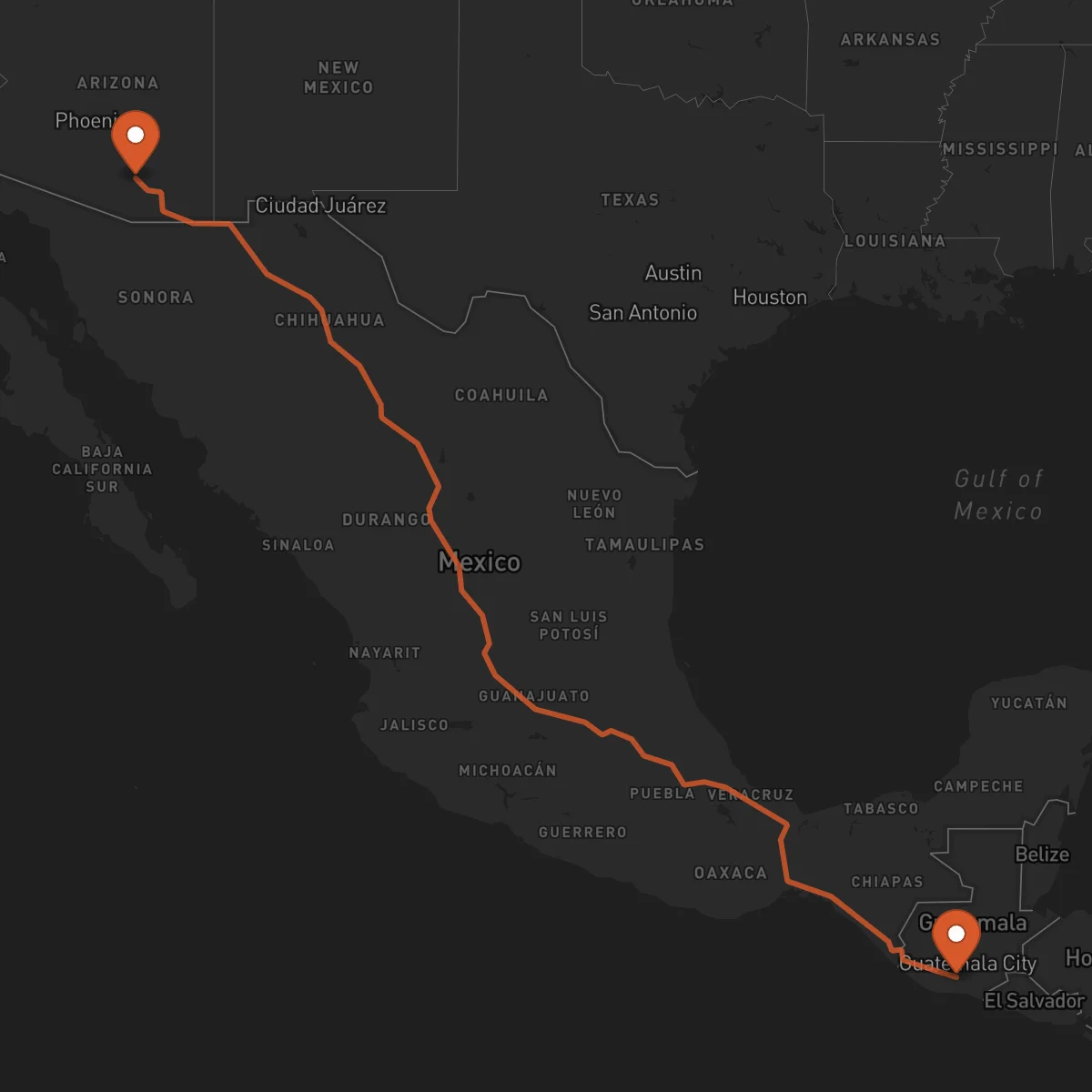
The logistics corridor between Escuintla, Guatemala and Tucson, Arizona represents a vital trade route connecting Central America with the southwestern United States. This cross-border corridor spans approximately 2,859 kilometers and serves as a crucial link for companies engaged in international trade between Guatemala and the United States. The route facilitates the movement of diverse cargo types, from agricultural products and manufactured goods to industrial equipment and consumer products.
The corridor traverses a complex transportation network that includes major highways such as the CA-9 in Guatemala, connecting to Mexican Federal Highways 190 and 45, before entering the United States through various border crossings. From there, cargo continues north through Arizona on Interstate 10, ultimately reaching Tucson. This route passes through multiple customs jurisdictions, requiring expertise in cross-border documentation, compliance procedures, and efficient coordination between different transportation authorities.
Key industries utilizing this corridor include automotive manufacturing, electronics, agricultural exports from Guatemala, and retail distribution centers in Arizona. The route is particularly important for companies in Tucson that rely on just-in-time inventory systems and need reliable transportation of goods from Central American manufacturing hubs. Control Terrestre specializes in managing the complexities of this corridor, providing dedicated full truckload services that ensure cargo moves efficiently through each country while maintaining the integrity and security of shipments throughout the entire journey.
Services for this Route
Available services for the corridor Escuintla - Tucson
 Origin
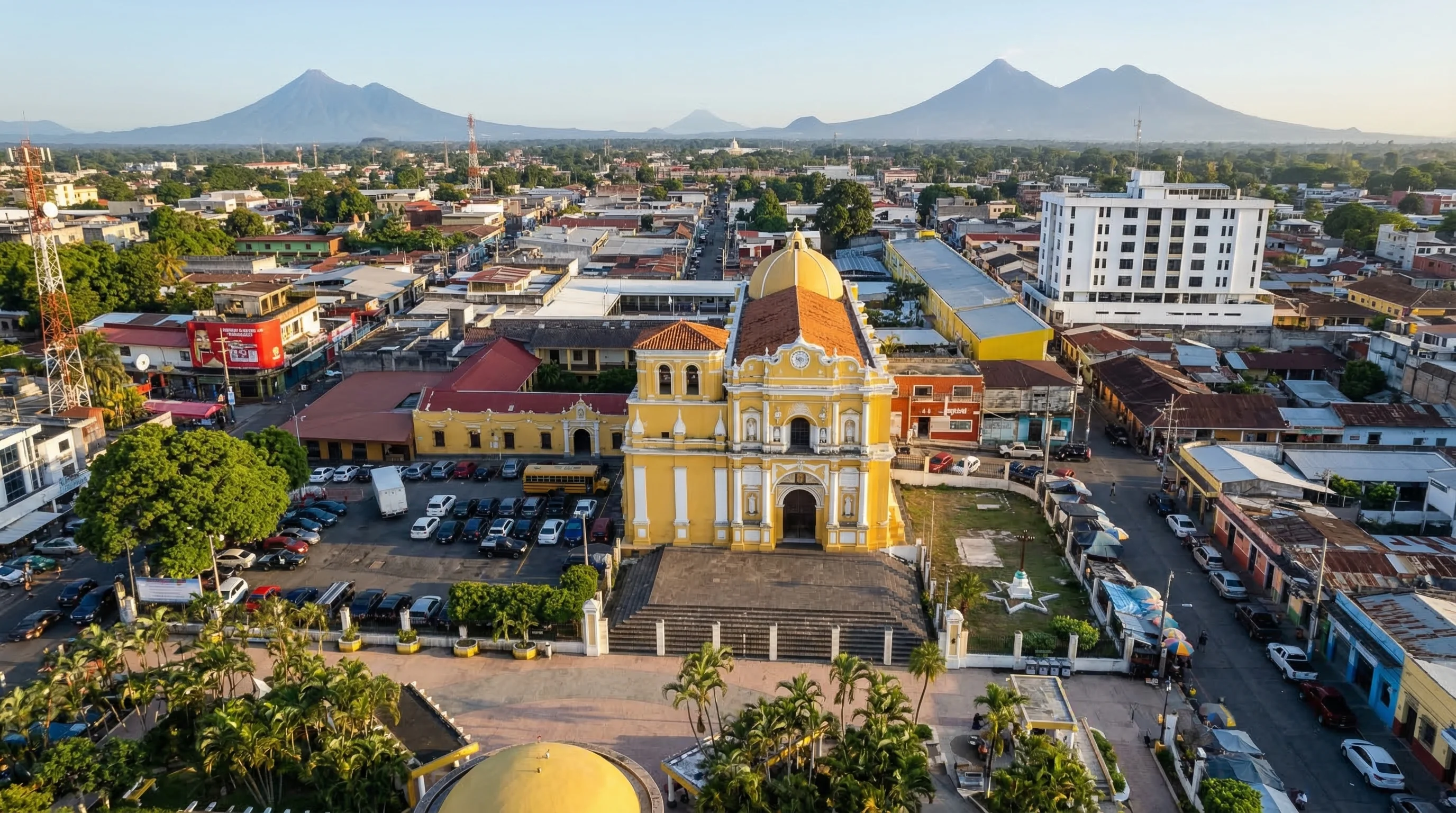
Escuintla, located on Guatemala's southern coast, serves as a strategic logistics hub for Central American trade. The city's proximity to Puerto Quetzal, Guatemala's largest Pacific port, makes it an ideal origin point for international freight moving to the United States. Escuintla benefits from its location along the CA-9 highway, which provides direct connections to Guatemala City and the northern border with Mexico. The region's industrial base includes food processing plants, textile manufacturing facilities, and agricultural operations that generate significant export volume. The city's infrastructure includes modern warehouses, distribution centers, and industrial parks that support efficient cargo consolidation and preparation for cross-border transportation.
 Destination
Tucson
Tucson, Arizona serves as a strategic logistics gateway to the southwestern United States, positioned along the critical Interstate 10 corridor. The city's location provides excellent connectivity to major markets including Phoenix, Los Angeles, and the broader Southwest region. Tucson's economy encompasses aerospace and defense industries, electronics manufacturing, and a growing technology sector that drives demand for reliable freight transportation. The city benefits from multiple transportation assets including Tucson International Airport, Union Pacific rail connections, and extensive highway infrastructure. Tucson's logistics ecosystem includes modern warehousing facilities, cross-docking operations, and distribution centers that support both domestic distribution and international trade flows.










