El Paso to Tijuana
Tijuana → El PasoFTL freight transportation service between El Paso and Tijuana. Reliable logistics solutions for your business.
Route Description
Everything you need to know about the corridor El Paso - Tijuana
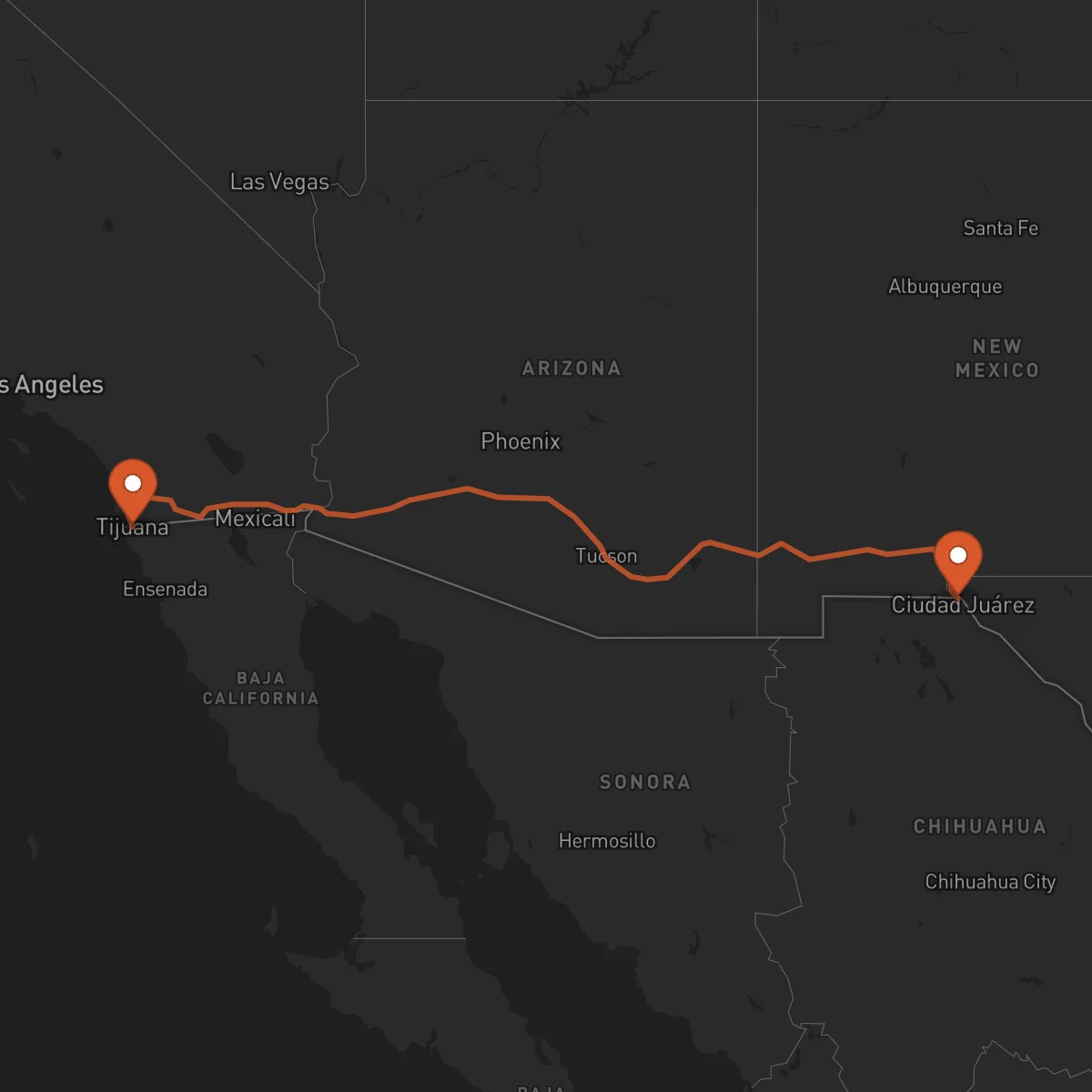
The El Paso-Tijuana corridor represents one of the most critical logistics routes in North America, connecting the commercial heart of Texas with Mexico's leading manufacturing hub in Baja California. This 995 km cross-border route traverses diverse terrain and crosses two major economic zones, making it essential for companies operating in both countries. The corridor facilitates the movement of goods between the United States and Mexico, supporting billions of dollars in trade annually and serving as a vital link in the North American supply chain.
The economic significance of this route cannot be overstated. El Paso serves as a major distribution center for the southwestern United States, while Tijuana has established itself as Mexico's electronics and medical device manufacturing capital. This corridor supports the maquiladora industry, automotive manufacturing, aerospace components, and consumer goods distribution. The region's industrial parks and free trade zones create substantial freight volumes that require reliable, full truckload transportation services to maintain just-in-time inventory systems.
Transportation infrastructure along this corridor includes major highways such as I-10 West from El Paso through New Mexico, connecting to Mexican Federal Highway 2D at the border. The Santa Teresa and El Paso ports of entry provide primary access points, with modern facilities designed to expedite cross-border freight movement. Control Terrestre leverages this infrastructure through our network of certified carriers who understand the complexities of border documentation, customs procedures, and regulatory compliance required for seamless operations between these two critical markets.
Services for this Route
Available services for the corridor El Paso - Tijuana
 Origin
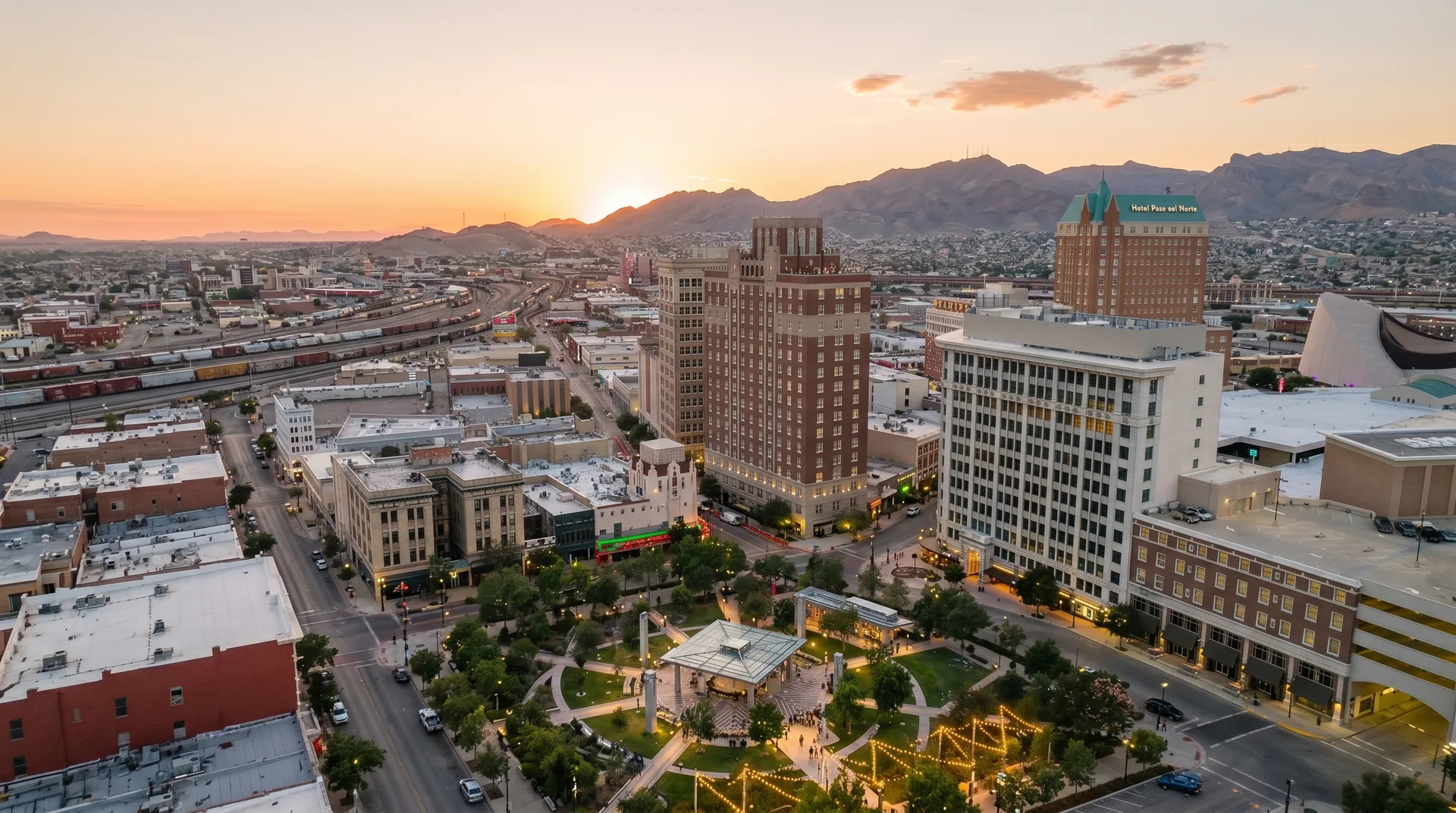
El Paso
El Paso, Texas stands as a strategic logistics gateway positioned at the U.S.-Mexico border, offering unparalleled access to both domestic and international markets. The city's location at the intersection of I-10 and the Mexican border creates a natural distribution hub for companies serving the southwestern United States and northern Mexico. El Paso's transportation infrastructure includes multiple interstate highways, a major international airport, and extensive rail connections through Union Pacific and BNSF railways, providing multimodal freight options for businesses of all sizes.
The economic landscape of El Paso is diverse, with strong presence in military and defense contracting, healthcare, education, and manufacturing sectors. The city hosts several industrial parks and logistics centers that serve as staging points for cross-border operations. Major employers include Fort Bliss military base, the University of Texas at El Paso, and numerous maquiladora support companies. The region's proximity to Juarez, Mexico creates a binational economic zone that generates substantial freight volumes requiring reliable full truckload transportation services to move goods efficiently across the border.
 Destination
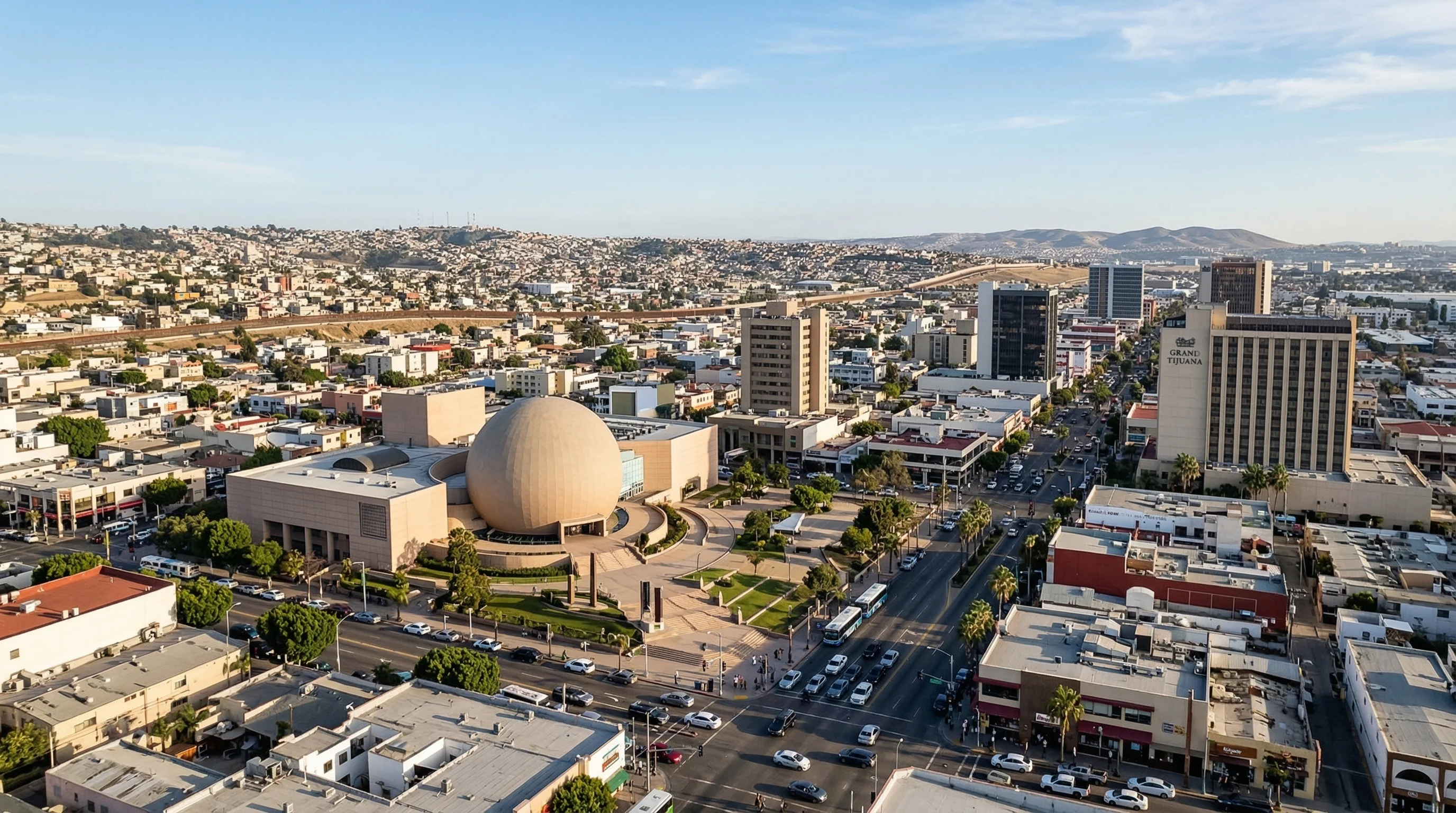
Tijuana
Tijuana, Baja California has emerged as Mexico's most dynamic industrial city and a critical manufacturing center for North American production networks. Located just south of San Diego, California, Tijuana offers strategic access to both Mexican and U.S. markets while benefiting from lower operational costs and skilled labor availability. The city's modern transportation infrastructure includes the Tijuana International Airport, extensive highway networks connecting to major Mexican cities, and proximity to the Otay Mesa and San Ysidro border crossings for efficient U.S. access.
The industrial base in Tijuana is particularly strong in electronics manufacturing, medical device production, aerospace components, and automotive parts. The city hosts over 600 maquiladoras employing more than 150,000 workers in export-oriented manufacturing. Tijuana's economic development has been driven by its integration into global supply chains, with companies like Sony, Samsung, and Medtronic maintaining significant operations in the region. The city's industrial parks and free trade zones create substantial demand for full truckload freight services to transport finished goods to U.S. markets and raw materials from suppliers throughout North America.










