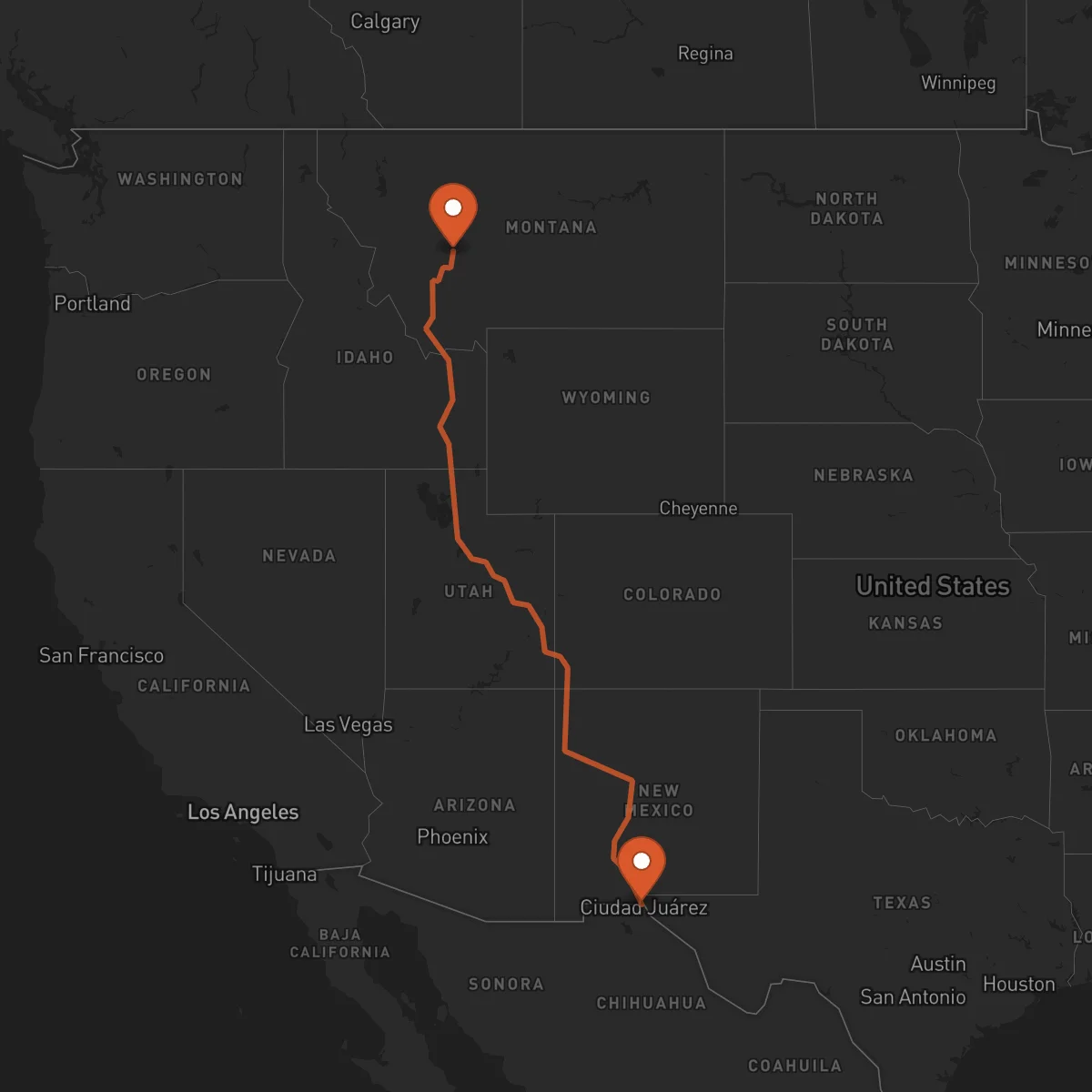
El Paso to Helena
Helena → El PasoFTL freight transportation service between El Paso and Helena. Reliable logistics solutions for your business.
Route Description
Everything you need to know about the corridor El Paso - Helena
The logistics corridor connecting El Paso, Texas to Helena, Montana spans approximately 1,716 kilometers across the heart of the United States. This domestic route traverses diverse landscapes and connects two distinct economic regions, creating a vital transportation link for industries operating between the Southwest and the Northern Rockies. The corridor follows Interstate 25 and Interstate 90, passing through key states including New Mexico, Colorado, Wyoming, and Montana, providing access to major urban centers and rural communities alike.
The strategic importance of this corridor lies in its ability to bridge the industrial and manufacturing capabilities of El Paso with the agricultural, mining, and energy sectors concentrated in Montana and surrounding regions. This route serves as a critical supply chain artery for companies needing to move goods between the border region and the northern mountain states. The corridor's infrastructure supports year-round operations, though seasonal weather patterns in mountainous areas require specialized transportation planning and equipment selection.
Control Terrestre leverages this corridor through our network of certified carriers to provide reliable full truckload (FTL) transportation services. Our experienced logistics team understands the unique challenges of this route, including elevation changes, weather considerations, and the need for precise scheduling to meet just-in-time delivery requirements. We coordinate dedicated transportation solutions that ensure your cargo moves efficiently from origin to destination, maintaining the integrity and security of your freight throughout the journey.
Services for this Route
Available services for the corridor El Paso - Helena
 Origin
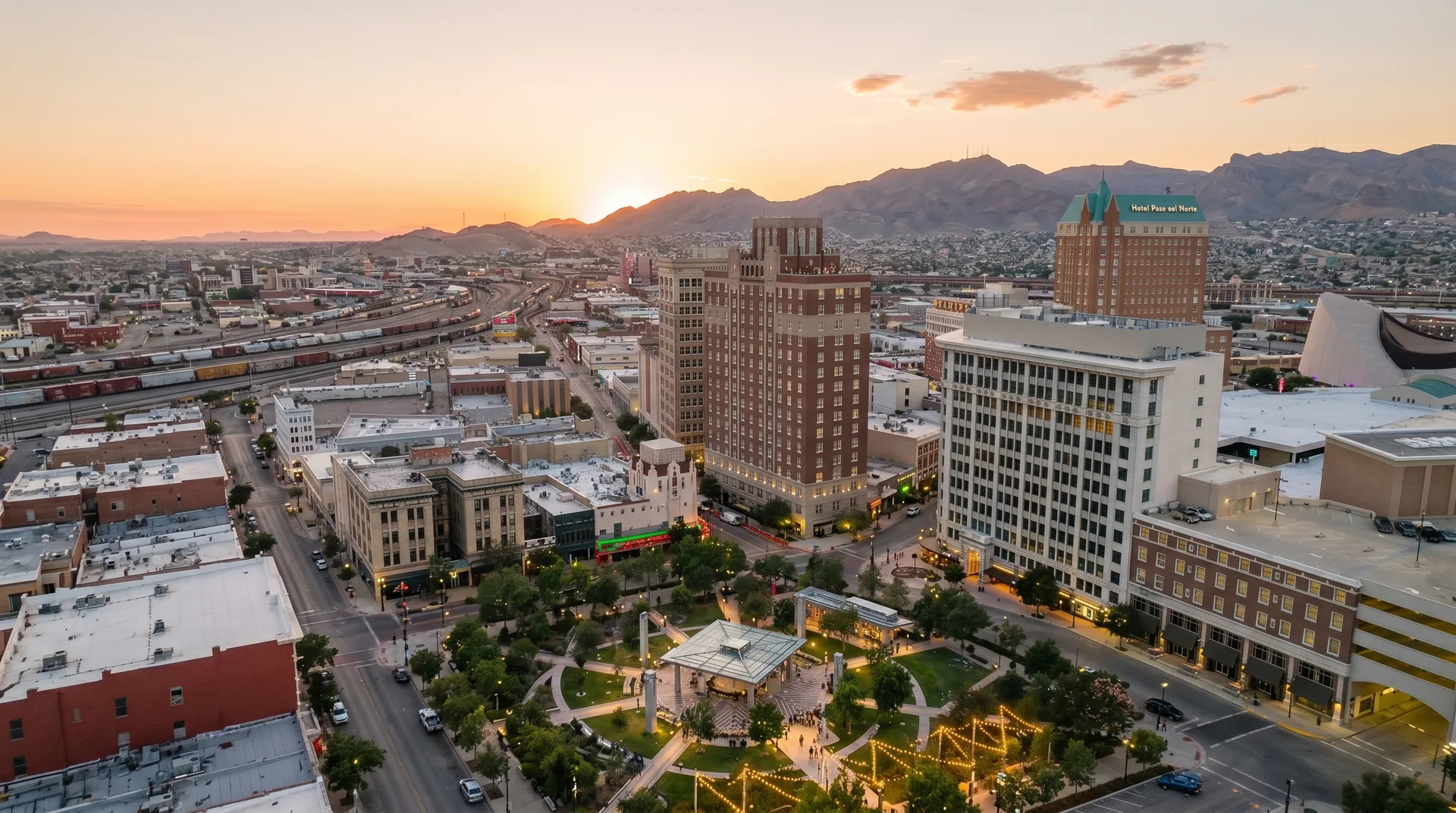
El Paso
El Paso, Texas serves as a strategic logistics hub positioned at the U.S.-Mexico border, offering unparalleled access to both domestic and international markets. The city's location at the intersection of Interstate 10, U.S. Route 54, and other major highways provides excellent connectivity for freight movement across the Southwest. El Paso's economy is anchored by manufacturing, logistics, and international trade sectors, with a strong presence of maquiladora operations and cross-border commerce. The city hosts multiple industrial parks, warehousing facilities, and distribution centers that support the region's role as a critical trade gateway.
The transportation infrastructure in El Paso includes the El Paso International Airport, multiple rail terminals operated by Union Pacific and BNSF, and the nearby Ciudad Juárez International Airport across the border. The city's port of entry facilities facilitate efficient cross-border operations, while the extensive highway network enables rapid access to major markets throughout the United States. El Paso's dry climate and strategic positioning make it an ideal origin point for freight shipments heading north, east, and west across the country.
 Destination
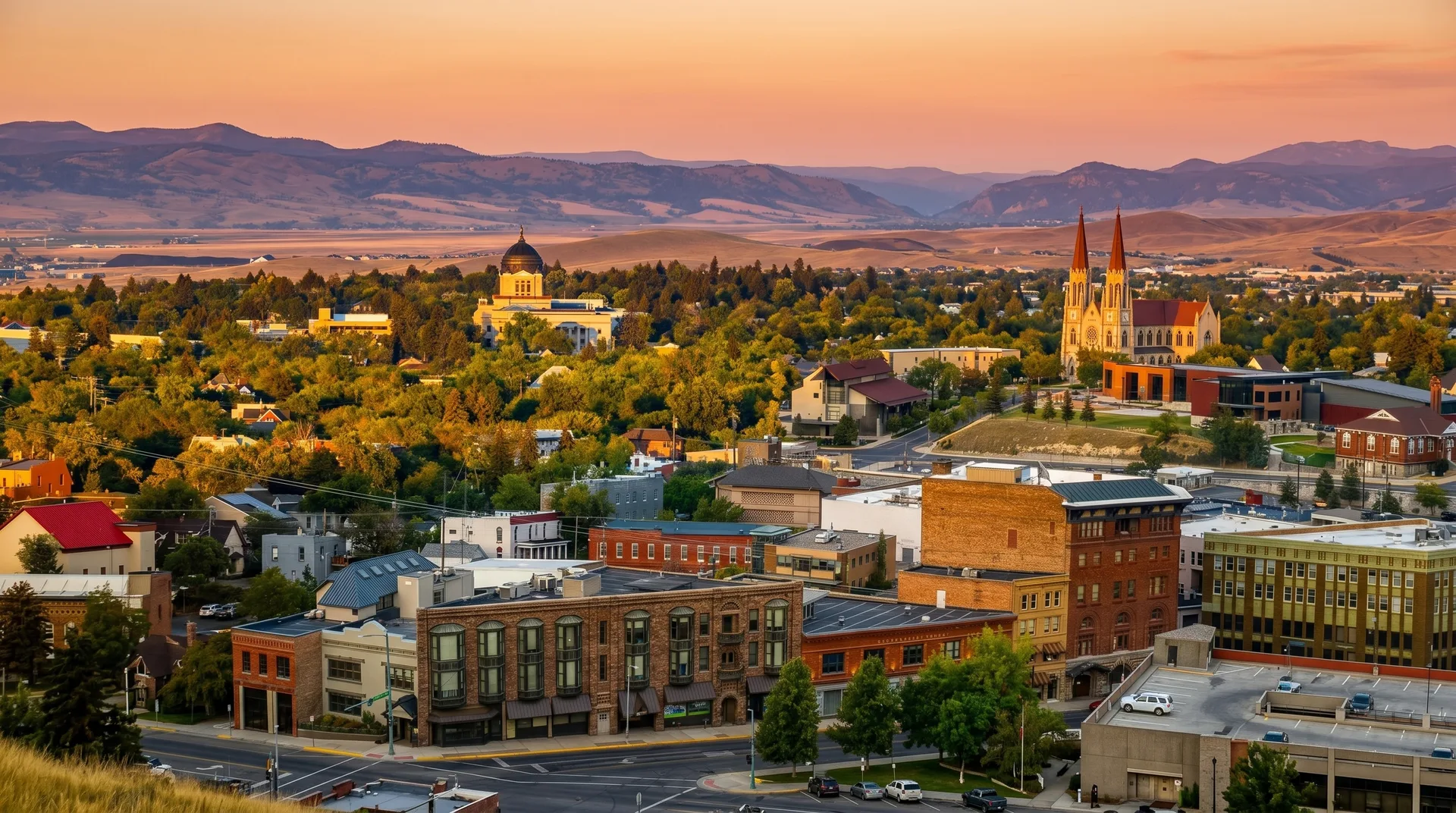
Helena
Helena, Montana functions as the state capital and a key logistics center for the Northern Rockies region. Located in the western part of Montana along Interstate 15, Helena provides access to the state's rich natural resources, agricultural lands, and growing technology sectors. The city's economy encompasses government services, healthcare, manufacturing, and tourism, with strong connections to the surrounding rural communities that depend on reliable freight transportation for their operations. Helena's position makes it a natural distribution point for goods destined for Montana and neighboring states including Idaho, Wyoming, and the Dakotas.
The transportation infrastructure supporting Helena includes Helena Regional Airport, rail connections via Montana Rail Link, and access to Interstate 15 and U.S. Route 12. The city's location provides relatively direct access to major mining operations, agricultural areas, and energy production facilities throughout Montana. While Helena experiences seasonal weather variations that can impact transportation, the region's infrastructure is well-equipped to handle freight movements year-round, with specialized equipment available for winter operations when necessary.










