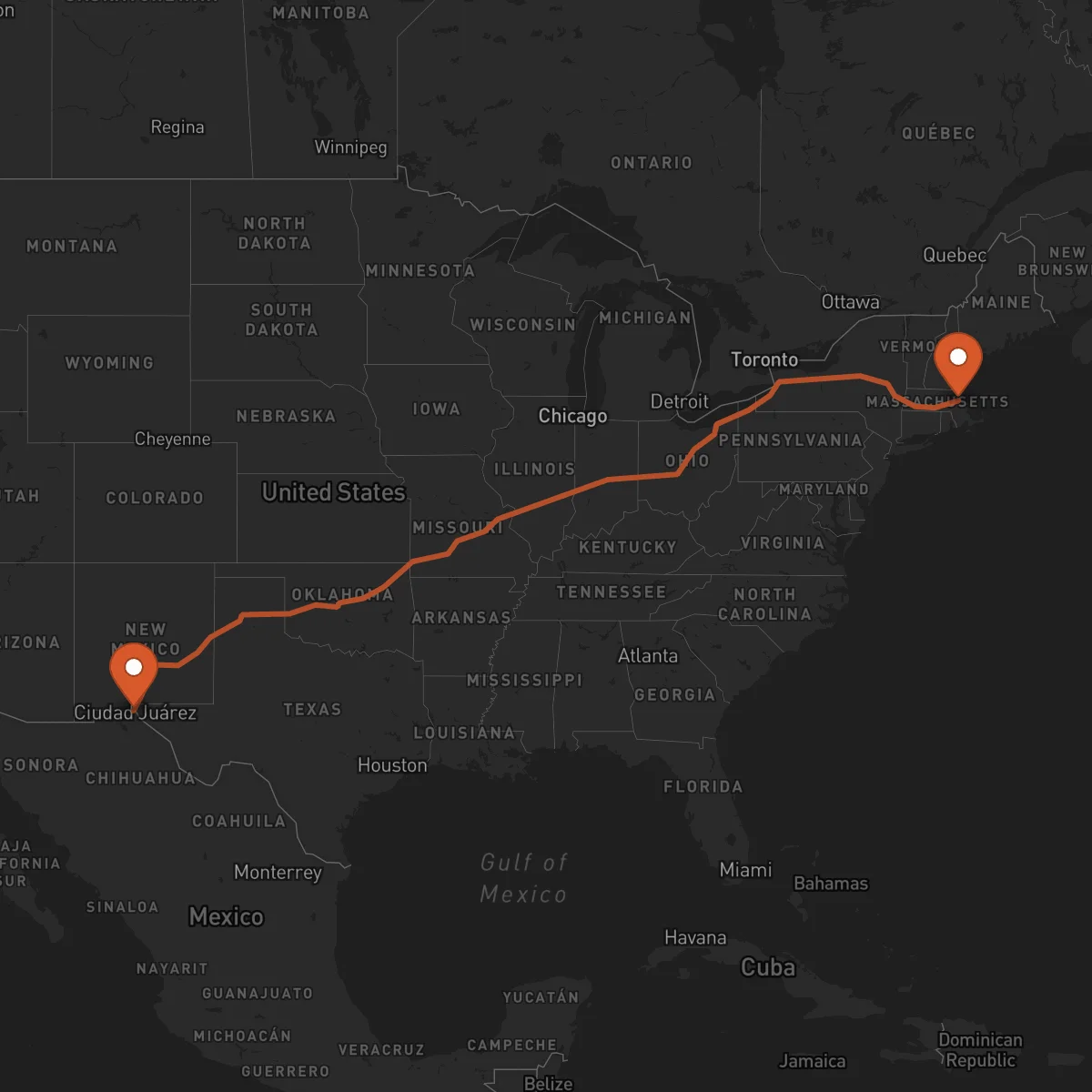
El Paso to Boston
Boston → El PasoFTL freight transportation service between El Paso and Boston. Reliable logistics solutions for your business.
Route Description
Everything you need to know about the corridor El Paso - Boston
The El Paso to Boston corridor represents a vital logistics connection across the United States, spanning 3,328 kilometers from the Texas-Mexico border to the historic port city of Boston. This transcontinental route traverses diverse landscapes and connects major economic centers, serving as a critical artery for freight movement between the Southwest and the Northeast. The corridor links two distinct economic regions, facilitating the flow of goods from the manufacturing and industrial hubs of Texas and the Southwest to the sophisticated markets and manufacturing centers of the Northeast.
The economic significance of this corridor cannot be overstated. El Paso serves as a major gateway for international trade with Mexico, while Boston anchors a robust New England economy known for its technology, education, healthcare, and advanced manufacturing sectors. This route supports industries ranging from automotive and electronics to pharmaceuticals and consumer goods, with manufacturing facilities, distribution centers, and retail operations relying on efficient freight transportation to maintain their supply chains.
Transportation infrastructure along this corridor includes major interstate highways such as I-10, I-20, I-40, I-81, and I-90, providing reliable connectivity across multiple states. Control Terrestre leverages this extensive highway network to provide seamless FTL transportation services, ensuring that freight moves efficiently from origin to destination. Our experienced carriers navigate this complex route with precision, offering dedicated transportation solutions that meet the specific needs of businesses operating along this strategic corridor.
Services for this Route
Available services for the corridor El Paso - Boston
 Origin
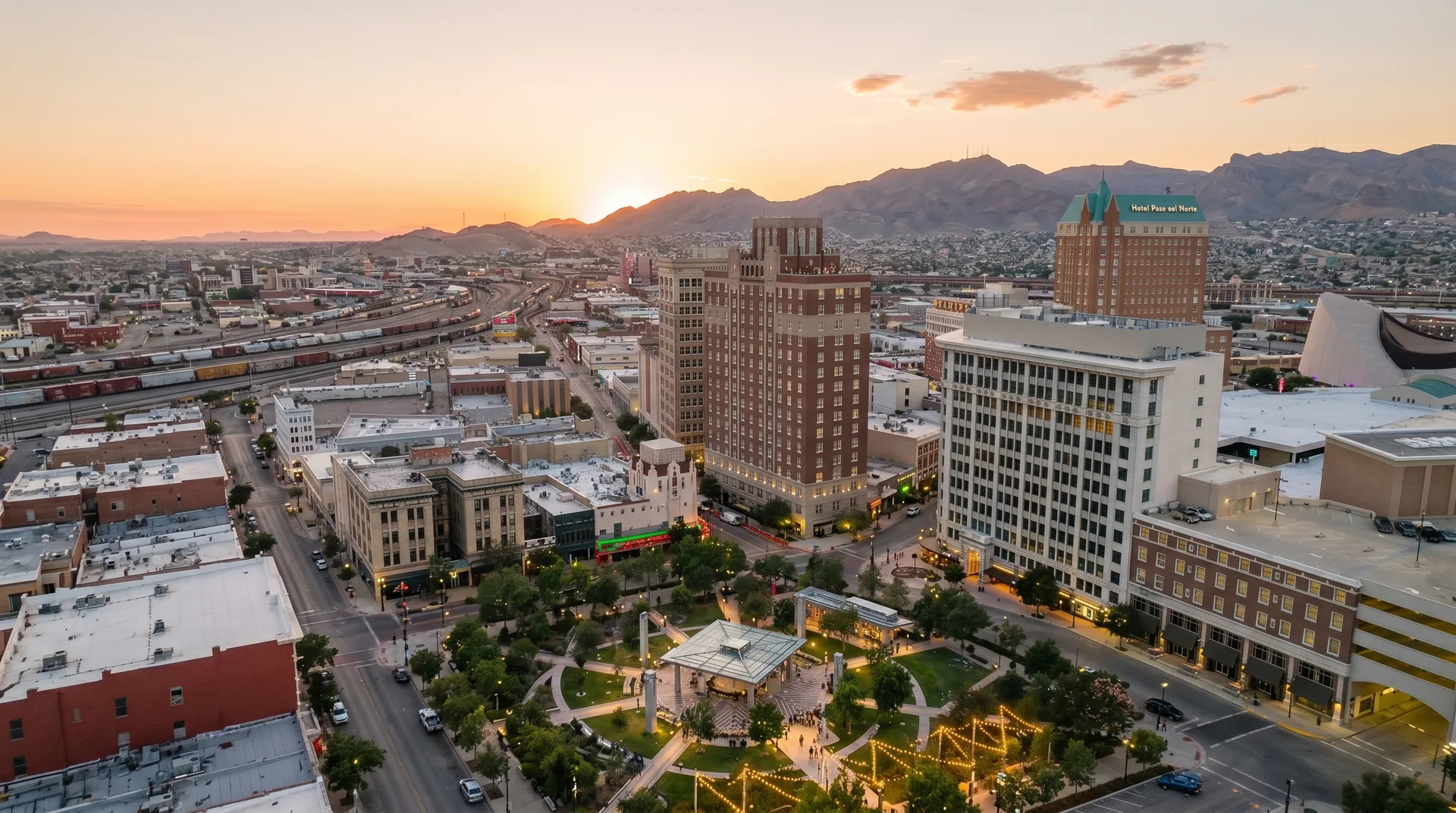
El Paso
El Paso, Texas stands as a strategic logistics hub at the U.S.-Mexico border, serving as a critical gateway for international trade. The city's location provides immediate access to the Juarez-El Paso binational metropolitan area, one of the largest cross-border regions in the world. El Paso's economy is anchored by international trade, military installations, healthcare, and manufacturing, with a strong presence of logistics and transportation companies that support the region's role as a distribution center for goods moving between the United States and Mexico.
The city boasts extensive transportation infrastructure, including the El Paso International Airport, Union Pacific and BNSF rail facilities, and multiple interstate highways including I-10, which runs coast-to-coast. The Zaragoza Port of Entry and other border crossings facilitate the movement of freight between the two countries. This infrastructure, combined with the city's proximity to major Mexican industrial centers, makes El Paso an ideal origin point for freight transportation to destinations across the United States.
 Destination
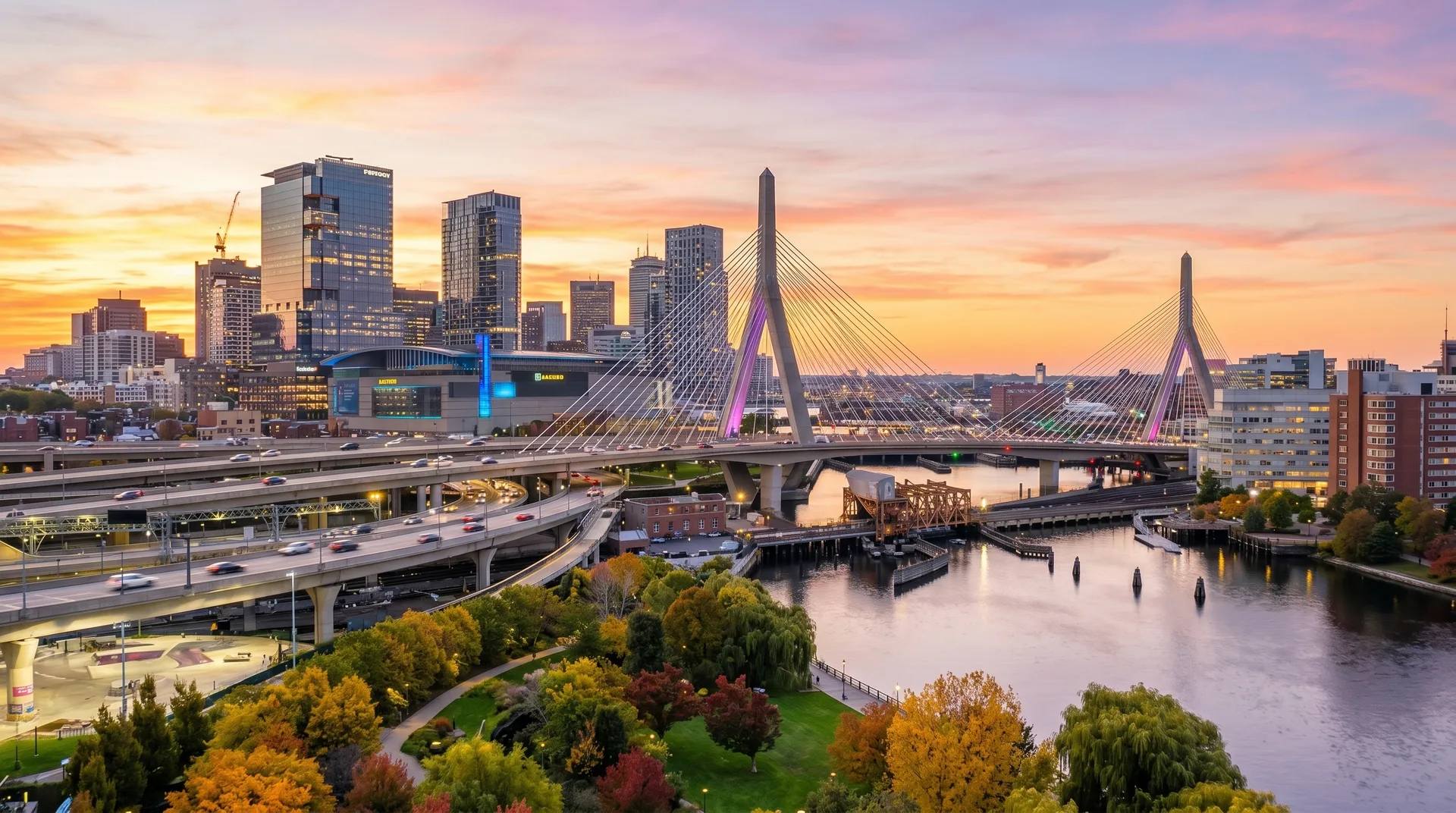
Boston
Boston, Massachusetts serves as a strategic logistics center in the Northeast, combining its historic port with modern transportation infrastructure. As one of the oldest cities in the United States, Boston has evolved into a major economic powerhouse with strengths in education, healthcare, biotechnology, finance, and advanced manufacturing. The Greater Boston area is home to numerous universities, research institutions, and technology companies, creating a sophisticated market that demands reliable and efficient freight transportation services.
The city's transportation infrastructure includes Logan International Airport, the Port of Boston, and extensive highway connections via I-90 and I-93. The surrounding region features a network of interstate highways that connect Boston to other major Northeast cities, facilitating the movement of goods throughout New England and beyond. Boston's role as a distribution center for the region, combined with its concentration of high-value industries, creates consistent demand for specialized freight transportation services, particularly for time-sensitive and high-value cargo moving from across the country.










