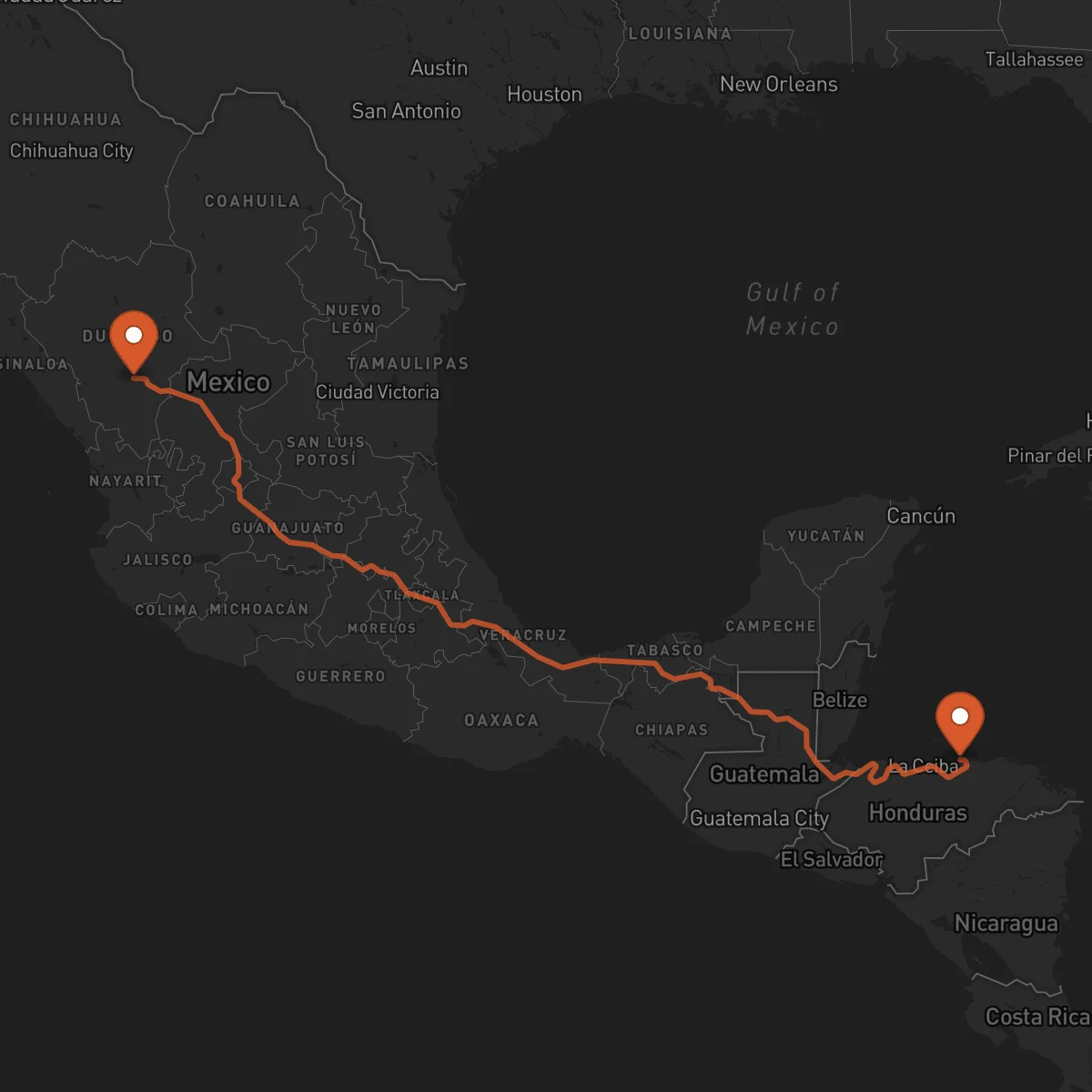
Durango to Trujillo
Trujillo → DurangoFTL freight transportation service between Durango and Trujillo. Reliable logistics solutions for your business.
Route Description
Everything you need to know about the corridor Durango - Trujillo
The Durango to Trujillo corridor represents a vital north-south artery connecting the industrial heartland of northern Mexico with the Caribbean gateway of Honduras. This strategic 2,150 km cross-border route is essential for manufacturers and exporters requiring reliable, full truckload (FTL) movement of goods between these key economic zones. It facilitates the flow of raw materials inbound to Mexico's manufacturing sector and finished products outbound to Central American markets and beyond via the port of Trujillo.
Economically, the corridor bridges diverse industrial ecosystems. Durango is a powerhouse in mining, automotive parts, and general manufacturing, while the Honduran Caribbean coast, centered on Trujillo, is crucial for agriculture (bananas, palm oil), seafood, and growing light industrial assembly. This creates a consistent demand for robust transportation of both raw inputs and finished consumer goods, machinery, and specialized cargo.
The primary infrastructure relies on Mexico's federal highway network, notably Route 40/45 south from Durango towards the border, transitioning through Guatemala via major highways like CA-1, and into Honduras on routes such as CA-13. The critical border crossing is typically between Mexico (Ciudad Hidalgo/Tecún Umán) and Guatemala, requiring meticulous customs coordination. Control Terrestre navigates these complexities through our alliance of certified providers, holding C-TPAT, FAST, and BASC certifications. This ensures streamlined customs clearance, enhanced security protocols, and compliance with all North American and Central American regulations, minimizing delays at the border.
We facilitate seamless operations on this corridor by leveraging our dedicated network of carriers experienced in long-haul international routes. Our capabilities include specialized equipment for diverse cargo—from dry van and refrigerated to flatbeds and tankers—ensuring we meet the specific needs of industries like agribusiness, manufacturing, and hazardous materials transport. By managing the entire door-to-door process, including cross-border documentation and coordination, we provide a single point of contact for a complex journey, optimizing your supply chain reliability from Durango's factories to Trujillo's port.
Services for this Route
Available services for the corridor Durango - Trujillo
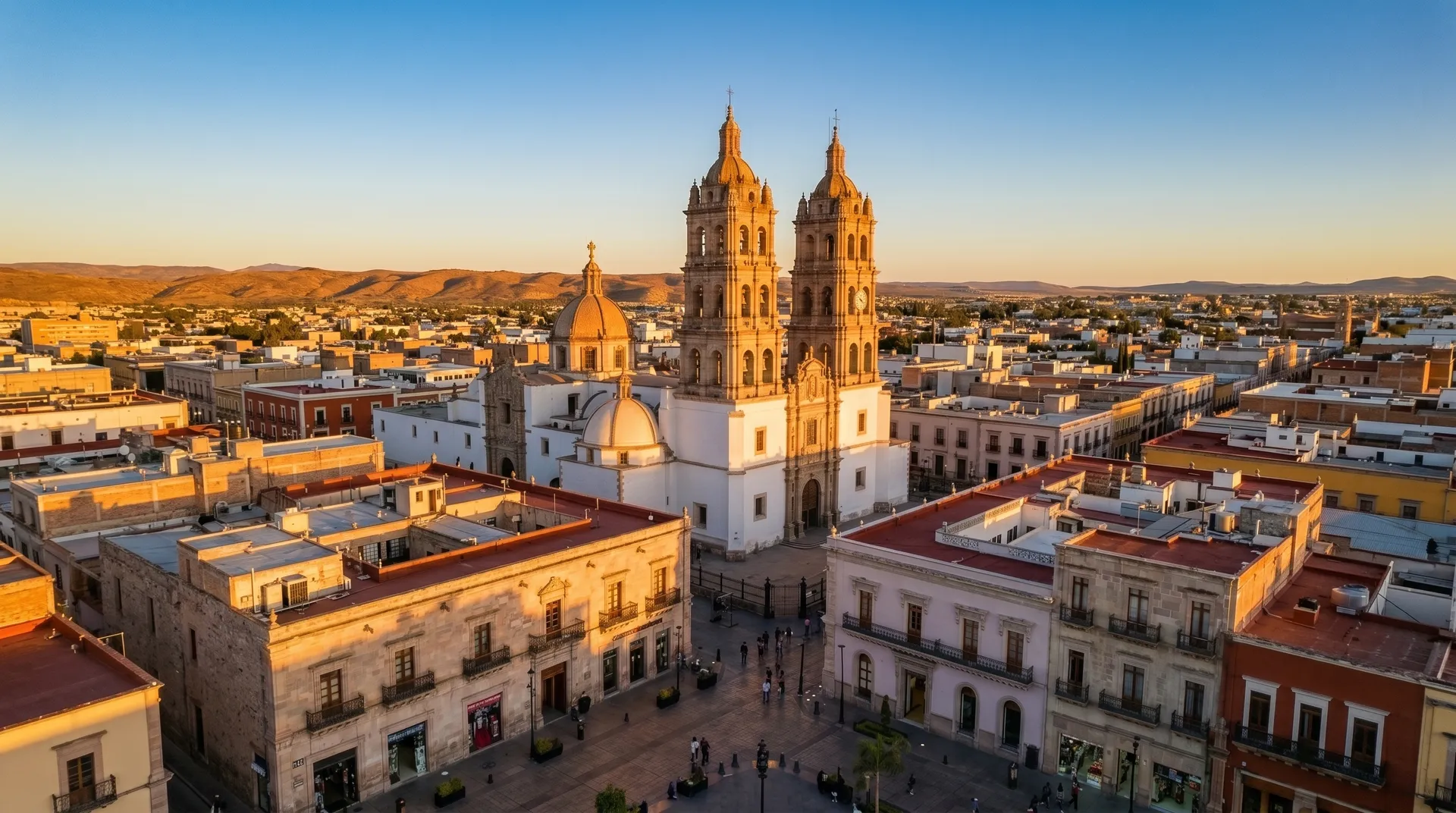 Origin
Durango, the capital of the state of Durango, is a strategic logistics hub in northern Mexico due to its central position within the country's industrial corridor. It serves as a critical manufacturing and mining center, with strong production in automotive components, steel, and electronics. The city is well-connected by major federal highways, notably Route 40 and Route 45, which provide direct access south to Mexico City and north to the U.S. border (El Paso). This infrastructure, combined with rail connections, makes it an optimal origin point for distributing goods across Mexico and internationally. Its established industrial base generates consistent freight volume requiring efficient FTL solutions to connect production facilities with national and export markets.
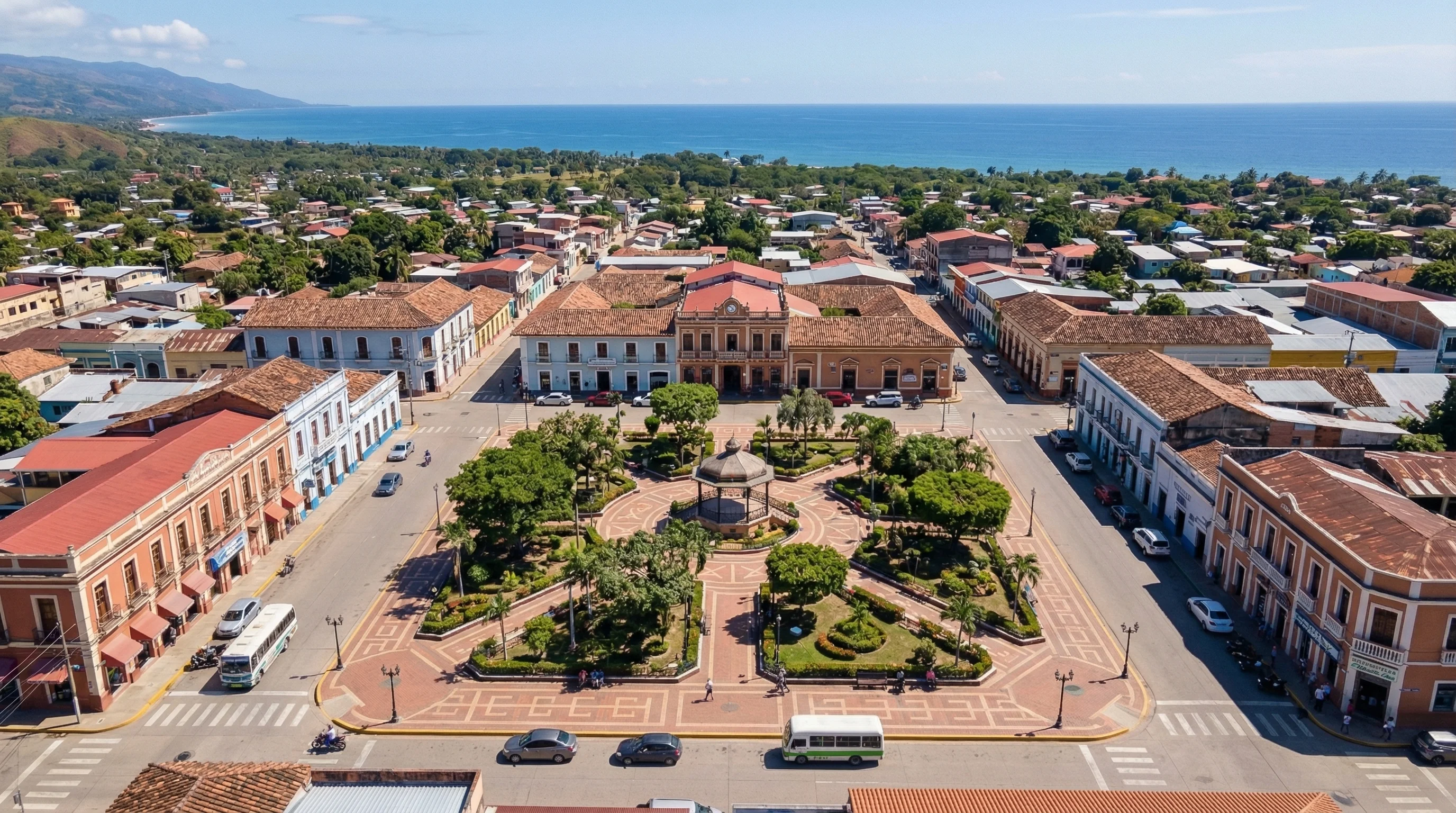 Destination
Trujillo, located on Honduras's Caribbean coast in Colón province, is a pivotal logistics destination primarily due to its deep-water port, Puerto de Trujillo. This port is a major gateway for international trade in Central America, handling significant volumes of agricultural exports (bananas, pineapple), imported goods, and general cargo. The city's economy is bolstered by tourism, agriculture, and light industry. Key infrastructure includes the port itself and Highway CA-13, which connects Trujillo inland to the Honduran capital, Tegucigalpa, and integrates with the Central American highway network (CA-1). This makes it an essential terminus for cross-border freight from Mexico and a transshipment point for the region, demanding reliable FTL services for both import distribution and export consolidation.










