Durango to San Miguel
San Miguel → DurangoFTL freight transportation service between Durango and San Miguel. Reliable logistics solutions for your business.
Route Description
Everything you need to know about the corridor Durango - San Miguel
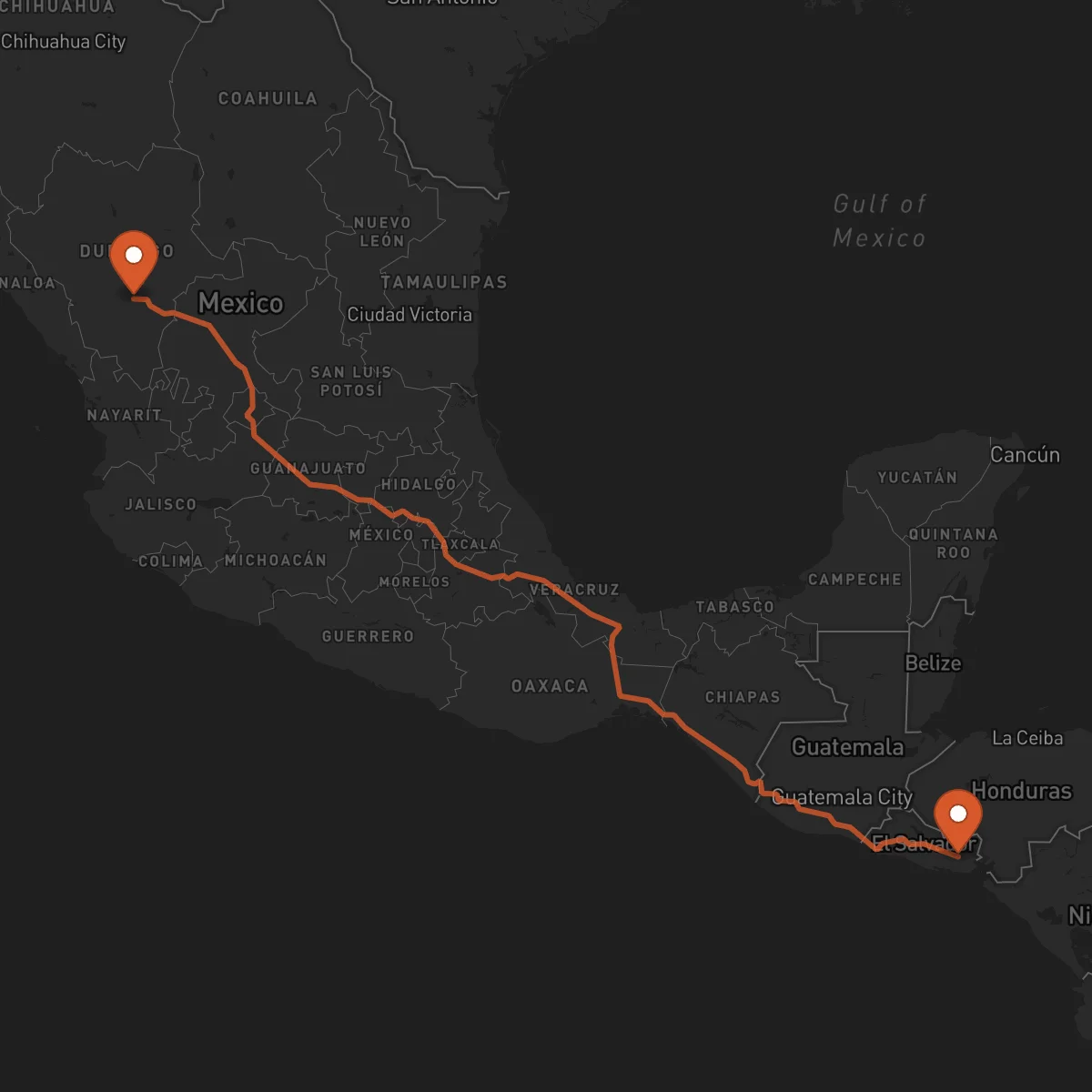
The Durango to San Miguel corridor represents a vital north-south logistics artery connecting the industrial heartland of northern Mexico with the commercial and agricultural hubs of eastern El Salvador. Spanning approximately 2,091 kilometers, this cross-border route is a strategic conduit for trade within the North American and Central American region, facilitating the movement of goods under frameworks like USMCA and regional integration agreements. Its importance is underscored by the flow of raw materials, manufactured products, and agricultural commodities that sustain supply chains across multiple countries.
Economically, the corridor links diverse industrial zones. Durango is a major source of mining outputs, automotive parts, and general manufacturing, while the destination region around San Miguel is a critical agricultural producer and commercial distribution point for El Salvador and neighboring countries. Key industries leveraging this route include agribusiness (coffee, sugar, grains), food and beverage processing, construction materials, and industrial manufacturing. The consistent demand for full truckload (FTL) capacity highlights the corridor's role in moving high-volume, time-sensitive freight efficiently.
Transportation infrastructure relies on a network of major highways. In Mexico, Federal Highway 40 connects Durango City to the southern border at Ciudad Hidalgo/Guatemala. From there, the Central American highway system (CA routes) traverses Guatemala and El Salvador, with the final stretch utilizing El Salvador's RN-4 and other primary roads to San Miguel. Critical border crossings include Ciudad Hidalgo/Tecún Umán (Mexico-Guatemala) and the subsequent Guatemala-El Salvador crossing at La Hacienda/El Poy. Navigating these crossings requires expertise in customs documentation, compliance with each nation's regulations, and coordination with authorities. Control Terrestre facilitates seamless operations on this complex corridor through our strategic alliance of carriers possessing essential certifications like C-TPAT, FAST, and BASC. Our team manages the intricate cross-border documentation, customs brokerage coordination, and provides dedicated FTL capacity, ensuring cargo moves securely and efficiently from origin to final destination without the delays common in consolidated freight.
Our exclusive focus on full truckload services means we provide direct, non-stop transit for your dedicated shipment. We match your specific cargo—whether standard dry van, refrigerated, oversized, or specialized—with appropriately equipped carriers from our vetted network. This corridor's length and multiple border crossings demand experienced partners; we ensure compliance at every stage, leveraging our providers' valid operating authorities and safety protocols across all three countries. By handling the logistical complexities, from Mexican export procedures to Salvadoran import clearance, we allow you to focus on your business while we optimize your supply chain's reliability on this strategic international route.
Services for this Route
Available services for the corridor Durango - San Miguel
 Origin
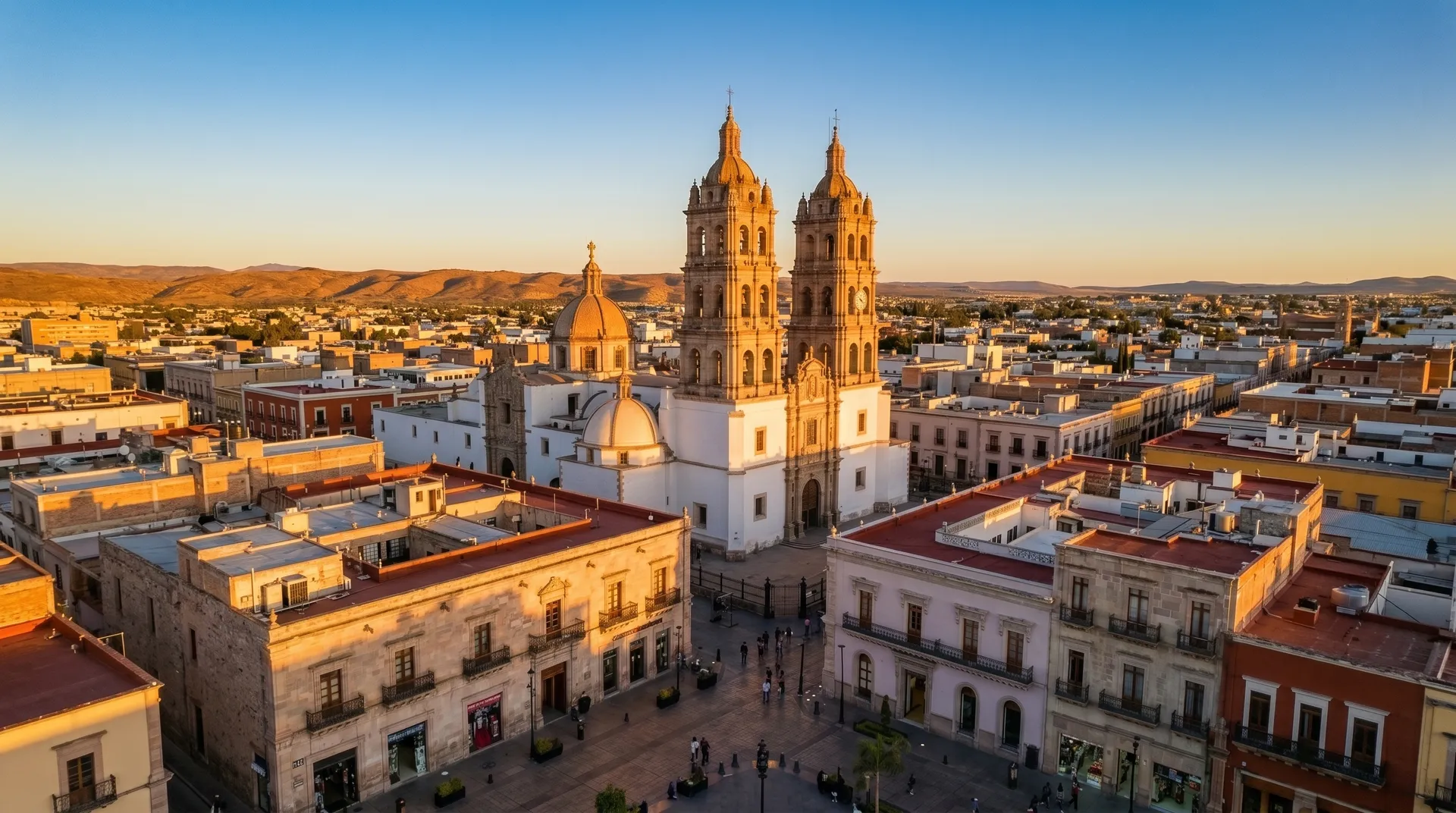
Durango, the capital of the state of Durango, Mexico, is a pivotal logistics hub in northern Mexico, strategically positioned along major north-south and east-west transportation corridors. Its location provides direct access to the U.S. border via Chihuahua and to central Mexico via Highway 40, making it an ideal origin point for goods destined for Central America. The city is supported by a robust infrastructure network, including the Durango International Airport (DGO) for air cargo and key rail lines operated by major carriers, complementing its extensive highway system for efficient multimodal connections.
The regional economy is dominated by robust industrial and mining sectors. Durango is historically one of Mexico's top mining states, producing significant volumes of gold, silver, and iron ore. Beyond mining, the area has a strong manufacturing base focused on automotive parts, food processing, and metal mechanics. This industrial output generates consistent demand for outbound freight, particularly FTL shipments of raw materials, component parts, and finished goods requiring secure, direct transport to southern markets.
For freight transportation, Durango boasts excellent highway infrastructure. Federal Highway 40 is the primary artery, offering a direct, four-lane route south to the border at Ciudad Hidalgo. This well-maintained corridor is crucial for time-sensitive shipments. The city is also a nexus for regional distribution, with numerous logistics parks and carrier terminals providing ample capacity for loading and dispatching full truckloads. This combination of economic activity and infrastructure solidifies Durango's role as a key starting point for long-haul, cross-border freight operations into Central America.
 Destination
San Miguel
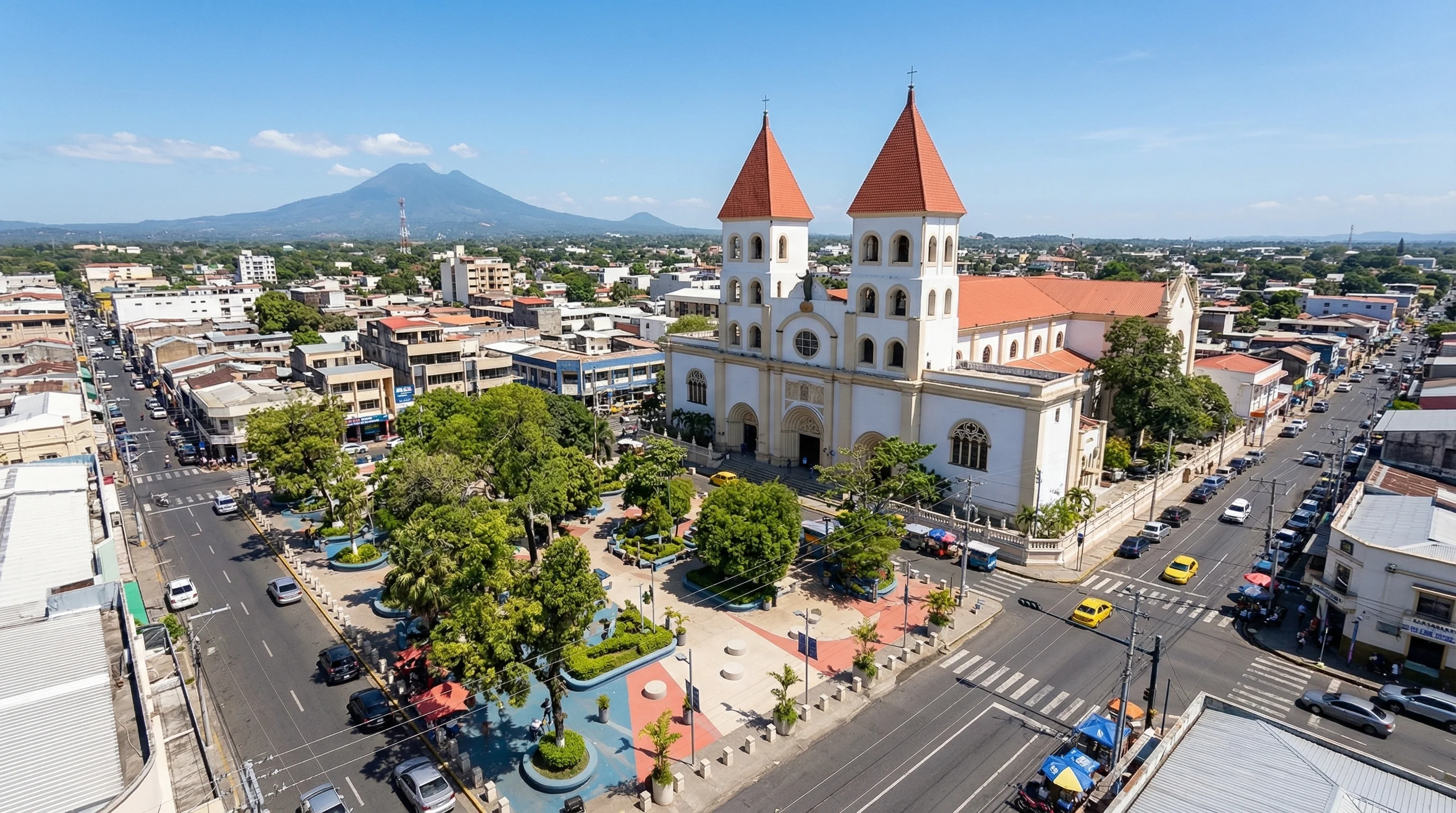
San Miguel, located in eastern El Salvador, serves as a major commercial and agricultural gateway for the region. Its strategic importance stems from its central position within El Salvador's primary agricultural zone and its connectivity to the broader Central American highway network. The city acts as a critical distribution center for goods entering El Salvador from the north and for exports flowing south, supported by its access to the Port of La Libertad via well-maintained highways. This makes it a natural terminus for international freight corridors like the one from Durango.
The economic landscape of San Miguel and its surrounding department is heavily influenced by agriculture and commerce. It is a leading producer of staple crops such as coffee, sugar cane, and grains, alongside livestock. The area also hosts significant industrial activity, including food and beverage processing plants, textile manufacturing, and construction materials production. These sectors rely on a steady inflow of raw materials, packaging, and machinery, and generate substantial outbound volume of finished agricultural and industrial products, all typically requiring reliable FTL transportation.
Transportation infrastructure is key to its logistics function. San Miguel is directly connected to the Pan-American Highway (CA-1), which links it to the Guatemalan border and the rest of the Central American isthmus. National Highway RN-4 provides a direct, efficient route from the border through San Miguel and onward to the capital, San Salvador, and the Pacific ports. The city features developed logistics areas with services for truck maintenance, warehousing, and cross-docking, essential for managing the final stages of international freight. This road-centric infrastructure is perfectly suited for full truckload deliveries, ensuring cargo from Mexico can reach final consignees in the region with minimal handling.










