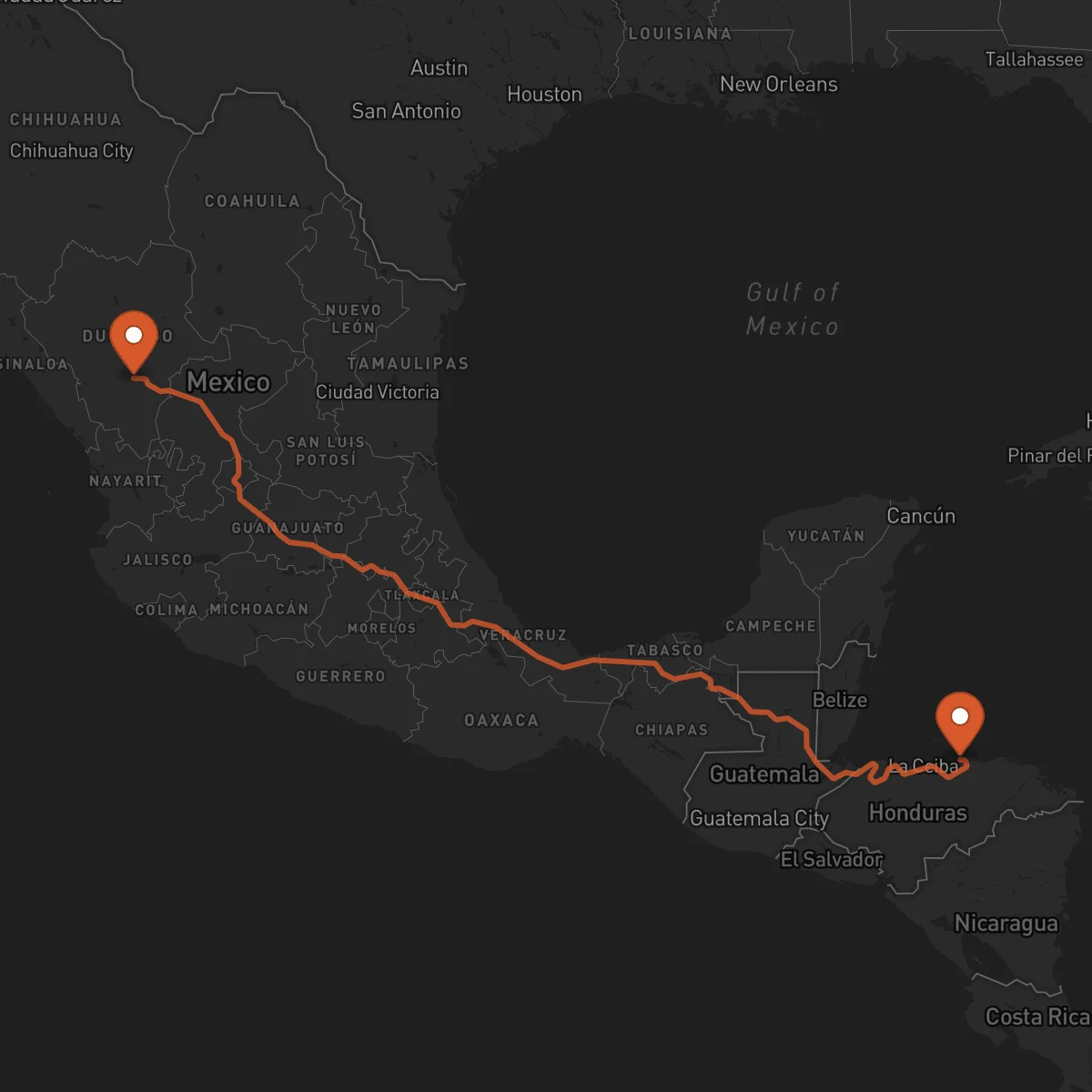
Trujillo to Durango
Durango → TrujilloFTL freight transportation service between Trujillo and Durango. Reliable logistics solutions for your business.
Route Description
Everything you need to know about the corridor Trujillo - Durango
The Trujillo, Honduras to Durango, Mexico corridor represents a vital north-south logistics artery, bridging the Caribbean coast of Central America with the industrial heartland of Northern Mexico. Spanning approximately 2,150 km, this cross-border route is strategically essential for moving goods efficiently between two significant economic zones. It facilitates the flow of raw materials inbound to Mexico's manufacturing sector and exports of finished products and agricultural commodities from the region, underpinning supply chains that require reliable, long-haul capacity. The corridor's importance is magnified by its role in connecting Honduran port infrastructure directly to Durango's robust industrial base, bypassing more congested routes and offering a direct line for full truckload (FTL) cargo.
Economically, the regions served by this corridor are diverse and complementary. The origin area around Trujillo is heavily influenced by agriculture and port-related activities, while Durango is a powerhouse in mining, automotive manufacturing, and agriculture. Key industries leveraging this route include agricultural exporters (bananas, palm oil, coffee), automotive parts manufacturers, mining equipment suppliers, and consumer goods distributors. The consistent demand from these sectors requires a transportation partner with deep expertise in cross-border regulations and long-distance haulage.
The primary infrastructure backbone consists of Honduras' CA-5 highway, transitioning through Guatemala before entering Mexico via the Agua Zarca or El Florido border crossings. Once in Mexico, the route predominantly utilizes the Mexican Federal Highway 45 and 40, which are well-maintained toll roads (autopistas) crucial for maintaining transit integrity over the long distance. Navigating the customs process at the Central America-Mexico border is a critical operational node, requiring precise documentation and compliance with programs like C-TPAT and FAST to ensure seamless transit. Control Terrestre facilitates operations on this corridor by leveraging our alliance of certified carriers who are experts in this specific route. We provide dedicated FTL capacity, managing the complex cross-border documentation and customs brokerage coordination through our partners' certifications (including BASC and FAST). Our access to specialized equipment—such as 53' dry vans for general cargo, flatbeds for industrial equipment, and refrigerated units for perishables—ensures we can match the specific needs of the corridor's dominant industries, providing a single point of contact for a seamless door-to-door experience.
Services for this Route
Available services for the corridor Trujillo - Durango
 Origin
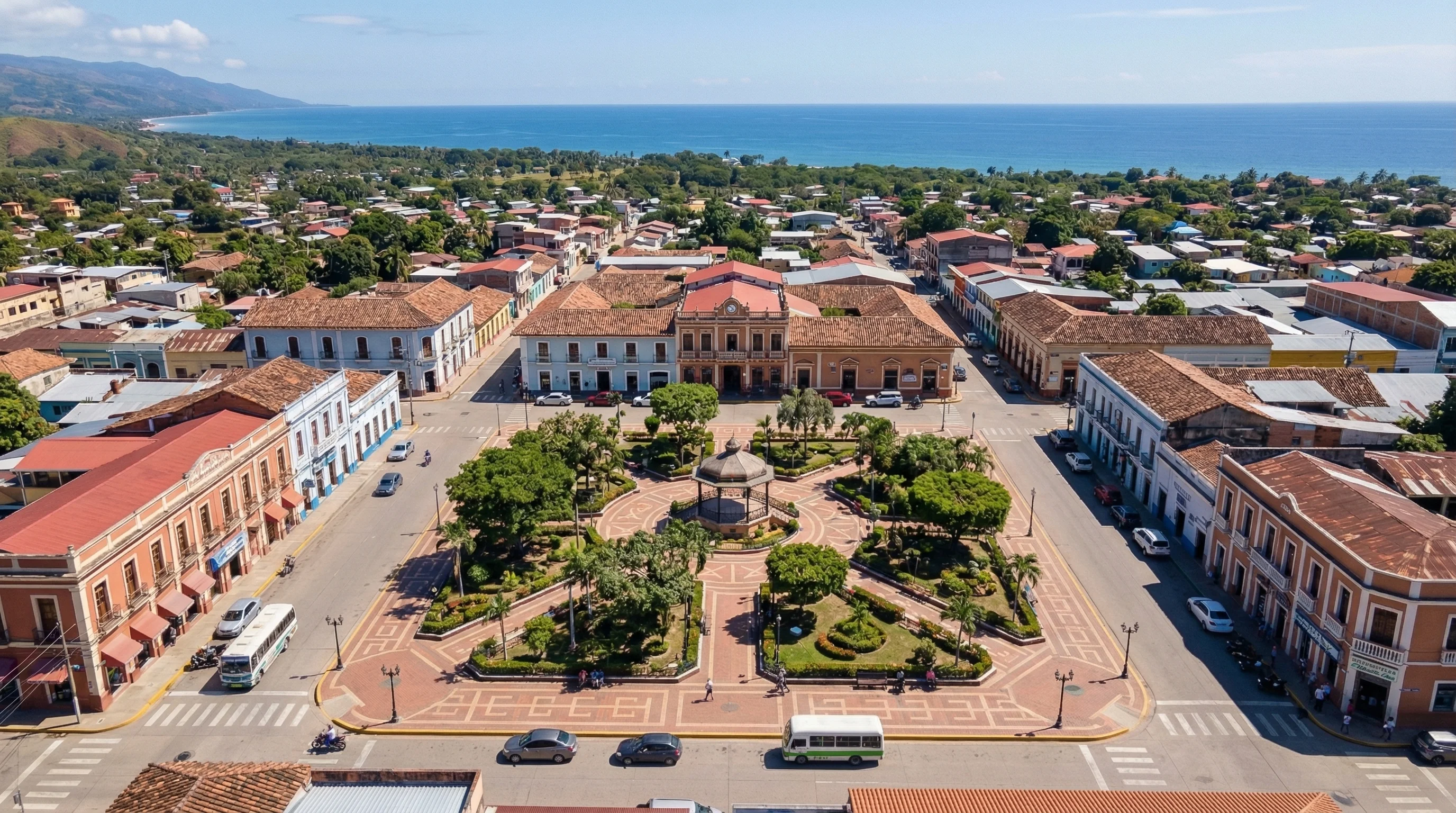
Trujillo, located in the Colón department of Honduras, is a strategically significant Pacific logistics gateway for Central America. Its primary advantage is the presence of a major port facility, which serves as a critical import/export hub for Honduras and neighboring countries, handling a substantial volume of containerized and bulk cargo. This port-centric location makes Trujillo a natural origin point for land-based freight destined for North America. The local and regional economy is anchored by agriculture, particularly banana and palm oil plantations, along with shrimp farming and light manufacturing. The city is well-connected by the CA-5 highway, which is the main terrestrial artery running north-south through Honduras, linking it directly to the Guatemalan border and onward to the Mexican frontier. This infrastructure is fundamental for aggregating cargo from the agricultural valleys and port terminals for long-haul trucking.
 Destination
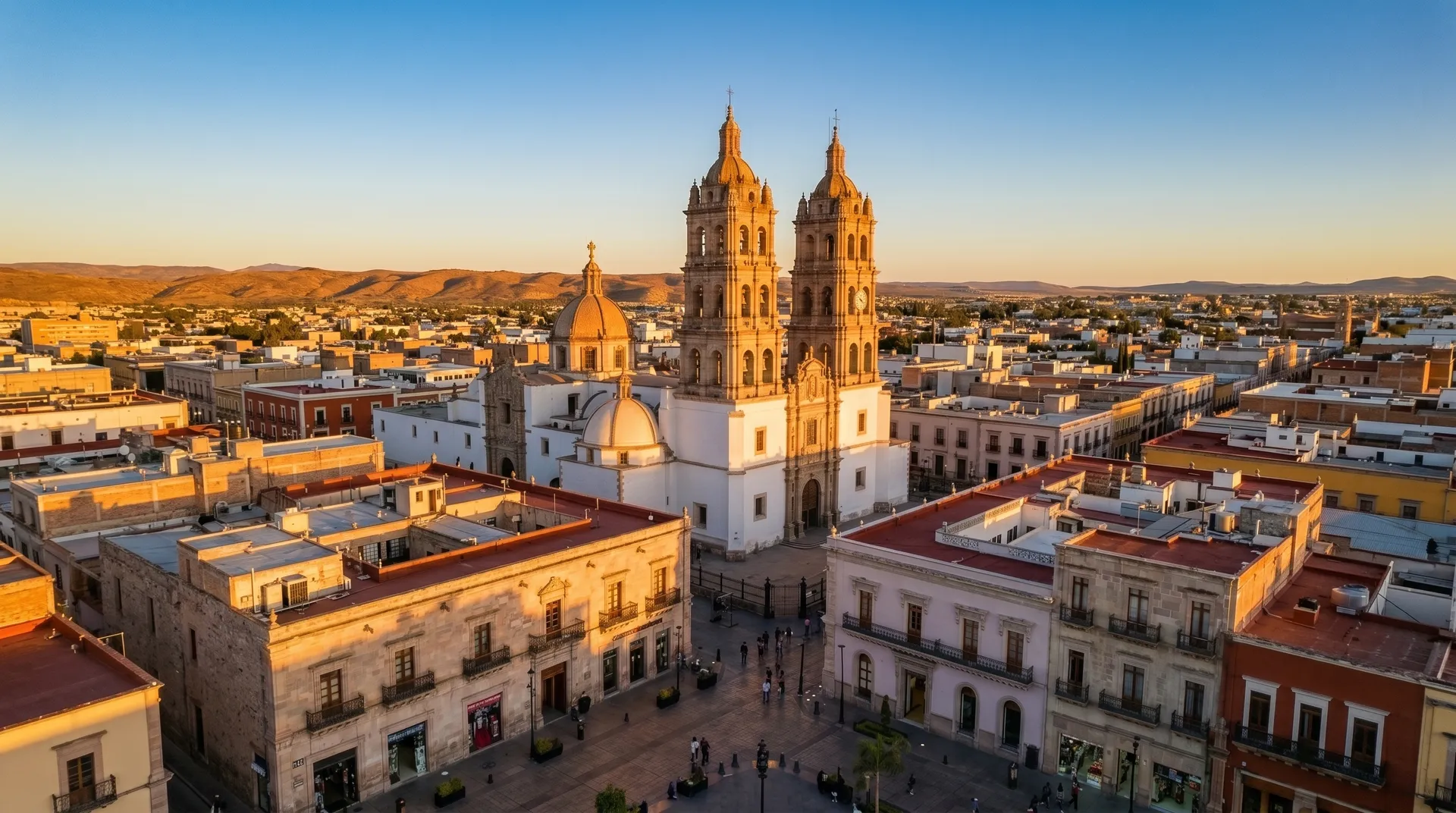
Durango, the capital of the state of Durango, Mexico, is a pivotal industrial and distribution hub in Northern Mexico. Its strategic location is defined by its connectivity to the U.S. border via major federal highways and its position within Mexico's 'Bajío' industrial corridor extension. The state's economy is dominated by mining (gold, silver, iron), which generates significant demand for transporting heavy machinery, equipment, and extracted materials. Additionally, Durango has a growing automotive sector with assembly and parts plants, a robust furniture manufacturing industry, and is a major producer of lumber and agricultural goods like apples and corn. The city is a key logistics node with excellent highway infrastructure, primarily Federal Highway 45, which provides a direct, high-capacity route to the U.S. border at Ciudad Juárez/El Paso and connects east-west via Highway 40 to the Pacific port of Mazatlán. This multi-directional highway network supports efficient distribution to and from the U.S., as well as within Mexico.










