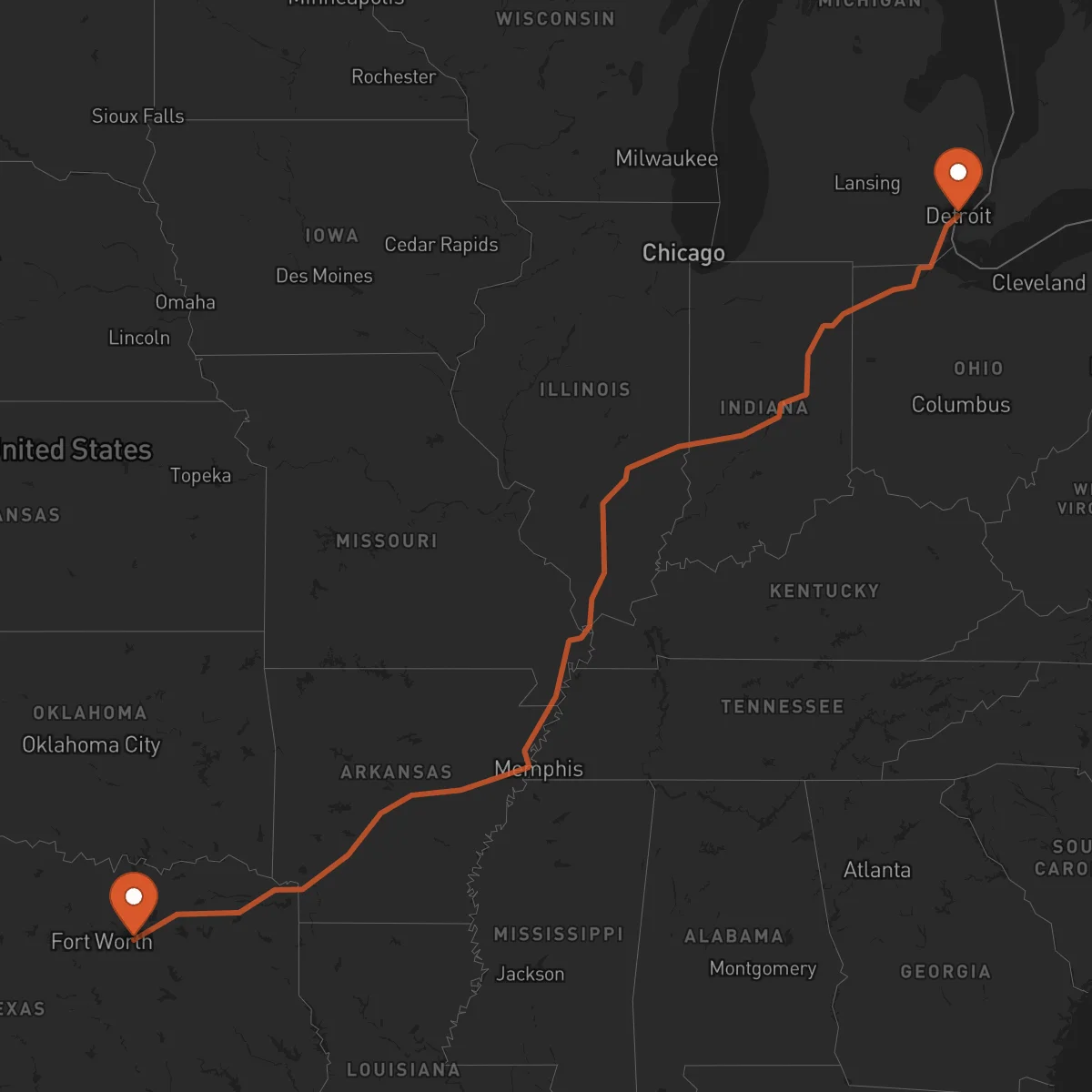
Detroit to Dallas
Dallas → DetroitFTL freight transportation service between Detroit and Dallas. Reliable logistics solutions for your business.
Route Description
Everything you need to know about the corridor Detroit - Dallas
The Detroit-Dallas corridor represents one of the most important freight transportation routes in the central United States, connecting the industrial Midwest with the dynamic business hub of Texas. This 1,608 km route traverses key states including Michigan, Indiana, Illinois, Missouri, and Arkansas before reaching Texas, facilitating the movement of goods between two major economic regions. The corridor serves as a vital link in the North American supply chain, enabling companies to efficiently transport goods between the automotive and manufacturing powerhouse of Detroit and the diverse industrial base of Dallas.
The economic significance of this route is substantial, with Detroit serving as a global center for automotive manufacturing and Dallas emerging as a major hub for technology, telecommunications, and logistics. Companies operating along this corridor benefit from the complementary industrial strengths of both regions, with automotive parts, manufacturing equipment, and finished goods flowing in both directions. The route also supports cross-border trade, connecting to major ports and distribution centers that serve the broader North American market.
Control Terrestre leverages this strategic corridor through our network of certified transportation providers, offering reliable full truckload (FTL) services that ensure your cargo moves efficiently between Detroit and Dallas. Our providers maintain C-TPAT certification and adhere to the highest safety standards, providing you with peace of mind for your time-sensitive shipments. Whether you need dedicated service, specialized handling, or expedited delivery, our team coordinates every aspect of your transportation to optimize your supply chain performance along this critical route.
Services for this Route
Available services for the corridor Detroit - Dallas
 Origin
Detroit
Detroit stands as a strategic logistics hub in the Midwest, benefiting from its location near the Canadian border and its extensive transportation infrastructure. The city's position provides direct access to major highways including I-75, I-94, and I-96, creating efficient connections to other key markets across the United States and Canada. Detroit's infrastructure includes the Ambassador Bridge and Detroit-Windsor Tunnel for cross-border operations, as well as the Port of Detroit for maritime shipping, making it a multimodal logistics center.
The economic foundation of Detroit is built on its automotive industry legacy, with major manufacturers and suppliers maintaining significant operations in the region. Beyond automotive, the city has diversified into advanced manufacturing, healthcare, and technology sectors. This industrial diversity creates consistent freight movement, with automotive parts, machinery, and finished products requiring reliable transportation to support just-in-time manufacturing processes and distribution networks.
 Destination
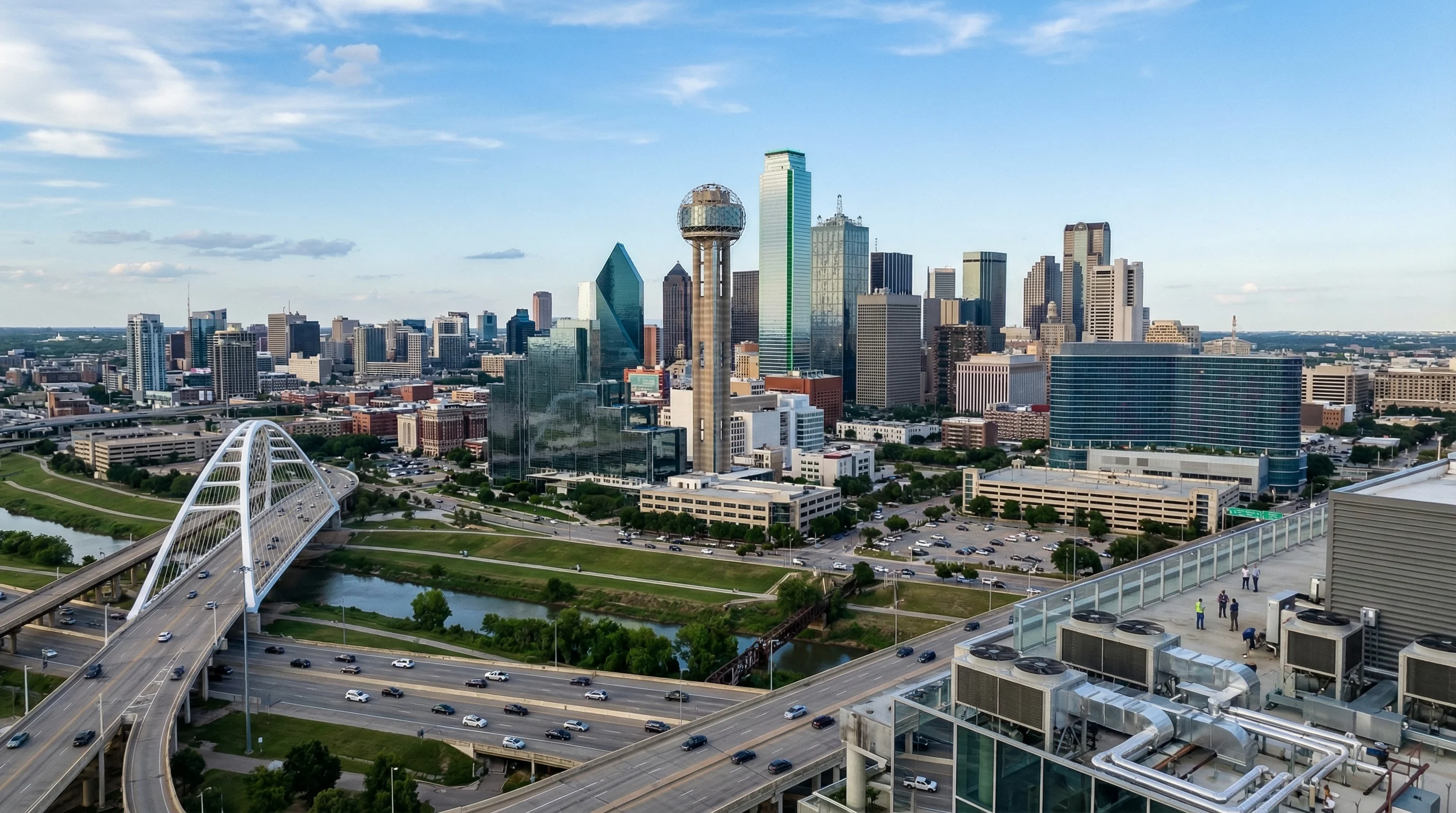
Dallas
Dallas serves as a strategic gateway to the Southwest United States, offering exceptional connectivity through its central location and comprehensive transportation network. The city's infrastructure includes major highways such as I-20, I-30, I-35E, and I-45, providing direct access to markets throughout Texas and neighboring states. Dallas/Fort Worth International Airport and Dallas Love Field support air freight operations, while the city's rail connections and proximity to the Gulf Coast ports enhance its multimodal capabilities.
The Dallas metropolitan area has evolved into a diverse economic powerhouse, with strong presence in technology, telecommunications, healthcare, and logistics sectors. The region hosts numerous corporate headquarters and distribution centers, creating high demand for freight transportation services. Dallas's business-friendly environment and strategic location make it an ideal distribution point for companies serving the southern United States, with the city's infrastructure supporting the efficient movement of goods throughout the region.










