Detroit to Columbia
Columbia → DetroitFTL freight transportation service between Detroit and Columbia. Reliable logistics solutions for your business.
Route Description
Everything you need to know about the corridor Detroit - Columbia
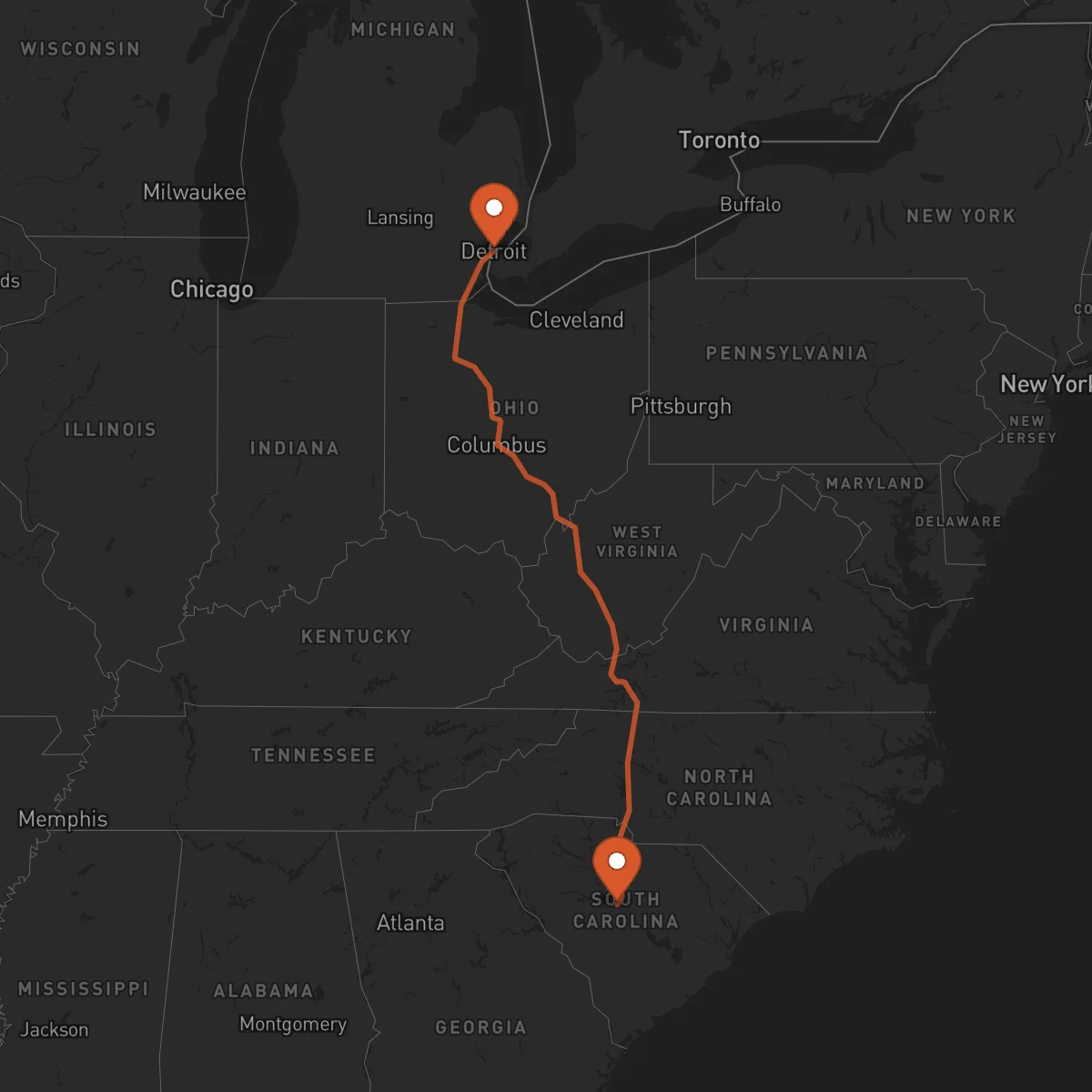
The Detroit to Columbia corridor represents a vital transportation link between the industrial Midwest and the Southeast United States. This 943-kilometer route connects Michigan's automotive manufacturing hub with South Carolina's growing industrial base, facilitating the movement of goods between two economically significant regions. The corridor traverses major metropolitan areas and industrial zones, making it a crucial artery for domestic freight transportation.
The route passes through key states including Ohio, West Virginia, Virginia, and North Carolina, utilizing major interstate highways such as I-75, I-64, and I-77. This strategic path allows for efficient movement of diverse cargo types, from automotive parts and finished vehicles to industrial equipment and consumer goods. The infrastructure along this corridor is well-developed, with multiple truck stops, maintenance facilities, and logistics centers supporting continuous freight movement.
Control Terrestre specializes in providing full truckload (FTL) transportation services along this corridor, offering dedicated solutions for companies shipping between Detroit and Columbia. Our network of certified carriers ensures reliable, timely delivery of your cargo, whether you're transporting automotive components, manufacturing equipment, or other industrial goods. We understand the specific requirements of this route and provide tailored logistics solutions to meet your supply chain needs.
Services for this Route
Available services for the corridor Detroit - Columbia
 Origin
Detroit
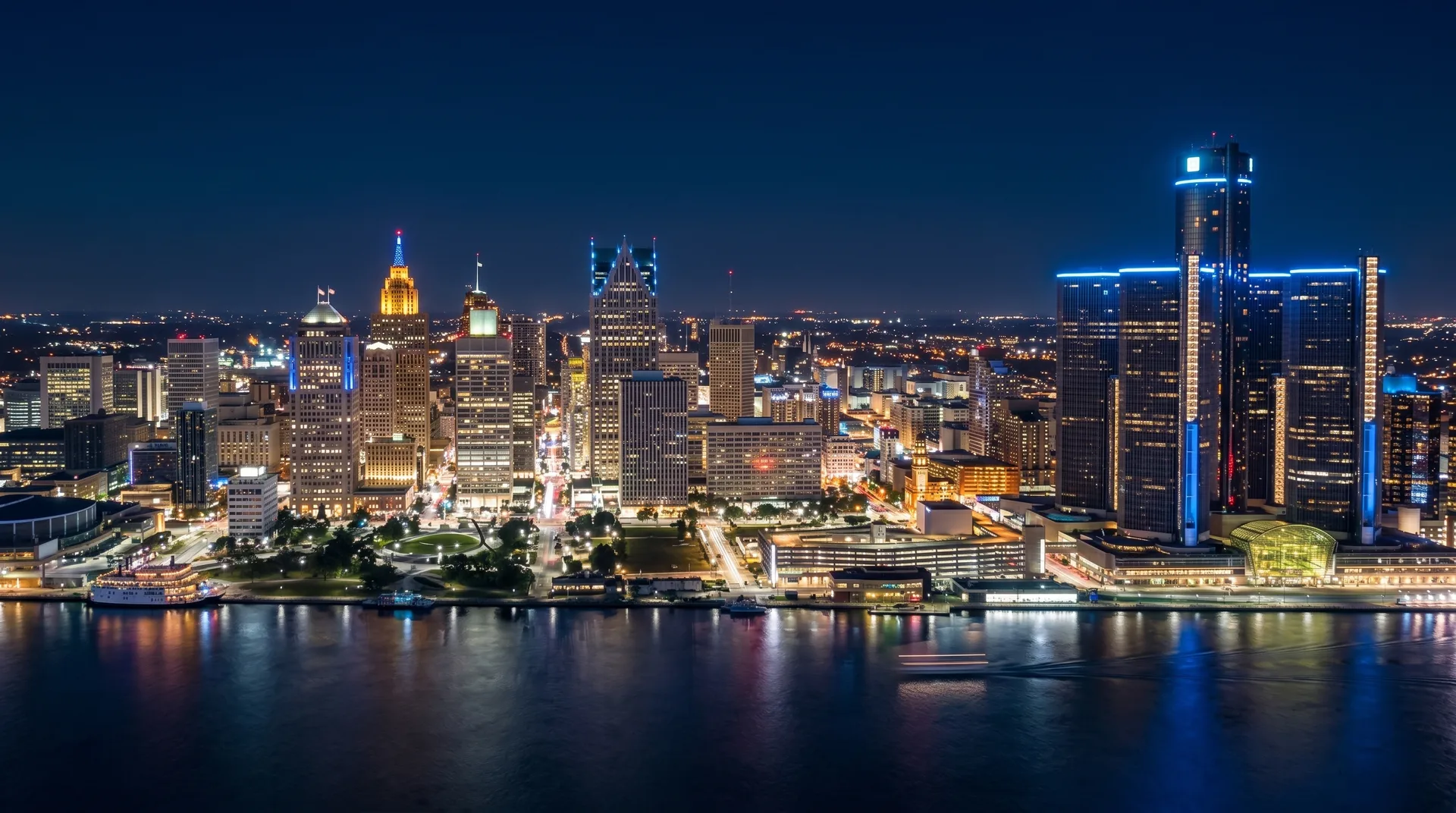
Detroit, Michigan, stands as a major logistics hub in the Midwest, strategically positioned near the U.S.-Canada border and at the heart of America's automotive industry. The city's location provides excellent access to major transportation networks, including I-75, I-94, and I-96, facilitating efficient distribution throughout the region. Detroit's extensive infrastructure includes the Ambassador Bridge, one of the busiest international border crossings, and the Port of Detroit, supporting diverse freight movement.
The region's economy is heavily anchored in automotive manufacturing, with major facilities from Ford, General Motors, and Stellantis. This industrial base creates substantial freight demand for transporting vehicle components, finished automobiles, and related manufacturing equipment. Detroit also hosts a robust network of suppliers, logistics providers, and distribution centers that support both local and cross-border supply chains.
 Destination
Columbia
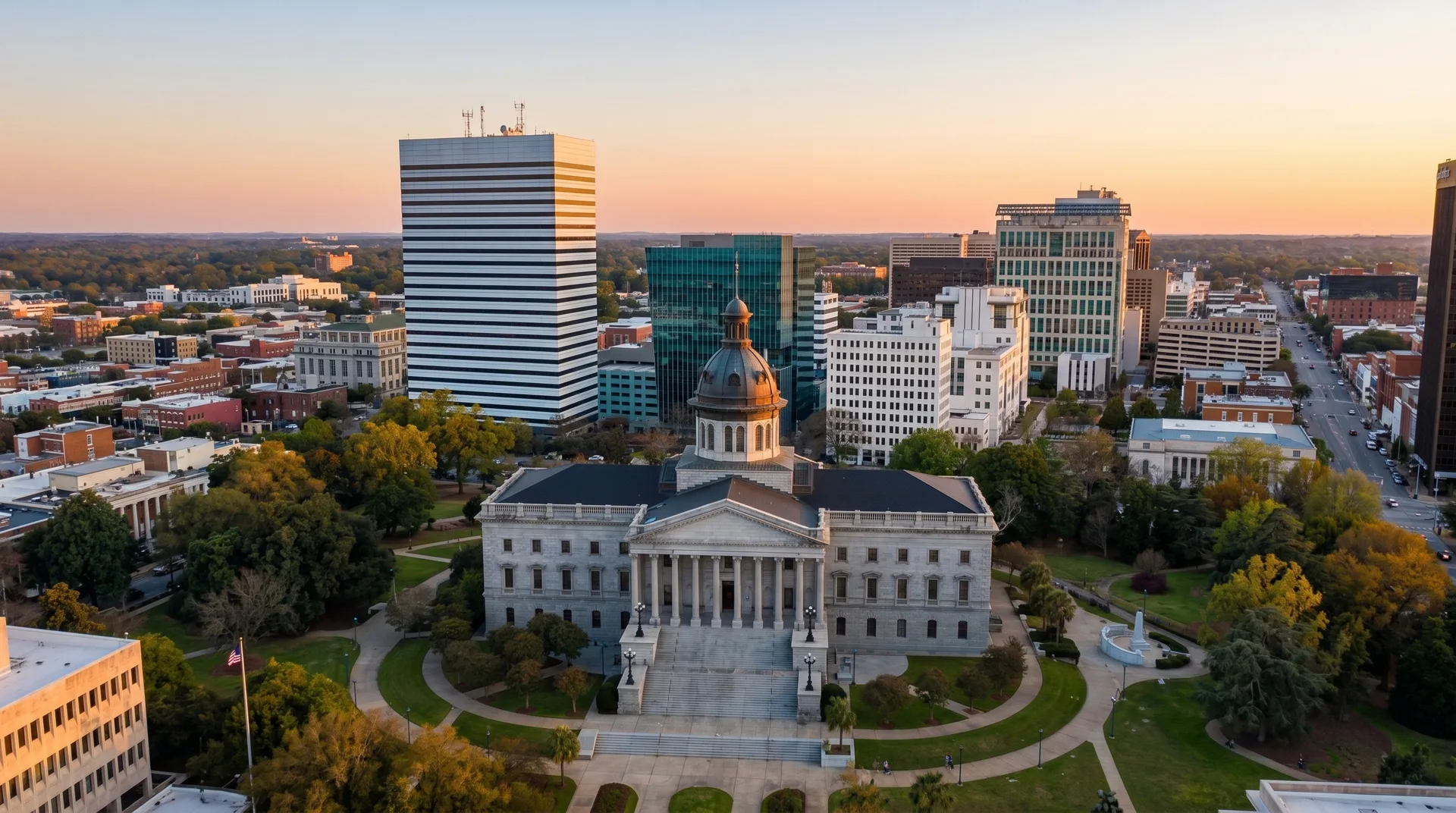
Columbia, South Carolina, serves as a strategic logistics center in the Southeast United States, positioned at the intersection of major interstate highways I-20, I-26, and I-77. This central location provides excellent connectivity to major ports, including the Port of Charleston and Port of Savannah, making it an ideal distribution point for goods moving throughout the Southeast region. The city's infrastructure includes the Columbia Metropolitan Airport and the Columbia Inland Port, supporting diverse transportation options.
The Columbia area has experienced significant industrial growth, particularly in automotive manufacturing, with major facilities from companies like BMW and Volvo contributing to the local economy. The region also supports a growing technology sector, healthcare industry, and distribution centers for major retailers. These diverse economic activities create consistent demand for freight transportation services, particularly for full truckload shipments moving between the Midwest and Southeast.










