Columbus to Monterrey
Monterrey → ColumbusFTL freight transportation service between Columbus and Monterrey. Reliable logistics solutions for your business.
Route Description
Everything you need to know about the corridor Columbus - Monterrey
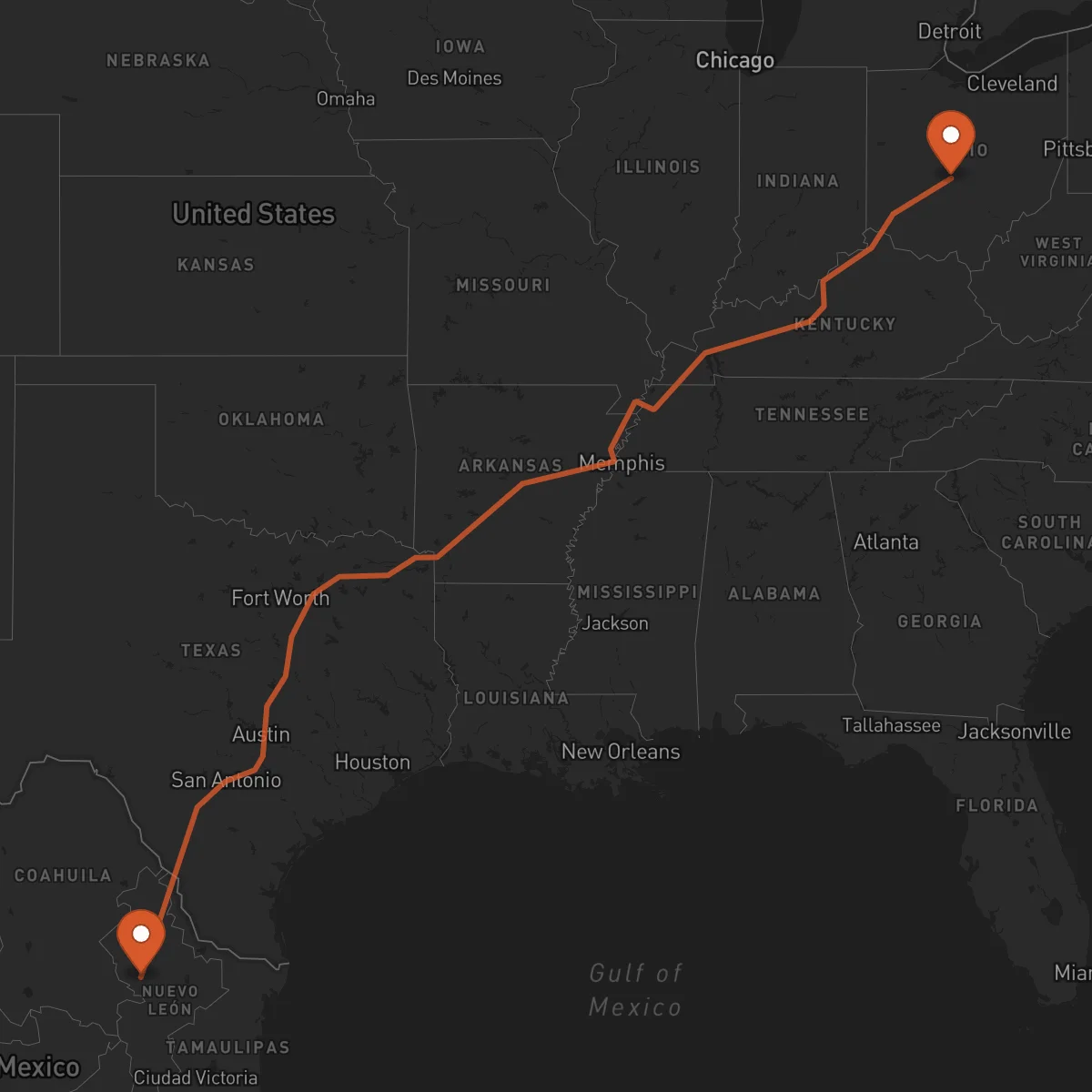
The Columbus-Monterrey corridor connects the industrial heartland of Ohio with one of Mexico's most dynamic economic regions. This strategic cross-border route spans approximately 2,258 km and serves as a vital link between two major manufacturing and logistics hubs. The corridor facilitates the movement of goods between the United States and Mexico, supporting the strong trade relationship between these two nations.
The economic significance of this corridor is underscored by the complementary industrial strengths of both regions. Columbus serves as a major distribution center for the Midwest, while Monterrey is a key manufacturing powerhouse in Mexico, particularly in automotive, aerospace, and electronics industries. This synergy creates substantial freight demand along this route, with numerous companies relying on efficient cross-border transportation to maintain their supply chains.
Key transportation infrastructure includes major highways such as I-70 and I-35, which provide reliable connectivity between Columbus and Monterrey. The corridor benefits from well-developed road networks on both sides of the border, facilitating smooth transit for freight vehicles. Border crossings at Laredo or other strategic points are equipped to handle the significant volume of commercial traffic, though customs procedures require careful coordination to ensure timely clearance.
Control Terrestre specializes in managing the complexities of cross-border operations on this corridor. Our expertise in customs documentation, compliance with both USMCA and Mexican regulations, and our network of certified carriers ensure that your freight moves seamlessly from origin to destination. We understand the specific requirements for transporting goods between these two countries and provide dedicated support to navigate any challenges that may arise during the journey.
Services for this Route
Available services for the corridor Columbus - Monterrey
 Origin
Columbus
Columbus, Ohio serves as a strategic logistics hub in the Midwest United States. Located in the heart of the country, Columbus offers excellent connectivity to major markets across the nation. The city is home to a diverse economic base, with strong presence in healthcare, education, insurance, and retail sectors. Columbus has developed into a significant distribution center, benefiting from its central location and access to multiple transportation modes.
The transportation infrastructure in Columbus is highly developed, featuring major highways including I-70 and I-71 that provide direct connections to other key markets. The city is served by the Port Columbus International Airport and has rail connections through CSX and Norfolk Southern. The Rickenbacker Inland Port, a major logistics facility, further enhances Columbus's capabilities as a freight hub. These infrastructure assets make Columbus an ideal origin point for cross-border shipments to Mexico.
 Destination
Monterrey
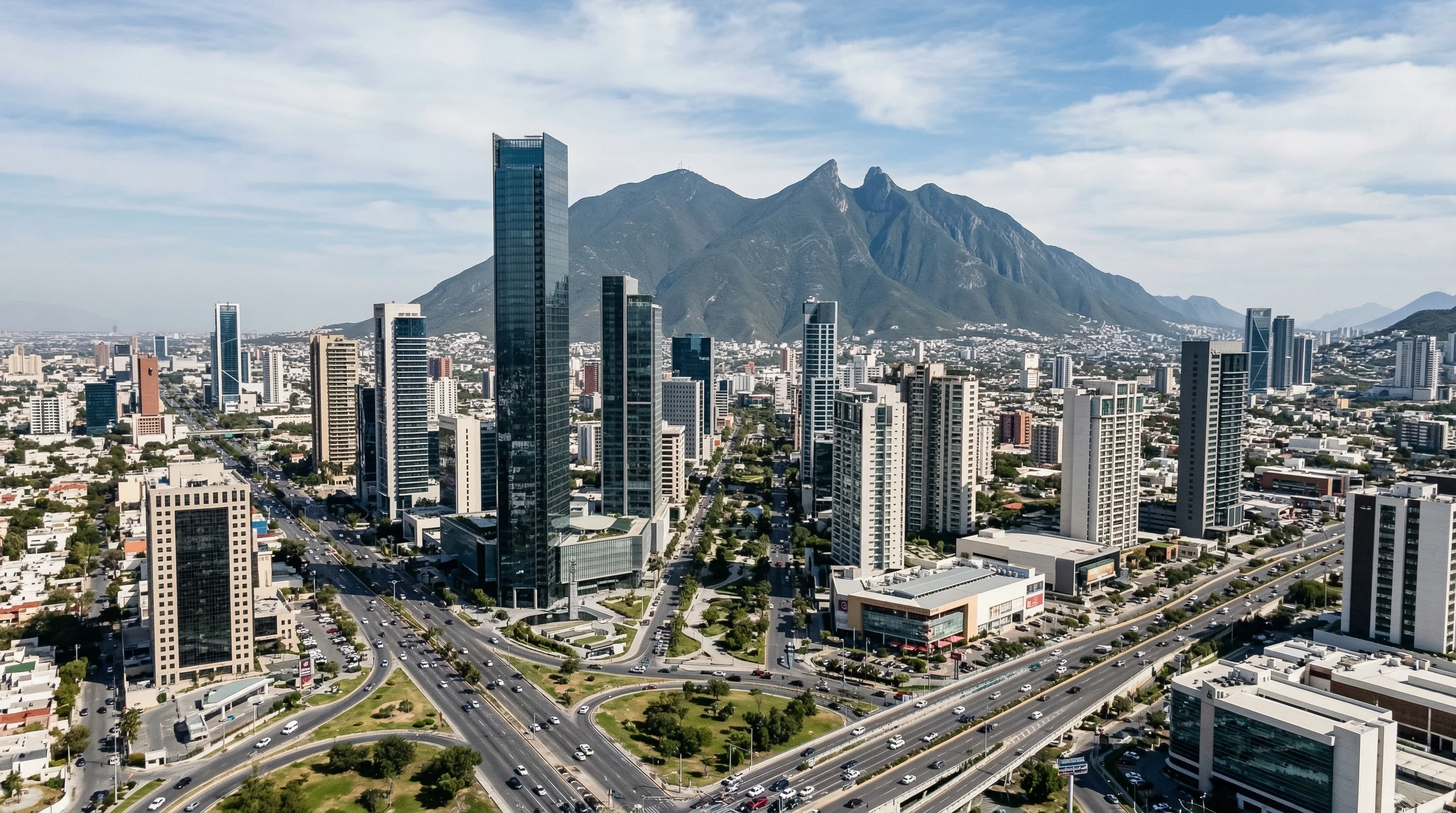
Monterrey, located in northeastern Mexico, is the third-largest metropolitan area in the country and a critical industrial and business center. Known as the industrial capital of Mexico, Monterrey hosts a diverse economic ecosystem with particular strengths in manufacturing, technology, and services. The city is home to numerous multinational corporations and has earned a reputation for innovation and entrepreneurship.
The transportation infrastructure in Monterrey is robust and well-integrated. The city is connected to major highways including Highway 85 and Highway 40, providing direct links to the US border and other Mexican cities. Monterrey International Airport offers both passenger and cargo services, while rail connections through Ferromex support intermodal transportation. The city's proximity to the US border (approximately 230 km from Laredo) makes it an ideal destination for cross-border freight, with efficient access to major North American supply chains.










