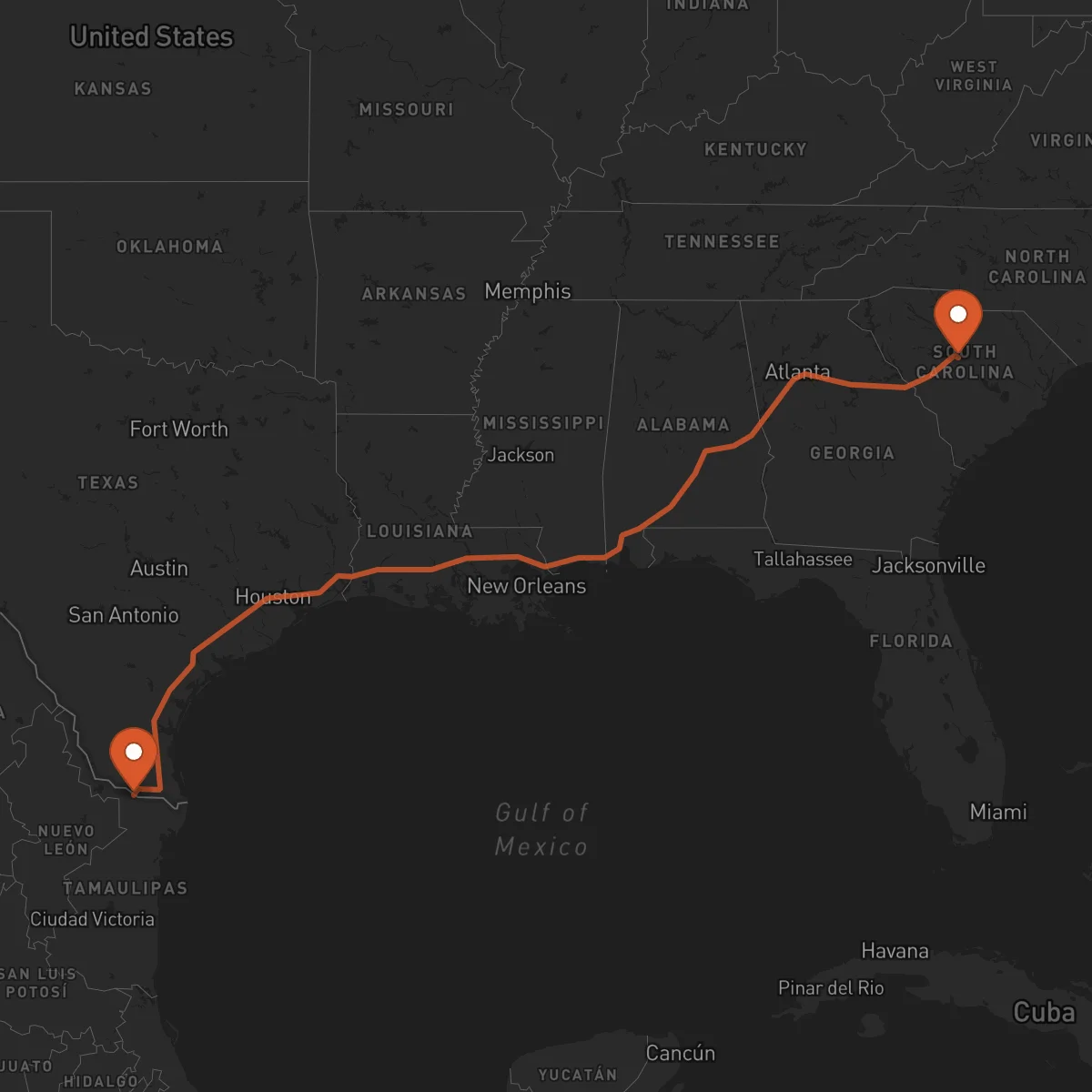
Columbia to Reynosa
Reynosa → ColumbiaFTL freight transportation service between Columbia and Reynosa. Reliable logistics solutions for your business.
Route Description
Everything you need to know about the corridor Columbia - Reynosa
The logistics corridor between Columbia, South Carolina, and Reynosa, Tamaulipas, represents a vital cross-border connection linking the industrial heartland of the southeastern United States with one of Mexico's most dynamic manufacturing regions. This 1,875 km route serves as a crucial artery for North American trade, facilitating the movement of goods between major automotive, aerospace, and electronics manufacturing clusters. The corridor traverses diverse landscapes and crosses through multiple states, connecting key economic zones that drive bilateral commerce.
The route follows major interstate highways including I-20 and I-35, providing reliable transportation infrastructure for freight movement. Companies operating along this corridor benefit from well-maintained roadways and established logistics networks that support just-in-time manufacturing and distribution. The economic relationship between South Carolina's manufacturing base and Reynosa's maquiladora industry creates substantial freight volume, with automotive parts, electronics components, and industrial equipment being primary commodities transported in both directions.
Control Terrestre specializes in managing cross-border operations along this corridor, handling all customs documentation and compliance requirements to ensure seamless freight movement. Our experienced team understands the specific regulatory requirements at both the U.S. and Mexican border crossings, minimizing delays and ensuring your cargo reaches its destination efficiently. We provide end-to-end logistics solutions that include dedicated equipment, real-time tracking, and specialized handling for temperature-sensitive or high-value shipments, making us the trusted partner for companies requiring reliable freight transportation between Columbia and Reynosa.
Services for this Route
Available services for the corridor Columbia - Reynosa
 Origin
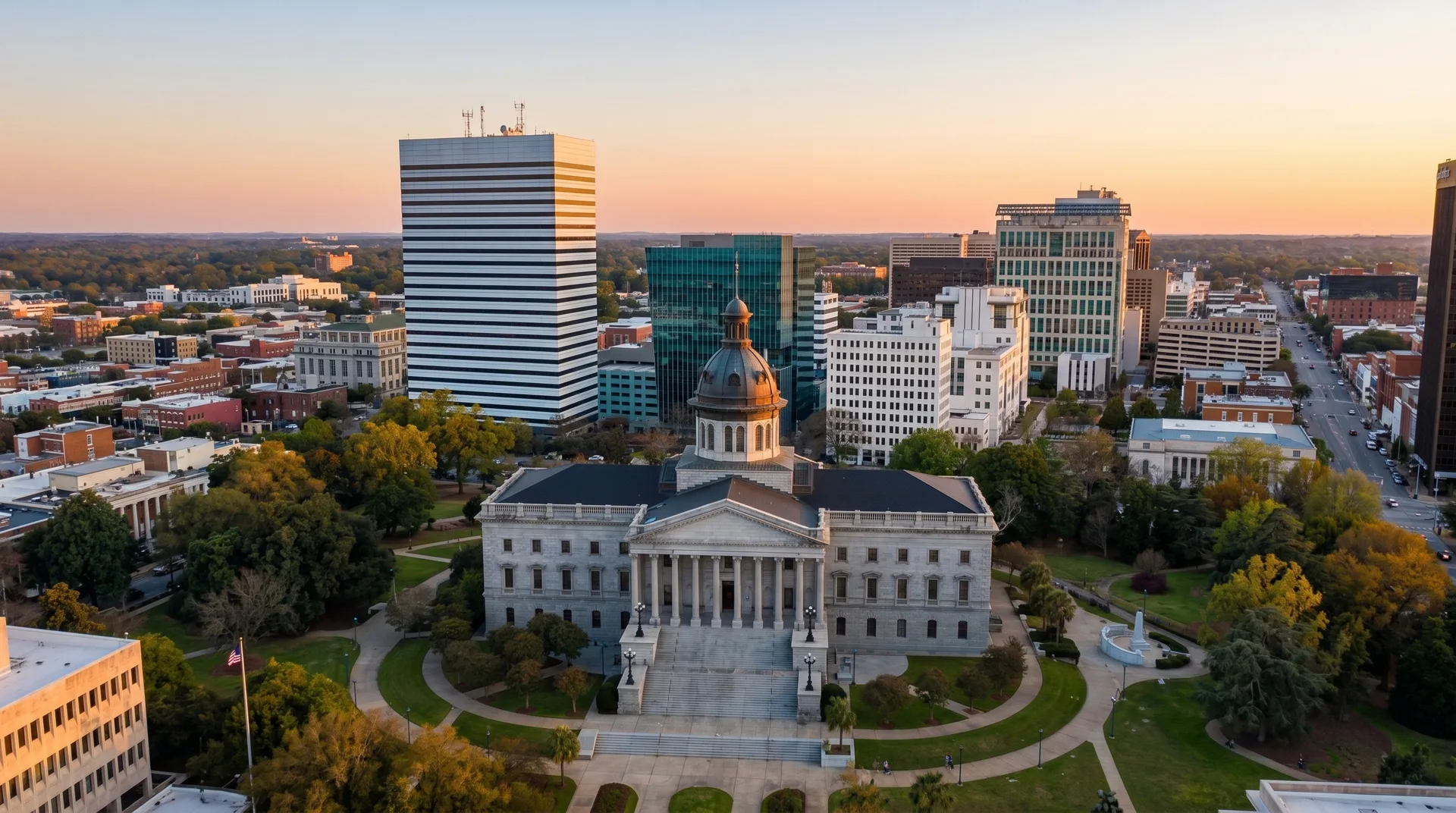
Columbia
Columbia, South Carolina serves as a strategic logistics hub in the southeastern United States, positioned at the intersection of major transportation corridors including I-20, I-26, and I-77. The city benefits from its central location within the state and proximity to major ports, providing excellent connectivity for freight distribution throughout the region. Columbia's logistics infrastructure includes multiple warehousing facilities, intermodal yards, and a skilled workforce that supports the area's growing manufacturing and distribution sectors.
The region's economy is anchored by automotive manufacturing, with major facilities producing vehicles and components for both domestic and international markets. Additionally, Columbia has developed strengths in advanced manufacturing, healthcare, and education, creating diverse freight transportation needs. The area's industrial parks and business-friendly environment have attracted numerous companies that rely on efficient logistics networks to support their operations, making it an ideal origin point for cross-border freight movements to Mexico.
 Destination
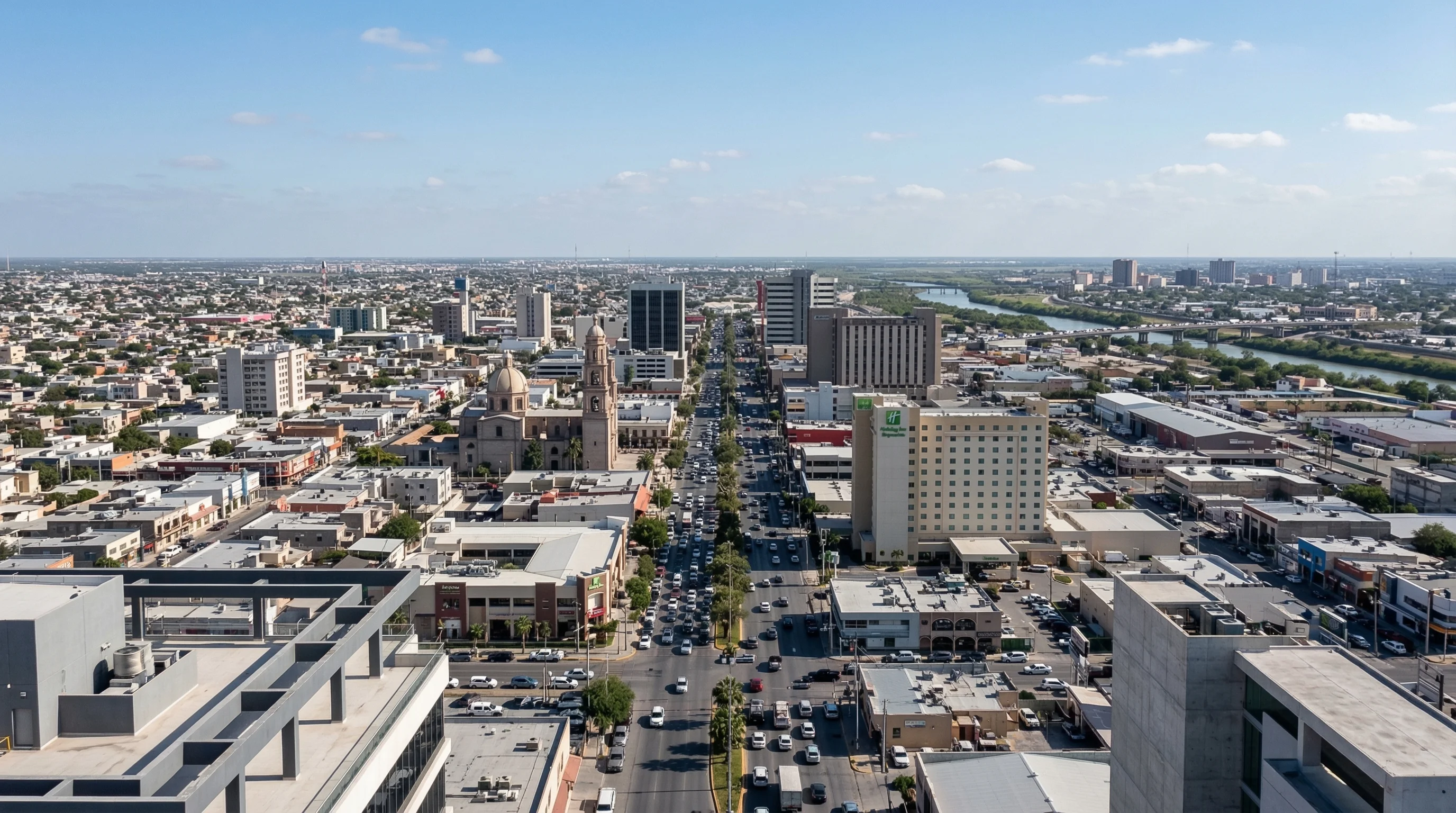
Reynosa
Reynosa, Tamaulipas stands as one of Mexico's most important industrial cities, strategically located just across the border from McAllen, Texas. The city forms part of the Reynosa-McAllen metropolitan area, creating a binational economic powerhouse that facilitates significant cross-border trade. Reynosa's proximity to major U.S. markets and its integration with the North American supply chain make it a preferred destination for manufacturing and logistics operations.
The city's economy is dominated by the maquiladora industry, with a particular focus on electronics, automotive parts, and aerospace components. Reynosa hosts numerous foreign-owned manufacturing plants that benefit from its skilled workforce, competitive operating costs, and excellent transportation connections. The city's industrial infrastructure includes modern industrial parks, specialized logistics centers, and direct access to major highways connecting to the rest of Mexico and the United States, supporting the efficient movement of goods through this critical border region.










