Columbia to Portland
Portland → ColumbiaFTL freight transportation service between Columbia and Portland. Reliable logistics solutions for your business.
Route Description
Everything you need to know about the corridor Columbia - Portland
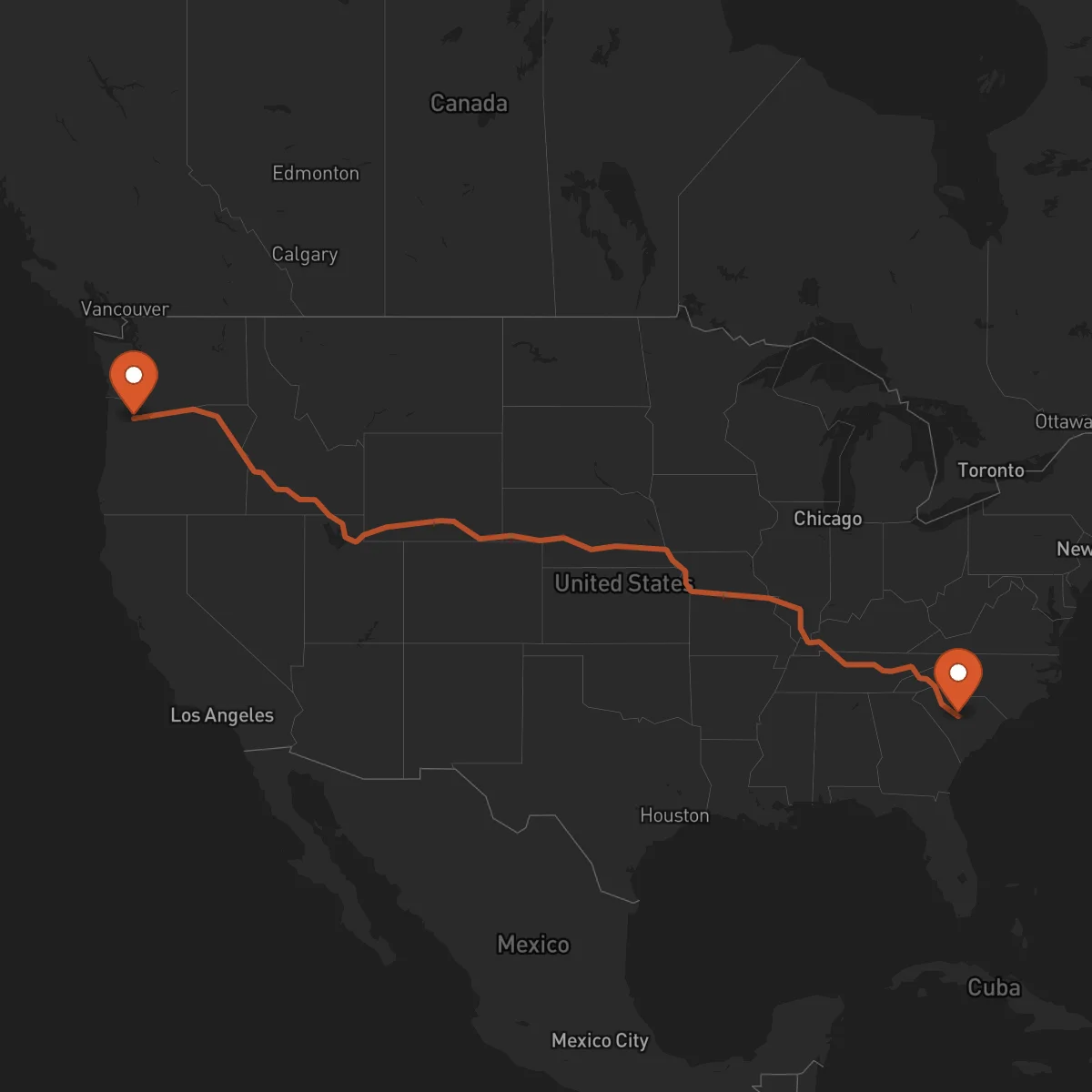
The logistics corridor connecting Columbia, South Carolina to Portland, Oregon represents one of the most significant east-west transportation routes across the United States. Spanning approximately 3,734 kilometers, this corridor traverses diverse geographic regions and connects two major economic hubs. The route serves as a vital artery for freight movement between the southeastern manufacturing base and the Pacific Northwest's industrial and technological centers. This corridor strategically links the manufacturing heartland with the West Coast's major ports and distribution networks.
Along this route, numerous industries rely on efficient freight transportation to maintain their supply chains. The corridor facilitates the movement of automotive parts, agricultural products, industrial machinery, and consumer goods. Manufacturing facilities in the Southeast export finished products westward, while the Pacific Northwest ships technology components, timber products, and agricultural exports eastward. The corridor also supports the growing e-commerce sector, enabling rapid distribution across the country.
Control Terrestre provides comprehensive FTL (Full Truckload) services along this corridor, ensuring reliable and timely freight movement. Our network of certified carriers and strategic partnerships enable us to offer consistent capacity and competitive transit times. We understand the unique requirements of each shipment and provide dedicated equipment solutions, including dry vans, refrigerated units, and specialized trailers when needed. Our expertise in managing long-haul routes ensures that your cargo moves efficiently from origin to destination, maintaining the integrity of your supply chain.
Services for this Route
Available services for the corridor Columbia - Portland
 Origin
Columbia
Columbia, South Carolina serves as a strategic logistics hub in the southeastern United States. Located in the geographic center of South Carolina, Columbia benefits from excellent connectivity to major transportation networks. The city is a key center for automotive manufacturing, with several major assembly plants and parts suppliers in the region. Additionally, Columbia's economy includes significant healthcare, education, and government sectors, all of which generate substantial freight movement.
The city boasts robust transportation infrastructure, including access to Interstate 26 and Interstate 20, which connect to the broader national highway system. Columbia Metropolitan Airport supports air cargo operations, while the nearby Port of Charleston provides ocean freight connectivity. The region's logistics parks and distribution centers are strategically positioned to serve the southeastern market, making Columbia an ideal origin point for freight moving across the country.
 Destination
Portland
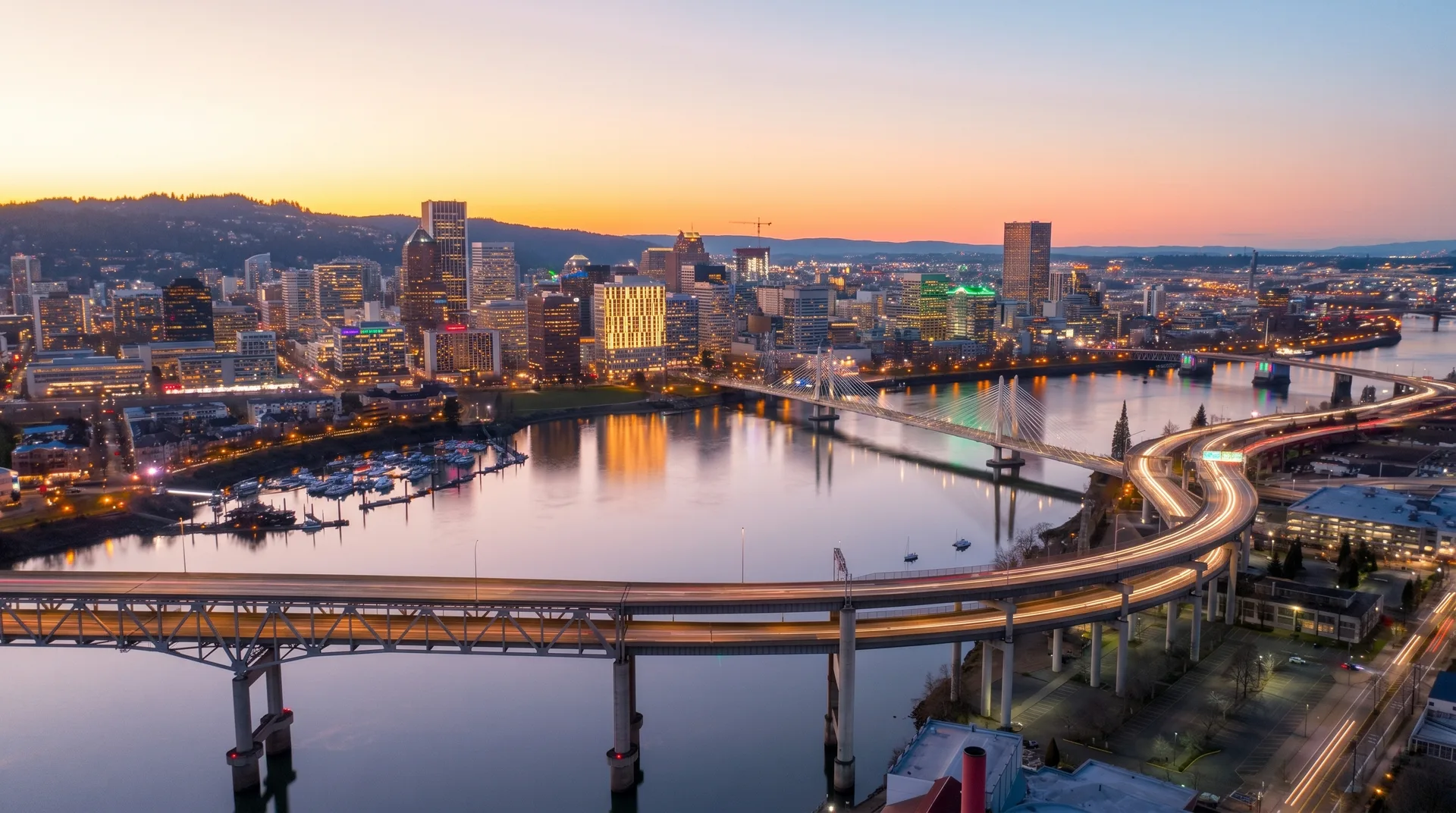
Portland, Oregon stands as a major logistics gateway on the West Coast, offering unparalleled access to international markets through its deep-water port facilities. Located at the confluence of the Willamette and Columbia Rivers, Portland's strategic position provides multimodal transportation options including ocean, rail, and trucking. The city is a hub for technology, manufacturing, and sustainable industries, with a growing emphasis on green logistics and innovative supply chain solutions.
Portland's transportation infrastructure includes extensive highway networks with I-5 and I-84 serving as primary freight corridors. The Port of Portland manages marine terminals capable of handling diverse cargo types, while the city's rail connections link to transcontinental networks. Portland International Airport supports both passenger and cargo operations, enhancing the region's logistics capabilities. The city's commitment to sustainable development has fostered a logistics ecosystem that emphasizes efficiency and environmental responsibility.










