Columbia to Acapulco
Acapulco → ColumbiaFTL freight transportation service between Columbia and Acapulco. Reliable logistics solutions for your business.
Route Description
Everything you need to know about the corridor Columbia - Acapulco
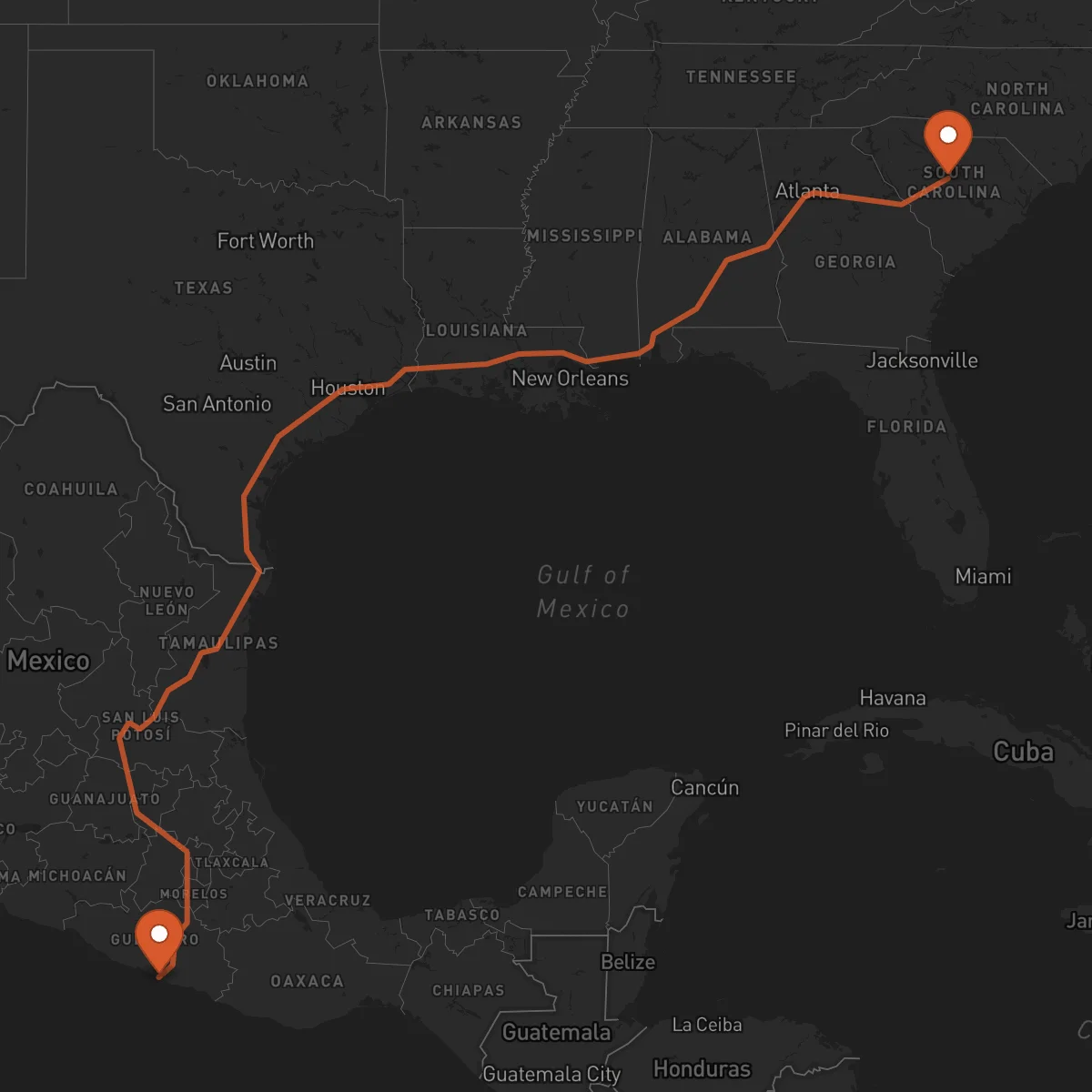
The logistics corridor connecting Columbia, South Carolina, to Acapulco, Guerrero, represents a vital cross-border freight route spanning approximately 2,676 kilometers. This corridor links the industrial heartland of the southeastern United States with one of Mexico's most important Pacific ports, facilitating the movement of diverse cargo types between two major economic regions. The route traverses multiple states and crosses the U.S.-Mexico border, requiring expertise in customs procedures and cross-border logistics operations.
The economic significance of this corridor is substantial, connecting Columbia's manufacturing and distribution centers with Acapulco's growing industrial sector and port facilities. Major industries utilizing this route include automotive parts, electronics, consumer goods, agricultural products, and industrial equipment. The corridor supports both import and export activities, with Columbia serving as a gateway for goods entering the U.S. market and Acapulco providing access to Mexican and broader Latin American markets.
Key transportation infrastructure along this corridor includes major interstate highways such as I-20 and I-10, which provide reliable freight movement across the United States before connecting to Mexican Federal Highway 95D. The primary border crossing utilized is typically Laredo/Nuevo Laredo, one of North America's busiest commercial ports of entry. Control Terrestre's expertise in managing cross-border documentation, customs clearance, and compliance with both U.S. and Mexican transportation regulations ensures seamless freight movement along this critical international corridor.
Services for this Route
Available services for the corridor Columbia - Acapulco
 Origin
Columbia
Columbia, South Carolina serves as a strategic logistics hub in the southeastern United States, positioned at the intersection of major transportation networks. The city benefits from its location along I-20, providing direct access to Atlanta, Georgia, and connecting westward to major freight corridors. Columbia's infrastructure includes the Columbia Metropolitan Airport, extensive rail connections through Norfolk Southern and CSX, and proximity to the Port of Charleston for international ocean freight. The region's logistics capabilities are enhanced by multiple warehousing and distribution centers that support regional distribution operations.
The local economy is diverse, with strong manufacturing sectors including automotive (BMW has significant operations nearby), aerospace, and advanced manufacturing. Columbia also serves as a distribution center for consumer goods, pharmaceuticals, and agricultural products from South Carolina's farming regions. The presence of major universities and research institutions has fostered growth in technology and biomedical sectors, creating demand for specialized freight services. These economic characteristics make Columbia an ideal origin point for freight shipments requiring reliable transportation to Mexican destinations.
 Destination
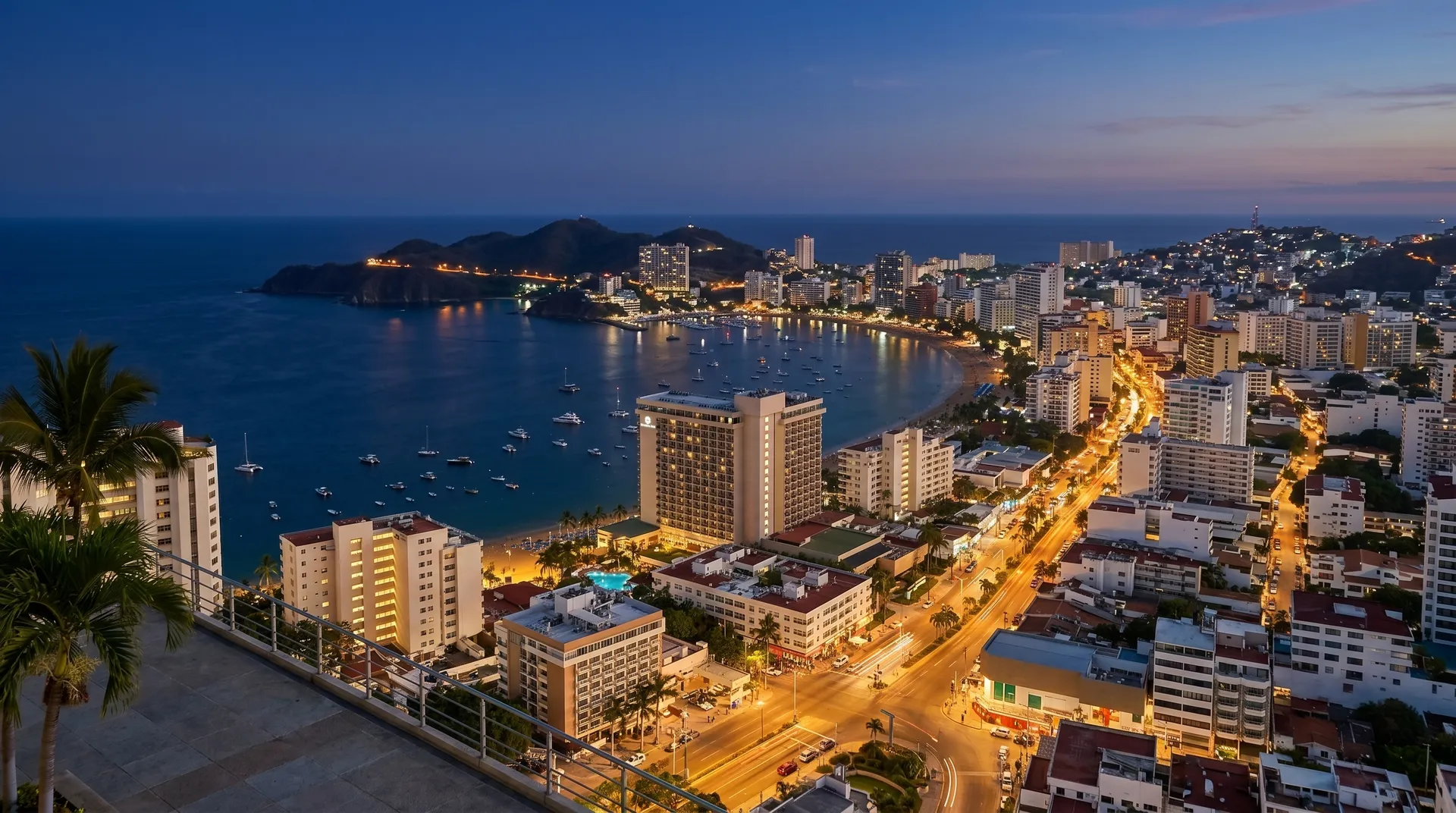
Acapulco, Guerrero occupies a strategic position on Mexico's Pacific coast, serving as both a major tourist destination and an emerging industrial center. The city's port facilities provide ocean freight capabilities, while Federal Highway 95D connects Acapulco to Mexico City and the broader national transportation network. The local infrastructure includes the General Juan N. Álvarez International Airport for air cargo operations and an extensive road network that facilitates distribution throughout the Mexican Pacific region. Acapulco's port area has developed industrial parks that support manufacturing and assembly operations.
The local economy traditionally centered on tourism has diversified to include manufacturing, particularly in consumer electronics, textiles, and food processing. The region's agricultural sector produces tropical fruits, fish, and seafood products that require refrigerated transportation. Acapulco's growing industrial base creates demand for inbound freight from U.S. suppliers, including raw materials, machinery, and components for manufacturing operations. The city's position as a Pacific port also facilitates international trade, making it an important destination for freight requiring both domestic distribution and international export capabilities.










