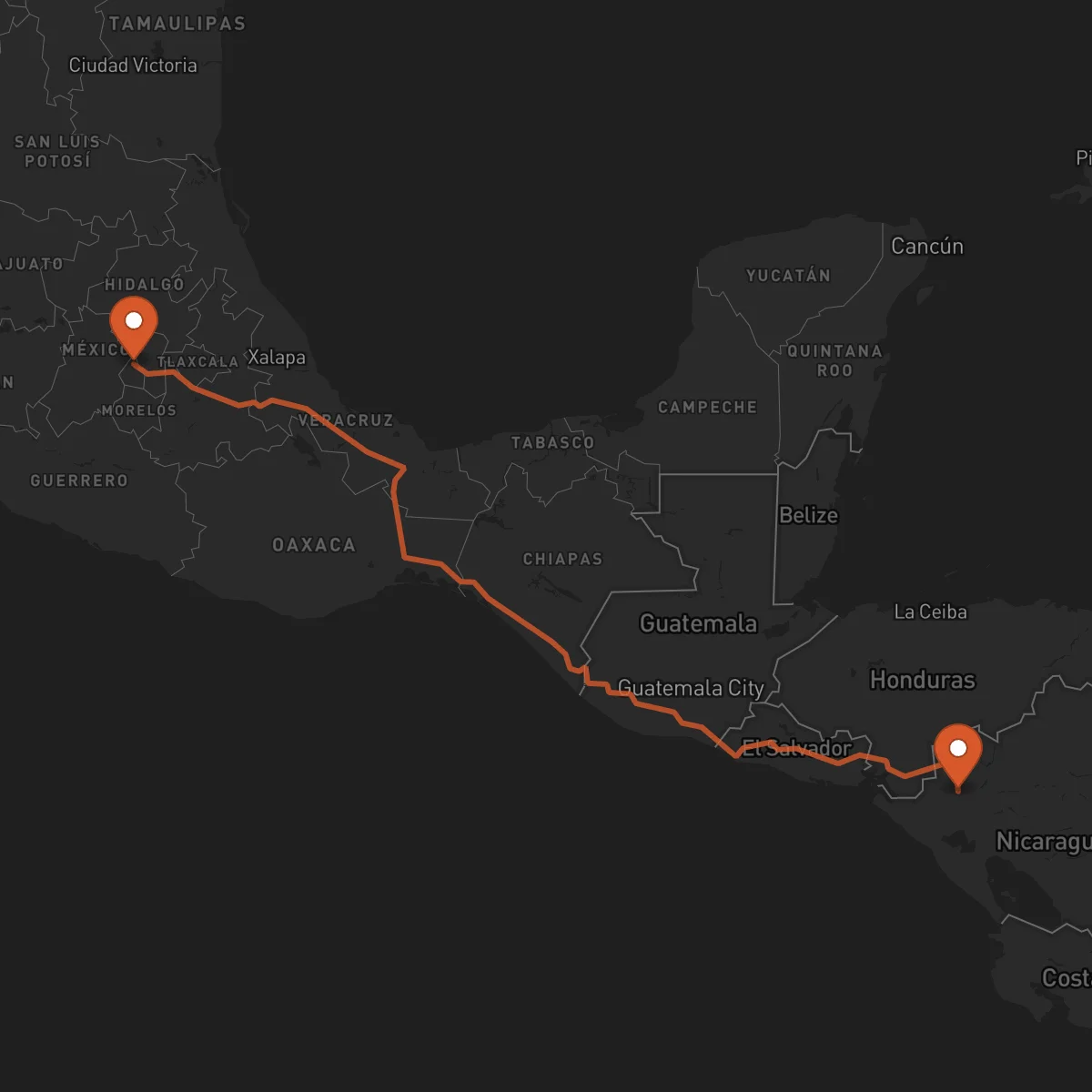
Mexico City to Estelí
Estelí → Mexico CityFTL freight transportation service between Mexico City and Estelí. Reliable logistics solutions for your business.
Route Description
Everything you need to know about the corridor Mexico City - Estelí
The freight corridor connecting Ciudad de México with Estelí, Nicaragua, represents a critical north-south artery for trade across Central America. Spanning approximately 1,534 kilometers, this cross-border route facilitates the vital movement of goods between Mexico's industrial heartland and Nicaragua's key production zones, playing a fundamental role in regional supply chain integration. Its strategic importance is underscored by its function as a primary link for exports heading south and imports flowing north, supporting economic activity across multiple nations.
Economically, this corridor serves a region characterized by robust manufacturing in central Mexico and significant agricultural and extractive industries in Nicaragua. The industrial context is driven by Mexico's massive output of automotive parts, electronics, and consumer goods, which require efficient southbound logistics. Conversely, Nicaragua's economy relies heavily on exporting agricultural commodities such as coffee, beef, and tobacco, alongside growing light manufacturing, creating consistent northbound freight demand. This bidirectional flow creates a dynamic and essential trade lane.
Primary industries leveraging this corridor include agriculture (coffee, tobacco, livestock), food and beverage processing, and manufactured goods. Transportation infrastructure is anchored by Mexico's well-developed federal highway network, primarily Highway 150D and 190, transitioning to Central American routes like the Pan-American Highway (CA-1) through Guatemala and into Nicaragua. Key border crossings, such as Tecún Umán (Guatemala/Mexico) and further south at Peñas Blancas (Nicaragua/Costa Rica), are pivotal points where customs clearance and regulatory compliance are managed. These crossings require meticulous documentation and adherence to international shipping protocols.
Control Terrestre facilitates seamless operations on this corridor through our robust alliance of experienced transportation providers. We exclusively coordinate Full Truckload (FTL) solutions, matching specific cargo needs—from standard dry van to specialized refrigerated or flatbed equipment—with vetted carriers possessing the necessary certifications for cross-border transport, including C-TPAT, FAST, and BASC. Our model manages the entire door-to-door process, handling the complexities of multi-national customs coordination and providing a single point of contact for our clients, ensuring reliability across this international supply chain.
Services for this Route
Available services for the corridor Mexico City - Estelí
 Origin
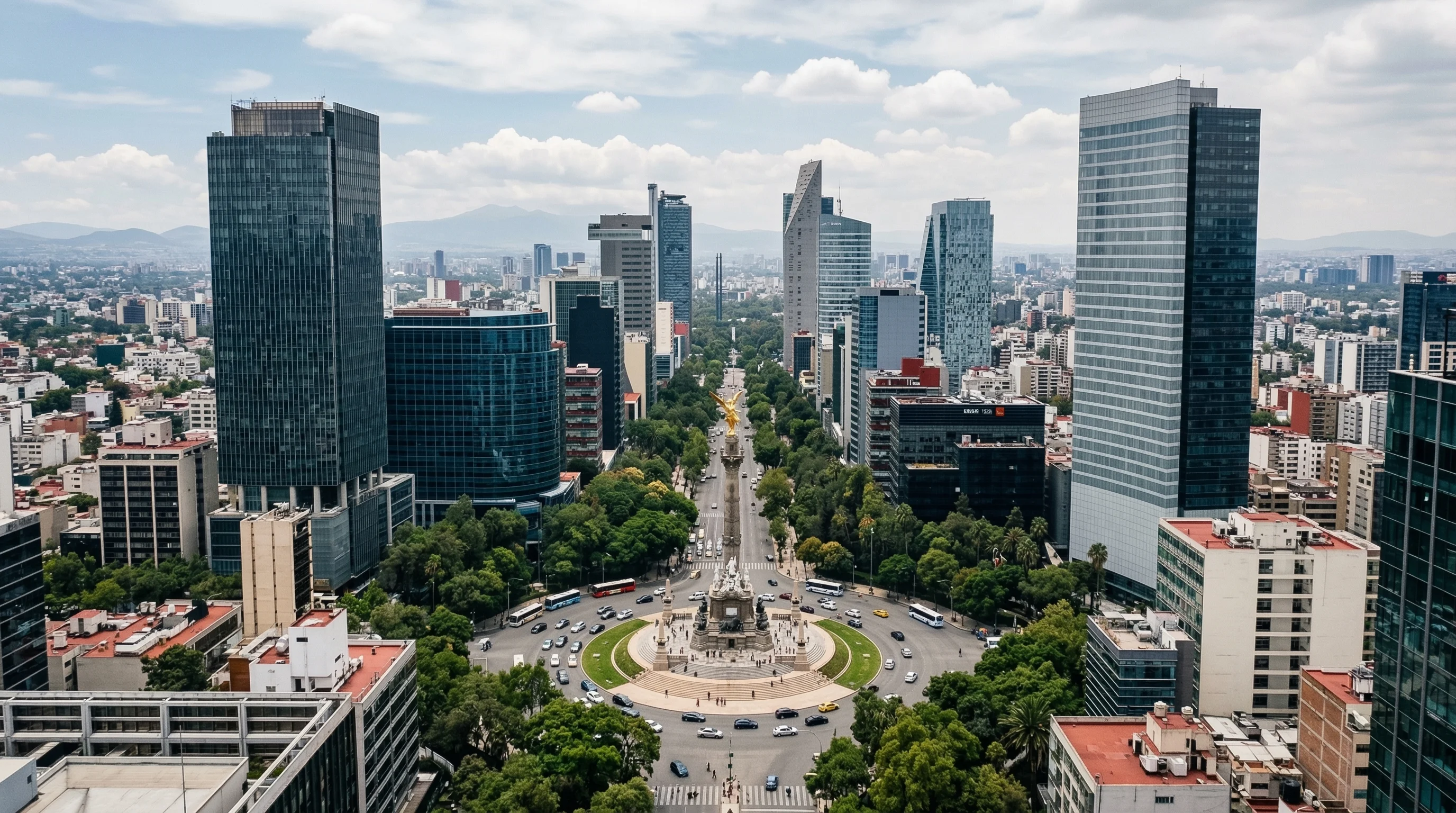
Mexico City
Ciudad de México, the capital of Mexico, serves as a monumental strategic logistics hub due to its unparalleled connectivity and massive economic output. Strategically positioned in the heart of the country, it functions as a primary distribution node with direct access to major seaports on both the Gulf of Mexico and the Pacific coast. The city's infrastructure is extensive, featuring a dense network of federal highways and toll roads (like the Mexico-Querétaro and Mexico-Puebla corridors) that radiate outward, enabling efficient consolidation and dispatch of freight to any point in the nation and beyond. Its international airport is a major cargo gateway, complementing the robust ground transportation ecosystem.
The economic engine of the city is incredibly diverse, dominated by the service sector but underpinned by significant high-value manufacturing. Key industries include automotive assembly and parts production, aerospace, electronics, pharmaceuticals, and food processing. This industrial diversity generates a constant, high-volume demand for outbound freight transportation, making it a critical origin point for national and international supply chains. The concentration of corporate headquarters and distribution centers further amplifies its logistics significance.
Available transportation infrastructure is world-class. It features multiple major trucking terminals and logistics parks on its periphery, such as those in the State of México and Hidalgo, which are designed to handle high volumes of FTL cargo. The city is the nexus for Mexico's primary highway corridors, providing direct, high-capacity routes to northern border crossings with the U.S. and to southern corridors like the one to Estelí. This infrastructure allows for the efficient deployment of all common equipment types, including 53' dry vans, reefers, and flatbeds, to initiate long-haul international shipments.
 Destination
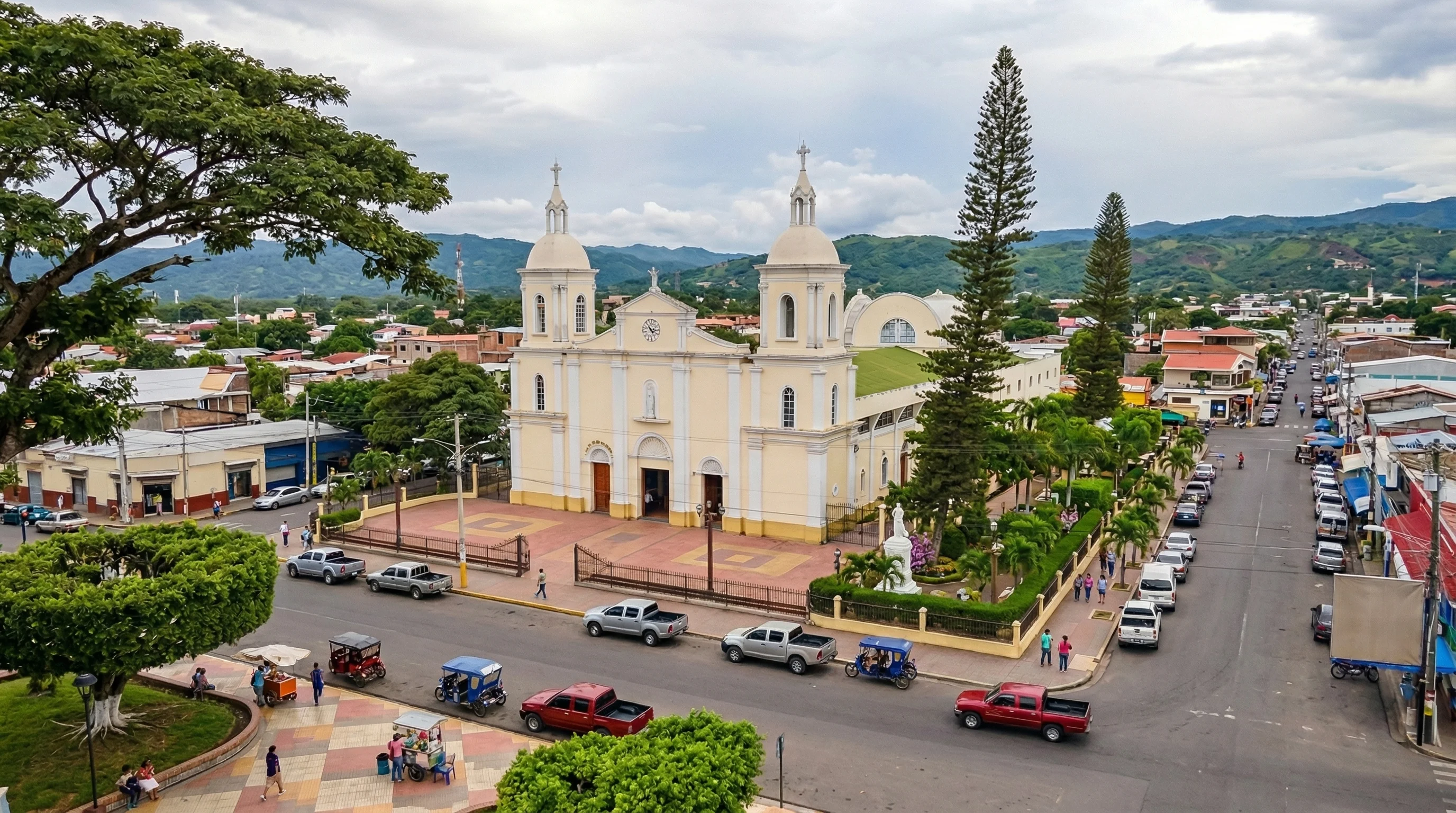
Estelí is a strategically important city in northern Nicaragua, serving as a primary commercial and agricultural hub for the region. Its location in the highlands provides a central access point for the surrounding fertile valleys, which are crucial for the country's export-oriented agriculture. The city acts as a key collection and distribution center for goods moving into and out of Nicaragua's northern provinces, making it a pivotal destination for logistics operations targeting this part of the country. Its connectivity via the Pan-American Highway (CA-1) links it directly to the capital, Managua, and to the southern border with Costa Rica.
The economic landscape of Estelí is heavily influenced by world-renowned tobacco production, with numerous cigar factories sourcing and shipping globally. Additionally, the region is a major producer of high-quality coffee, livestock, and dairy products. These industries generate consistent, seasonal, and year-round demand for inbound transportation of supplies (like packaging, fertilizers, and equipment) and outbound movement of finished goods to export markets, primarily via ports in Costa Rica or Mexico. This creates a steady flow of FTL freight.
Transportation infrastructure is centered on the CA-1 highway, which is the main paved artery connecting Estelí to the rest of Nicaragua and the international corridor network. While infrastructure may be less developed than in major Mexican cities, the highway network is functional for heavy truck traffic. Logistics operations typically rely on local trucking companies and warehouses in and around Estelí for final-mile handling. The corridor's endpoint here requires coordination for last-mile delivery from the main highway to specific industrial farms, factories, or warehouses, a service seamlessly integrated within a full door-to-door FTL solution.










