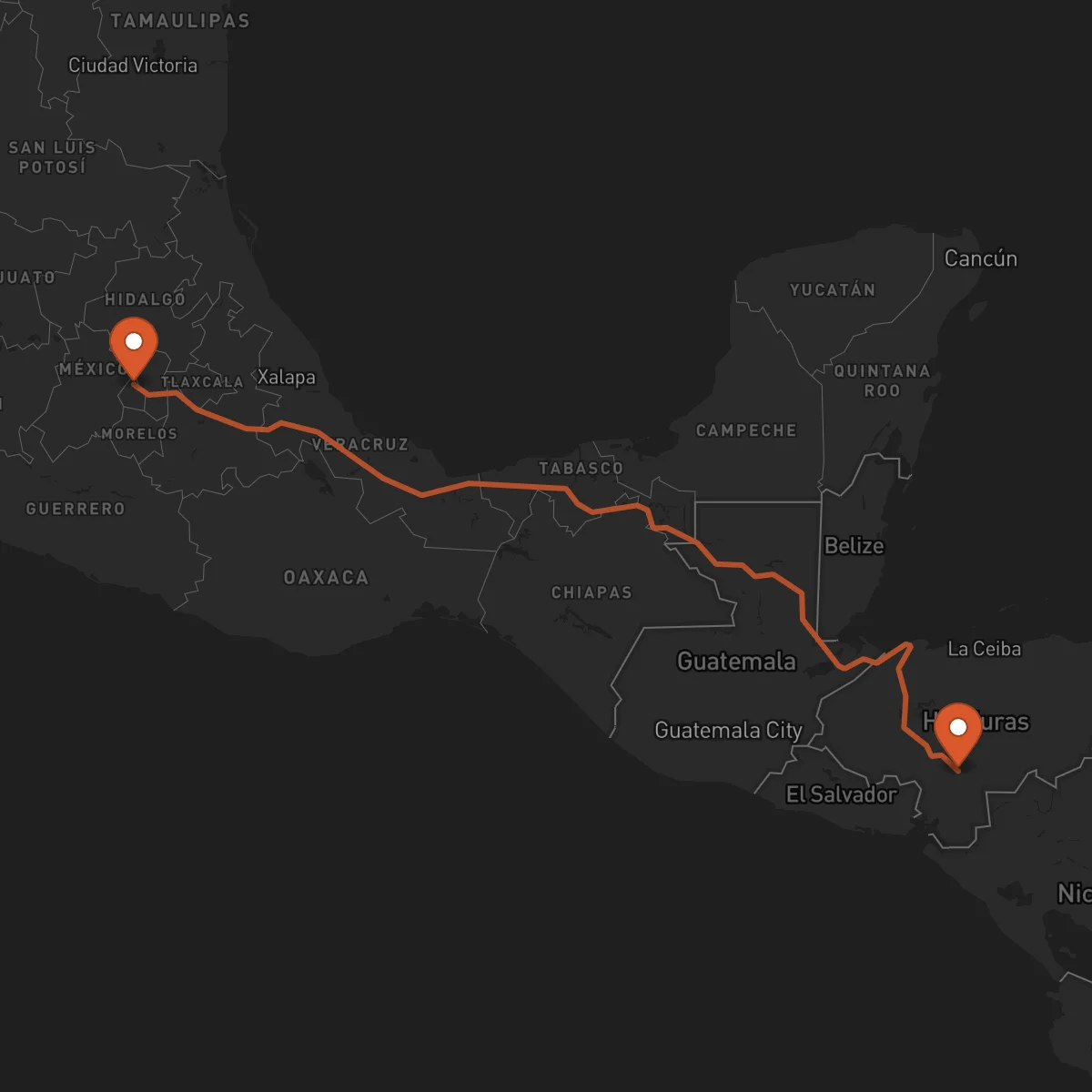
Mexico City to Tegucigalpa
Tegucigalpa → Mexico CityFTL freight transportation service between Mexico City and Tegucigalpa. Reliable logistics solutions for your business.
Route Description
Everything you need to know about the corridor Mexico City - Tegucigalpa
The logistics corridor between Ciudad de México and Tegucigalpa represents a critical cross-border artery connecting Mexico's primary industrial hub with the capital of Honduras. This route is strategically vital for regional trade, facilitating the movement of manufactured goods, automotive components, electronics, textiles, and agricultural products between two dynamic economic zones. The corridor supports integrated supply chains across Central America, underpinning growth in manufacturing and export-oriented sectors.
Economically, the region is defined by complementary industries. Mexico's capital region is a powerhouse for automotive assembly, aerospace manufacturing, electronics, and processed foods. Honduras, with Tegucigalpa as its core, relies heavily on textile maquilas, coffee production, apparel, and construction materials. This corridor enables efficient bidirectional flow—Mexican industrial outputs southward and Honduran textiles, coffee, and consumer goods northward—strengthening bilateral and regional trade ties.
Transportation infrastructure leverages a network of major highways. In Mexico, primary routes include Federal Highway 150D and 190D, transitioning through Guatemala via the CA-1 and CA-9 highways before entering Honduras on the CA-5, which directly serves Tegucigalpa. Key border crossings occur at Mexico-Guatemala (e.g., Tecún Umán) and Guatemala-Honduras (e.g., El Ceibo), each presenting distinct customs procedures. Navigating these requires expertise in documentation, regulatory compliance, and security protocols.
Control Terrestre facilitates seamless operations on this corridor through our specialized FTL (Full Truckload) services and strategic alliance of certified providers. Our partners hold essential credentials like C-TPAT, FAST, and BASC, streamlining cross-border clearance and enhancing security. We deploy appropriate equipment—including 53' dry vans, refrigerated units, flatbeds, and tankers—to match diverse cargo needs, from textiles to perishables. By managing the entire door-to-door process, we mitigate complexities at multiple borders, ensuring reliable, efficient transport for your dedicated, expedited, or specialized cargo requirements.
Services for this Route
Available services for the corridor Mexico City - Tegucigalpa
 Origin
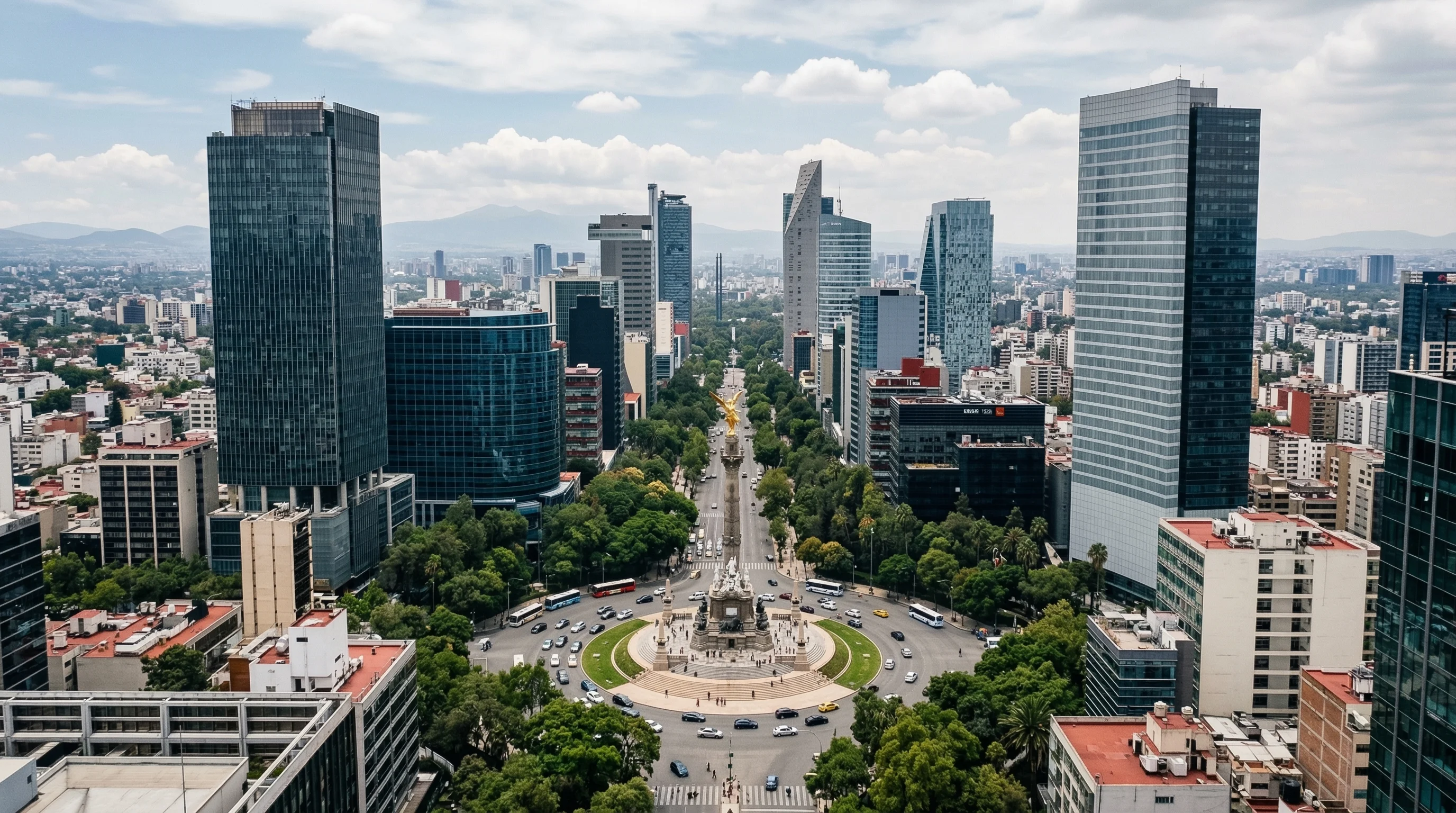
Mexico City
Ciudad de México stands as Mexico's undisputed economic and logistical epicenter, offering an unparalleled strategic location for freight distribution. As the nation's capital, it sits at the heart of a dense network of highways, railways, and air cargo facilities, providing direct access to major seaports on both the Gulf (Veracruz) and Pacific (Manzanillo, Lázaro Cárdenas) coasts, as well as to the U.S. border. This centrality makes it an indispensable origin point for national and international supply chains.
The city's economy is dominated by high-value industrial and service sectors. Key industries include automotive and aerospace manufacturing, electronics and IT hardware production, food and beverage processing, pharmaceuticals, and textiles. Its vast consumer market and concentration of corporate headquarters generate significant freight volume, particularly in full truckload shipments of components, finished goods, and retail supplies.
Infrastructure is world-class, featuring the Mexico City International Airport (AICM) for air cargo, an extensive toll highway system (e.g., Mexico-Querétaro, Mexico-Puebla) radiating outward, and intermodal rail terminals. Dedicated logistics parks and distribution centers surround the metropolitan area, equipped to handle diverse cargo types. This robust ecosystem ensures efficient consolidation and dispatch of FTL shipments to any domestic or cross-border destination.
 Destination
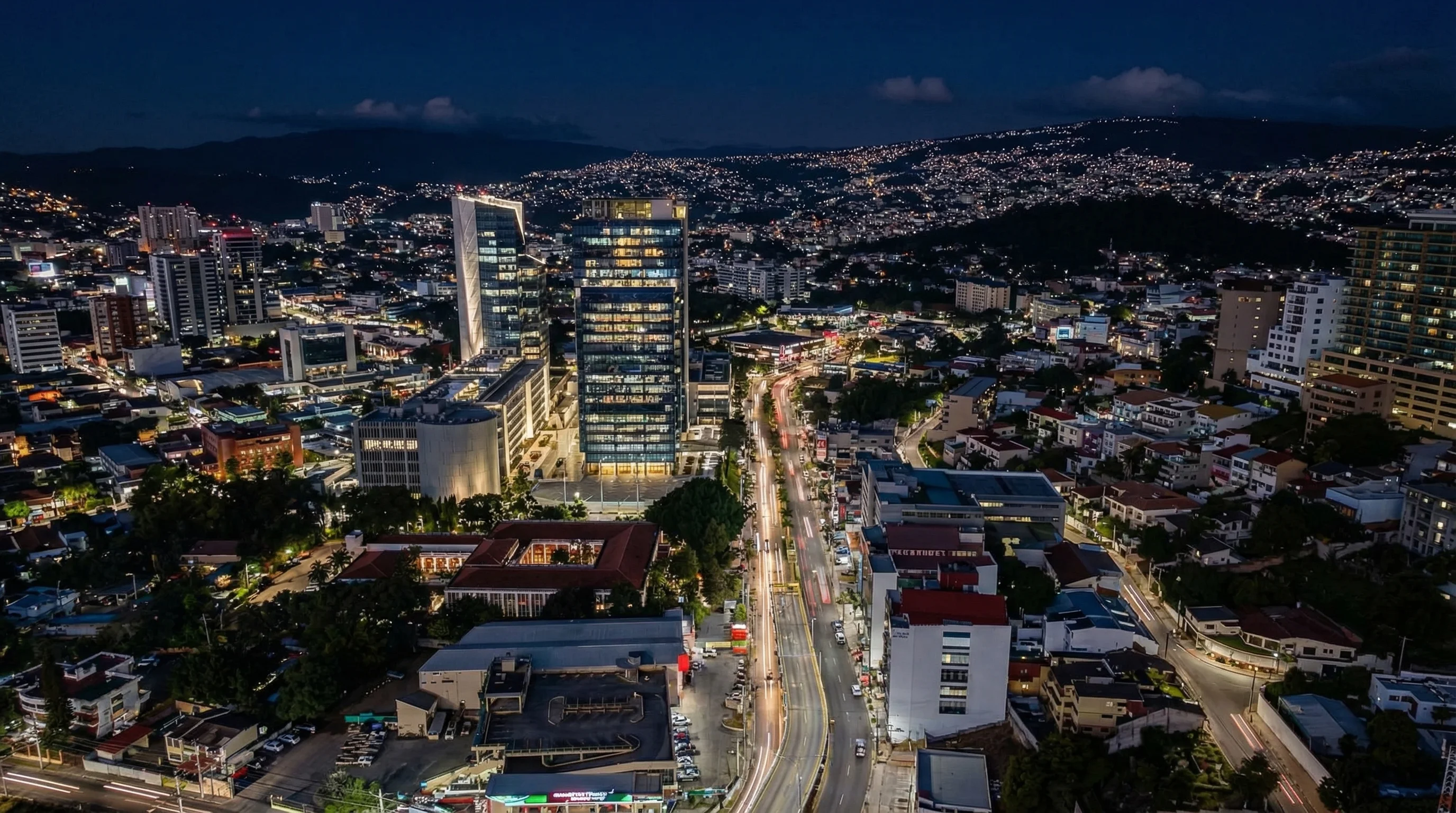
Tegucigalpa
Tegucigalpa, the capital of Honduras, serves as the nation's primary political, commercial, and logistical nucleus. Its strategic importance derives from its central location within the country, providing a crucial distribution hub for goods moving to and from the Pacific and Caribbean coasts, particularly the major port of Puerto Cortés. The city acts as the final destination for a vast array of imports and the origin point for Honduran exports entering regional and global markets.
Economically, Tegucigalpa is driven by textile and apparel maquilas, coffee processing and export, construction materials, food and beverage manufacturing, and consumer goods distribution. The surrounding Francisco Morazán department is a key agricultural zone, adding cargo such as coffee beans and tropical fruits to the freight flow. The city's dense commercial activity generates consistent demand for inbound raw materials and outbound finished products.
Transportation infrastructure is anchored by the CA-5 highway, the main north-south artery of Honduras that connects Tegucigalpa directly to San Pedro Sula and the Caribbean port of Puerto Cortés. Toncontín International Airport (TGU) handles air cargo, while a network of secondary roads distributes freight throughout the capital's urban and industrial zones. This infrastructure, while developing, is essential for facilitating door-to-door FTL operations into this key Central American market.


Ready to ship your cargo?
Get a personalized quote for your freight.
Quote Now Mexico City - Tegucigalpa








