Cheyenne to Omaha
Omaha → CheyenneFTL freight transportation service between Cheyenne and Omaha. Reliable logistics solutions for your business.
Route Description
Everything you need to know about the corridor Cheyenne - Omaha
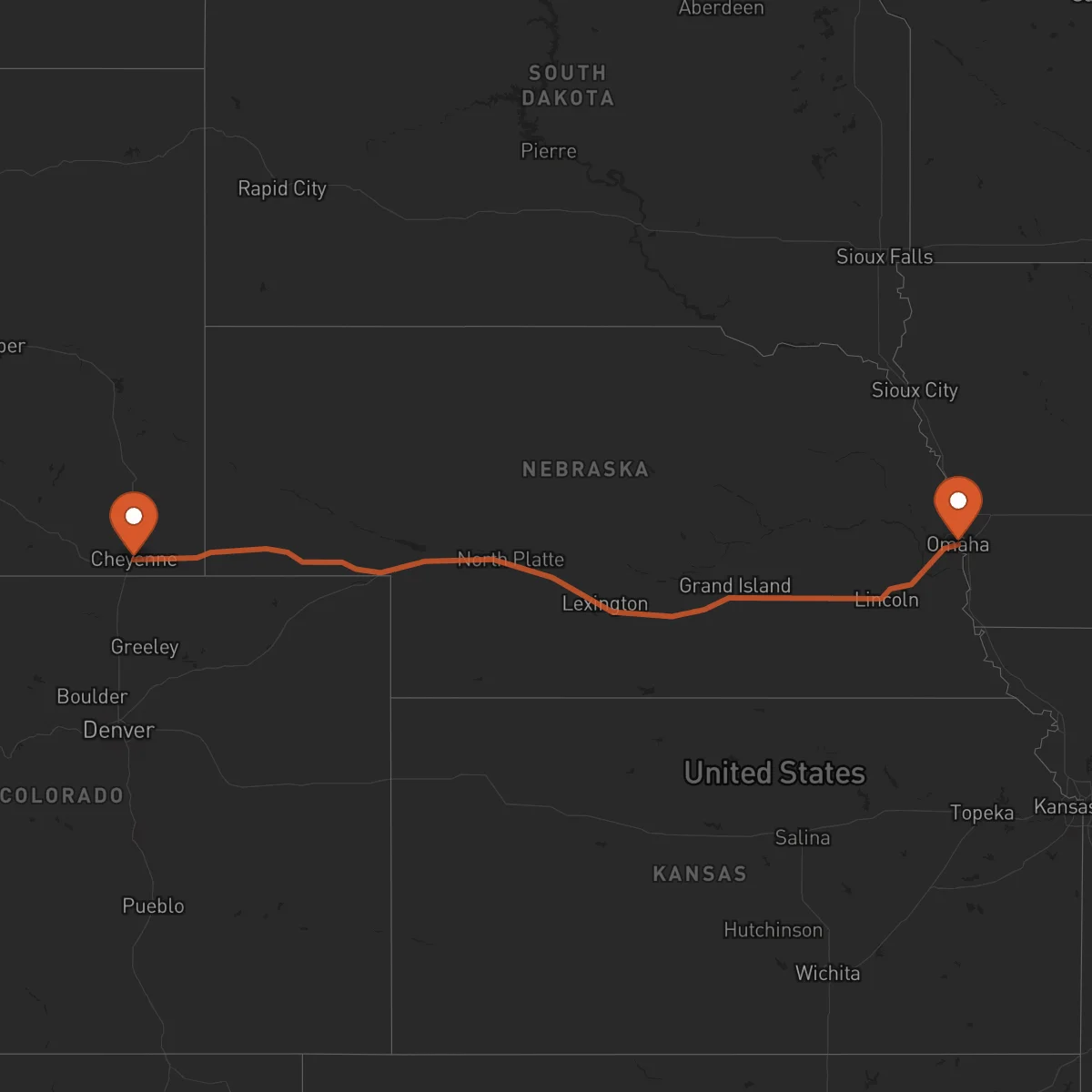
The Cheyenne to Omaha corridor represents a vital logistics connection in the central United States, spanning approximately 743 kilometers through the heart of the Midwest. This domestic route links Wyoming's capital with Nebraska's largest city, creating a strategic transportation artery that supports the movement of goods between the Rocky Mountain region and the agricultural heartland of America. The corridor traverses diverse terrain and connects major economic zones, making it essential for companies requiring reliable freight transportation between these key Midwestern markets.
The economic significance of this route extends beyond its geographic span. Cheyenne serves as a gateway to Wyoming's energy sector and logistics hubs, while Omaha functions as a major financial center and distribution point for the Midwest. The corridor facilitates the flow of industrial equipment, agricultural products, manufactured goods, and raw materials between these complementary economic regions. Companies operating along this route benefit from access to both mountain and plains states' markets, creating opportunities for integrated supply chain solutions.
Control Terrestre enhances operations on this corridor through our network of certified transportation providers and specialized equipment. Our full truckload services ensure dedicated capacity for shipments requiring consistent transit times and secure handling. We leverage our expertise in domestic freight to provide seamless door-to-door solutions, coordinating with experienced carriers who understand the nuances of this important Midwest connection. Our commitment to safety, reliability, and customer service makes us the preferred partner for companies moving freight between Cheyenne and Omaha.
Services for this Route
Available services for the corridor Cheyenne - Omaha
 Origin
Cheyenne
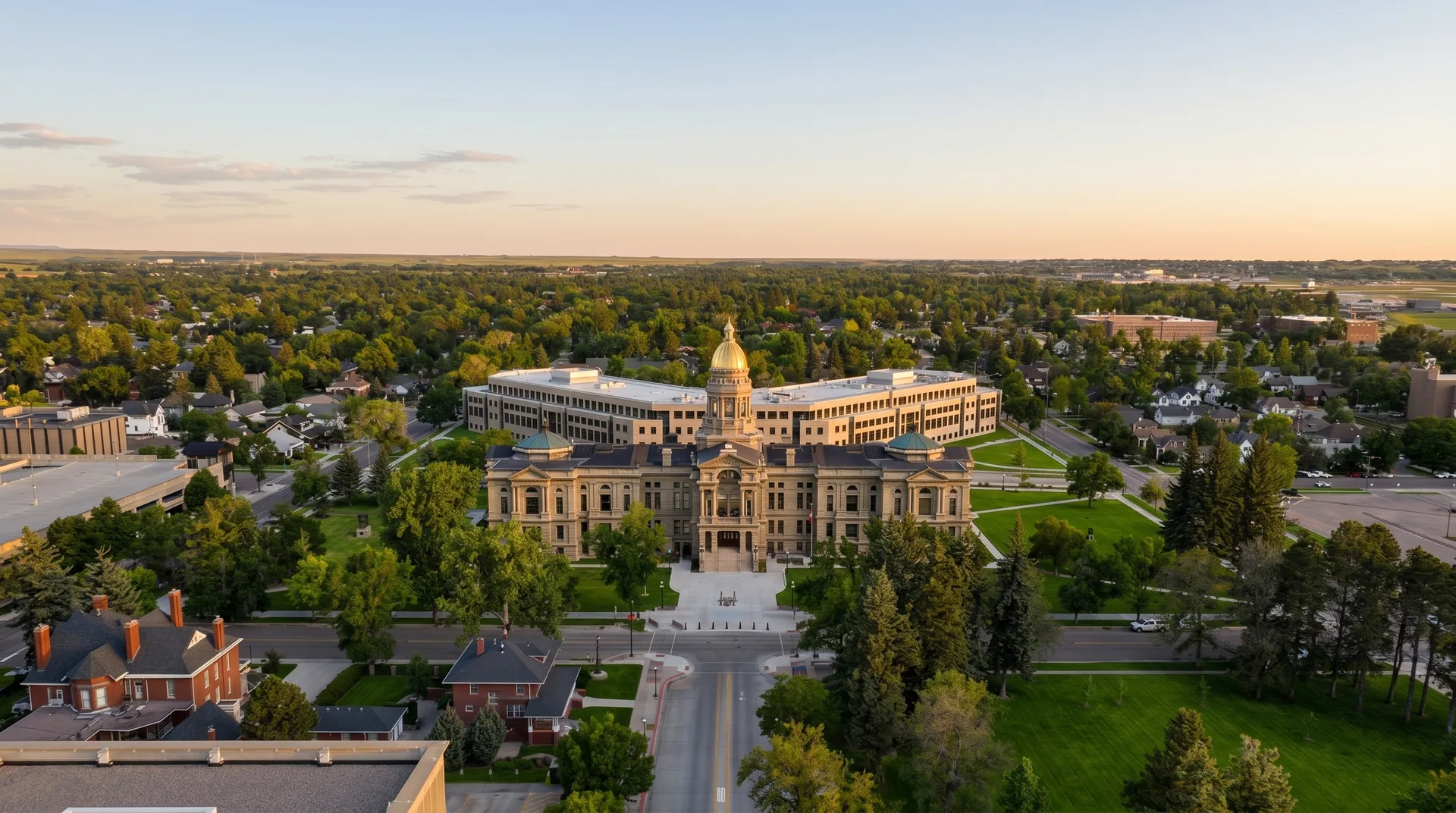
Cheyenne, Wyoming serves as a strategic logistics hub positioned at the intersection of major transportation routes in the Rocky Mountain region. The city's location provides access to I-25 and I-80, two of the most important freight corridors in the western United States. Cheyenne's elevation of 6,000 feet and proximity to the Colorado border make it an ideal transshipment point for goods moving between mountain states and the Midwest. The city's logistics infrastructure includes the Cheyenne Regional Airport and the Union Pacific rail yard, creating multimodal transportation options for freight forwarders and shippers.
The economic base of Cheyenne centers on government operations, military installations, and energy production, with growing logistics and distribution sectors. The city's proximity to Denver and its role as Wyoming's capital create consistent freight movement patterns throughout the year. Local industries including manufacturing, technology, and retail contribute to steady demand for ground transportation services. Cheyenne's business-friendly environment and central location within Wyoming make it an attractive origin point for companies distributing products throughout the Mountain West and beyond.
 Destination
Omaha
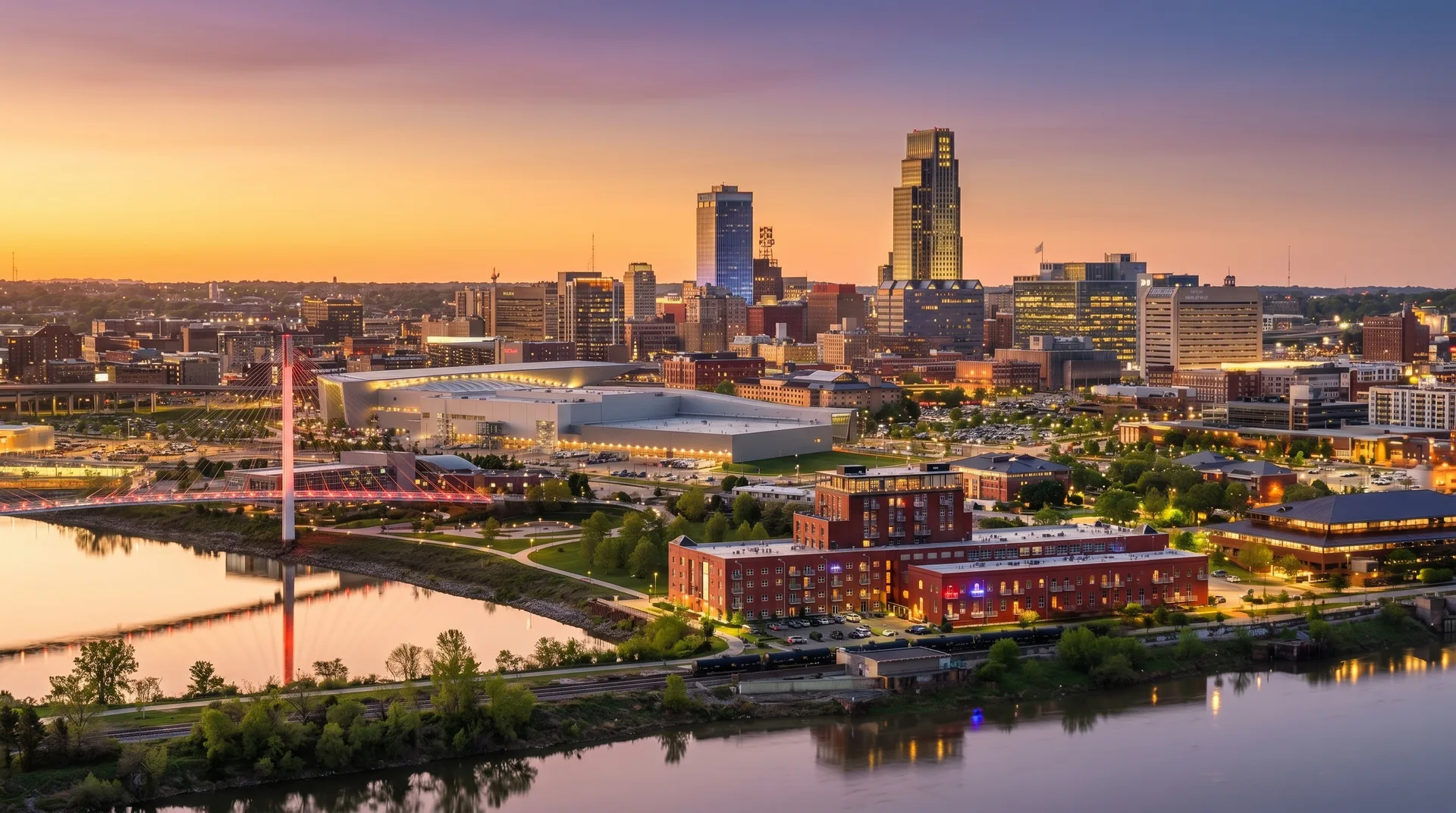
Omaha, Nebraska stands as a major logistics and distribution center in the American Midwest, strategically positioned at the crossroads of I-80 and I-29. The city's location provides immediate access to major freight corridors connecting the East and West coasts with the central United States. Omaha's transportation infrastructure includes the Omaha International Airport, extensive rail networks operated by Union Pacific and BNSF, and the Port of Omaha offering barge transportation on the Missouri River. This multimodal capability makes Omaha an ideal destination for companies requiring flexible freight solutions and efficient distribution networks.
The economic landscape of Omaha features strong representation from financial services, insurance, agriculture, and manufacturing sectors. The city hosts the headquarters of several Fortune 500 companies and serves as a regional hub for healthcare and education. Omaha's central location within a day's drive of major Midwest markets creates consistent demand for freight transportation services. The city's robust warehousing and distribution infrastructure, combined with its skilled workforce, supports complex supply chain operations for companies serving the broader Midwest region.










