Cheyenne to Mérida
Mérida → CheyenneFTL freight transportation service between Cheyenne and Mérida. Reliable logistics solutions for your business.
Route Description
Everything you need to know about the corridor Cheyenne - Mérida
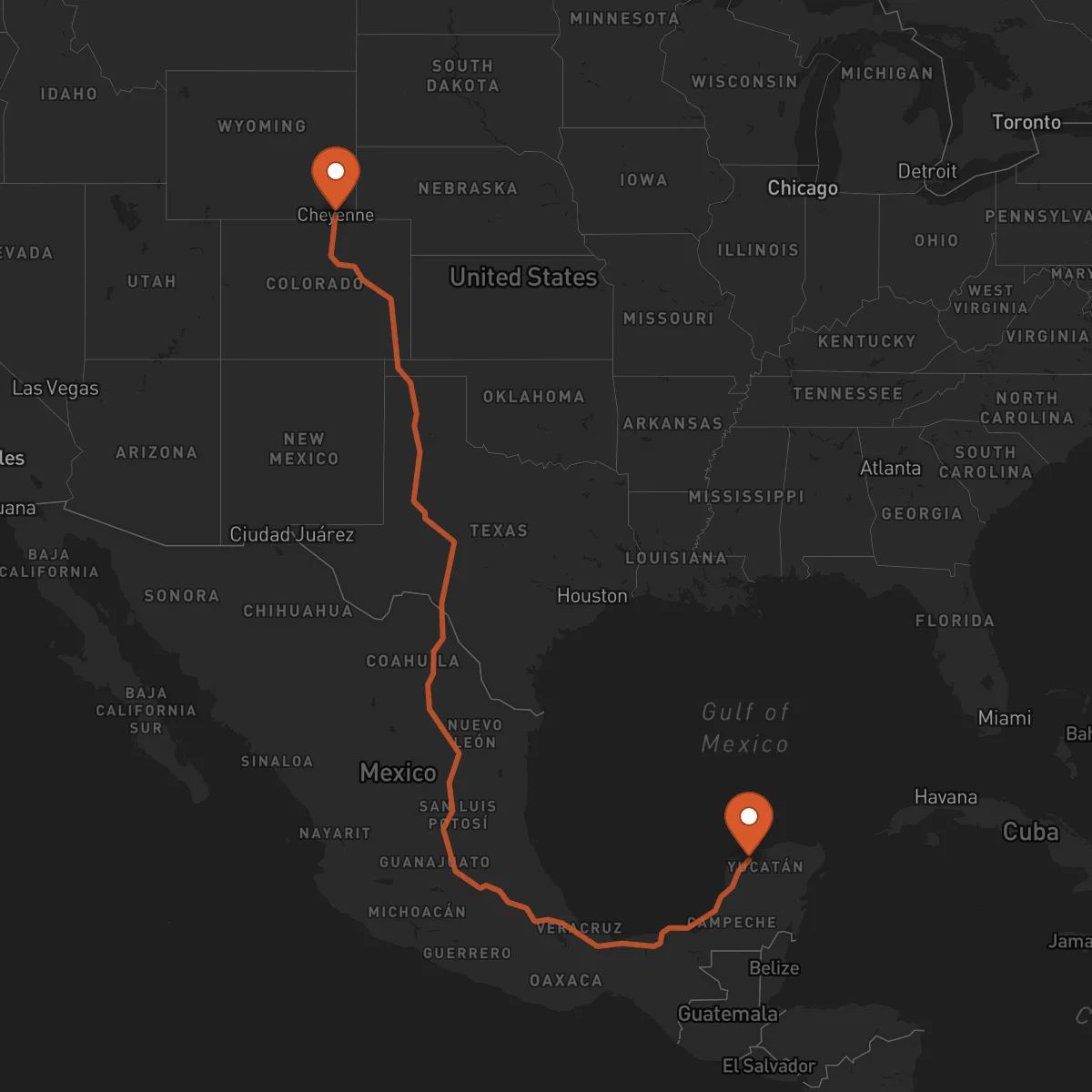
The logistics corridor between Cheyenne, Wyoming, and Mérida, Yucatán, represents a vital cross-border connection spanning approximately 2,662 kilometers. This route traverses the heart of North America, linking the industrial Midwest with the vibrant economic center of the Yucatán Peninsula. The corridor serves as a crucial artery for trade between the United States and Mexico, facilitating the movement of goods that drive economic growth on both sides of the border.
This route passes through diverse economic regions, from the energy and manufacturing hubs of Wyoming and surrounding states to the agricultural and tourism-driven economy of the Yucatán. The corridor connects major industrial centers, allowing companies to optimize their supply chains by leveraging the complementary strengths of both regions. Key industries utilizing this route include automotive parts, agricultural products, industrial equipment, and consumer goods.
The transportation infrastructure along this corridor is robust, primarily utilizing major highways including I-25 and I-40 through the United States, connecting to Mexican Federal Highways 45 and 180D. The main border crossing at Laredo/Nuevo Laredo offers efficient processing capabilities, supported by programs like C-TPAT and FAST that expedite cross-border movements. Control Terrestre facilitates seamless operations on this corridor through our experienced team, certified carriers, and comprehensive understanding of cross-border documentation requirements, ensuring your freight moves efficiently from origin to destination.
Services for this Route
Available services for the corridor Cheyenne - Mérida
 Origin
Cheyenne
Cheyenne, Wyoming, serves as a strategic logistics hub in the American West, positioned at the intersection of major transportation routes. The city's location provides excellent access to the broader Mountain West region and beyond, with direct connections to Interstate highways that facilitate efficient distribution throughout the United States. Cheyenne's transportation infrastructure includes a well-developed network of highways, rail connections, and proximity to major air cargo facilities.
The local economy is anchored by government services, military installations, and a growing technology sector, complemented by traditional industries such as energy, mining, and agriculture. The region's industrial base produces a diverse range of goods, from agricultural products and machinery to specialized equipment and manufactured items. Cheyenne's logistics ecosystem benefits from favorable business conditions, including lower operational costs compared to major coastal cities, making it an attractive origin point for companies looking to optimize their supply chain operations.
 Destination
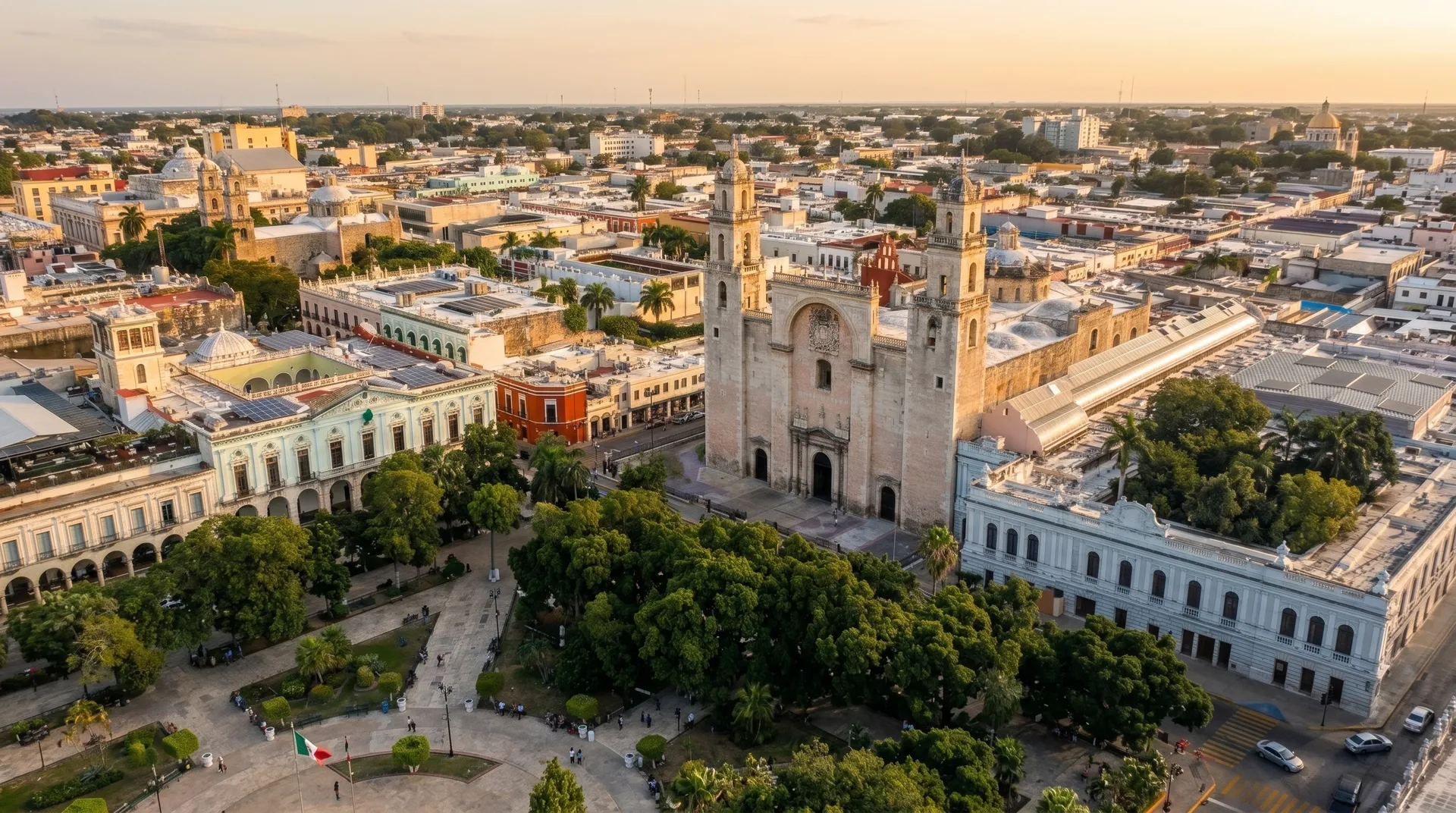
Mérida, Yucatán, stands as a strategic logistics gateway to the Yucatán Peninsula and the broader Southeast Mexican region. Located in the heart of the peninsula, Mérida provides excellent connectivity to major ports, tourism destinations, and industrial parks throughout the region. The city's transportation infrastructure includes modern highways, an international airport, and improving rail connections that support efficient distribution of goods throughout the peninsula.
The economic landscape of Mérida and the surrounding Yucatán region is diverse and growing, with strong sectors in tourism, agriculture, manufacturing, and services. The region has seen significant investment in aerospace, automotive, and renewable energy industries, creating demand for reliable logistics services. Mérida's strategic position also makes it a key distribution point for goods destined for the Riviera Maya, Campeche, and other parts of the peninsula, as well as a gateway for exports to Central America and beyond.










