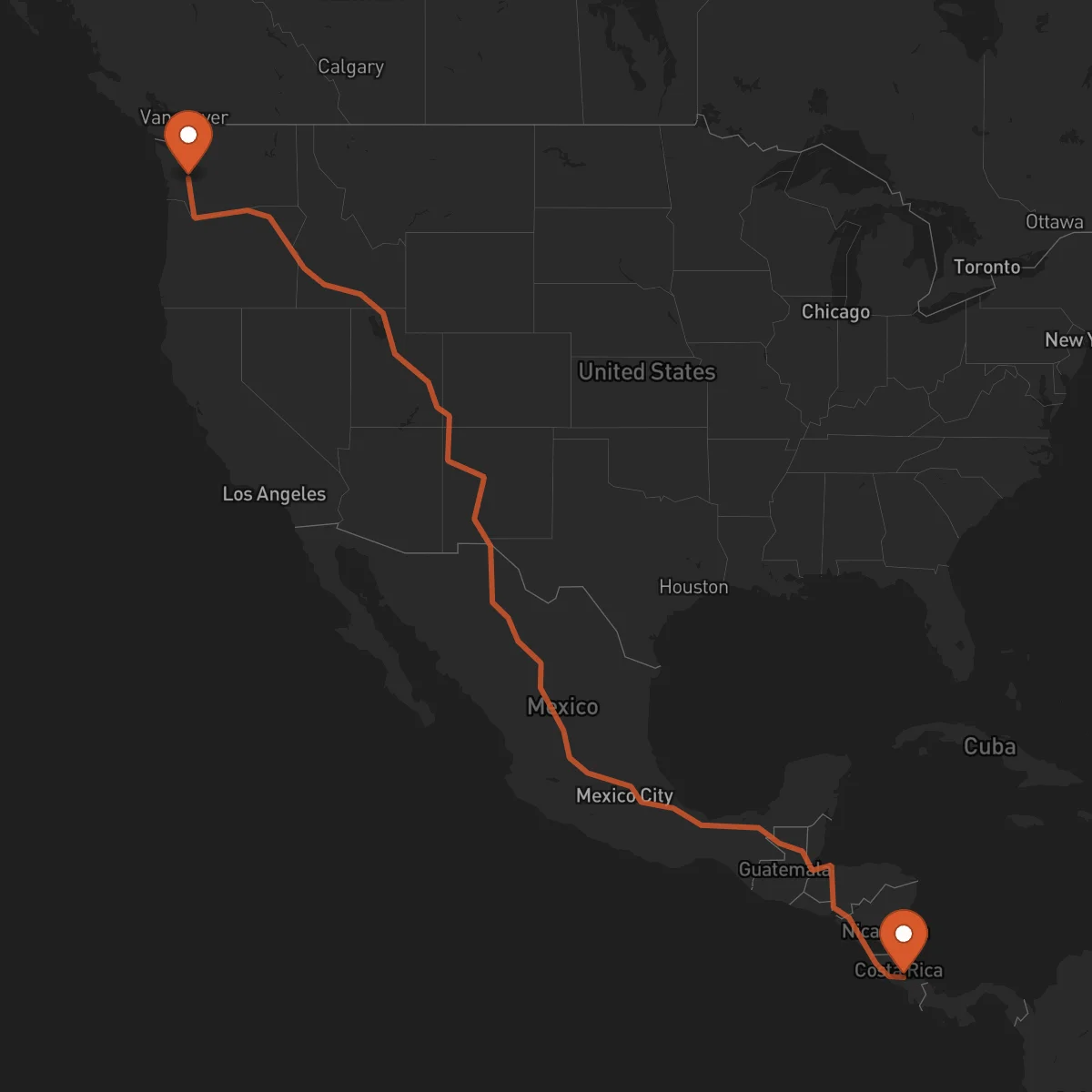
Cartago to Olympia
Olympia → CartagoFTL freight transportation service between Cartago and Olympia. Reliable logistics solutions for your business.
Route Description
Everything you need to know about the corridor Cartago - Olympia
The Cartago to Olympia corridor represents a vital north-south artery connecting the industrial heartland of Costa Rica with the Pacific Northwest of the United States. This strategic cross-border route spans approximately 5,522 kilometers, traversing the entirety of Central America and Mexico before entering the U.S. It serves as a critical conduit for trade between dynamic Central American economies and the major consumption markets of Washington State and beyond. The corridor's importance is amplified by its role in moving time-sensitive agricultural goods, manufactured products, and specialized cargo that require reliable, door-to-door freight solutions.
Economically, the corridor links the robust agricultural and high-tech manufacturing sectors of Costa Rica's Central Valley with the diverse industrial base of Western Washington. Key industries leveraging this route include fresh produce (coffee, bananas, pineapples), electronics and medical devices from Costa Rica, and inbound shipments of agricultural inputs, machinery, and consumer goods destined for Olympia's distribution networks. The flow is bidirectional, with U.S. manufactured goods and raw materials moving south to serve Central American assembly plants and markets.
Transportation infrastructure relies on a network of major highways, including Costa Rica's Route 1 (CA-1), the Pan-American Highway through Nicaragua, Honduras, El Salvador, and Guatemala, Mexico's Federal Highway 190 and 200, and the crucial Interstate 5 corridor in the United States. Key border crossings, such as Peñas Blancas (Costa Rica/Nicaragua), Tecún Umán (Guatemala/Mexico), and the numerous Mexico-U.S. crossings (e.g., Otay Mesa, Calexico East), are pivotal nodes. Navigating these requires expertise in customs regulations and programs like C-TPAT and FAST, which our provider alliances are certified in, ensuring streamlined clearance.
Control Terrestre facilitates seamless operations on this complex corridor through our dedicated alliance model. We provide a single point of contact for full truckload (FTL) services, coordinating certified carriers equipped for cross-border compliance. Our capabilities include dedicated fleets for consistent volume, expedited options for urgent shipments, and specialized equipment (reefers for perishables, flatbeds for oversized cargo) to match the specific needs of goods moving between Cartago and Olympia. We manage the entire door-to-door process, from origin pickup in Cartago to final delivery in Olympia, handling the documentation and regulatory nuances inherent to this international route.
Services for this Route
Available services for the corridor Cartago - Olympia
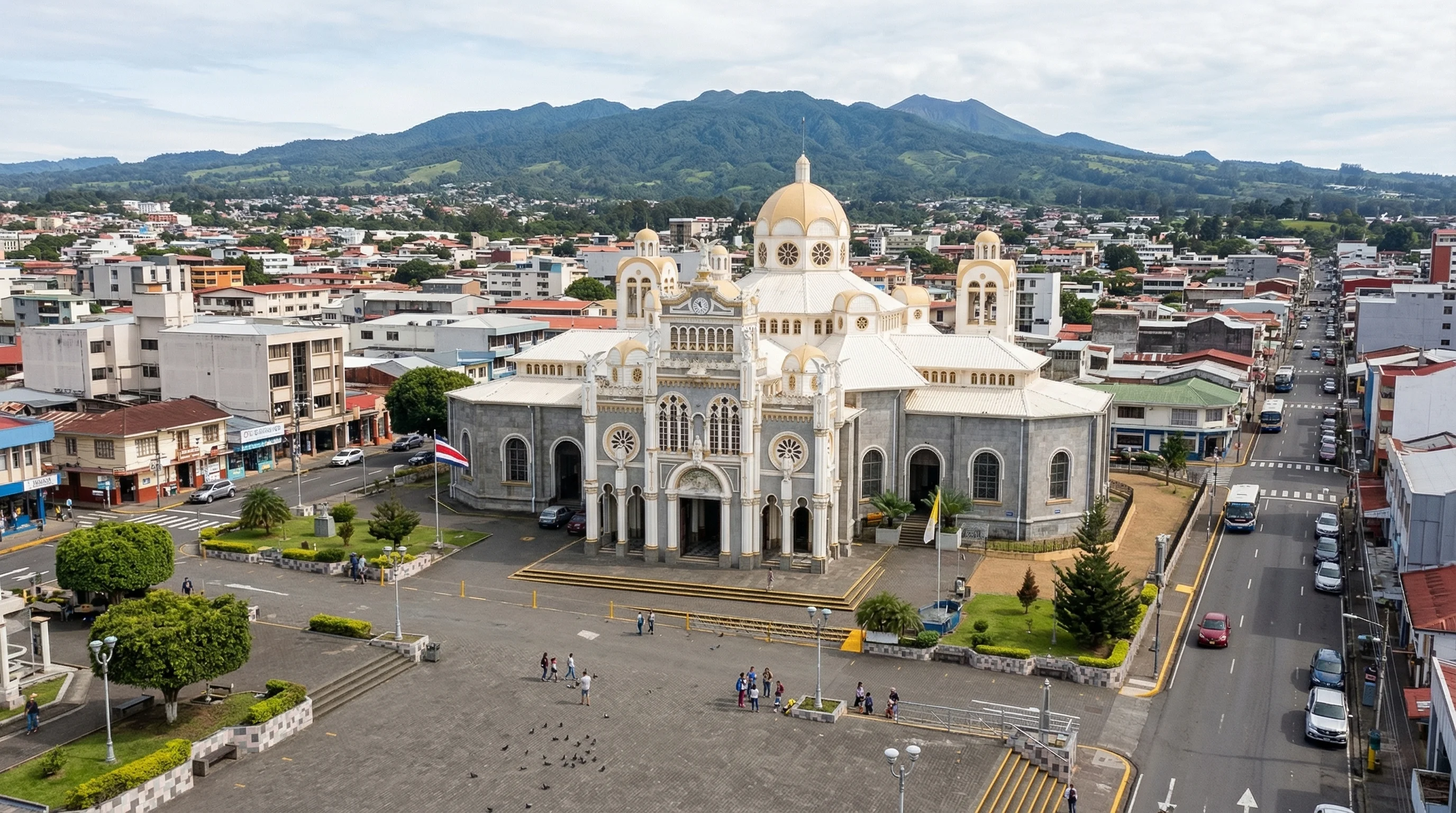 Origin
Cartago
Cartago, located in Costa Rica's Central Valley, is a strategic logistics hub due to its proximity to the capital, San José, and the primary port of Limón on the Caribbean coast. This positioning offers efficient access to both major production zones and export gateways. The region is an economic powerhouse, driving Costa Rica's renowned high-tech manufacturing (medical devices, electronics) and premium agricultural sectors (coffee, flowers, vegetables). Its infrastructure is supported by a dense network of paved highways connecting to Limón and the Pan-American Route 1, facilitating swift domestic consolidation before international transit. The presence of free trade zones and a skilled workforce further solidifies its role as a key origin for value-added exports requiring reliable FTL connections to North American markets.
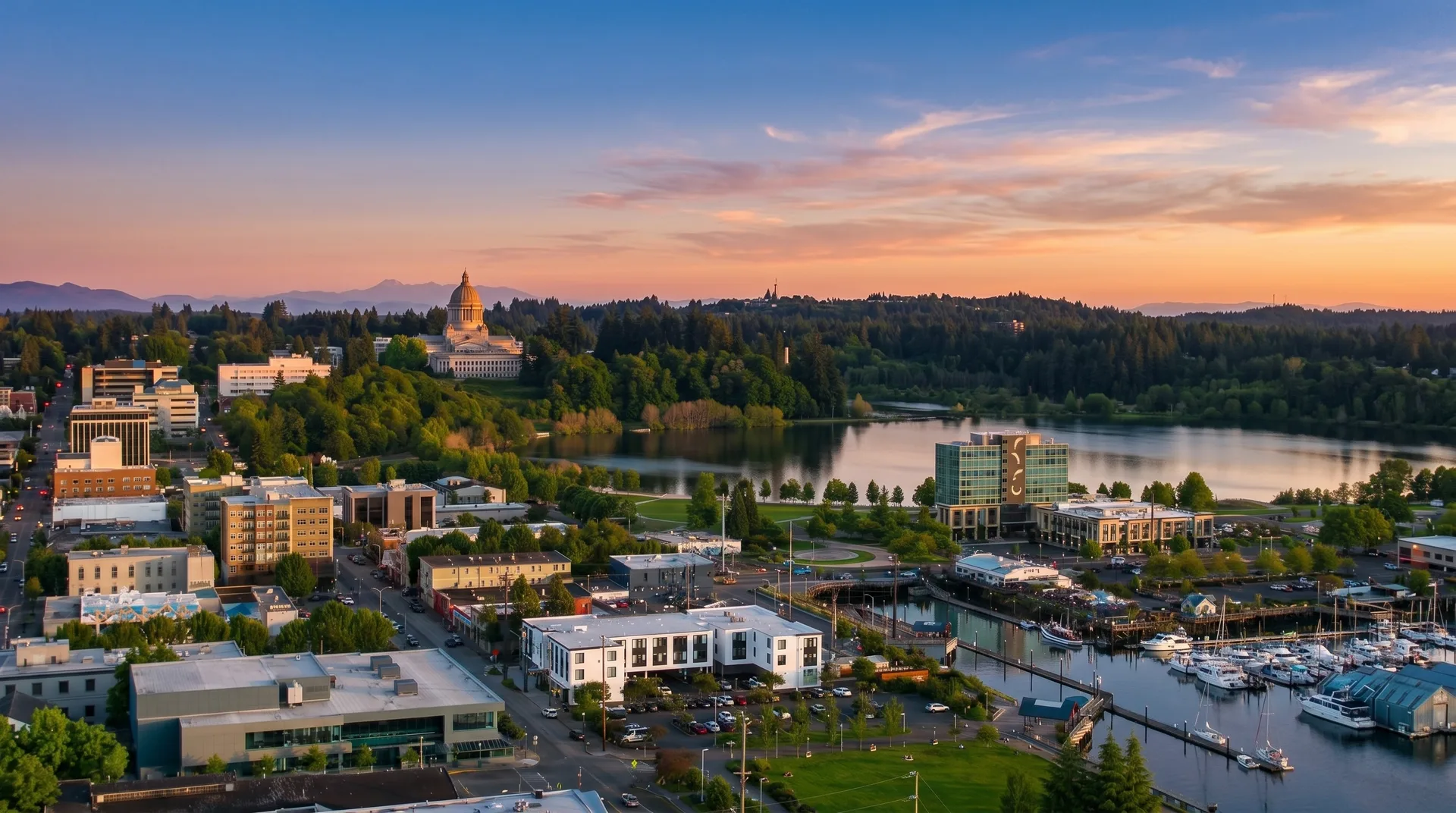 Destination
Olympia
Olympia, Washington, serves as a strategic gateway to the Pacific Northwest and a key distribution center for the region. Its location at the southern end of Puget Sound provides access to deep-water ports (like the Port of Olympia and nearby Seattle/Tacoma) and the critical I-5 corridor, the primary north-south artery on the West Coast. The local economy is diversified, anchored by state government operations, a significant agricultural sector (berries, dairy, hops), food processing, and maritime/industrial manufacturing. This creates consistent demand for inbound FTL freight of raw materials, packaging, and finished goods, as well outbound shipments of regional products. The area's infrastructure is bolstered by direct highway links, rail intermodal facilities, and port connections, making it a well-equipped terminus for cross-border logistics from Central America.










