Cancún to McAllen
McAllen → CancúnFTL freight transportation service between Cancún and McAllen. Reliable logistics solutions for your business.
Route Description
Everything you need to know about the corridor Cancún - McAllen
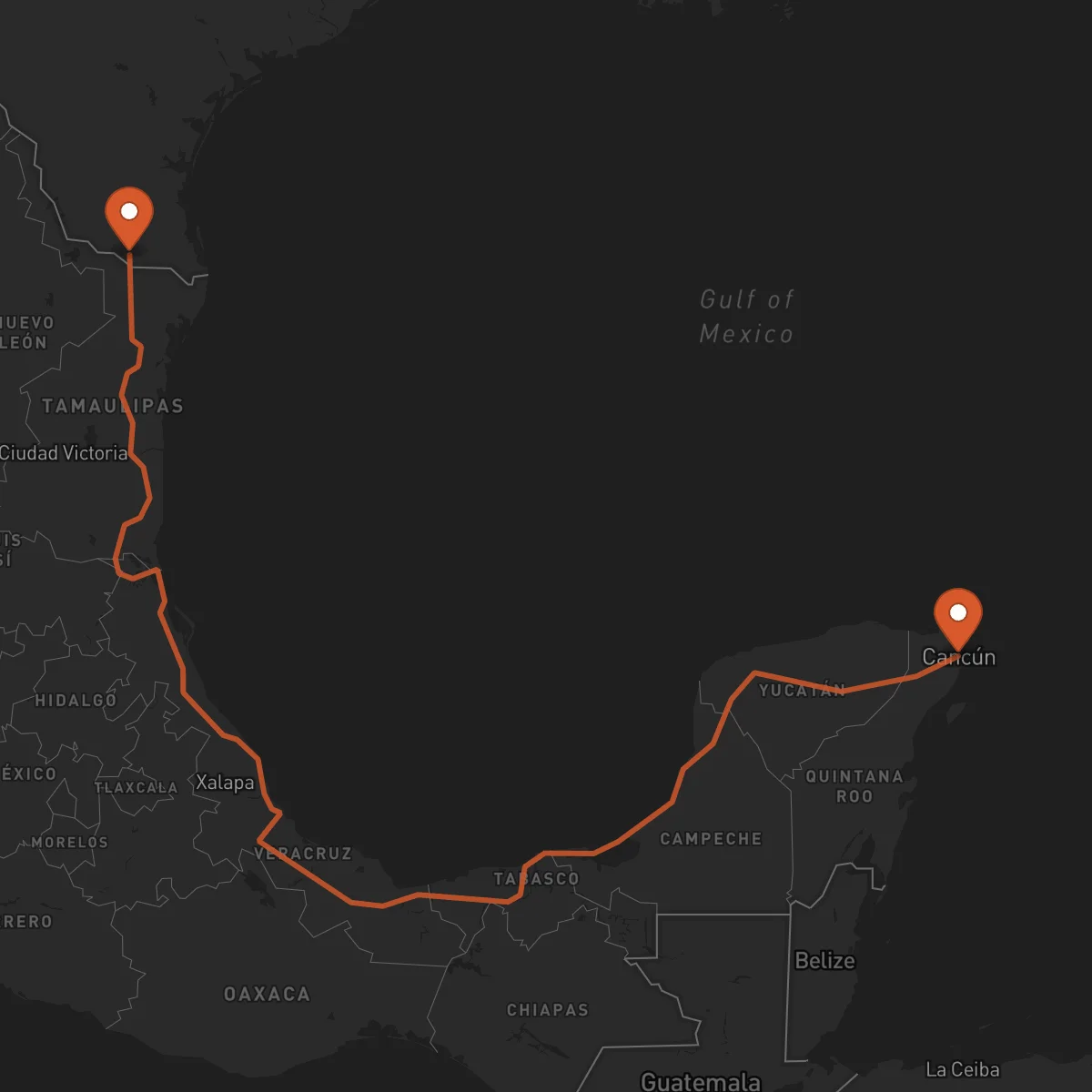
The Cancún-McAllen logistics corridor represents a vital trade link between Mexico's Caribbean coast and the southern United States. This 1,286 km route connects one of Mexico's most important tourist destinations with a key border crossing hub, facilitating the movement of goods between two major economic regions. The corridor serves as a critical artery for cross-border trade, enabling efficient transportation of cargo from Quintana Roo's production centers to distribution points in Texas and beyond.
The economic significance of this corridor extends beyond tourism. Cancún and the surrounding region have developed robust manufacturing and export sectors, particularly in electronics, automotive components, and agricultural products. McAllen, positioned as a major logistics hub in the Rio Grande Valley, provides strategic access to the broader US market through its proximity to major transportation networks and distribution centers. The corridor supports industries ranging from perishables and consumer goods to industrial equipment and specialized cargo.
Transportation infrastructure along this route includes Mexico's Federal Highway 180 and Federal Highway 101, connecting through key cities like Mérida, Villahermosa, and Veracruz before crossing into the United States. The primary border crossing at Pharr International Bridge in McAllen offers efficient processing capabilities for commercial freight. Control Terrestre leverages this infrastructure with specialized cross-border expertise, ensuring seamless cargo movement through customs procedures and providing reliable FTL transportation solutions that meet the demanding requirements of time-sensitive and high-value shipments between Cancún and McAllen.
Services for this Route
Available services for the corridor Cancún - McAllen
 Origin
Cancún
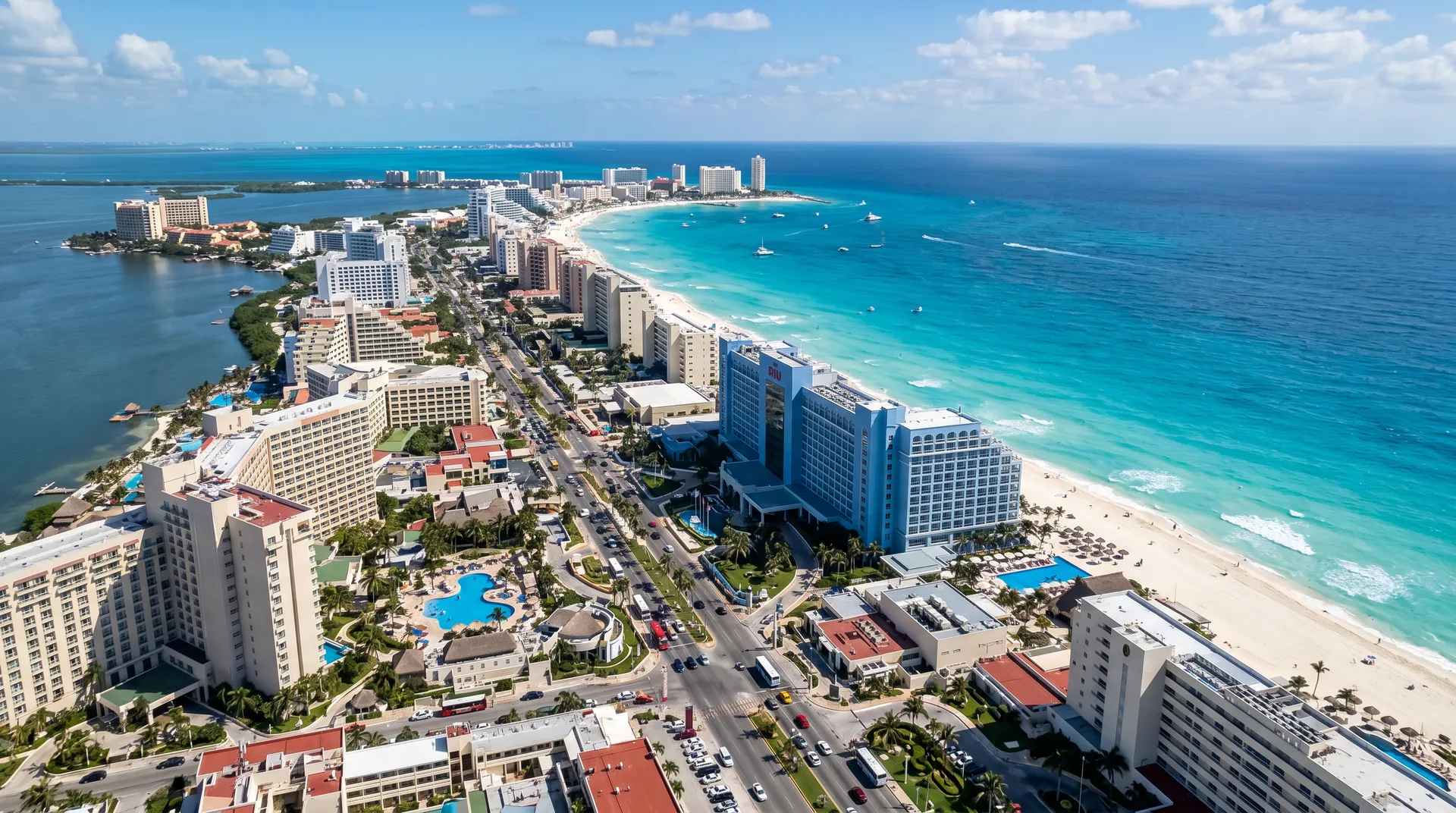
Cancún serves as a strategic logistics hub for Mexico's southeastern region, combining its role as a major tourist destination with growing industrial capabilities. Located in Quintana Roo, Cancún provides access to the broader Yucatán Peninsula and connects to national and international markets through its modern transportation infrastructure. The city's proximity to key production centers in the region makes it an ideal origin point for freight distribution across Mexico and into the United States.
The region's economy extends well beyond tourism, with significant activity in electronics manufacturing, automotive parts production, and agricultural exports. Cancún's industrial parks host numerous maquiladora operations and export-oriented manufacturers. The area is equipped with modern logistics facilities, including industrial parks with warehousing capabilities, and benefits from its international airport for air freight connections. Ground transportation infrastructure provides reliable access to major highways connecting to central and northern Mexico.
 Destination
McAllen
McAllen, Texas, stands as a crucial logistics gateway in the southern United States, strategically positioned for cross-border trade with Mexico. As part of the Rio Grande Valley, McAllen serves as a major distribution center with excellent connectivity to the broader US market through an extensive network of highways, railways, and air cargo facilities. Its location just north of the US-Mexico border makes it an ideal destination for freight entering the United States from Mexico's southeastern regions.
The McAllen area has developed into a significant economic center with strong presence in retail distribution, healthcare, and manufacturing sectors. The region's logistics infrastructure includes the Pharr International Bridge, one of the busiest commercial border crossings in Texas, along with modern warehousing and distribution centers. McAllen's proximity to major US cities like San Antonio, Houston, and Dallas, combined with its role in the NAFTA/USMCA trade corridor, makes it an essential node for companies seeking efficient distribution throughout the United States.










