Brampton to Bismarck
Bismarck → BramptonFTL freight transportation service between Brampton and Bismarck. Reliable logistics solutions for your business.
Route Description
Everything you need to know about the corridor Brampton - Bismarck
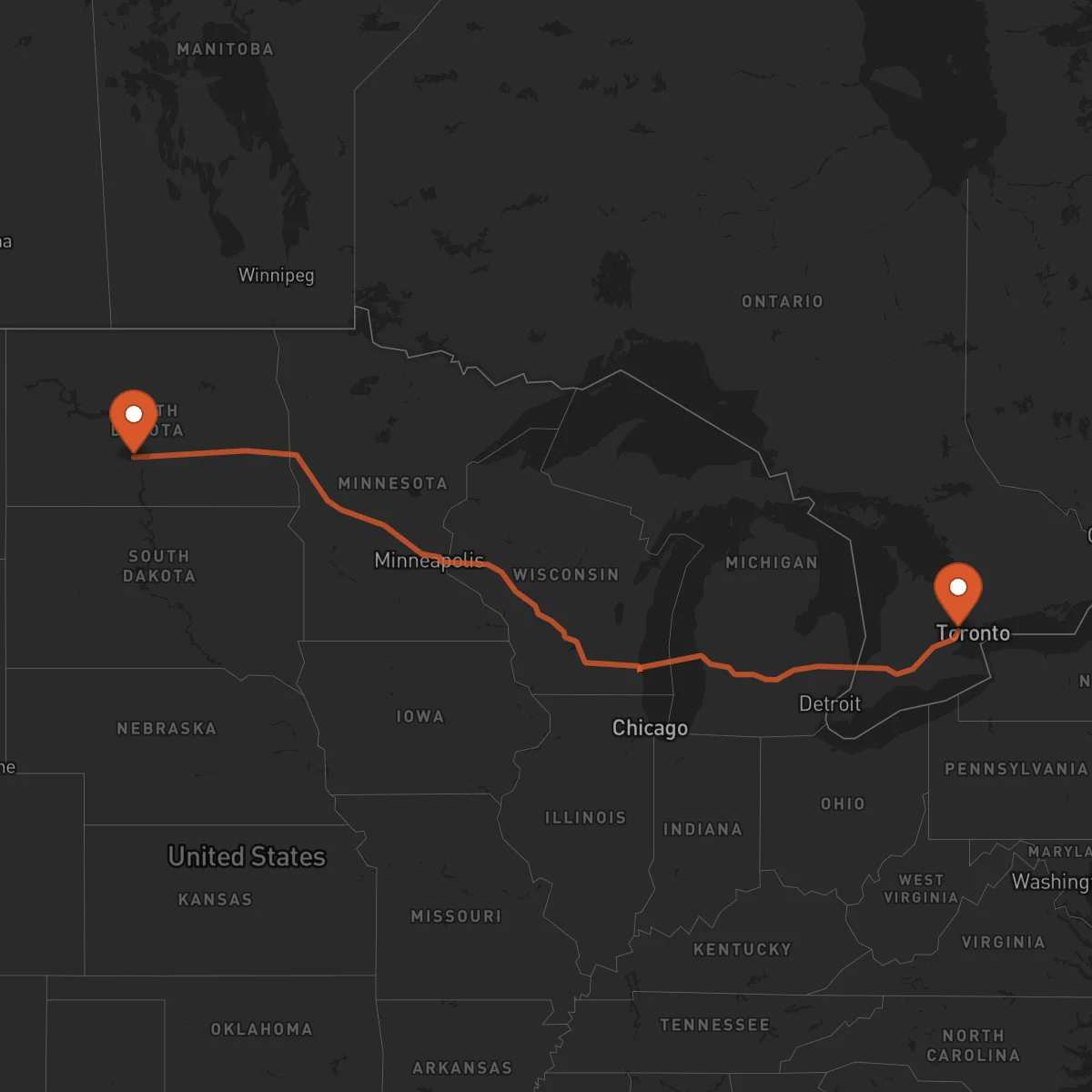
The logistics corridor connecting Brampton, Ontario, Canada to Bismarck, North Dakota, United States represents a vital cross-border freight transportation route spanning approximately 1,677 kilometers. This corridor serves as a crucial link between Canada's manufacturing heartland and the central United States, facilitating the movement of goods across the North American industrial network. The route traverses major economic regions, connecting the Greater Toronto Area's extensive logistics infrastructure with the growing industrial centers of the Upper Midwest.
The corridor's significance stems from the complementary economic activities in both regions. Brampton serves as a major distribution hub for Canadian and international goods, while Bismarck functions as a key logistics center for North Dakota's agricultural, energy, and manufacturing sectors. The route primarily utilizes major highway systems including Ontario's 401 and Quebec's 20 before crossing into the United States via key border crossings. From there, freight continues along Interstate 29 and other major US highways toward North Dakota.
Control Terrestre specializes in managing cross-border operations along this corridor, ensuring seamless freight movement between Canadian and US jurisdictions. Our expertise includes handling customs documentation, regulatory compliance, and coordination with certified transportation partners who maintain C-TPAT and FAST certifications. We provide dedicated full truckload (FTL) services with appropriate equipment types including dry vans and refrigerated units, ensuring reliable transportation of diverse cargo types between these strategic locations.
Services for this Route
Available services for the corridor Brampton - Bismarck
 Origin
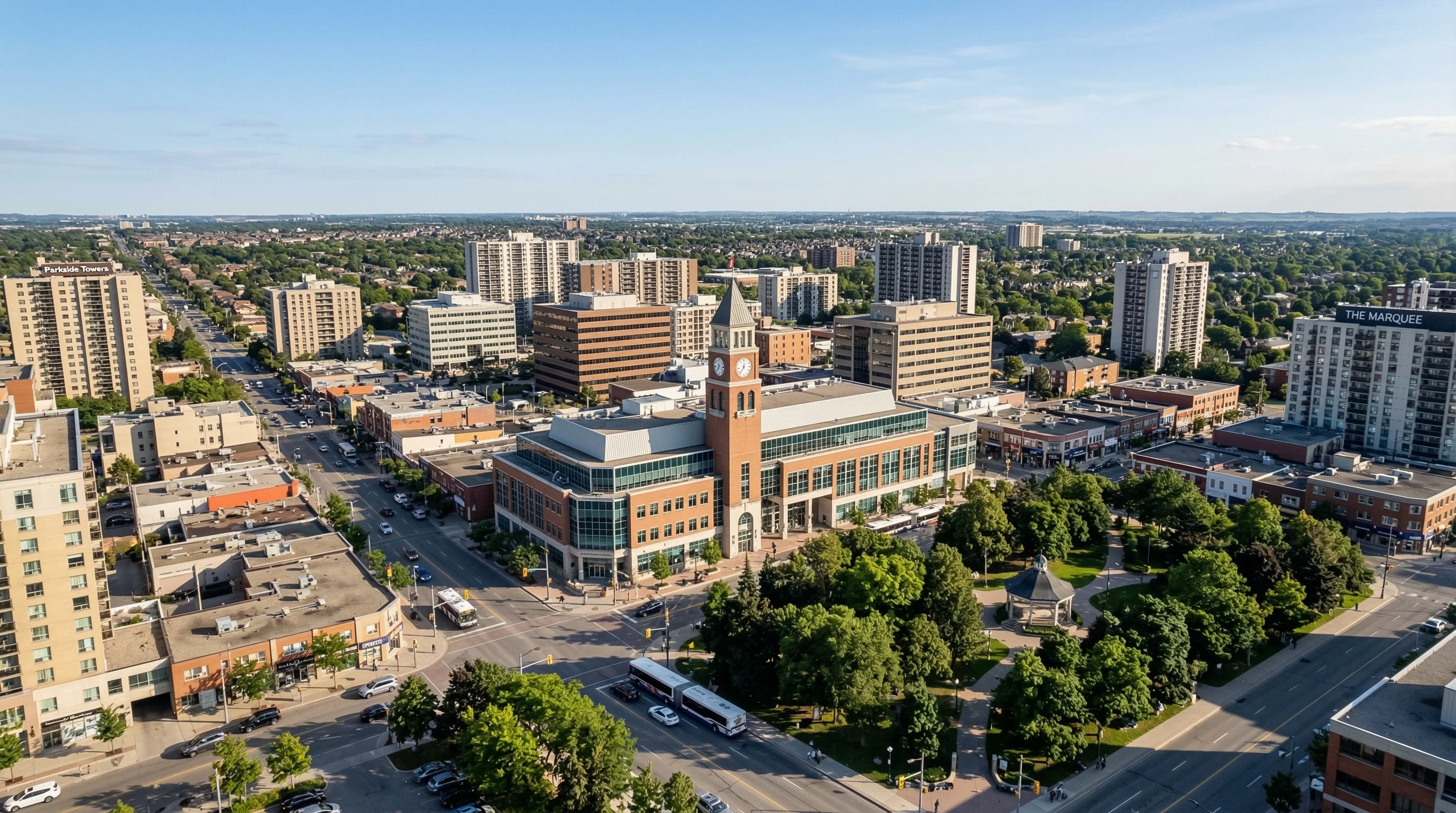
Brampton, located in the Greater Toronto Area of Ontario, Canada, stands as a major logistics and manufacturing hub in North America. The city's strategic location provides immediate access to Highway 401, North America's busiest transportation artery, connecting to major US corridors and international markets. Brampton hosts numerous warehousing and distribution centers, serving as a critical node in Canada's supply chain network.
The region's economy is diverse, with strong manufacturing, technology, and logistics sectors. Major industries include automotive parts, food processing, pharmaceuticals, and advanced manufacturing. The city's proximity to Toronto Pearson International Airport and major rail terminals enhances its multimodal transportation capabilities, making it an ideal origin point for cross-border freight movements to the United States.
 Destination
Bismarck
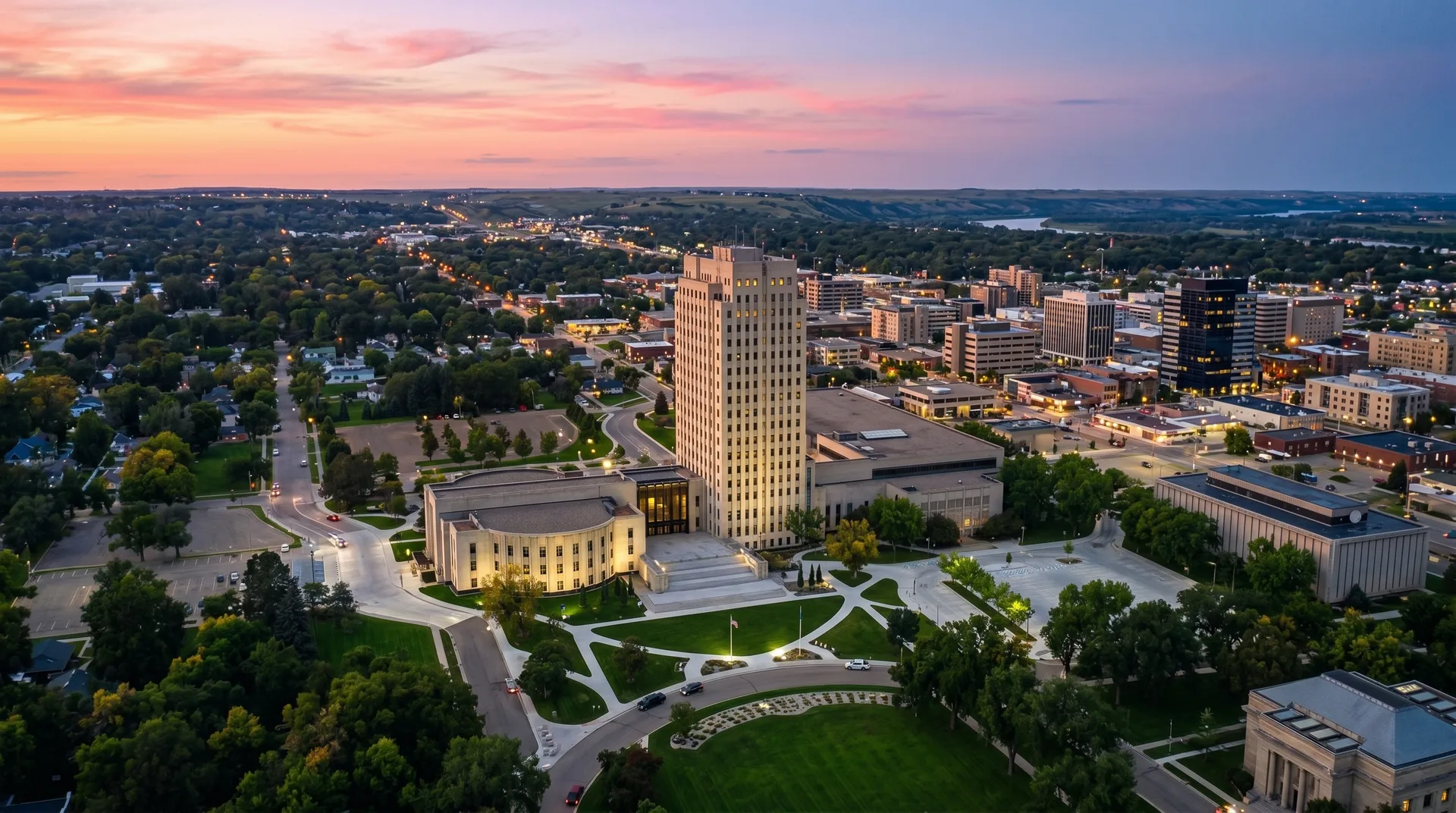
Bismarck, the capital city of North Dakota, serves as a strategic logistics center in the Upper Midwest United States. Located along the Missouri River, the city provides excellent access to regional transportation networks and serves as a gateway to the Northern Plains states. Bismarck's position along Interstate 94 connects it to major markets in Minneapolis, Chicago, and beyond.
The local economy is anchored by government services, healthcare, energy production, and agriculture. The region's strong agricultural sector requires reliable transportation for grain, livestock, and agricultural equipment, while the energy industry demands specialized freight services for equipment and supplies. Bismarck's growing manufacturing base and distribution centers make it a key destination for cross-border freight from Canada, supported by its well-developed transportation infrastructure and proximity to major US markets.










