Bismarck to Brampton
Brampton → BismarckFTL freight transportation service between Bismarck and Brampton. Reliable logistics solutions for your business.
Route Description
Everything you need to know about the corridor Bismarck - Brampton
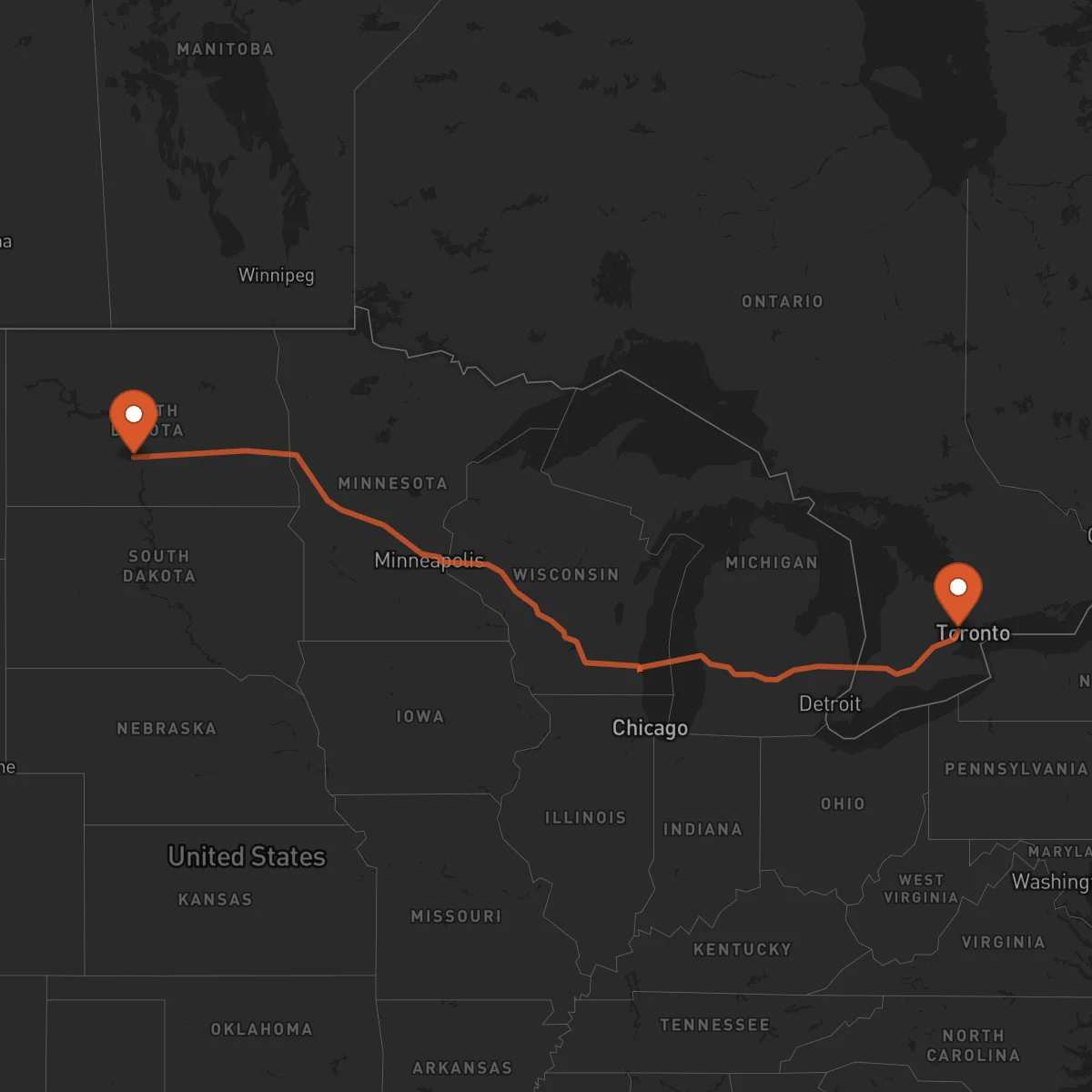
The Bismarck to Brampton corridor represents a vital cross-border freight route connecting the central United States with Canada's largest transportation hub. This 1,677 km corridor traverses diverse landscapes and connects major industrial centers, facilitating the movement of goods between North Dakota's energy and agricultural sectors and Ontario's manufacturing and distribution networks. The route primarily follows Interstate 94 East through Minnesota before connecting to Ontario's highway system, providing reliable access for full truckload (FTL) freight movements.
The economic significance of this corridor is substantial, linking North Dakota's booming energy sector and agricultural production with Canada's automotive manufacturing heartland in Ontario. Brampton, as part of the Greater Toronto Area, serves as a critical logistics hub with proximity to major Canadian markets and international shipping ports. The corridor supports industries including automotive parts, agricultural products, industrial equipment, and consumer goods, with freight volumes steadily increasing due to growing trade between the United States and Canada.
Transportation infrastructure along this route is robust, featuring well-maintained highways and established border crossing points. The corridor benefits from multiple entry points into Canada, with the most commonly used being the Blue Water Bridge near Sarnia or the Windsor-Detroit crossing, depending on specific destination requirements in Brampton. Control Terrestre's expertise in cross-border operations ensures seamless customs clearance and compliance with both US and Canadian regulations, facilitating efficient freight movement across this international boundary.
Services for this Route
Available services for the corridor Bismarck - Brampton
 Origin
Bismarck
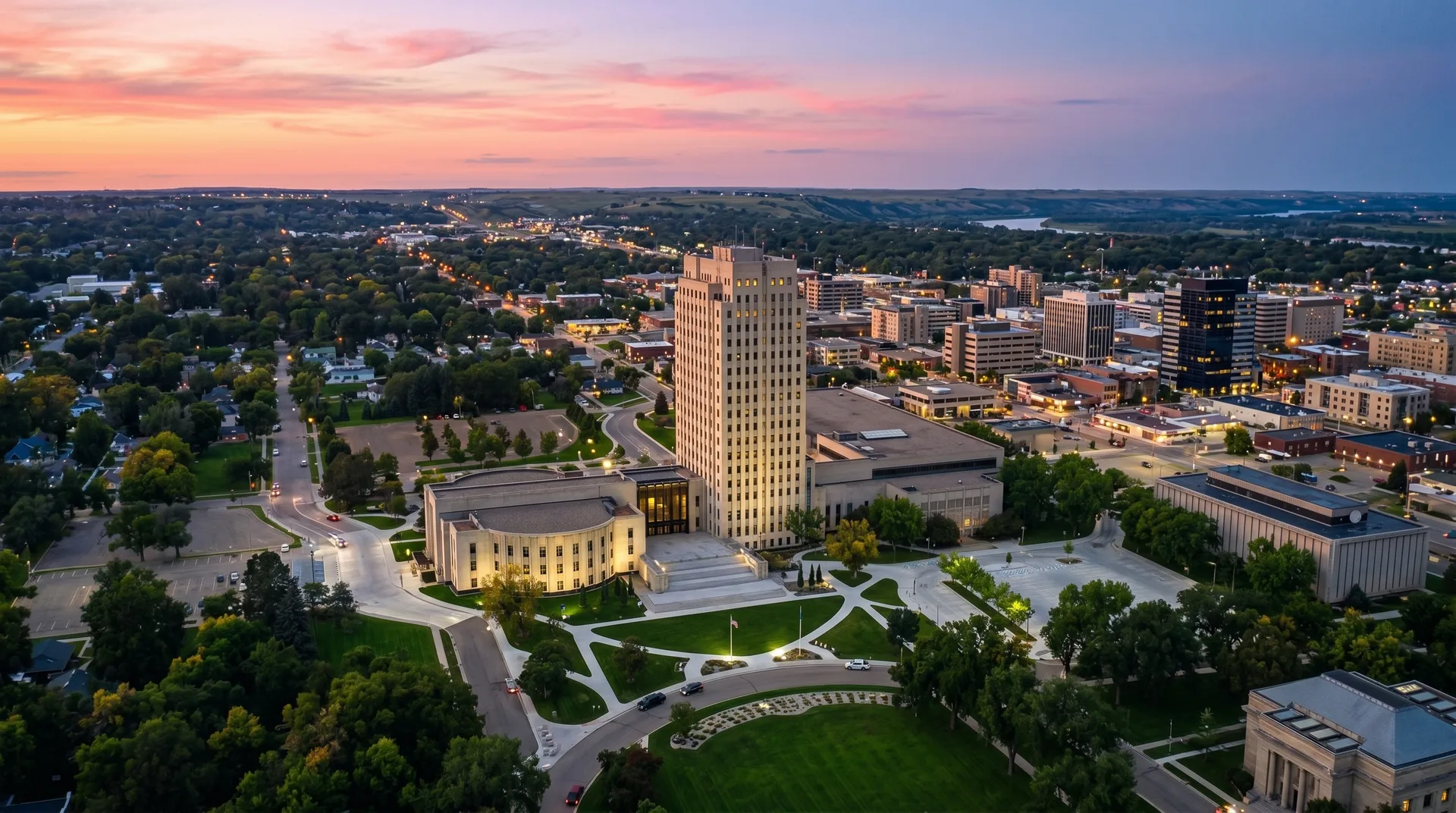
Bismarck, North Dakota serves as a strategic logistics hub in the American Midwest, offering excellent connectivity for freight transportation. Located along the Missouri River, Bismarck benefits from its position at the intersection of major transportation routes, including Interstate 94, which provides direct access to both eastern and western markets. The city's central location within North Dakota makes it an ideal origin point for regional and cross-country freight movements, with proximity to key industries that drive freight demand.
The economic landscape of Bismarck is characterized by a diverse mix of industries, with energy production (particularly oil and natural gas from the Bakken formation), agriculture, and government services serving as primary economic drivers. The region's agricultural sector produces significant volumes of grains, oilseeds, and livestock products that require reliable transportation to both domestic and international markets. Additionally, Bismarck's growing healthcare and technology sectors contribute to the demand for specialized freight services. The city's transportation infrastructure includes a regional airport, rail connections via BNSF Railway, and extensive highway networks, providing multiple options for freight movement.
 Destination
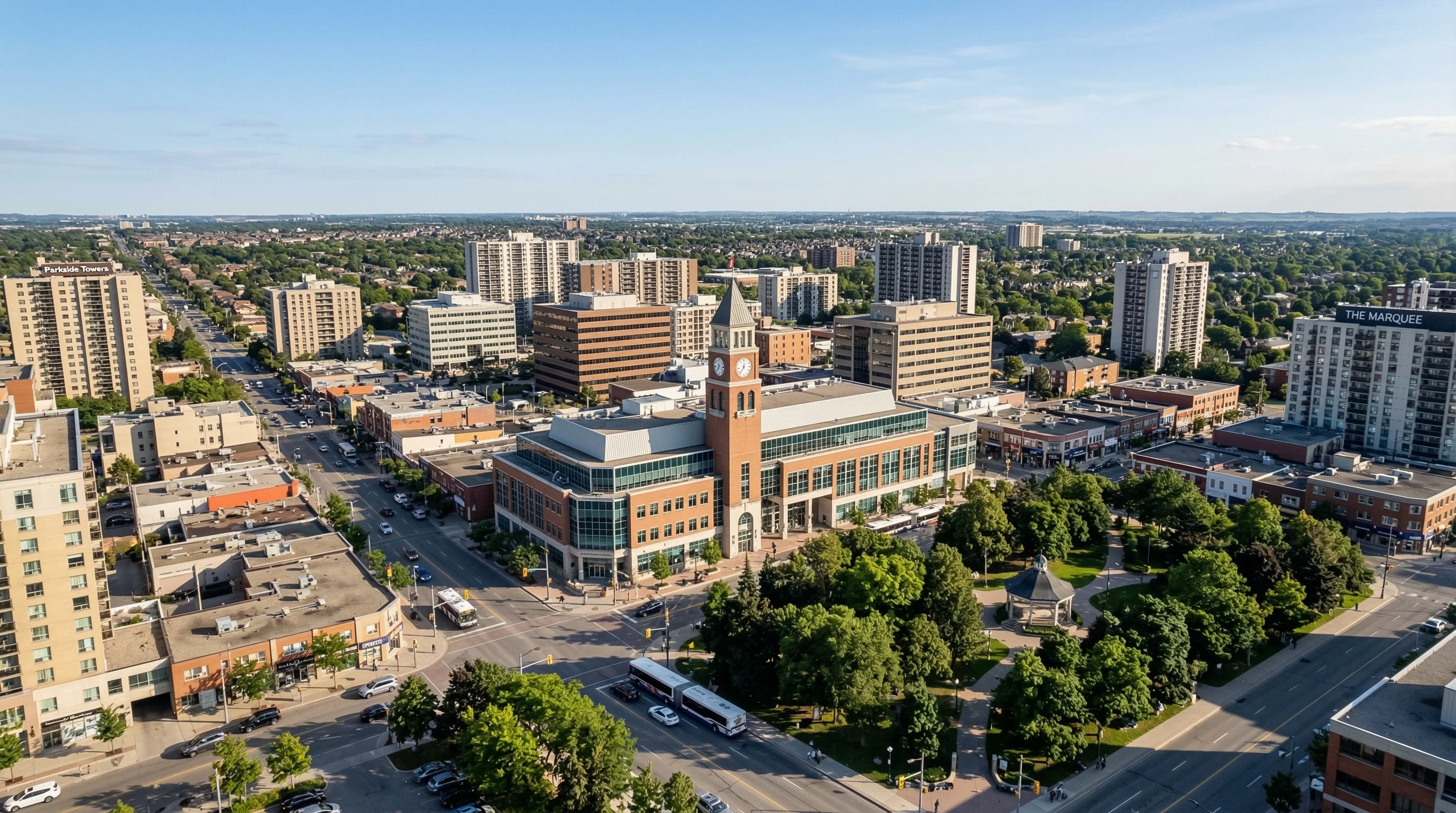
Brampton, Ontario stands as one of Canada's most important logistics and manufacturing centers, strategically positioned within the Greater Toronto Area. The city's location provides unparalleled access to major Canadian markets, with proximity to Toronto Pearson International Airport, extensive highway networks, and rail connections via Canadian National Railway. Brampton's position within Ontario's Golden Horseshoe region makes it an ideal destination for freight distribution, offering connections to both Canadian and US markets through well-established transportation corridors.
The economic profile of Brampton is dominated by advanced manufacturing, particularly in the automotive and aerospace sectors, along with a growing technology and life sciences industry. The city hosts numerous warehouses, distribution centers, and manufacturing facilities that generate substantial freight volumes. Major employers in the region include automotive parts manufacturers, food processing companies, and logistics service providers, all of which rely on efficient freight transportation to maintain their supply chains. Brampton's industrial infrastructure includes numerous industrial parks, intermodal facilities, and specialized logistics centers designed to handle diverse freight requirements, from standard palletized goods to temperature-controlled shipments.










