Billings to Toronto
Toronto → BillingsFTL freight transportation service between Billings and Toronto. Reliable logistics solutions for your business.
Route Description
Everything you need to know about the corridor Billings - Toronto
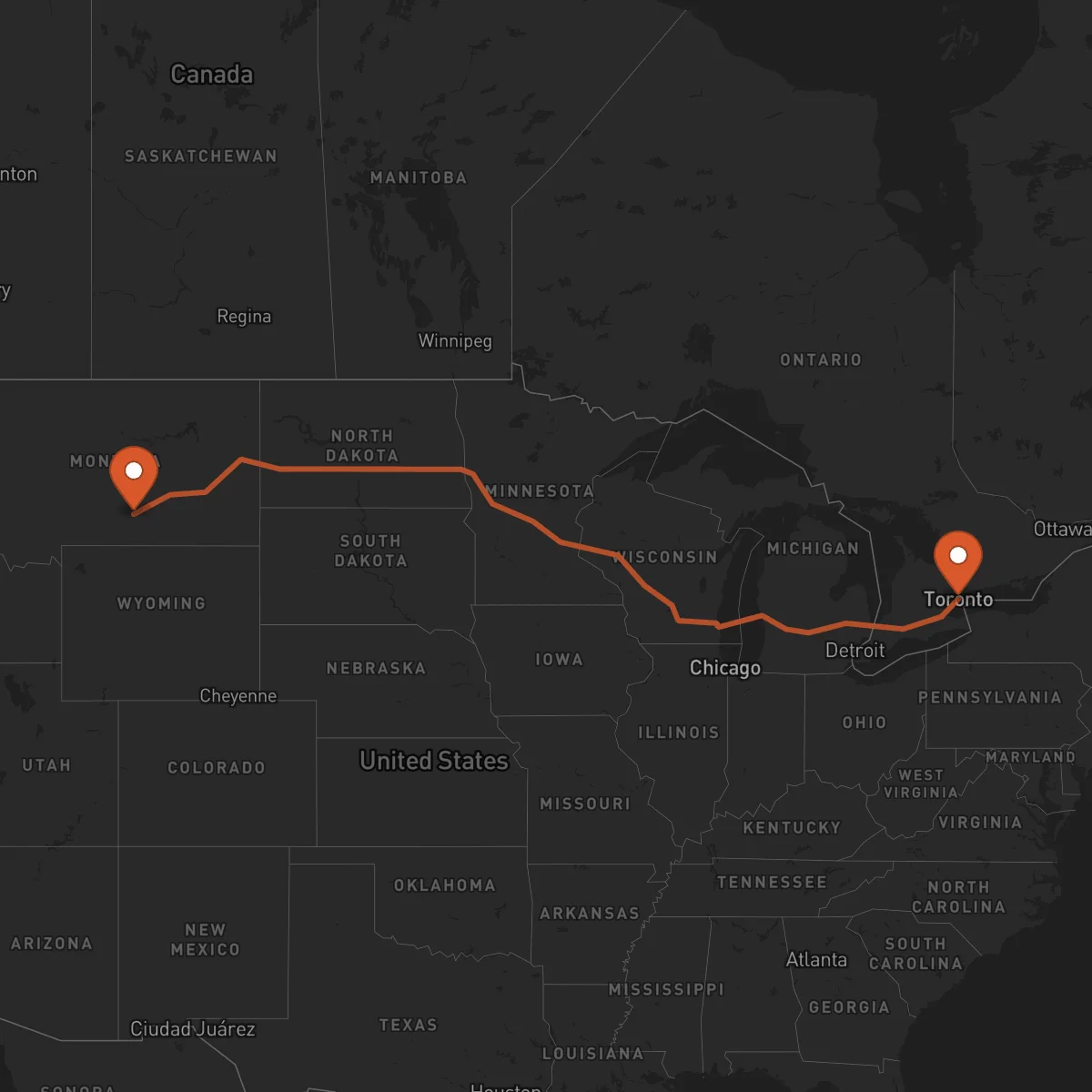
The logistics corridor between Billings, Montana, and Toronto, Ontario, represents a vital cross-border connection between the United States and Canada, spanning approximately 2,300 kilometers. This route links the industrial heartland of the American Midwest with Canada's largest city and financial capital, creating a strategic transportation artery for North American commerce.
The corridor traverses diverse economic regions, connecting Montana's energy and agricultural sectors with Ontario's manufacturing and technology industries. This route facilitates the movement of goods between two major economic zones, supporting industries such as automotive manufacturing, aerospace, energy production, and agricultural exports. The journey crosses through multiple states and provinces, offering access to major industrial centers along the way.
Transportation infrastructure along this corridor includes major interstate highways such as I-94 and I-90, connecting to Canadian routes through the Detroit-Windsor crossing or other northern border points. The route serves as a critical link for businesses requiring efficient cross-border freight movement between the U.S. and Canadian markets. Control Terrestre provides specialized full truckload (FTL) services along this corridor, ensuring seamless cross-border operations with our certified transportation partners who are well-versed in customs procedures and regulatory compliance between both countries.
Services for this Route
Available services for the corridor Billings - Toronto
 Origin
Billings
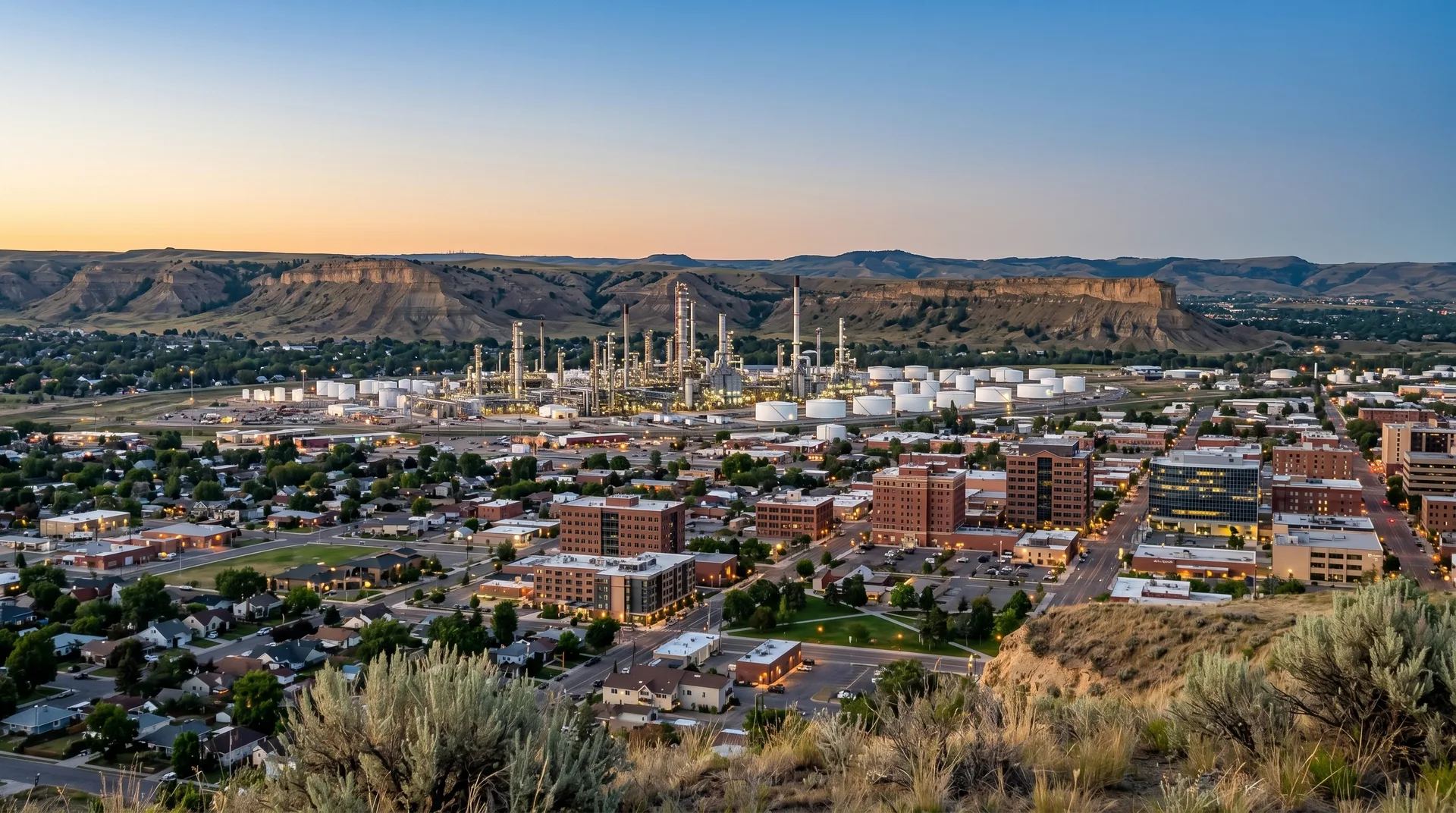
Billings, Montana, serves as a strategic logistics hub in the northwestern United States, positioned at the intersection of major transportation routes. As Montana's largest city, Billings acts as a gateway to the region's abundant natural resources, including energy reserves, agricultural products, and mining outputs. The city's location provides excellent connectivity to both east-west and north-south transportation networks, making it an ideal origin point for freight distribution across North America.
The region's economy is anchored by agriculture, energy production, and manufacturing sectors, generating substantial freight volumes that require reliable transportation solutions. Billings benefits from its proximity to major rail lines and interstate highways, including I-90, which provides direct access to cross-country freight routes. The city's transportation infrastructure includes multiple freight terminals, warehousing facilities, and distribution centers that support the efficient movement of goods to national and international markets.
 Destination
Toronto, Ontario, stands as Canada's premier logistics and commercial center, offering unparalleled access to North American markets. As Canada's largest city and financial capital, Toronto serves as a critical gateway for international trade, with its strategic location providing connections to both U.S. markets and global shipping routes. The Greater Toronto Area (GTA) is home to Canada's busiest airport and a major international seaport via the St. Lawrence Seaway, creating a multimodal transportation hub that facilitates seamless freight movement.
The city's diverse economy encompasses advanced manufacturing, automotive production, technology, finance, and healthcare sectors, generating substantial freight demand across various industries. Toronto's extensive transportation infrastructure includes a comprehensive highway network, with major routes such as the 401 and QEW providing efficient connections to U.S. border crossings. The region's logistics ecosystem features numerous warehousing facilities, distribution centers, and intermodal terminals that support the efficient handling and distribution of freight throughout the Canadian market and beyond.










