Baltimore to Liberia
Liberia → BaltimoreFTL freight transportation service between Baltimore and Liberia. Reliable logistics solutions for your business.
Route Description
Everything you need to know about the corridor Baltimore - Liberia
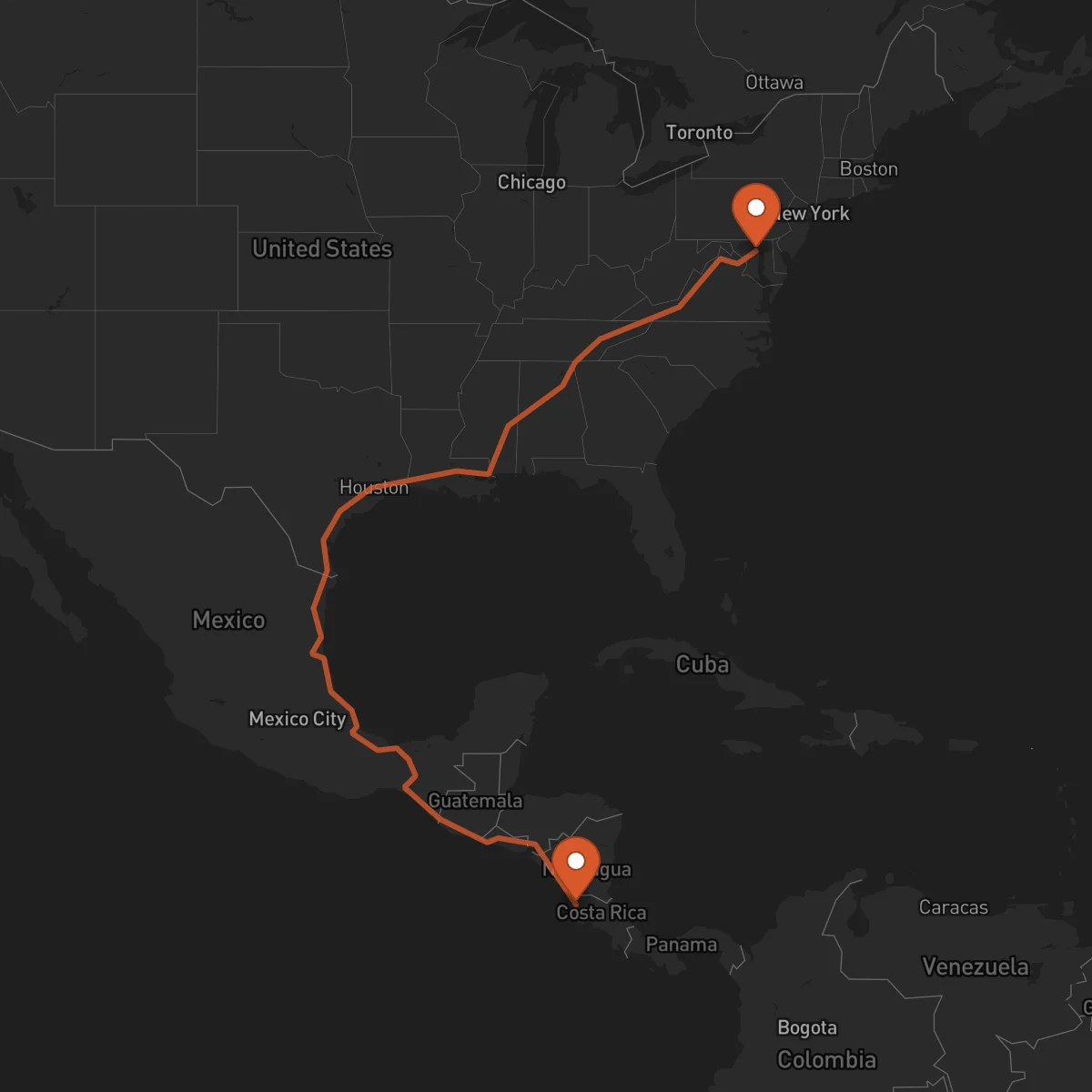
The Baltimore to Liberia corridor represents a vital trade link between the United States and Costa Rica, spanning approximately 3,304 kilometers across North America. This cross-border route connects the bustling port city of Baltimore with the growing logistics hub of Liberia, facilitating the movement of diverse cargo types between two dynamic economies. The corridor traverses multiple states and crosses international borders, making it a complex yet essential pathway for international trade.
The economic significance of this route is underscored by the strong commercial ties between Maryland and Costa Rica, with key industries including automotive, electronics, pharmaceuticals, and agricultural products driving demand. Baltimore's strategic East Coast location and Liberia's position as a gateway to Central America create a complementary logistics relationship that benefits both regions. The route serves as a critical supply chain link for companies engaged in international trade, supporting everything from just-in-time manufacturing to retail distribution.
Transportation infrastructure along this corridor includes major interstate highways such as I-95, I-10, and CA-1, providing reliable connectivity across the United States and into Central America. Key border crossings at Laredo/Nuevo Laredo and other points facilitate the movement of goods, though customs procedures require careful coordination. Control Terrestre's expertise in cross-border logistics ensures seamless operations, with our C-TPAT-certified partners managing documentation, compliance, and efficient transit times to keep your supply chain moving smoothly from origin to destination.
Services for this Route
Available services for the corridor Baltimore - Liberia
 Origin
Baltimore
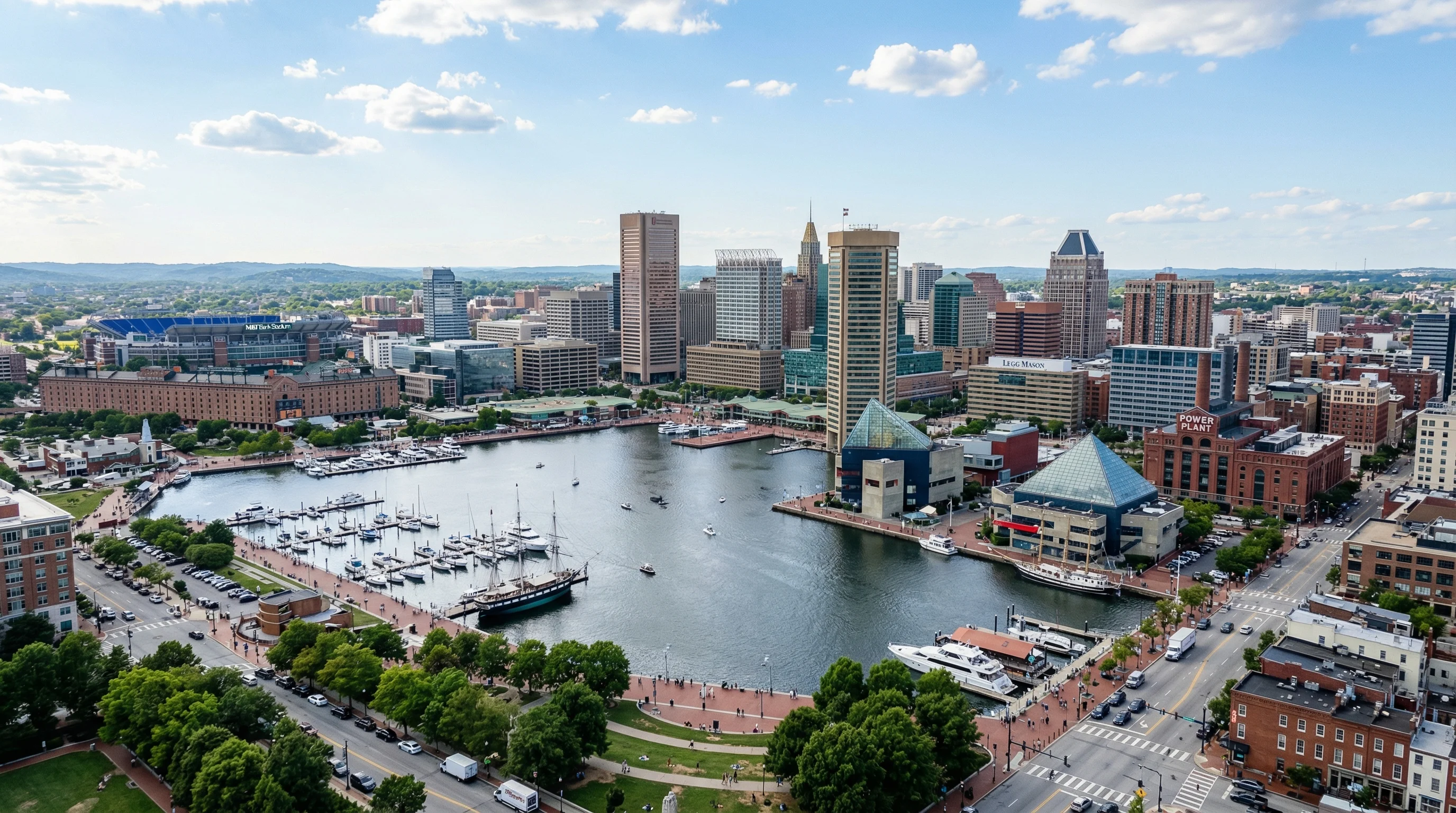
Baltimore, Maryland serves as a strategic gateway for international freight, boasting one of the busiest ports on the East Coast of the United States. The Port of Baltimore handles millions of tons of cargo annually, including automobiles, containers, and bulk commodities, making it a crucial entry point for goods destined for both domestic and international markets. The city's location provides excellent access to major East Coast population centers and manufacturing hubs, supported by extensive rail connections through CSX and robust highway infrastructure including I-95 and I-70.
The region's economy is diverse, with strong presence in healthcare, education, technology, and logistics sectors. Baltimore's proximity to Washington D.C. and its established industrial base create a dynamic environment for freight movement. The city's transportation infrastructure includes the Baltimore/Washington International Thurgood Marshall Airport, extensive trucking terminals, and intermodal facilities that facilitate efficient cargo transfer between different transportation modes, making it an ideal origin point for cross-border shipments to Central America.
 Destination
Liberia
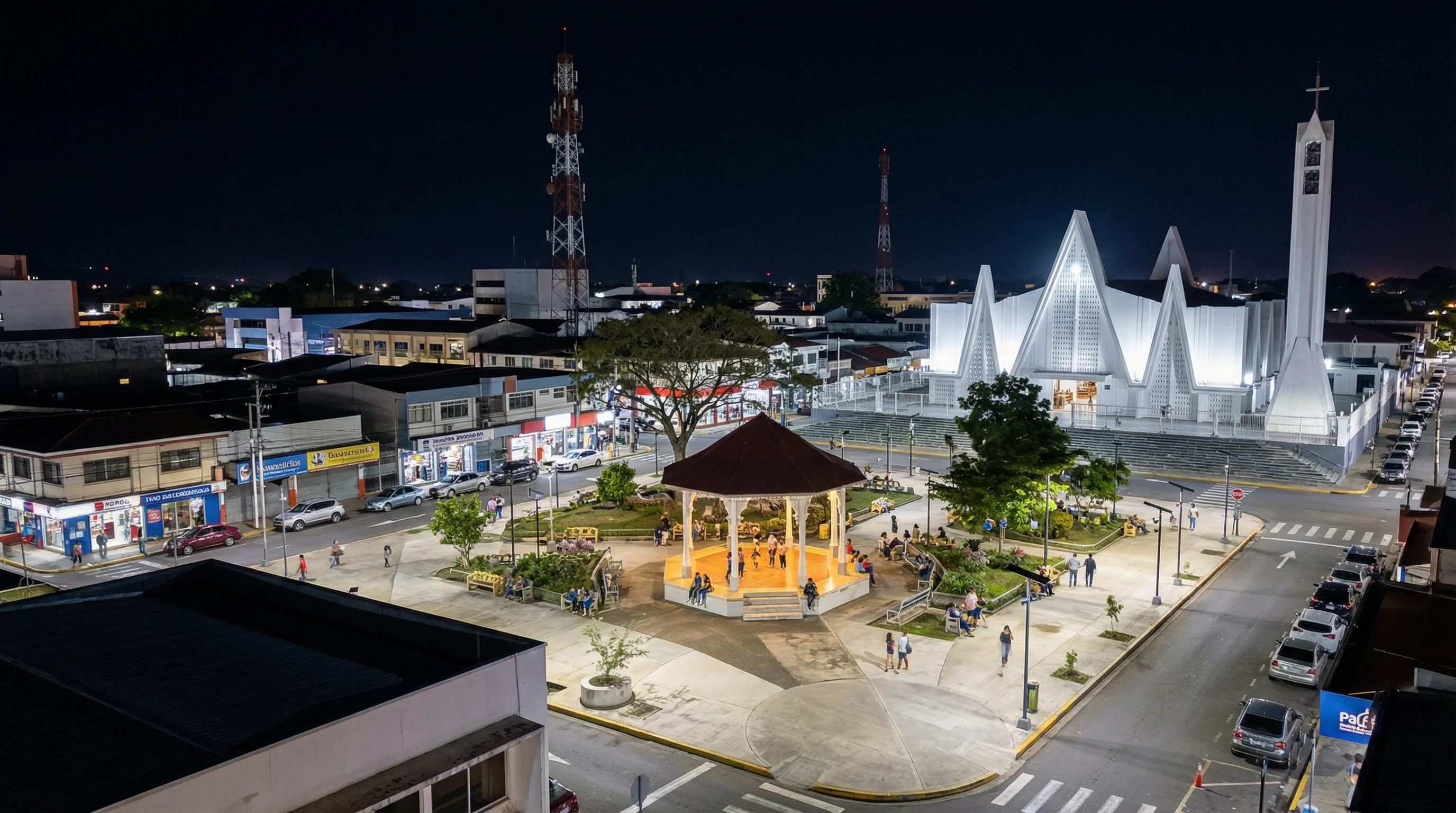
Liberia, located in the Guanacaste province of Costa Rica, has emerged as a strategic logistics hub for Central America, particularly for northern Costa Rica and neighboring countries. The Daniel Oduber Quirós International Airport in Liberia has expanded its cargo capabilities, while the region's proximity to major ports and cross-border routes with Nicaragua enhances its connectivity. Liberia's location serves as a gateway to the growing markets of Central America, making it an increasingly important destination for international freight.
The area's economy is characterized by tourism, agriculture, and light manufacturing, with growing investment in logistics and distribution centers. Liberia's strategic position away from the congested capital region of San José offers advantages for companies seeking efficient distribution points in northern Costa Rica. The region benefits from improving road infrastructure, including the Pan-American Highway, which provides reliable connections to major cities and ports, facilitating the smooth movement of goods throughout the country and beyond.










