
Baltimore to La Ceiba
La Ceiba → BaltimoreFTL freight transportation service between Baltimore and La Ceiba. Reliable logistics solutions for your business.
Route Description
Everything you need to know about the corridor Baltimore - La Ceiba
The Baltimore to La Ceiba corridor represents a vital logistics connection between the United States and Central America. This route spans approximately 2,797 kilometers, linking the bustling port city of Baltimore on the East Coast with La Ceiba, Honduras's primary Caribbean port. The corridor serves as a crucial artery for trade between North and Central America, facilitating the movement of goods across international borders and supporting economic integration in the region.
The economic significance of this corridor extends beyond simple transportation. Baltimore's strategic location provides access to major industrial centers in the northeastern United States, while La Ceiba serves as Honduras's gateway for international trade. This route supports a diverse range of industries including automotive parts, electronics, consumer goods, agricultural products, and manufacturing components. The corridor is particularly important for companies engaged in just-in-time manufacturing and supply chain operations that require reliable cross-border transportation solutions.
Transportation along this corridor utilizes a combination of interstate highways in the United States, including I-95 and I-81, before transitioning to major Mexican and Central American highways. The route involves strategic border crossings at key points, with customs procedures requiring careful coordination to ensure smooth transit. Control Terrestre provides comprehensive logistics management for this corridor, offering full truckload (FTL) services with experienced drivers familiar with cross-border requirements, customs documentation, and the specific challenges of international freight transportation.
Services for this Route
Available services for the corridor Baltimore - La Ceiba
 Origin
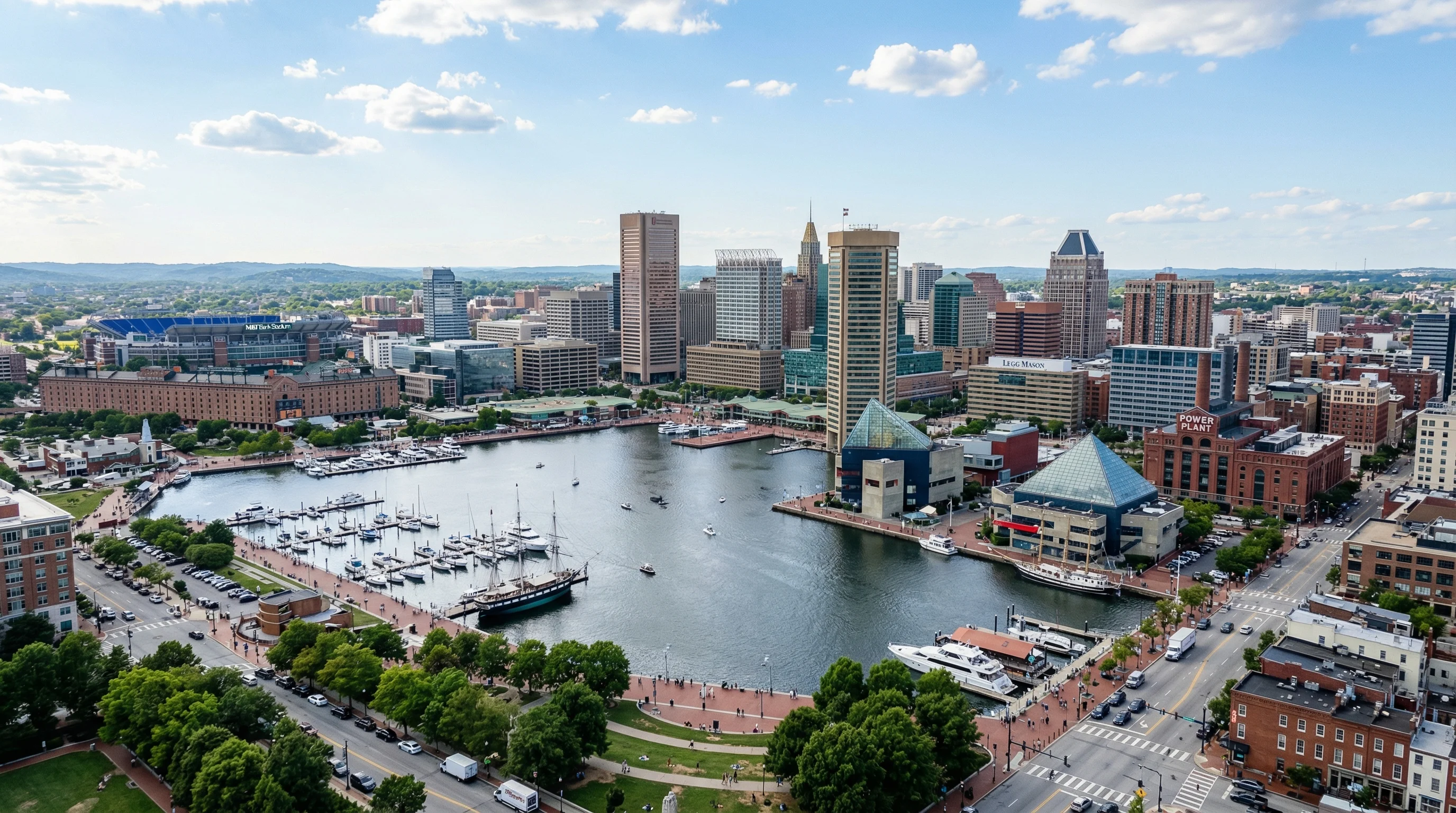
Baltimore
Baltimore, Maryland serves as a strategic logistics hub on the East Coast of the United States. The city's port is one of the busiest in the country, providing deep-water access for large cargo vessels and connecting to extensive rail and highway networks. Baltimore's economy is diverse, with strong presence in healthcare, education, finance, and advanced manufacturing sectors. The region is home to numerous distribution centers and warehouses, making it an ideal origin point for freight shipments. The city's transportation infrastructure includes major highways such as I-95, I-83, and I-70, providing direct connections to other major markets along the East Coast and throughout the Midwest.
 Destination
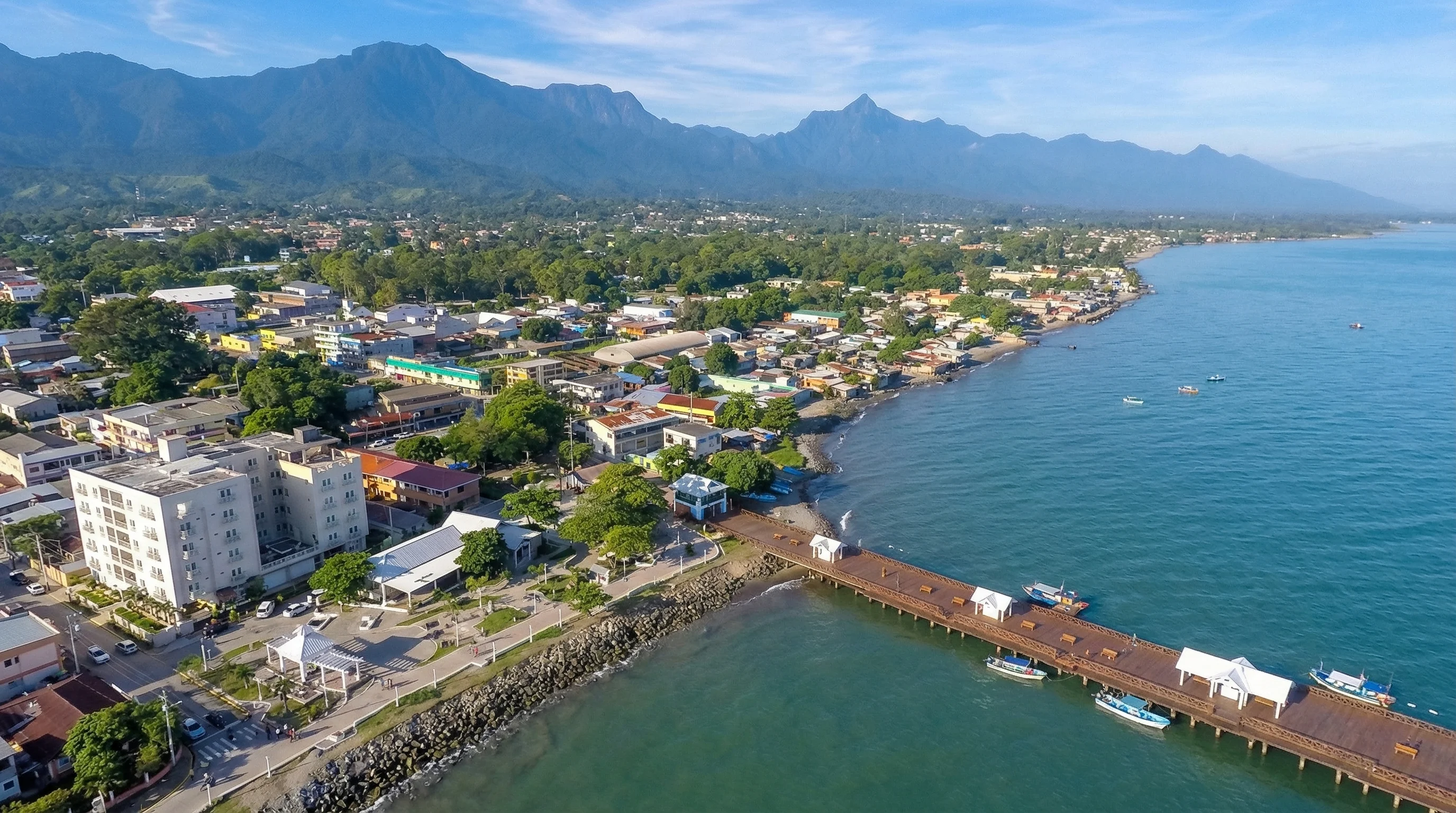
La Ceiba, located on Honduras's northern Caribbean coast, serves as the country's primary port city and a crucial gateway for international trade. The city's strategic location provides access to Central America's growing markets and connects to both regional and international shipping routes. La Ceiba's economy is centered around port activities, tourism, and agriculture, with significant banana and pineapple production in the surrounding areas. The city's transportation infrastructure includes the Golosón International Airport and well-maintained road connections to major Honduran cities like San Pedro Sula and Tegucigalpa. As Honduras's main Caribbean port, La Ceiba handles a substantial volume of import and export cargo, making it a vital node in Central American logistics networks.










