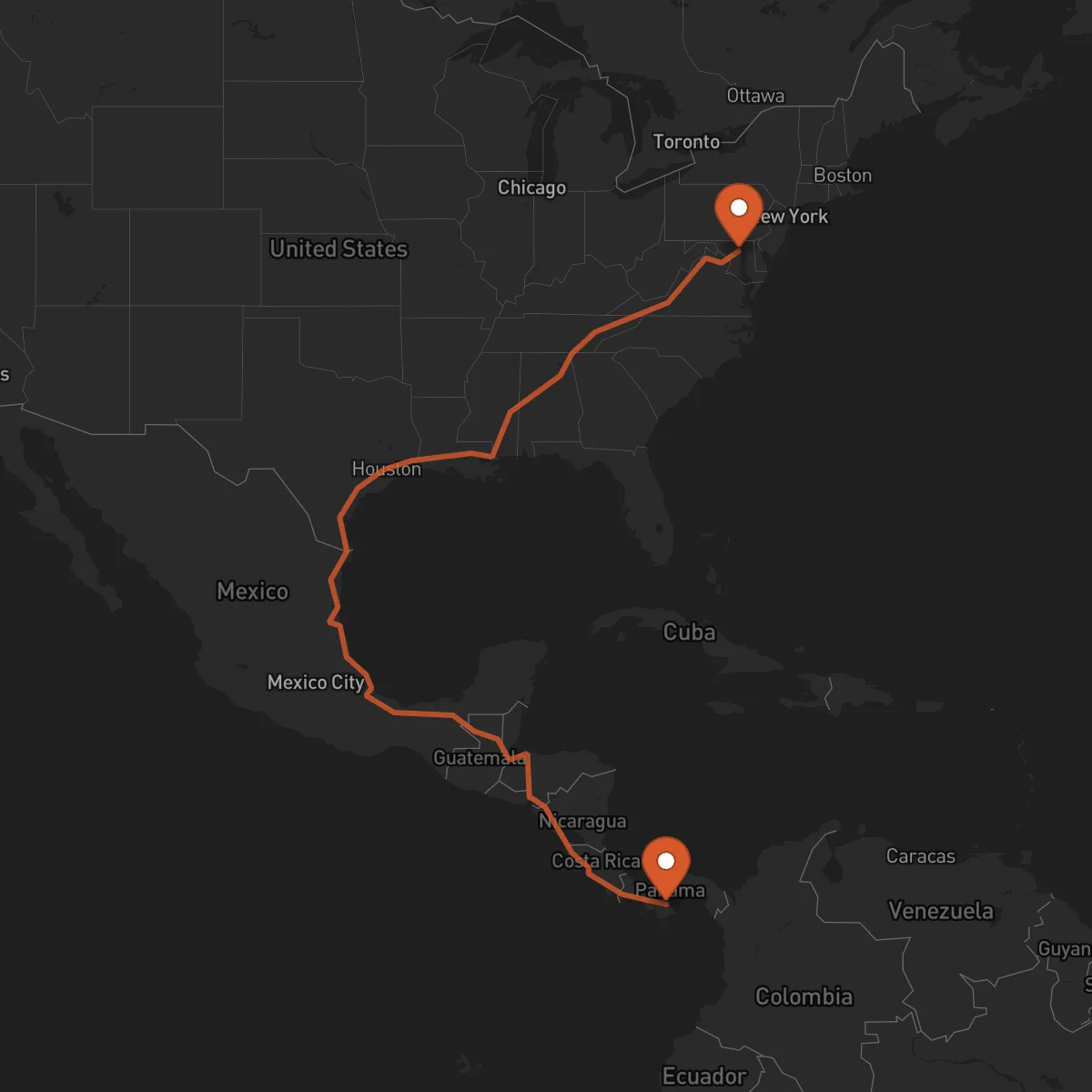
Baltimore to Chitré
Chitré → BaltimoreFTL freight transportation service between Baltimore and Chitré. Reliable logistics solutions for your business.
Route Description
Everything you need to know about the corridor Baltimore - Chitré
The Baltimore to Chitré logistics corridor represents a vital trade connection between the United States and Panama, spanning approximately 3,506 kilometers through diverse terrain and multiple jurisdictions. This cross-border route serves as a crucial link for businesses engaged in North-South trade, connecting the industrial heartland of Maryland with the growing economic center of Herrera province. The corridor traverses major transportation networks including the I-95 corridor through the eastern United States, connecting with key ports and distribution centers before crossing through Mexico and Central America to reach Panama's Pacific coast.
The economic significance of this route extends beyond simple distance, as it facilitates trade between major manufacturing hubs and emerging markets. Baltimore's strategic port location and Chitré's developing industrial sector create complementary economic opportunities along this corridor. The route primarily serves industries including automotive parts, electronics, agricultural equipment, and consumer goods, with particular emphasis on time-sensitive shipments that require reliable cross-border coordination.
Control Terrestre specializes in managing the complexities of this corridor, offering dedicated FTL services that ensure cargo moves efficiently across international boundaries. Our experienced team navigates the regulatory requirements at multiple border crossings, coordinates with customs authorities, and maintains strict security protocols throughout the journey. With our C-TPAT-certified carriers and comprehensive tracking systems, we provide the visibility and reliability that businesses need when shipping between Baltimore and Chitré, ensuring your freight arrives safely and on schedule.
Services for this Route
Available services for the corridor Baltimore - Chitré
 Origin
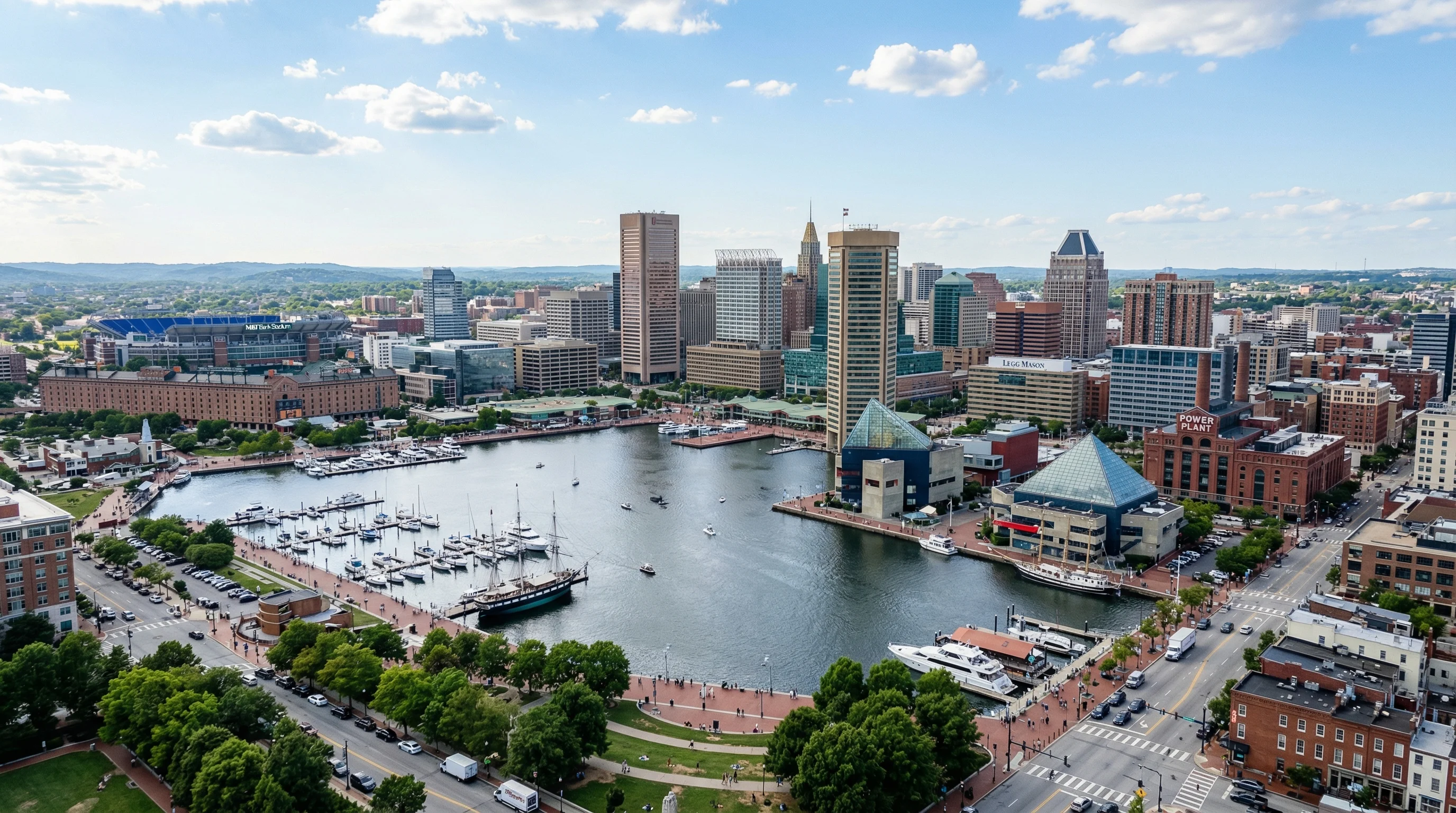
Baltimore
Baltimore, Maryland serves as a strategic logistics hub on the East Coast of the United States, offering unparalleled access to major transportation networks and international markets. The city's port is one of the busiest on the East Coast, handling millions of tons of cargo annually and providing direct connections to global shipping routes. Baltimore's location near major metropolitan areas like Washington D.C. and Philadelphia creates a dense network of distribution centers, warehousing facilities, and manufacturing plants that drive constant freight movement.
The region's economy is anchored by diverse industries including aerospace, defense, healthcare, and advanced manufacturing. Major employers in the area contribute to consistent freight volumes, particularly in specialized cargo categories. Baltimore's transportation infrastructure includes extensive highway systems (I-95, I-83, I-695), rail connections through CSX and Norfolk Southern, and proximity to multiple international airports, making it an ideal origin point for cross-border shipments to Central America.
 Destination
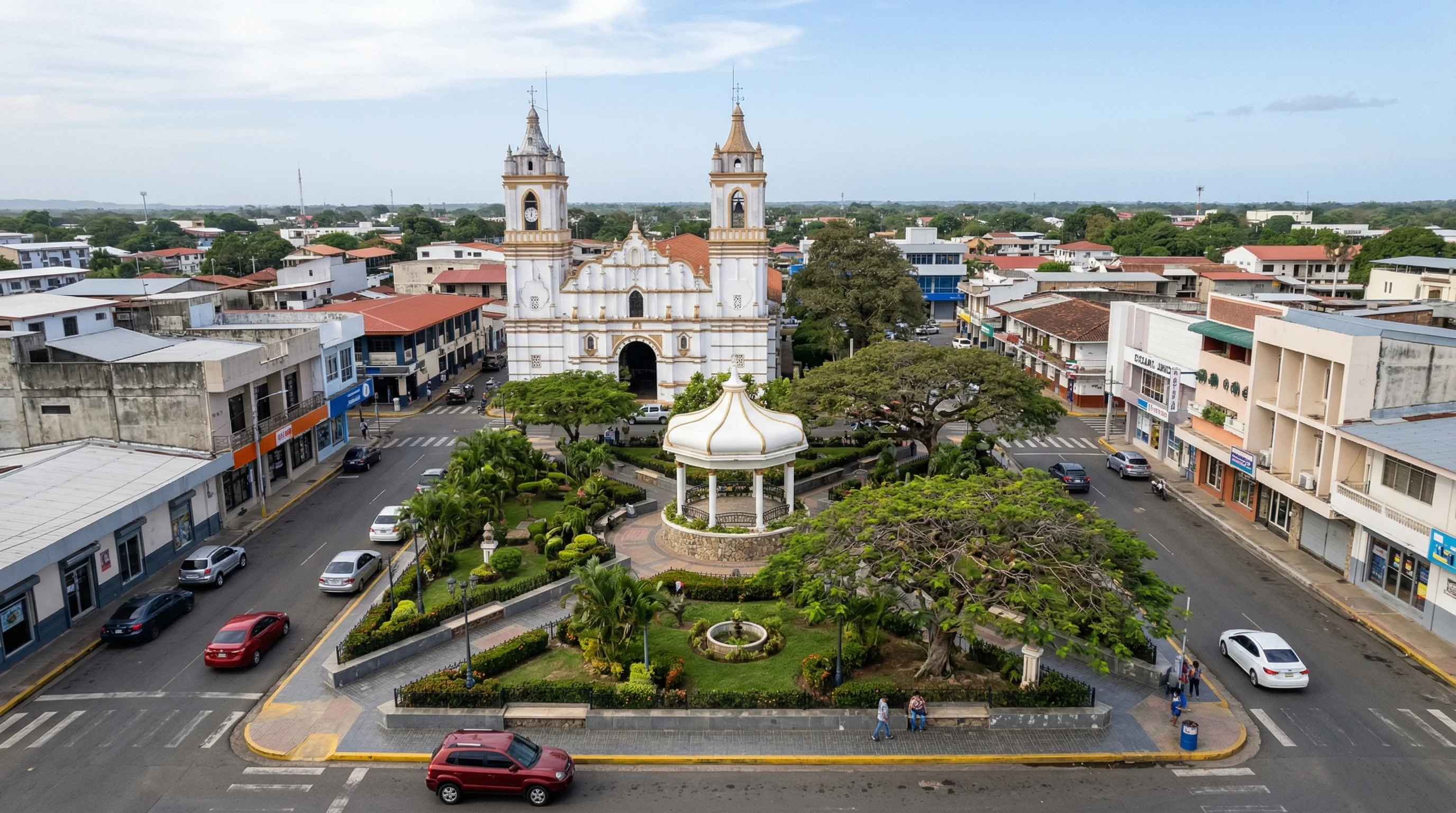
Chitré, located in Panama's Herrera province, represents a growing commercial center with strategic importance for regional trade. The city's position in the Azuero Peninsula provides access to both Pacific port facilities and interior transportation routes, making it an emerging logistics hub for western Panama. Chitré's developing industrial sector includes food processing, agricultural product manufacturing, and light industry, creating consistent demand for inbound freight from North American suppliers.
The region benefits from Panama's overall logistics advantages, including proximity to the Panama Canal and well-maintained highway systems connecting to Panama City and other major centers. Chitré's infrastructure continues to improve with modern warehousing facilities and distribution centers emerging to support the growing economy. The city serves as a commercial gateway for the surrounding agricultural region while also developing its own manufacturing capabilities, creating diverse opportunities for freight transportation services connecting to the United States and beyond.










