Austin to Seattle
Seattle → AustinFTL freight transportation service between Austin and Seattle. Reliable logistics solutions for your business.
Route Description
Everything you need to know about the corridor Austin - Seattle
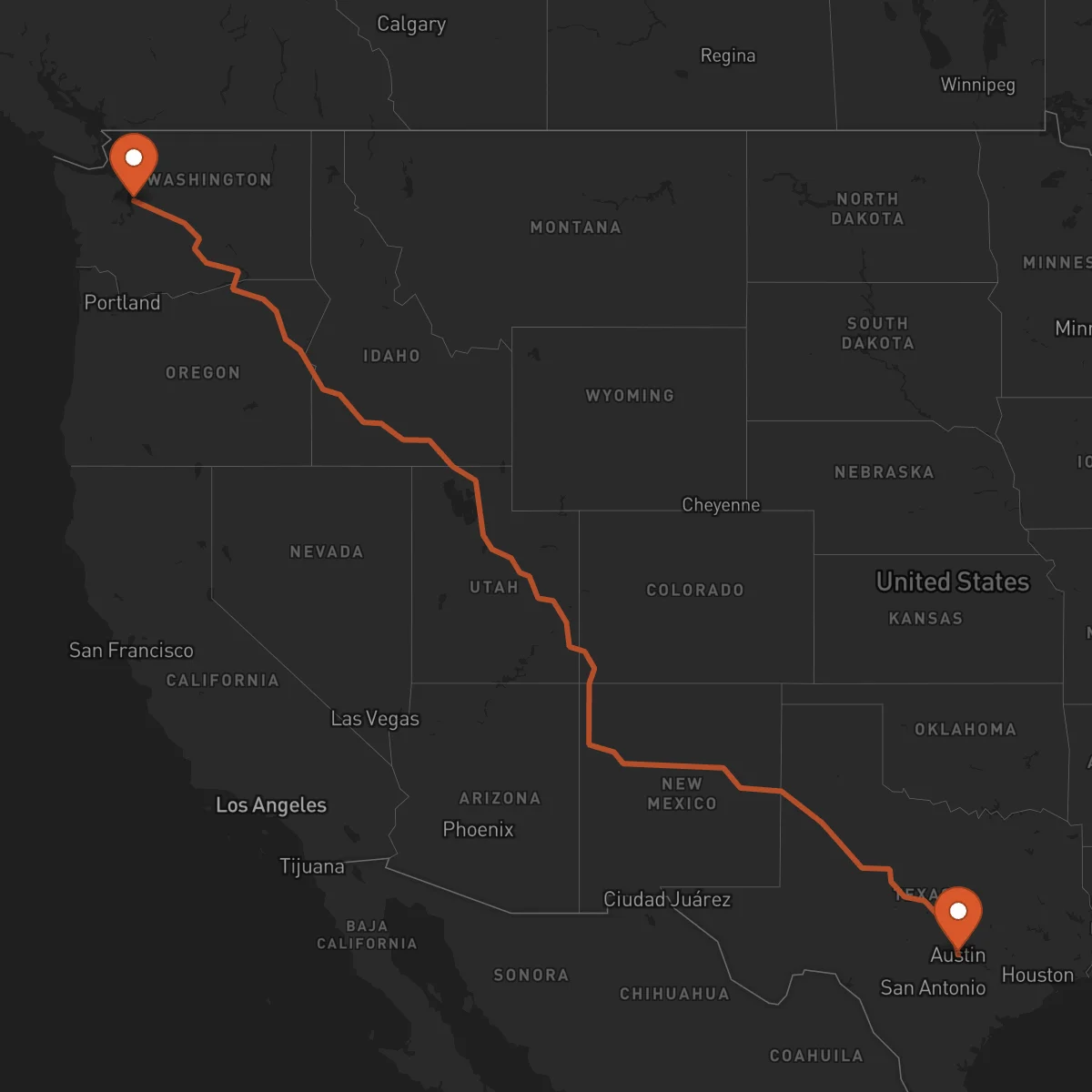
The Austin-Seattle corridor represents a vital connection between the technological and economic hubs of Texas and the Pacific Northwest. Spanning approximately 2,848 kilometers across the United States, this route links the dynamic business environment of Austin with Seattle's thriving port and technology sector. This corridor traverses diverse landscapes and connects major industrial centers, making it essential for companies operating across multiple regions of the country.
The corridor's significance stems from the complementary economic strengths of both regions. Austin serves as a major center for technology, manufacturing, and creative industries, while Seattle stands as a global leader in aerospace, technology, and maritime commerce. The route facilitates the movement of high-value technology products, industrial equipment, and specialized cargo between these innovation hubs. Companies in sectors such as electronics, aerospace components, and advanced manufacturing rely on this connection for their supply chain operations.
Transportation infrastructure along this corridor includes major interstate highways such as I-35, I-90, and I-5, providing efficient north-south and east-west connectivity. The route passes through key logistics centers and industrial zones, offering multiple options for strategic cargo handling and distribution. Control Terrestre leverages this comprehensive infrastructure network to provide reliable full truckload services, ensuring that your cargo moves efficiently between Austin and Seattle. Our strategic partnerships with certified carriers along this corridor guarantee that your freight benefits from the latest in transportation technology and safety protocols.
Services for this Route
Available services for the corridor Austin - Seattle
 Origin
Austin
Austin, Texas stands as a strategic logistics hub in the heart of the American Southwest. Located in Central Texas, Austin offers excellent connectivity to major markets across the southern United States. The city's central location provides efficient access to both coastal ports and inland manufacturing centers. Austin-Bergstrom International Airport and the nearby Port of Houston enhance the city's multimodal transportation capabilities, making it an ideal origin point for nationwide distribution.
The Austin metropolitan area is home to a diverse and growing economy, with technology and innovation at its core. The region hosts major technology companies, semiconductor manufacturers, and research institutions, creating a high demand for specialized logistics services. The presence of the University of Texas and numerous tech startups generates a constant flow of high-value, time-sensitive cargo requiring secure and reliable transportation. Austin's robust manufacturing sector, including automotive and electronics production, further drives the need for efficient freight movement along this corridor.
 Destination
Seattle
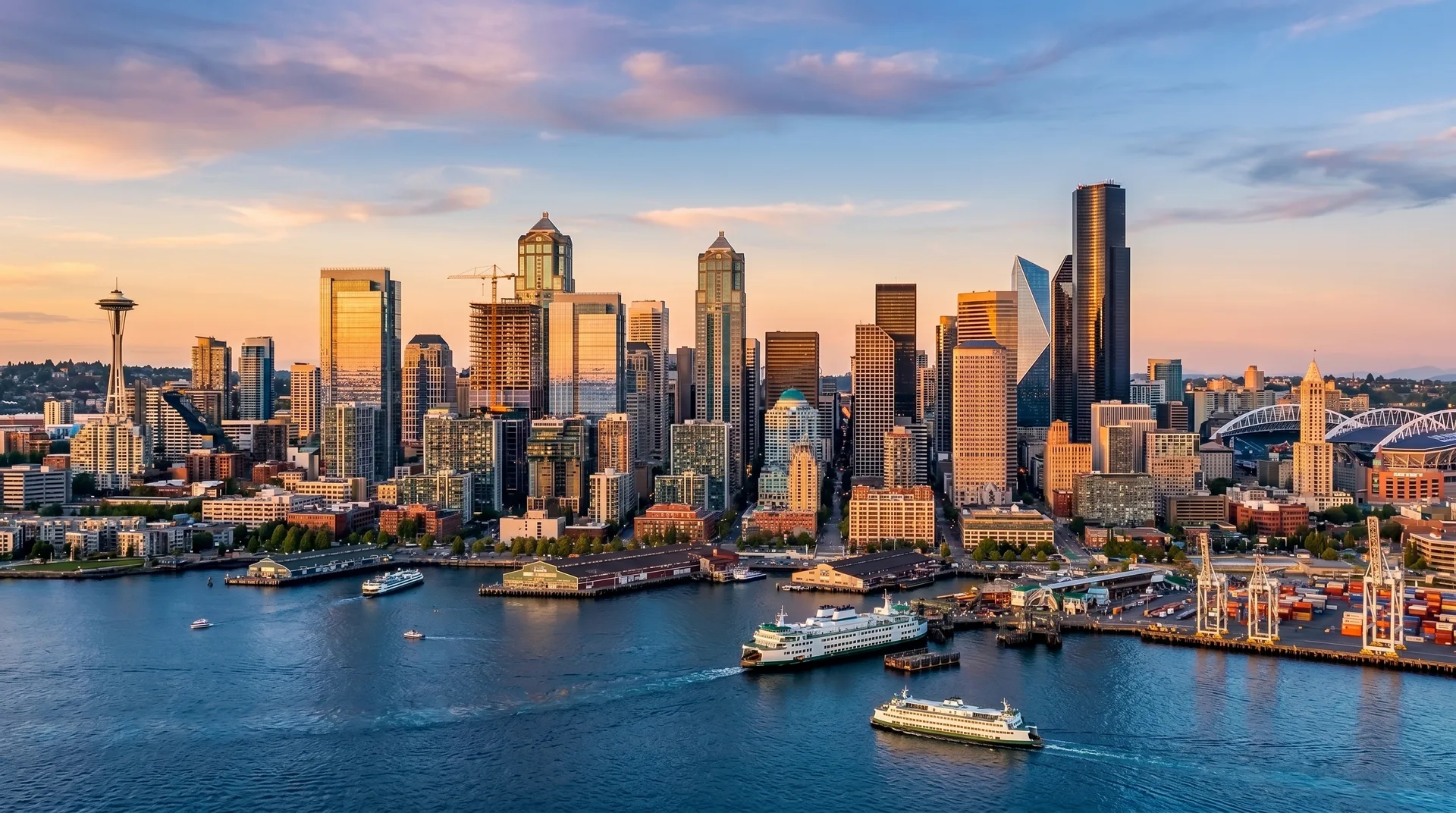
Seattle, Washington serves as a critical gateway to international trade and a major logistics hub on the West Coast. Situated on the Puget Sound, Seattle provides direct access to maritime shipping routes and serves as a key distribution point for goods entering and leaving the United States. The Port of Seattle, in conjunction with the Port of Tacoma, forms the fourth-largest container gateway in North America, offering extensive global connectivity. Seattle's location also provides efficient access to major Canadian markets and the broader Pacific Northwest region.
The Seattle metropolitan area is renowned for its leadership in aerospace, technology, and maritime industries. Home to Boeing's largest manufacturing facility and numerous tech giants, the region generates significant demand for specialized freight transportation. Seattle's thriving e-commerce sector and its role as a major distribution center for retail companies create a constant need for reliable logistics services. The city's commitment to innovation extends to its transportation infrastructure, with advanced intermodal facilities and a well-developed highway network supporting efficient cargo movement.










