What is “Warehousing” in Logistics?
“Warehousing” in logistics refers to the management and operation of warehouses or storage facilities. This activity includes the storage of goods, inventory management, order tracking, and preparation for distribution.
Types of Warehousing
There are several types of “warehousing” in logistics, each designed to meet specific needs. Some common types include:
Distribution Warehousing: These focus on the rapid distribution of products to a specific area. They typically contain a variety of products to meet local demand.
Consolidation Warehousing: These consolidate goods from different suppliers to create full truckloads before shipping them to specific destinations.
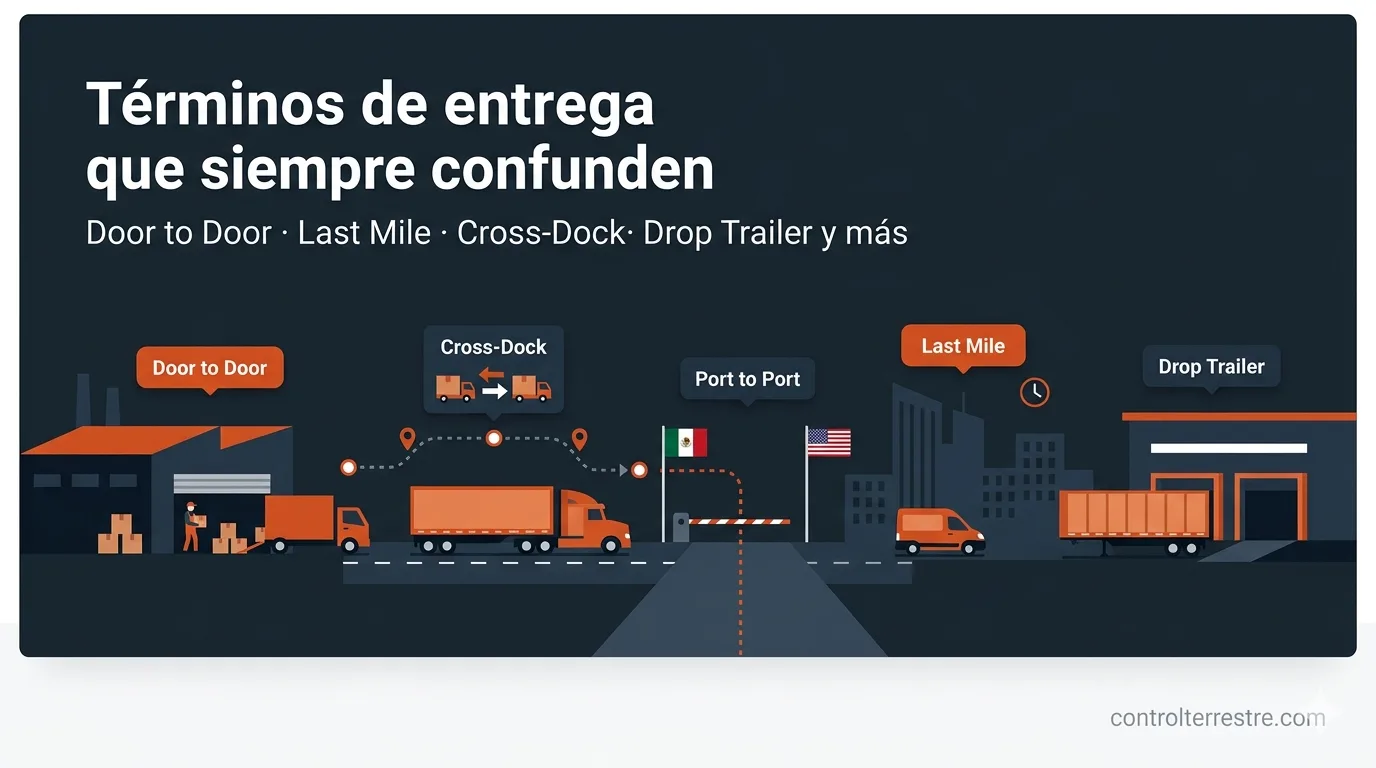
Cross-Docking Warehousing: These facilitate the direct transfer of products from receiving to shipping without intermediate storage. This reduces storage times and improves efficiency.
Functions
As a logistics company, Control Terrestre leverages the functions of “warehousing” to optimize its operations and offer efficient supply chain services. Some ways in which Control Terrestre utilizes these functions to its advantage include:
Efficiency in Picking and Packing: Control Terrestre implements efficient picking and packing processes, meaning quick and accurate preparation of products for shipment, reducing processing times and improving customer satisfaction.
Real-Time Inventory Management: Utilizing tracking and inventory management technologies, Control Terrestre maintains a real-time view of stock levels, optimizing order planning and reducing the risk of stockouts.
Specialized Storage: Depending on the products they handle, Control Terrestre can utilize specialized warehouses, such as refrigerated or hazardous materials facilities, to meet the specific needs of its clients.