When something goes wrong with a shipment, everyone points to the carrier. When everything goes right, no one mentions the driver. Yet this is the person who has your cargo in their hands for hours or days, making real-time decisions that no system can fully anticipate.
The Invisible Link in the Chain
In logistics, there is a lot of talk about technology, routes, rates, and documentation. There is little talk about the person driving the truck. And that omission has real consequences.
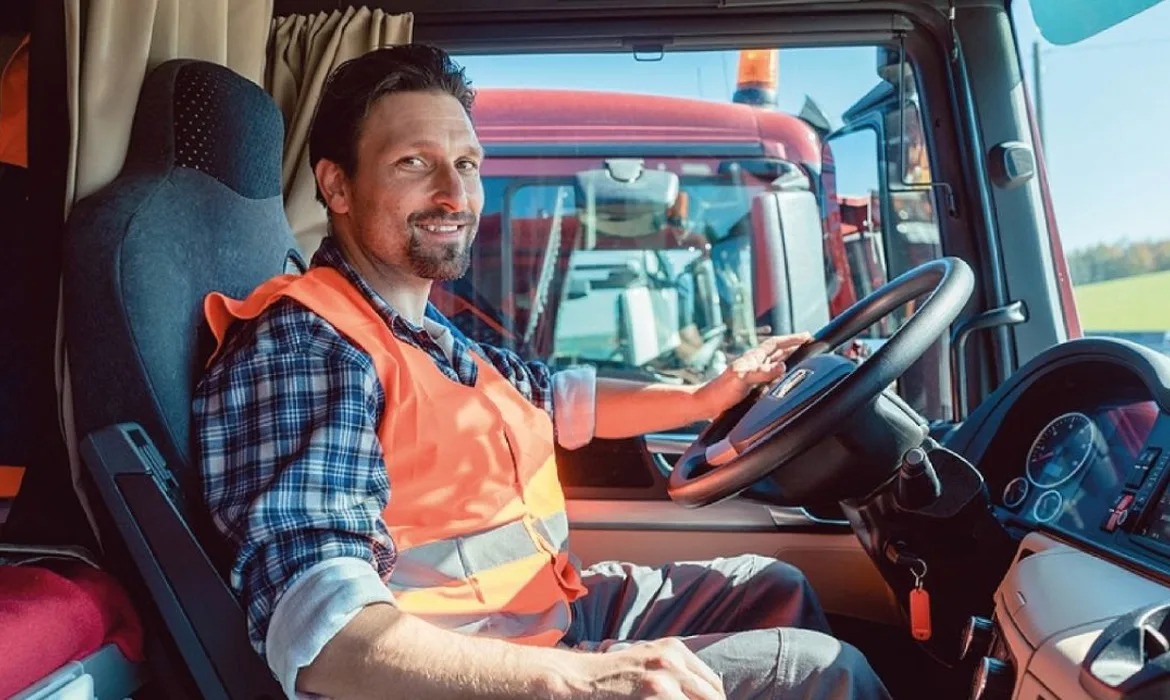
The truck driver is the one who executes everything that was planned in the office. They are the one who decides whether to stop or keep going when there is a mechanical problem at 2 in the morning. They are the one who interacts with customs personnel at the border crossing. They are the one who ensures the cargo arrives in the same condition it left in. They are, in practical terms, the representative of the carrier company in front of your goods.
When the driver fails, everything fails. And when no one invests in the driver, the driver fails more often.
The Reality of the Truck Driver in Mexico
Mexico faces a structural shortage of qualified cargo transport drivers. It is not a new problem — but it is getting worse.
The factors are multiple: younger generations have less interest in a profession that involves days away from home, long shifts, and demanding working conditions. Drivers experienced in international crossings — who require knowledge of customs protocols, document handling, and border crossing navigation — are especially scarce and increasingly in demand.
At the same time, operating requirements have become stricter. C-TPAT and OEA certification programs require background checks, specific training, and compliance with protocols that not all drivers have. A truck with an available unit but without a certified driver for international crossings is capacity that cannot be used where it is most needed.
What the Driver Faces in a Typical Operation
To understand why investing in the driver matters, it is worth understanding what they face on a workday:
10- to 14-hour shifts on the road, with the responsibility of maintaining concentration throughout the trip, meeting delivery times, and managing unforeseen events without immediate support.
Real-time decisions without backup. If the truck has a mechanical problem in an area with no coverage, if there is an accident that closes the road, if there is an attempted robbery on a risky stretch — the driver is the first line of response. The quality of that response depends on their experience, their training, and their protocols.
Interaction with authorities at every crossing. In international crossing operations, the driver interacts directly with customs personnel, inspectors, and authorities on both sides. A driver who does not know the protocols, who does not have the correct documents, or who does not handle the situation calmly can cause delays that no logistics system can easily recover from.
Physically demanding conditions. Long periods sitting, nights away from home, irregularity in meal and rest schedules. The conditions of the profession have a real impact on health and performance — and companies that do not recognize this have less reliable drivers.
Why the Market Undervalues the Driver
The reason is structural. In a market where competition among carriers is primarily based on price, reducing operating costs is a constant pressure. And driver wages are one of the most visible costs.
The result is a market with a portion of its operational workforce that is underpaid, poorly trained, and has high turnover. Companies that do not invest in their drivers save in the short term and pay in the medium term — with inexperienced drivers, high turnover that prevents knowledge accumulation, and a higher likelihood of incidents that carry real costs.
Companies that do invest in their drivers have more stable teams, lower turnover, greater accumulated knowledge of routes and crossings, and drivers who represent the company well in every interaction.
What You Should Ask Your Carrier About Their Drivers
When evaluating a carrier, the conversation almost always revolves around the fleet, routes, and price. It rarely includes questions about the drivers. These are the ones that should be part of that conversation:
Are their drivers company-employed or subcontracted? A company-employed driver has a direct relationship with the company, knows its protocols, and is accountable to it. A subcontracted driver may be perfectly capable — but the carrier company has less control over their performance and less information about their track record.
Do they conduct background checks? Not only for C-TPAT compliance — but as a basic operational practice. A driver without a background check is a risk to your cargo, especially in high-value operations or international crossings.
How long have their drivers been with the company? High turnover is a sign of internal problems. A driver with two years at the same company knows the routes, the customers, the protocols, and the crossings. One who has been there three weeks is learning all of that with your cargo.
Do they have specific training for your type of cargo or route? Handling refrigerated cargo, operating at international crossings, and transporting special materials require specific knowledge that not all drivers have.
How do they manage the well-being of their drivers? This is not a sentimental question — it is an operational question. Rested drivers, well-paid and with dignified working conditions, make fewer mistakes and make better decisions under pressure.
The Driver as a Differentiator
In a market where technology, routes, and prices are increasingly similar among competitors, the driver is one of the few differentiators that still matters in a tangible way.
An experienced, certified, and committed driver can make a complicated operation go well. One without experience, without certification, and without a real connection to the company can make a simple operation go wrong.
When you hire transportation, you are not just hiring a truck. You are entrusting your goods to a person. It is worth knowing who that person is.
At Control Terrestre, we work with drivers who are carefully selected, verified, and trained for the routes and crossings we operate — because the quality of service starts with the person behind the wheel. Request a quote or subscribe to our newsletter to receive practical content on ground logistics every week.