The most common units in Mexico and the Mexico–U.S. corridor
Dry van — the workhorse of ground transport
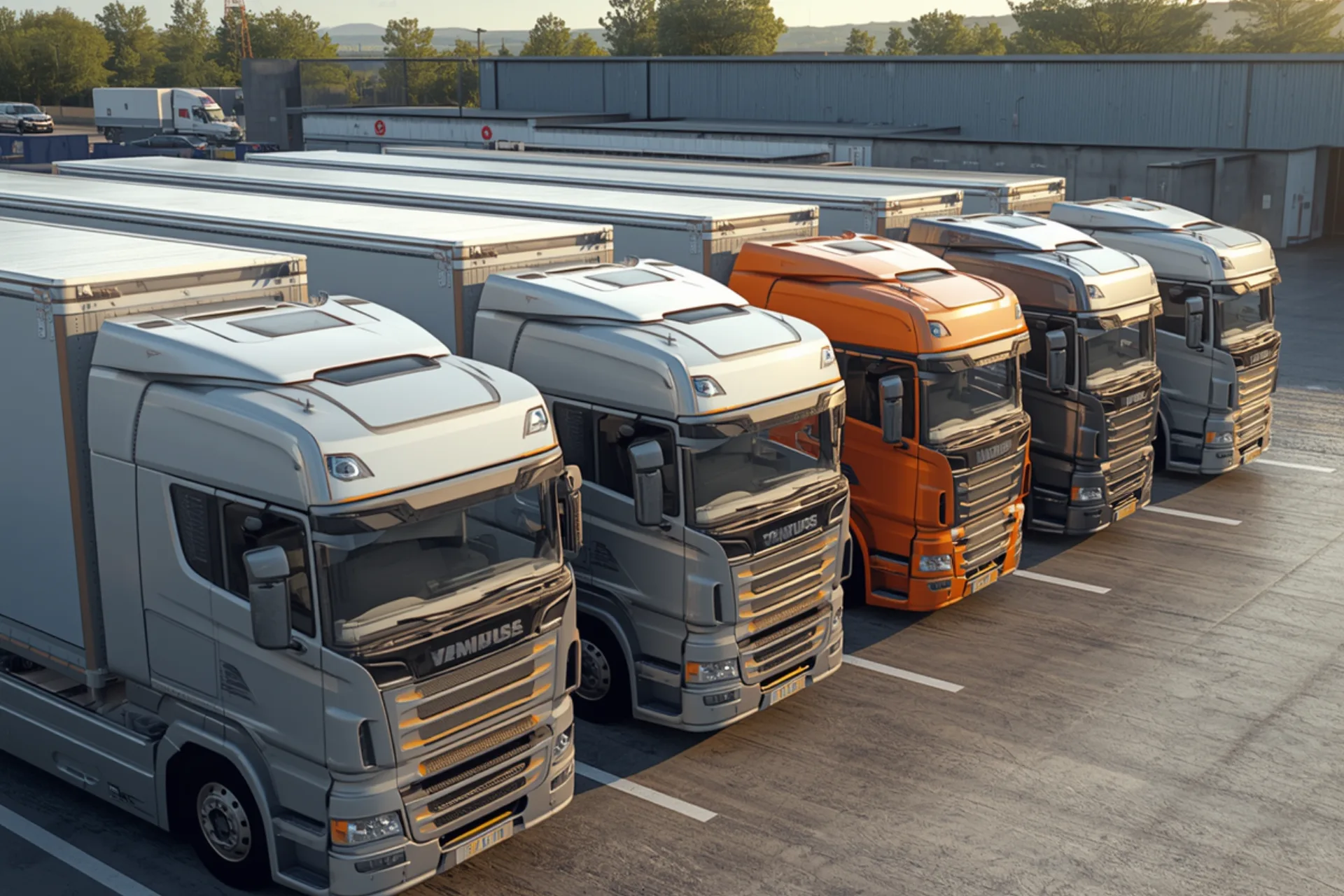
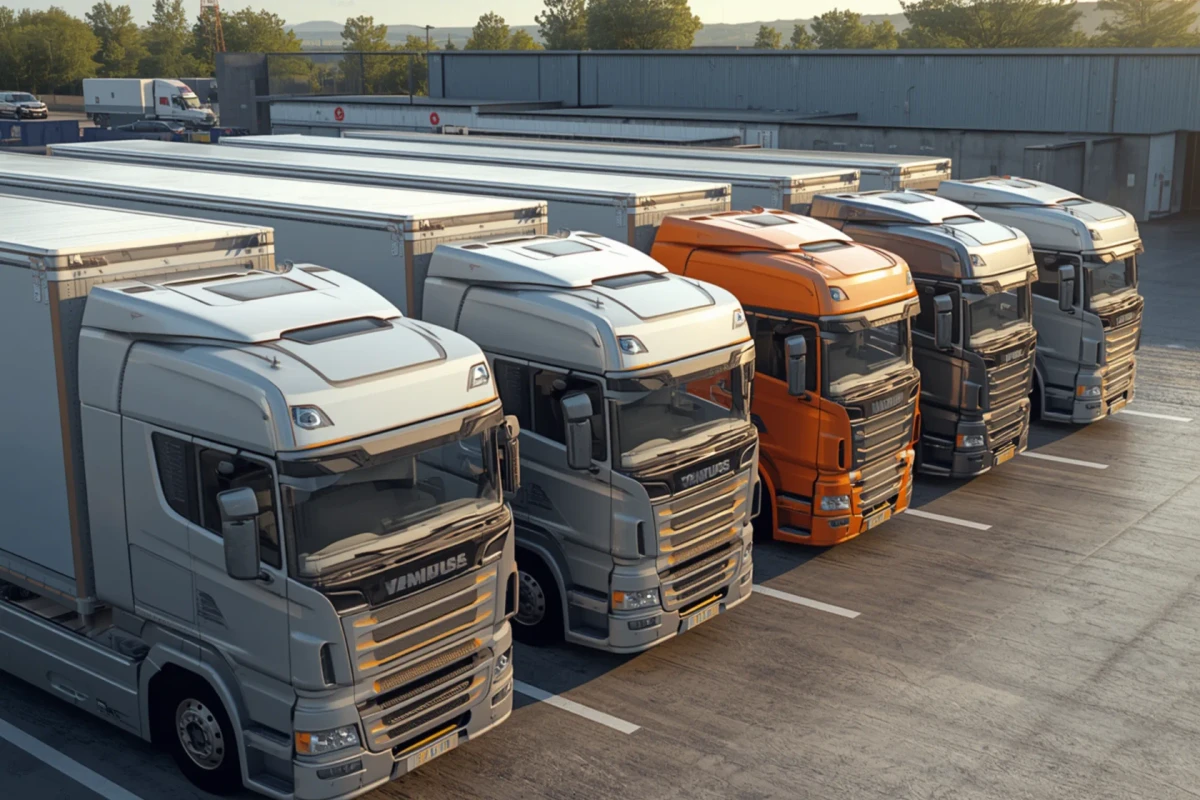
What it is: a closed trailer without temperature control, designed for general cargo that does not require specific environmental conditions. It is the most common unit in the Mexican market.
Typical dimensions: in Mexico, the most common dry vans are 48 and 53 feet in length. A 53-foot van has capacity for 26 to 28 standard pallets depending on the type of stacking.
What it's used for: general manufacturing, auto parts, packaged electronics, clothing, paper, plastics, packaged consumer goods, lightweight construction materials, among many others.
What it is not: it is not a refrigerated unit and does not have humidity control. If your cargo is sensitive to temperature or humidity, a dry van is not the right option.
53-foot unit — the most widely used for international crossings
What it is: technically it is a length specification, not a different type of unit. But in the context of the Mexico–U.S. corridor, "ordering a 53" almost always refers to a 53-foot dry van — the American market standard.
Why it matters at the border crossing: the American market operates primarily with 53-foot vans. If you are exporting to the U.S. and your cargo is going to be distributed from an American warehouse, make sure the unit you hire is compatible with the recipient's docks and unloading equipment.
Capacity: approximately 26–28 standard pallets, up to 22,000–24,000 kg of payload depending on the type of tractor and weight regulations per state in the U.S.
Refrigerated or "reefer" — for cold chain cargo
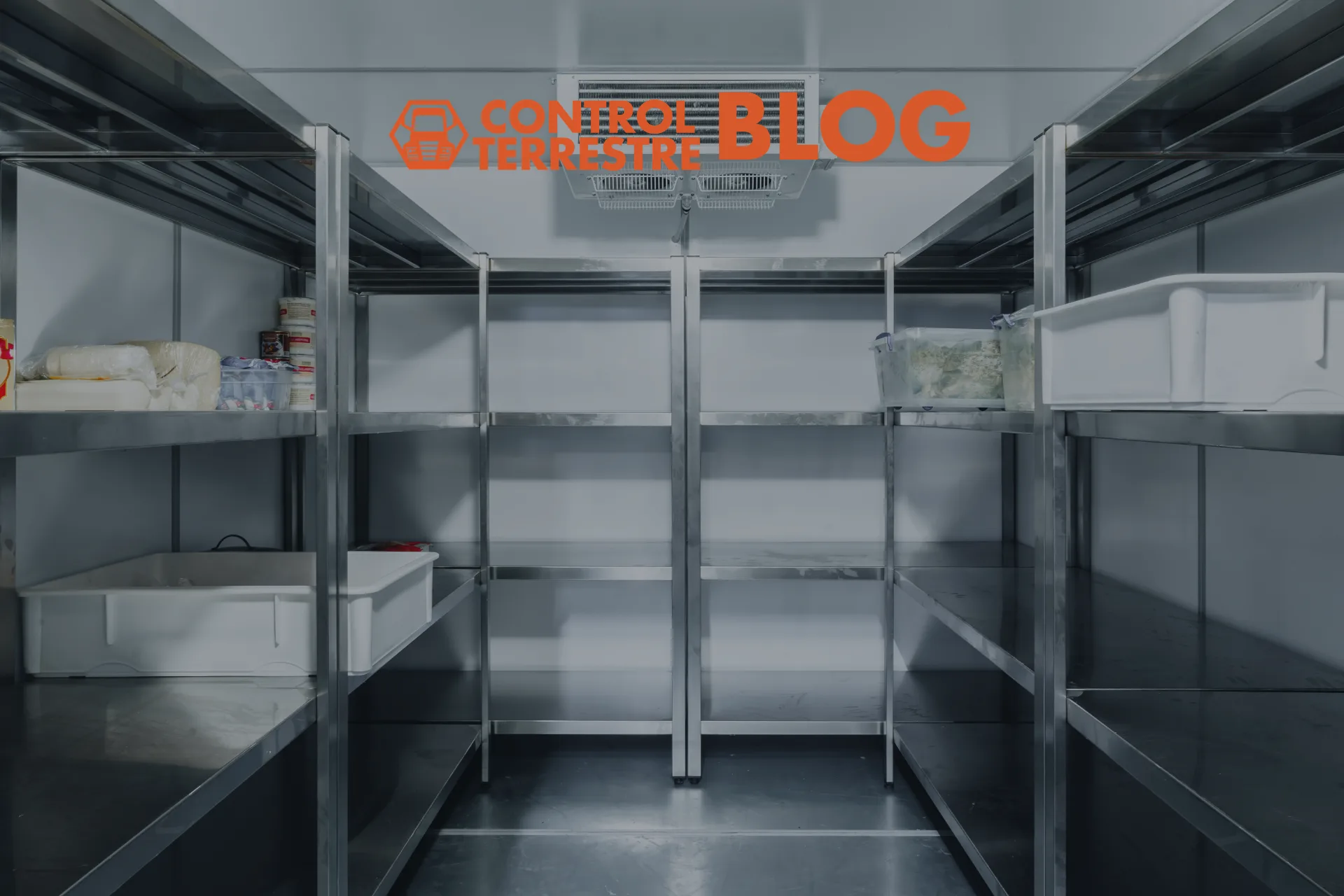
What it is: a closed van with a built-in refrigeration system that allows temperature to be controlled throughout the entire journey. The temperature range can go from +18°C to -25°C depending on the equipment.
What it's used for: fresh and frozen food, pharmaceuticals, cosmetics with temperature requirements, flowers, heat-sensitive chemicals, among others.
What you should know before hiring one: not all reefers are the same. There are units for positive temperature — between 0°C and +15°C for fresh products — and units for negative temperature for frozen goods. Verify that the unit's temperature range is compatible with your product's requirements.
Cost: a refrigerated unit costs significantly more than a dry van — between 30% and 60% more depending on the route and season — due to the cost of the equipment, additional fuel consumption, and specialized maintenance.
What nobody tells you: temperature monitoring during transit is not always included in the base service. If your cargo requires continuous temperature recording for regulatory compliance — such as pharmaceuticals under FDA or COFEPRIS regulations — verify that the carrier has the corresponding telemetry system.
Full or "full double trailer" — for large volumes
What it is: a transport configuration consisting of a truck tractor pulling two trailers instead of one. In Mexico it is known as a "full" or "double trailer." It allows you to move double the cargo in a single trip with a single driver.
Dimensions: typically two 28-foot trailers, which is approximately equivalent to the capacity of two single vans.
What it's used for: high-volume operations where cargo consolidation reduces the cost per unit transported. It is especially efficient on long-distance routes with consistently high volume.
What you should know: not all destinations accept full units. Access restrictions in urban areas, weight limitations on certain highway segments, and the requirements of some loading docks can make the full configuration unviable for all delivery points. Verify restrictions at origin and destination before quoting.
For international crossings: full units cannot cross directly into the U.S. in that configuration — the American transportation system does not operate with double trailers the same way Mexico does. For exports, cargo is normally transferred to units compatible with the American market.
Flatbed or "low boy" — for cargo that doesn't fit in a van
What it is: a trailer without side walls or a roof, designed for cargo that due to its dimensions or weight cannot be transported in a closed van. This includes standard flatbeds, gooseneck flatbeds, and low boys for special-height loads.
What it's used for: industrial machinery, construction equipment, metal structures, tanks, generators, transformers, oversized parts.
What you should know: flatbed cargo is exposed to weather conditions during transit. If your goods cannot get wet or require dust protection, they need a tarp cover — which is not always included in the base service.
Tanker or "pipa" — for liquids and bulk materials
What it is: a unit specifically designed for the transport of bulk liquids — fuels, chemicals, liquid foods, water — or granular materials. There are tankers for food products, tankers for chemicals, and tankers for fuels, and they are not interchangeable.
What you should know: the type of tanker must match the type of product exactly. A food-certified tanker cannot be used for chemicals, and vice versa. Unit certification for your type of product is a regulatory requirement, not a recommendation.
How to choose the right unit for your cargo
Before requesting a quote, have the following information clear:
Weight and volume of your cargo. Not just the product weight alone — the total weight including packaging and pallets. And the volume occupied, not just the number of pieces.
Temperature requirements. Can your product be at room temperature? Does it require positive cold? Does it require freezing? Is there a specific range you must maintain by regulation?
Dimensions of the packaged product. If any piece exceeds the standard height, width, or length limits of a closed van, you need a special unit.
Restrictions at origin and destination. Does the loading or unloading dock have height or length restrictions for units that can enter? Are there weight restrictions on the access road?
Regulatory requirements. Does your product require specific documentation by unit type — such as a bill of lading with temperature data for pharmaceuticals, or special permits for oversized cargo?
The right question before requesting a quote
It's not "how much does it cost to move this?" It's "what unit does this cargo need and what requirements does that unit have?"
A carrier who asks you those questions before giving you a price is a carrier who understands your operation. One who gives you a price without asking anything is probably making assumptions — and assumptions in logistics always come at a cost.
Knowing the types of units doesn't make you a transport specialist. It makes you a client who can make better decisions and ask the right questions.
At Control Terrestre we operate with a diversified fleet — dry vans, reefers, flatbeds, and specialized units — so the unit you need is available when you need it. Request a quote or subscribe to our newsletter to receive practical ground logistics content every week.