Click & Collect is a logistical and commercial model in which customers purchase products online (through a website or mobile application) and physically collect them at a point of sale or a specifically designated location, such as a store, warehouse, or automated locker. This service combines the convenience of e-commerce with the immediacy of brick-and-mortar retail.
Key features of Click & Collect:
Online purchase: The customer selects and pays for products from a digital platform.
Collection at store or designated point: The products are prepared for collection at a previously agreed location.
Savings on delivery costs: The customer avoids the costs associated with home delivery.
Schedule flexibility: Customers can choose when to collect their order, depending on the hours set by the seller.
Logistical advantages:
Reduced transportation costs: The need for individual home deliveries is eliminated or reduced.
Inventory optimization: Physical stores can function as mini-distribution centers, streamlining delivery.
Service speed: Customers can receive their orders on the same day or even within hours.
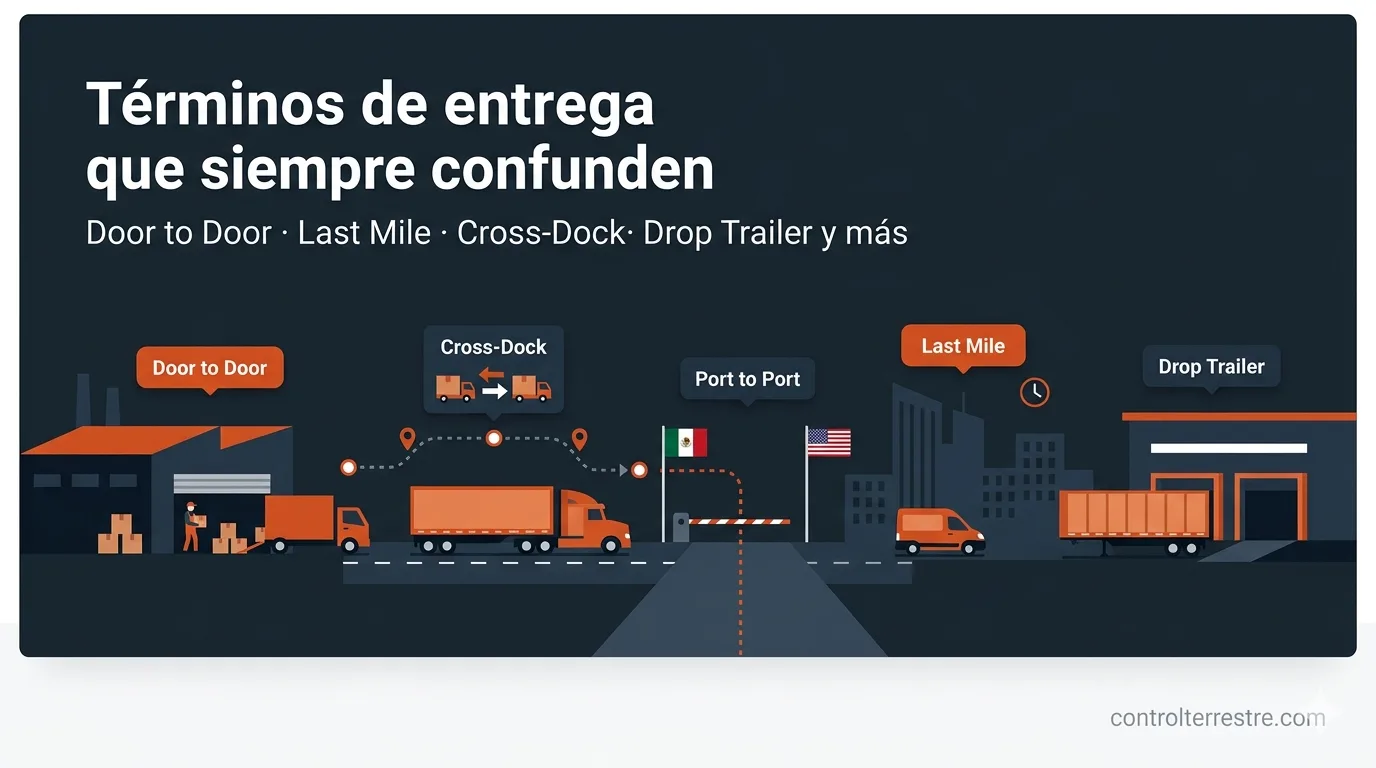
Lower pressure on the last mile: Click & Collect reduces the complexity and costs associated with the last mile, one of the most expensive stages of the logistics chain.
Examples of implementation:
Retail stores: Supermarkets and large chains, such as Walmart and Soriana in Mexico, allow customers to collect their purchases in-store or from their car (Drive Thru option).
Parcel centers: Logistics companies like Amazon use lockers for customers to collect their orders.
Local businesses: Small businesses also implement the model to attract digital customers and optimize their operations.
Importance in modern logistics:
The Click & Collect model responds to the growing consumer demand for convenience and speed, while also offering operational benefits to companies. It is particularly useful in urban markets where home delivery costs and times can be high.