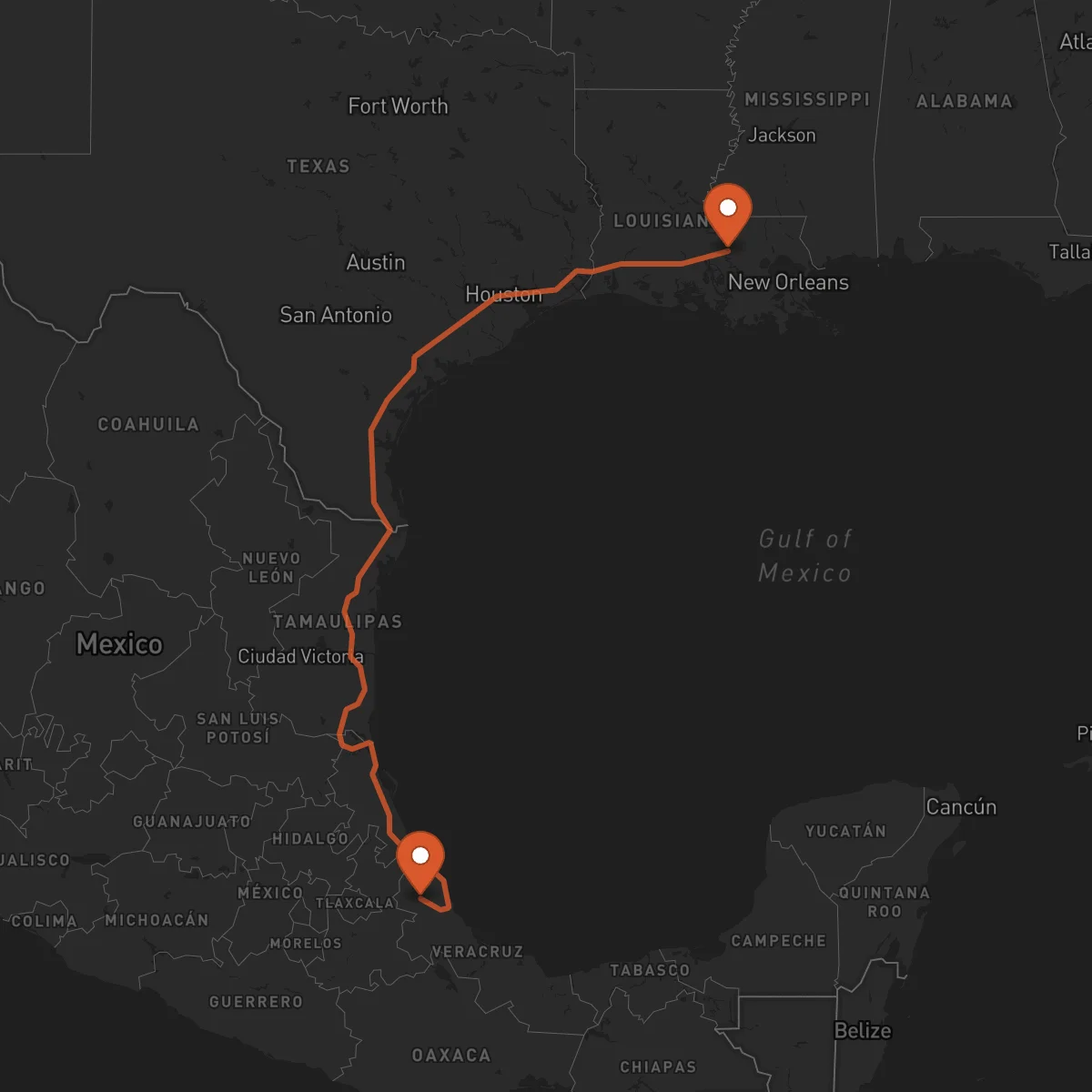
Xalapa to Baton Rouge
Baton Rouge → XalapaFTL freight transportation service between Xalapa and Baton Rouge. Reliable logistics solutions for your business.
Route Description
Everything you need to know about the corridor Xalapa - Baton Rouge
The logistics corridor connecting Xalapa, Veracruz, Mexico to Baton Rouge, Louisiana, United States represents a vital trade link between two important industrial regions. This cross-border route spans approximately 1342 kilometers and facilitates the movement of goods between Mexico's Gulf Coast and the heart of Louisiana's petrochemical industry. The corridor serves as a crucial artery for North American trade, connecting manufacturing centers in central Mexico with distribution hubs and industrial facilities in the southern United States.
The economic significance of this corridor cannot be overstated. Xalapa serves as a strategic gateway to Mexico's central highlands, while Baton Rouge anchors Louisiana's extensive industrial complex, particularly in chemicals, refining, and manufacturing. The route passes through key economic zones, connecting automotive parts manufacturers, electronics producers, and agricultural exporters in Mexico with energy companies, chemical plants, and distribution centers in Louisiana. This corridor has become increasingly important as trade relations between Mexico and the United States continue to strengthen under various trade agreements.
Transportation infrastructure along this corridor includes major highways such as Mexican Federal Highway 150D and U.S. Interstate 10, providing reliable and efficient transit options. The route typically crosses at major border points like Laredo or Brownsville, where modern customs facilities ensure smooth processing of cross-border shipments. Control Terrestre's expertise in managing this corridor includes comprehensive knowledge of customs requirements, documentation needs, and regulatory compliance for both Mexican and U.S. authorities. Our dedicated team ensures that shipments move seamlessly across the border, minimizing delays and maintaining the integrity of time-sensitive cargo.
Services for this Route
Available services for the corridor Xalapa - Baton Rouge
 Origin
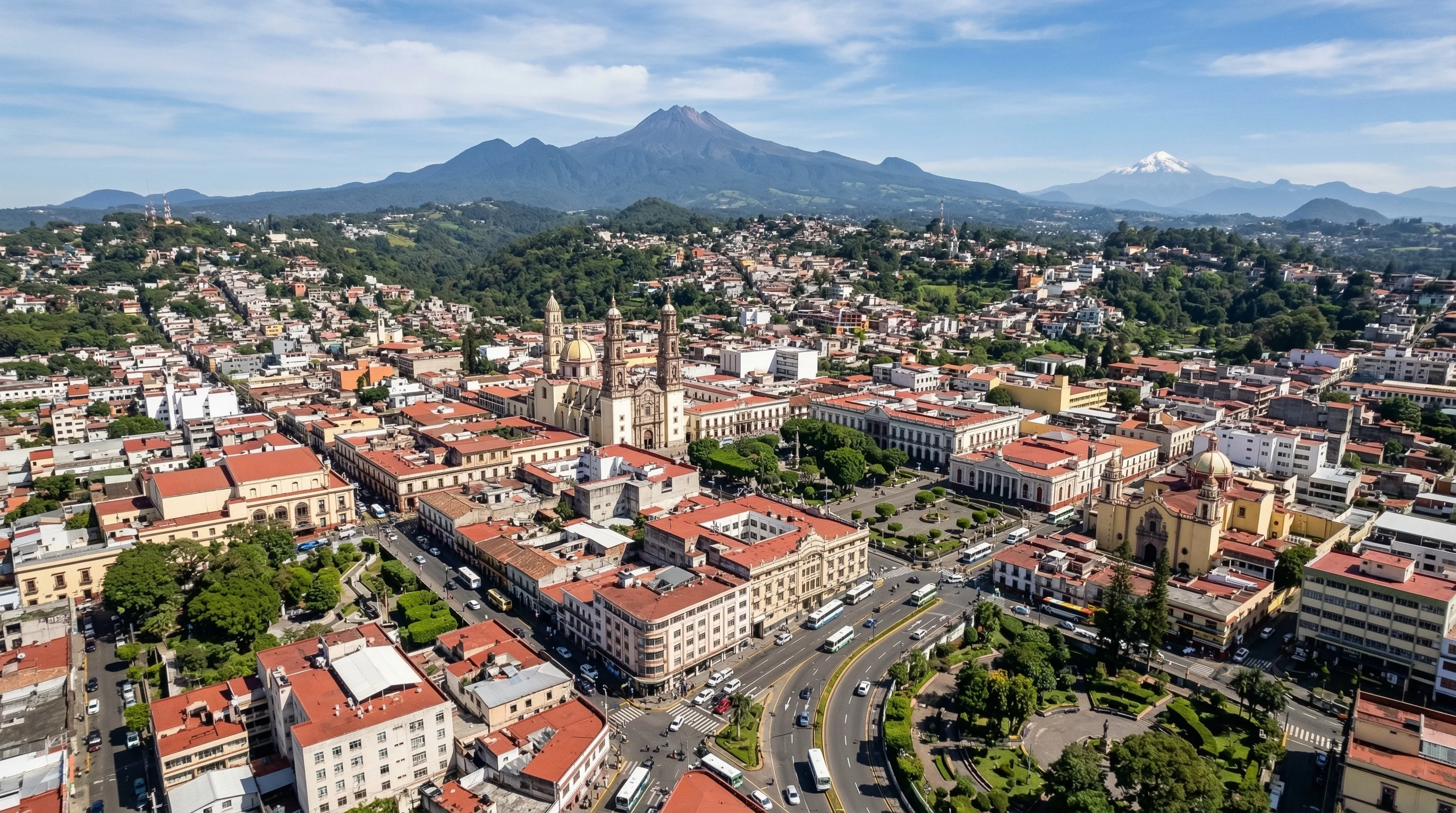
Xalapa, the capital city of Veracruz, occupies a strategic position in Mexico's central-eastern region, serving as a crucial logistics hub for the surrounding industrial areas. Located in the highlands of Veracruz, Xalapa provides access to major manufacturing centers in Puebla, Veracruz, and surrounding states. The city benefits from excellent connectivity to Mexico's highway network, including direct access to major routes heading north toward the U.S. border and south toward Mexico's Pacific ports. Xalapa's proximity to Veracruz port, one of Mexico's largest maritime gateways, enhances its importance as a distribution center for both domestic and international trade.
The region surrounding Xalapa is characterized by diverse economic activities, including automotive manufacturing, electronics production, food processing, and agricultural exports. The area hosts numerous maquiladora operations and serves as a key supplier to U.S. manufacturing facilities. Transportation infrastructure includes modern highways, rail connections, and proximity to Veracruz International Airport, providing multiple options for freight movement. The city's elevation and central location make it an ideal consolidation point for goods destined for various parts of Mexico and the United States.
 Destination
Baton Rouge
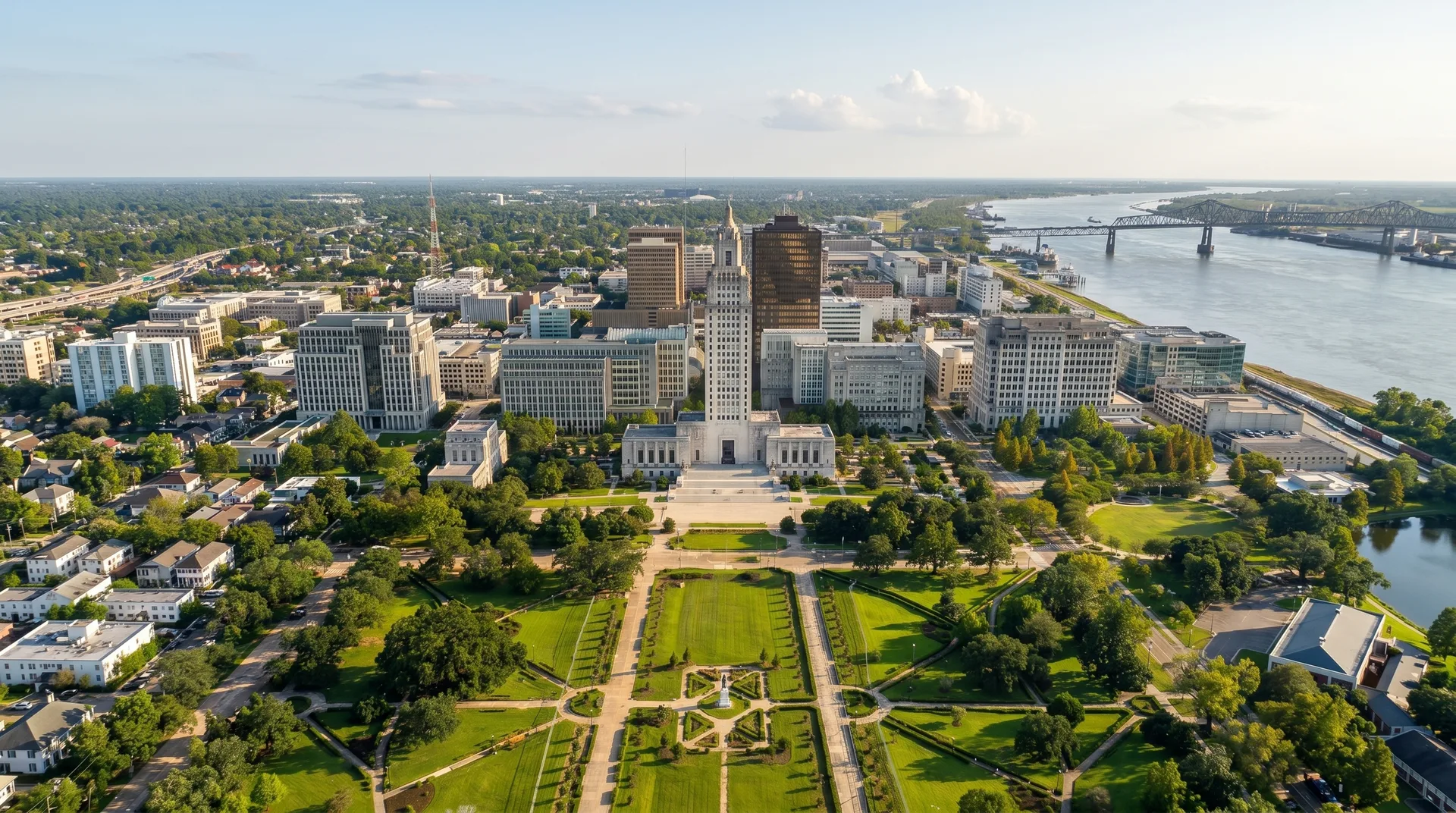
Baton Rouge, Louisiana, stands as a major industrial and logistics center in the southern United States, strategically positioned along the Mississippi River. The city serves as the capital of Louisiana and anchors one of the nation's most significant petrochemical corridors, often referred to as "Cancer Alley" due to its concentration of chemical plants and refineries. Baton Rouge's location provides direct access to the Gulf of Mexico via the Mississippi River, making it a crucial inland port for both domestic and international trade. The city's extensive port facilities and rail connections create a multimodal transportation hub that efficiently handles diverse cargo types.
The Baton Rouge metropolitan area hosts a robust industrial base, with major employers in the chemical, petroleum, and manufacturing sectors. The region's economy benefits from its proximity to major energy infrastructure, including refineries, chemical plants, and distribution centers. Transportation infrastructure is highly developed, featuring access to Interstate 10, extensive rail networks operated by major carriers, and the Port of Greater Baton Rouge, which handles bulk commodities, chemicals, and containerized cargo. The city's logistics capabilities are further enhanced by its central location within the southeastern United States, providing efficient distribution to major markets across the region.










