Xalapa to Acapulco
Acapulco → XalapaFTL freight transportation service between Xalapa and Acapulco. Reliable logistics solutions for your business.
Route Description
Everything you need to know about the corridor Xalapa - Acapulco
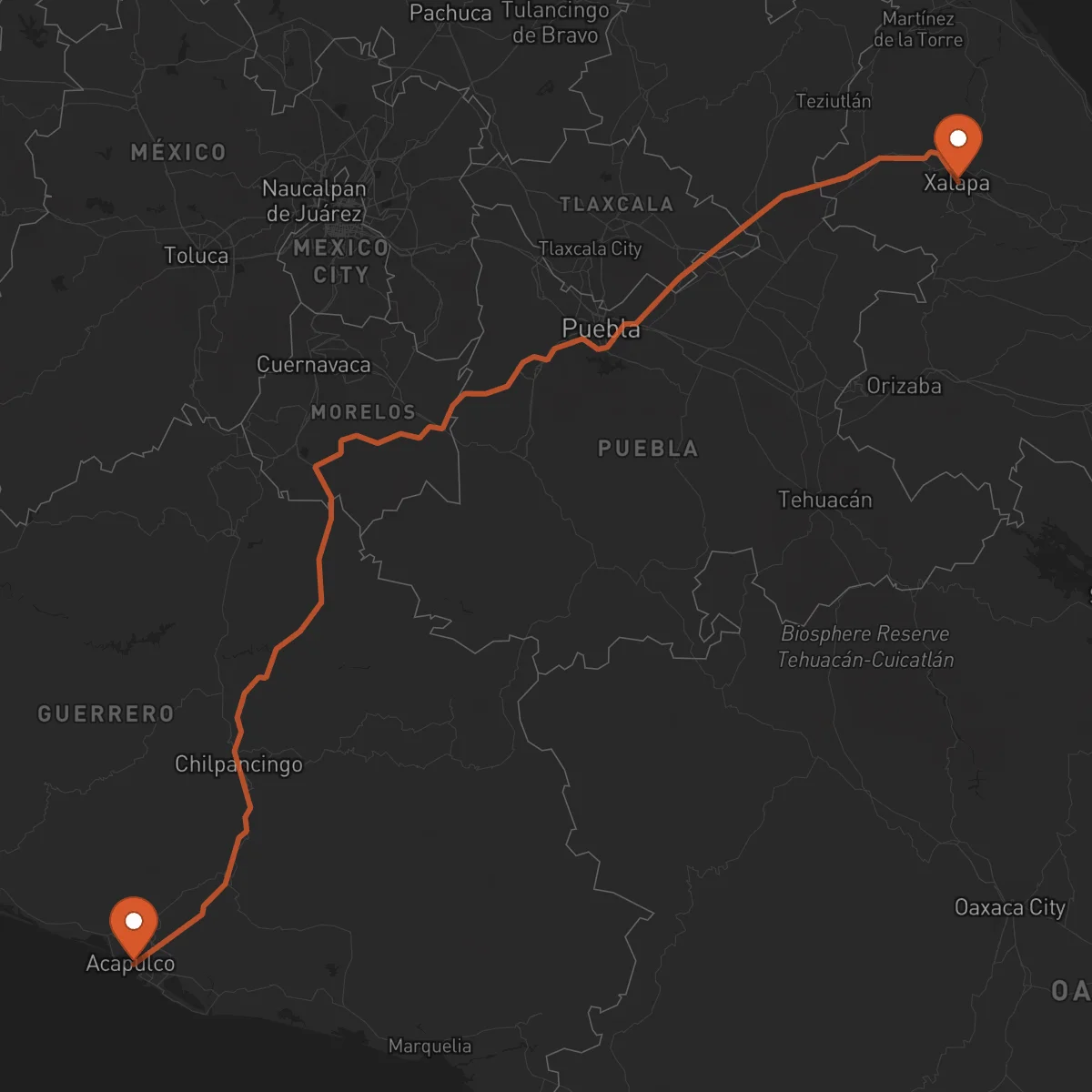
The logistics corridor connecting Xalapa, Veracruz to Acapulco, Guerrero represents a vital commercial route in Mexico, spanning approximately 433 kilometers through diverse terrain and economic zones. This strategic corridor links the industrial heart of Veracruz with the Pacific port and tourism hub of Guerrero, facilitating the movement of goods between the Gulf of Mexico and the Pacific coast. The route traverses key states including Veracruz, Puebla, and Guerrero, crossing important industrial and agricultural regions that contribute significantly to Mexico's economy.
The economic importance of this corridor cannot be overstated, as it connects Xalapa's thriving technology and service sectors with Acapulco's tourism industry and growing manufacturing base. The region's economy is characterized by a mix of traditional industries and emerging sectors, with particular emphasis on automotive parts, electronics, agricultural products, and consumer goods. This diversity creates a robust demand for reliable freight transportation services, especially for full truckload (FTL) shipments that require dedicated capacity and specialized handling.
Transportation infrastructure along this corridor includes major highways such as the Mexico 140D toll road and Mexico 95D, which provide efficient connectivity between the two cities. These modern highways are designed to handle heavy freight traffic and offer multiple lanes, rest areas, and safety features that ensure smooth cargo movement. Control Terrestre leverages this infrastructure to provide seamless FTL transportation services, offering our clients dedicated trucks, experienced drivers, and real-time tracking capabilities that optimize delivery times and ensure cargo security throughout the journey.
Services for this Route
Available services for the corridor Xalapa - Acapulco
 Origin
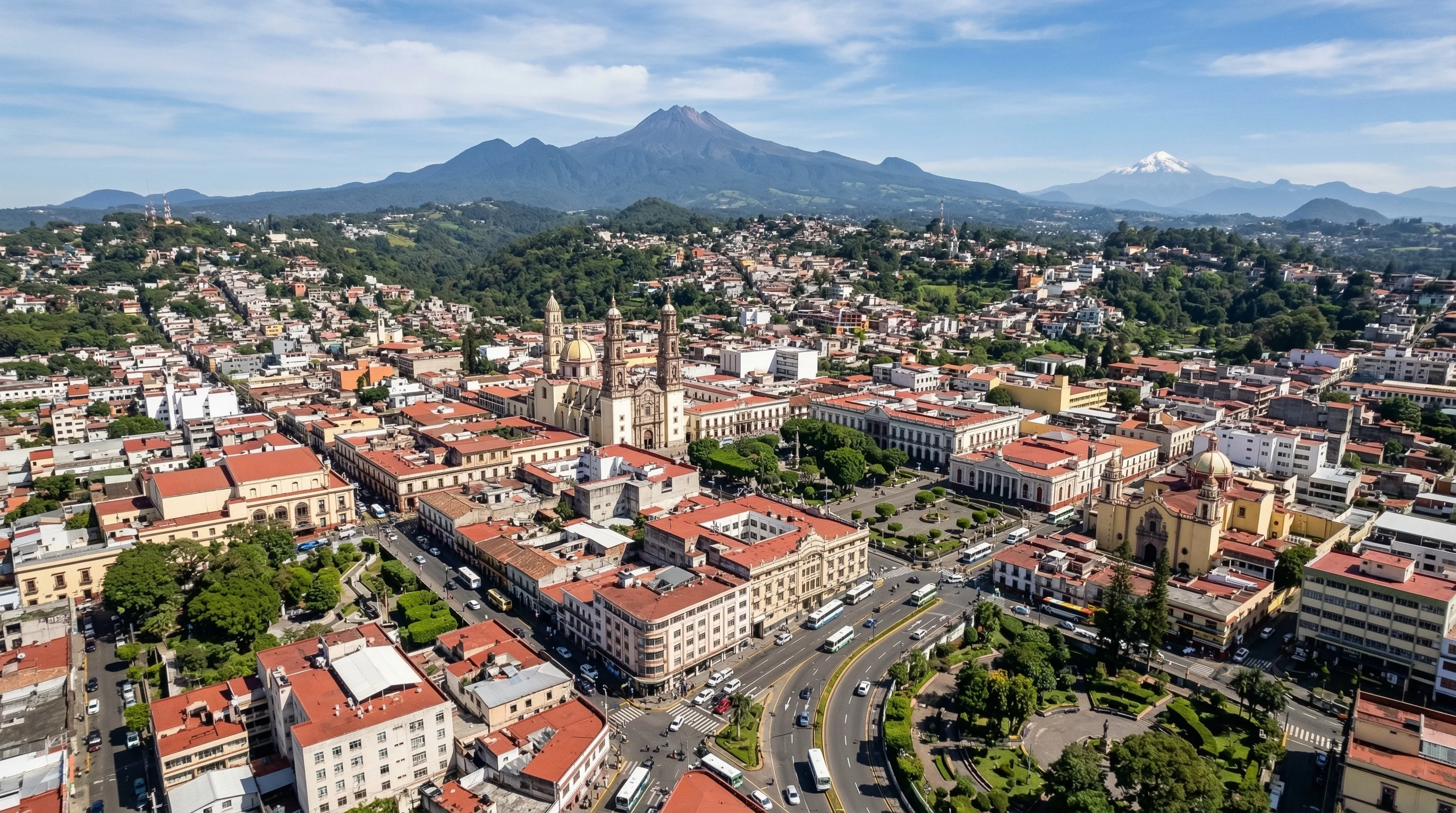
Xalapa, the capital city of Veracruz, serves as a strategic logistics hub in eastern Mexico, combining its highland location with excellent connectivity to major ports and industrial centers. Situated at an elevation of 1,417 meters above sea level, Xalapa benefits from a temperate climate that is ideal for various industries and provides natural cooling for temperature-sensitive operations. The city's proximity to the Port of Veracruz, Mexico's largest and busiest port, makes it an essential node in the national logistics network, facilitating efficient distribution of imported goods and export of local products.
The economic landscape of Xalapa is diverse and dynamic, with strong presence in technology, education, and service sectors. The city hosts numerous universities and research institutions, creating a highly skilled workforce that attracts technology companies and research facilities. Key industries include software development, electronics manufacturing, food processing, and agricultural products, particularly coffee and tropical fruits from the surrounding region. The city's industrial parks and commercial zones are equipped with modern warehouses and distribution centers that support efficient freight operations and provide excellent infrastructure for logistics activities.
 Destination
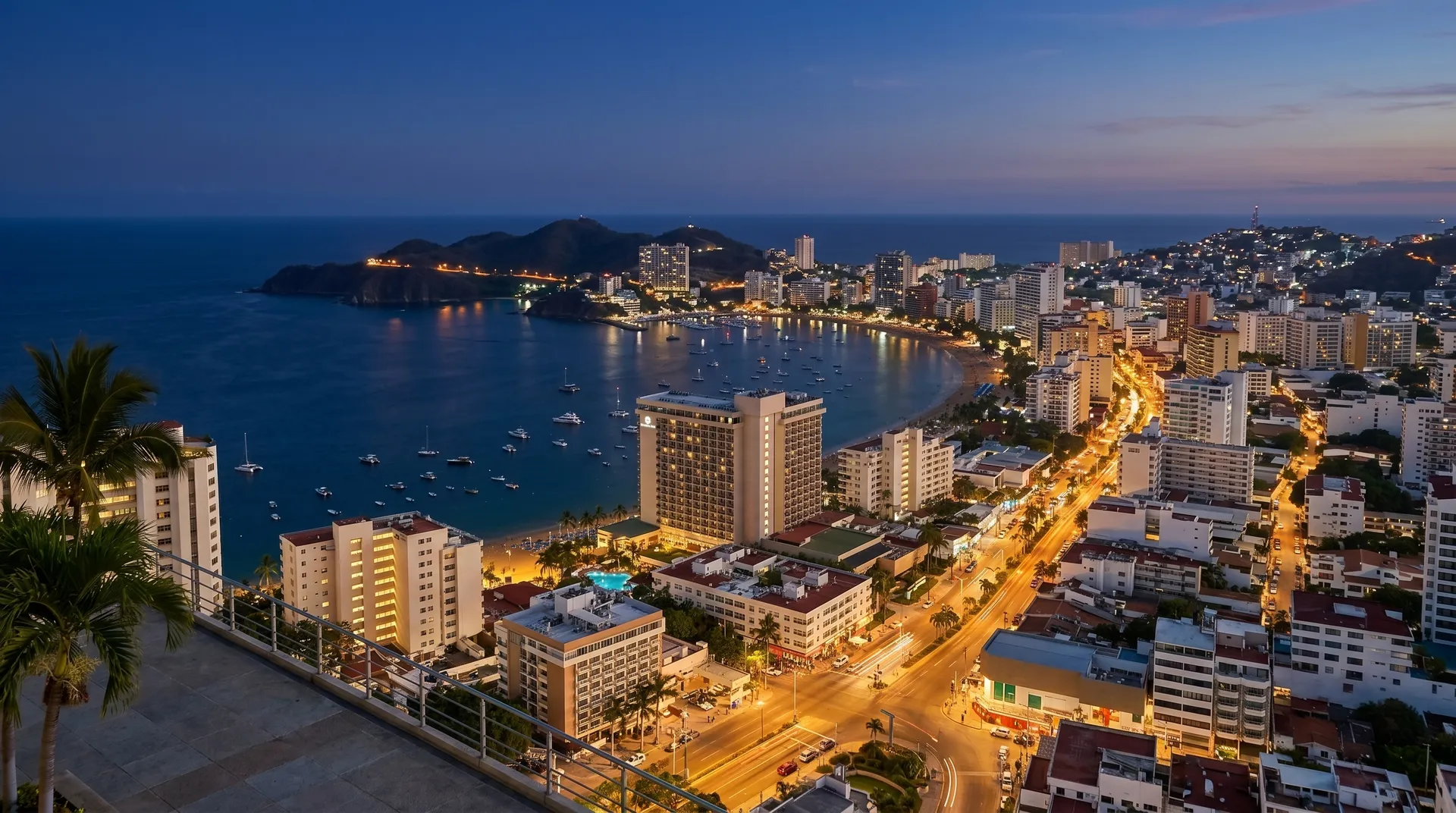
Acapulco, located on Mexico's Pacific coast in Guerrero state, is a strategic logistics destination that combines its importance as a major tourist center with growing industrial and commercial activities. The city's coastal location provides direct access to international maritime trade routes, while its proximity to the Mexico City metropolitan area creates a significant economic corridor. Acapulco's port facilities, though primarily focused on tourism, also handle commercial cargo and provide alternative shipping options for businesses operating in the region.
The economy of Acapulco is traditionally centered around tourism, with world-class hotels, resorts, and entertainment venues that require constant supply of goods and services. However, the city has been developing its industrial base, particularly in manufacturing, construction materials, and food processing industries. The surrounding region is known for its agricultural production, including tropical fruits, vegetables, and seafood, which creates additional demand for reliable freight transportation. Acapulco's infrastructure includes modern highways connecting to major cities, industrial parks, and commercial zones that support efficient logistics operations and provide excellent facilities for cargo handling and storage.










