Winnipeg to Seattle
Seattle → WinnipegFTL freight transportation service between Winnipeg and Seattle. Reliable logistics solutions for your business.
Route Description
Everything you need to know about the corridor Winnipeg - Seattle
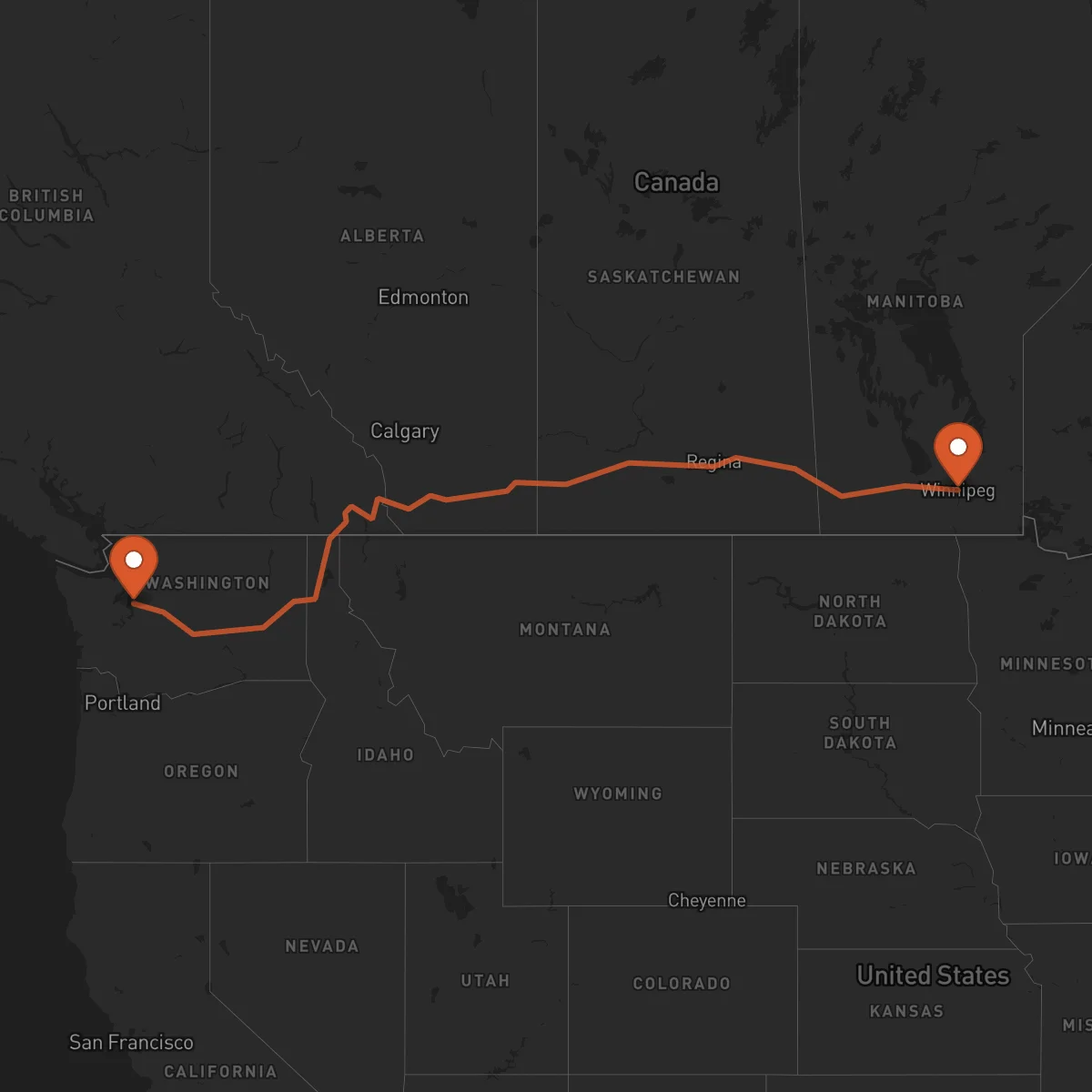
The Winnipeg-Seattle corridor represents a vital cross-border logistics connection between Canada and the United States, spanning approximately 1856 kilometers through the heart of North America. This strategic route links Manitoba's capital with the Pacific Northwest's major port city, facilitating the movement of goods between Canada's central provinces and the U.S. West Coast. The corridor serves as a crucial artery for trade, connecting manufacturing centers in the Canadian Prairies with distribution hubs and international shipping facilities in Seattle.
This route traverses diverse economic landscapes, from Winnipeg's agricultural and manufacturing base through the northern plains of Montana and Idaho, before reaching Seattle's dynamic technology and maritime economy. The region's industrial composition includes aerospace manufacturing, agricultural equipment production, food processing, and high-tech industries, all of which rely on efficient cross-border transportation. Seattle's position as a major port city makes this corridor particularly important for goods destined for Asian markets or arriving from international shipments.
The transportation infrastructure along this corridor includes major highways such as I-90 and I-94, providing reliable year-round connectivity. The route crosses the U.S.-Canada border at multiple points, with the most common being the Pembina-Emerson crossing in North Dakota or the more western options near Montana. Control Terrestre facilitates seamless operations on this corridor through our network of certified carriers, ensuring compliance with customs requirements and providing dedicated full truckload (FTL) services that maintain cargo integrity throughout the journey.
Services for this Route
Available services for the corridor Winnipeg - Seattle
 Origin
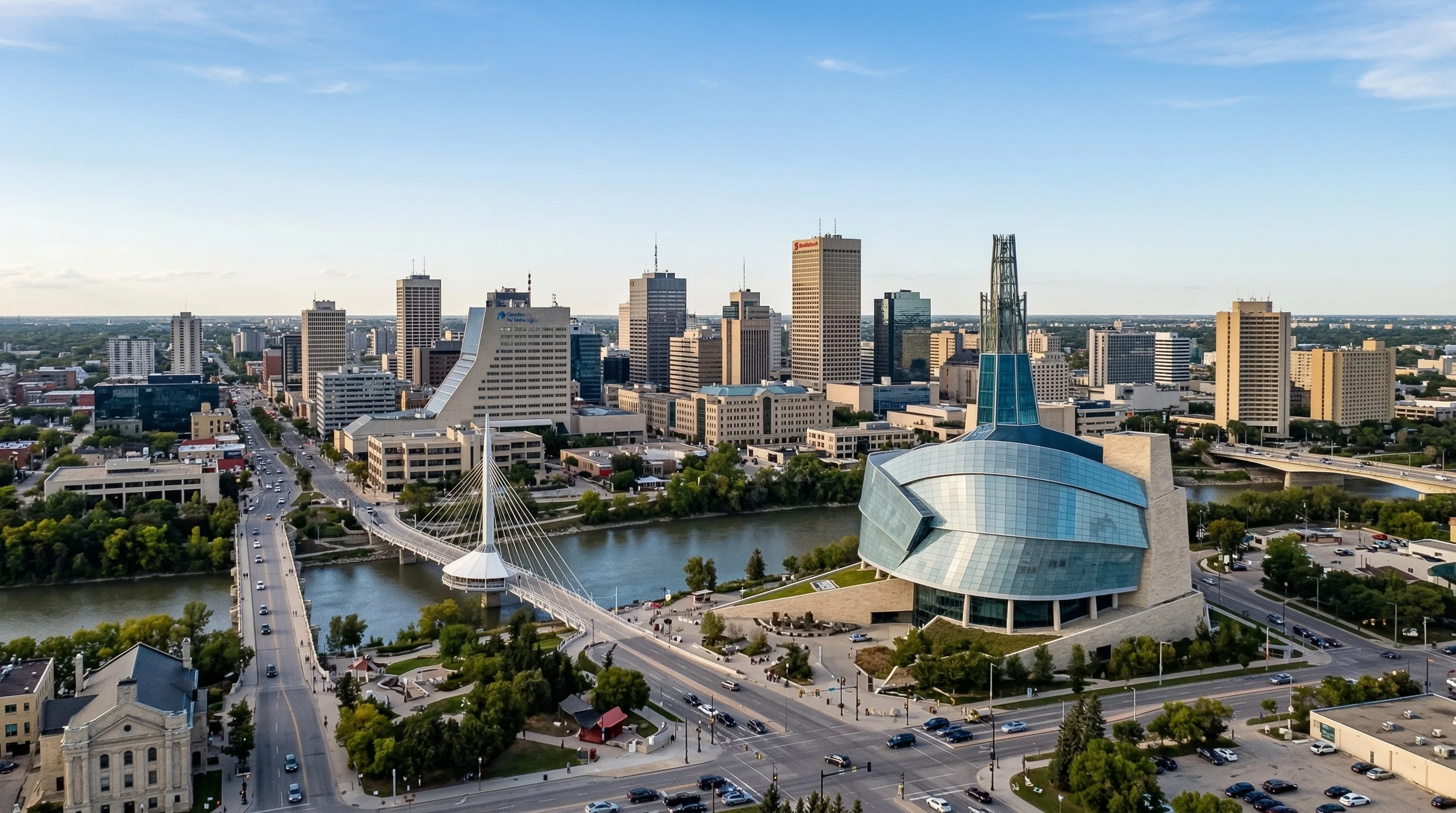
Winnipeg, Manitoba serves as a strategic logistics hub in central Canada, positioned at the confluence of the Red and Assiniboine Rivers. The city's location makes it a natural distribution center for goods moving between Eastern and Western Canada, as well as for cross-border shipments to the United States. Winnipeg's economy is anchored by manufacturing, agriculture, and transportation sectors, with significant activity in aerospace, food processing, and agricultural equipment production. The city benefits from excellent transportation infrastructure, including the Winnipeg James Armstrong Richardson International Airport, extensive rail connections through Canadian National and Canadian Pacific railways, and major highway networks such as the Trans-Canada Highway and Provincial Highway 75, which provides direct access to the U.S. border.
 Destination
Seattle
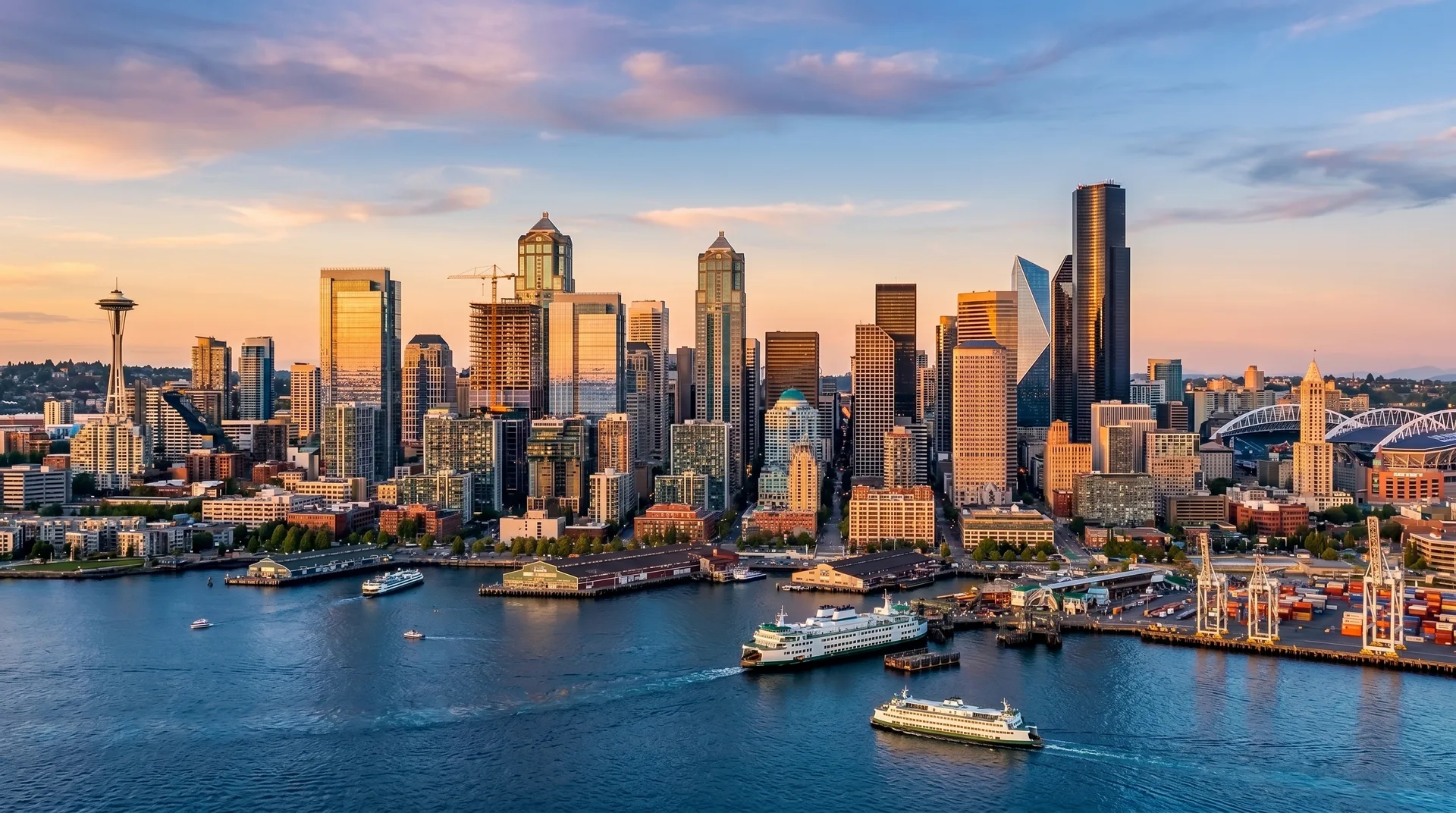
Seattle, Washington stands as a premier logistics gateway on the U.S. West Coast, combining strategic maritime access with robust inland transportation networks. The city's economy thrives on technology, aerospace (notably Boeing's presence), maritime industries, and international trade. Seattle's Port is one of the busiest on the West Coast, handling significant cargo volumes from Asia and serving as a critical node in global supply chains. The region's transportation infrastructure includes the Port of Seattle, Seattle-Tacoma International Airport, extensive rail connections via BNSF and Union Pacific, and a comprehensive highway system anchored by I-5, I-90, and I-405. This infrastructure makes Seattle an ideal destination for cross-border freight, offering multiple options for onward distribution throughout the Pacific Northwest and beyond.










