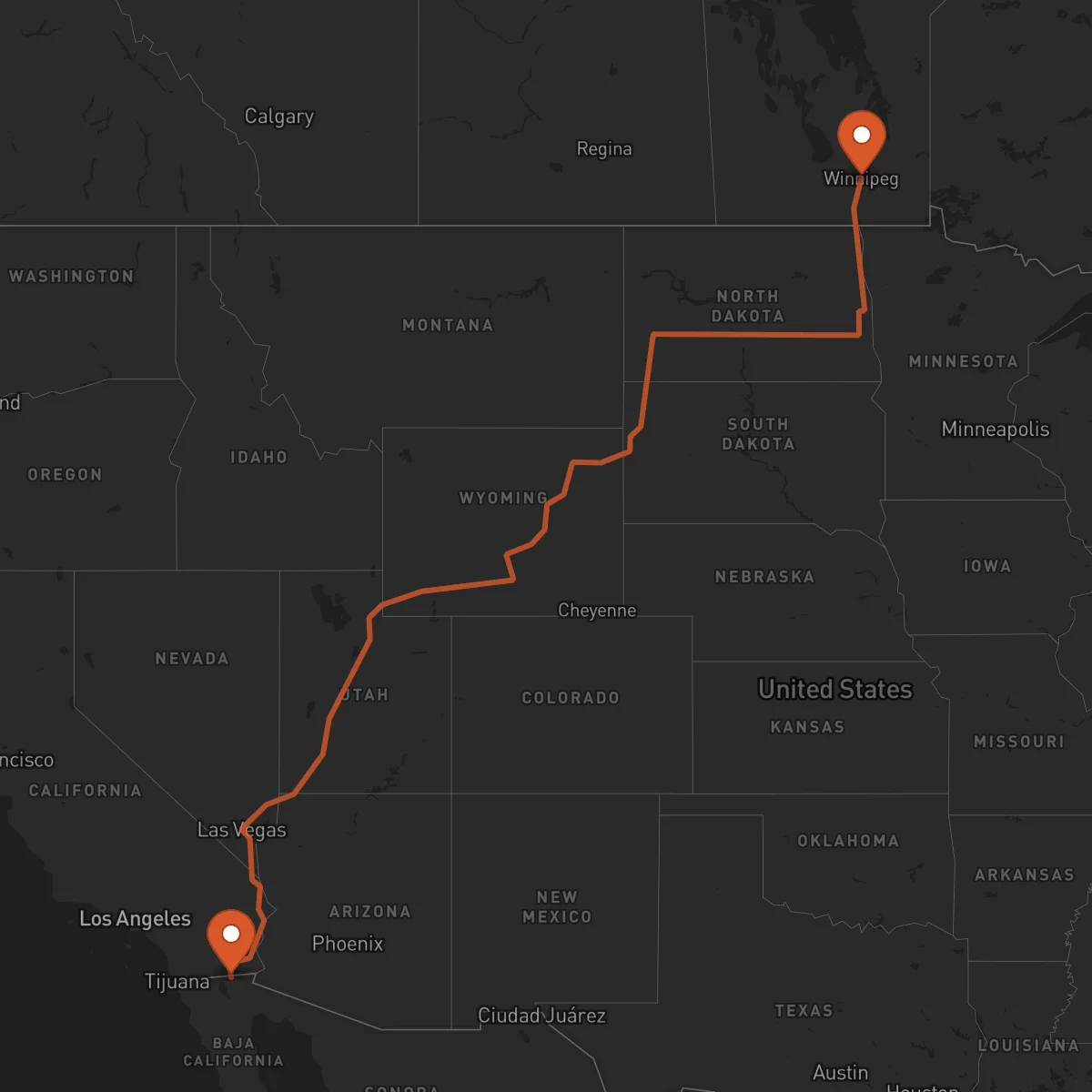
Winnipeg to Mexicali
Mexicali → WinnipegFTL freight transportation service between Winnipeg and Mexicali. Reliable logistics solutions for your business.
Route Description
Everything you need to know about the corridor Winnipeg - Mexicali
The Winnipeg-Mexicali corridor represents a vital trade link between Canada and Mexico, spanning approximately 2,442 kilometers through the heart of North America. This cross-border route connects the agricultural and manufacturing powerhouse of Manitoba with the industrial hub of Baja California, facilitating the movement of goods that drive both regional and international commerce. The corridor traverses diverse landscapes and crosses multiple jurisdictions, requiring expert knowledge of cross-border regulations and customs procedures.
The economic significance of this corridor cannot be overstated. Winnipeg serves as a major distribution center for agricultural products, manufactured goods, and industrial equipment, while Mexicali has emerged as a key manufacturing and export center, particularly in aerospace, electronics, and automotive sectors. This complementary economic relationship creates substantial freight demand, with products flowing in both directions to support integrated supply chains.
Key transportation infrastructure along this route includes major highways such as Highway 75 in Manitoba, I-29 and I-35 through the United States, and Mexican Federal Highways 2 and 5. The primary border crossing at Nogales, Arizona provides efficient processing for commercial vehicles, though alternative crossings may be utilized based on specific cargo requirements. Control Terrestre's expertise in managing cross-border documentation, C-TPAT compliance, and customs clearance ensures seamless transit through these critical checkpoints, minimizing delays and optimizing delivery schedules for our clients' full truckload shipments.
Services for this Route
Available services for the corridor Winnipeg - Mexicali
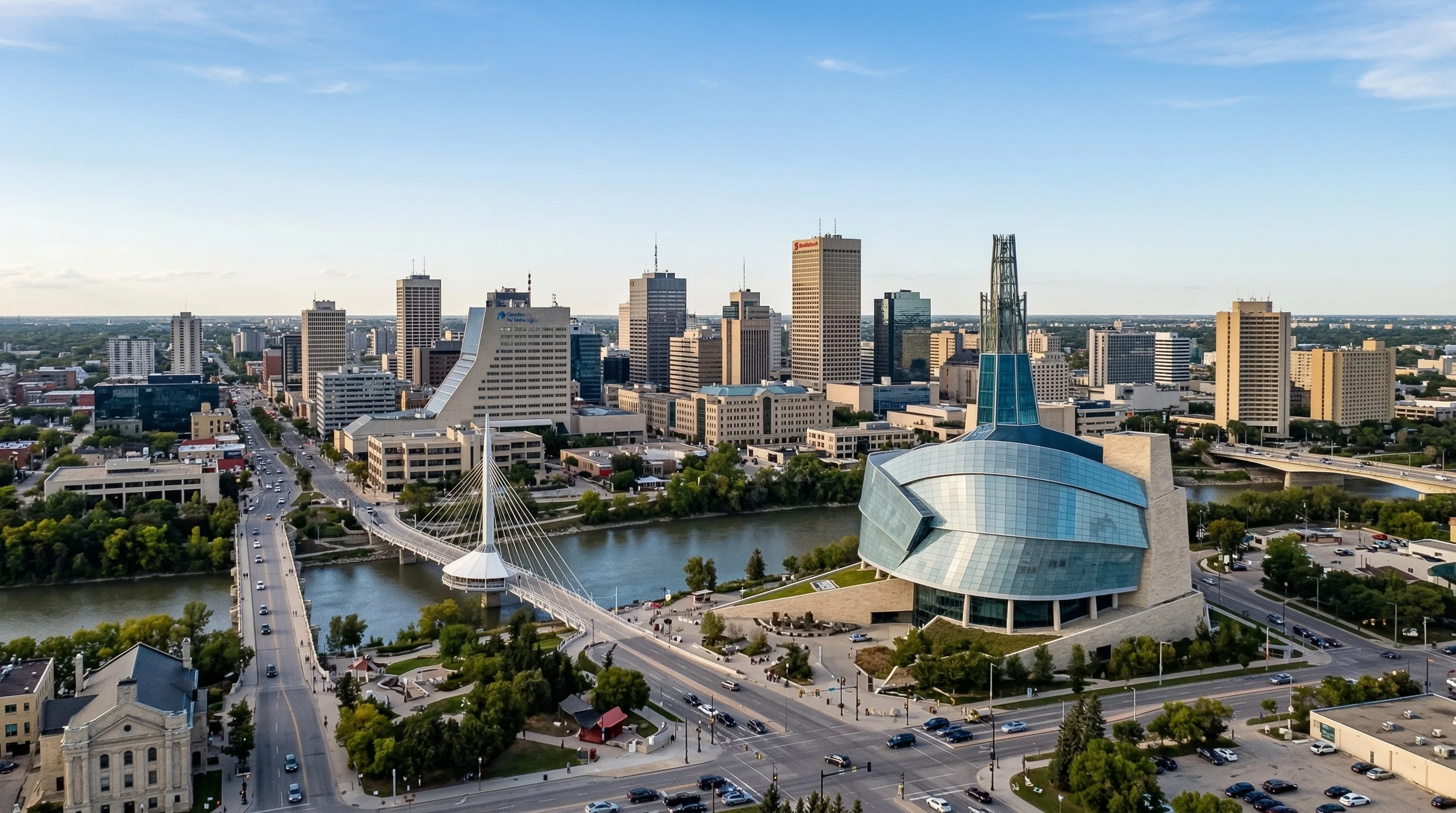 Origin
Winnipeg, located in the geographic center of Canada, serves as a strategic logistics hub for Manitoba and the surrounding Prairie provinces. The city's position at the confluence of the Red and Assiniboine rivers has historically made it a transportation nexus, now enhanced by modern infrastructure including the Winnipeg James Armstrong Richardson International Airport and extensive rail networks operated by Canadian National and Canadian Pacific railways. The city's central location provides excellent connectivity to major Canadian and US markets, making it an ideal origin point for cross-border freight movements.
The Winnipeg region's economy is diverse, with strong agricultural, manufacturing, and technology sectors. Key industries include food processing, aerospace manufacturing, and advanced manufacturing, all of which generate substantial freight volumes requiring reliable transportation solutions. The city's industrial parks and warehousing facilities provide the infrastructure necessary to support complex supply chains, while its cold climate necessitates specialized equipment for certain cargo types, particularly during winter months.
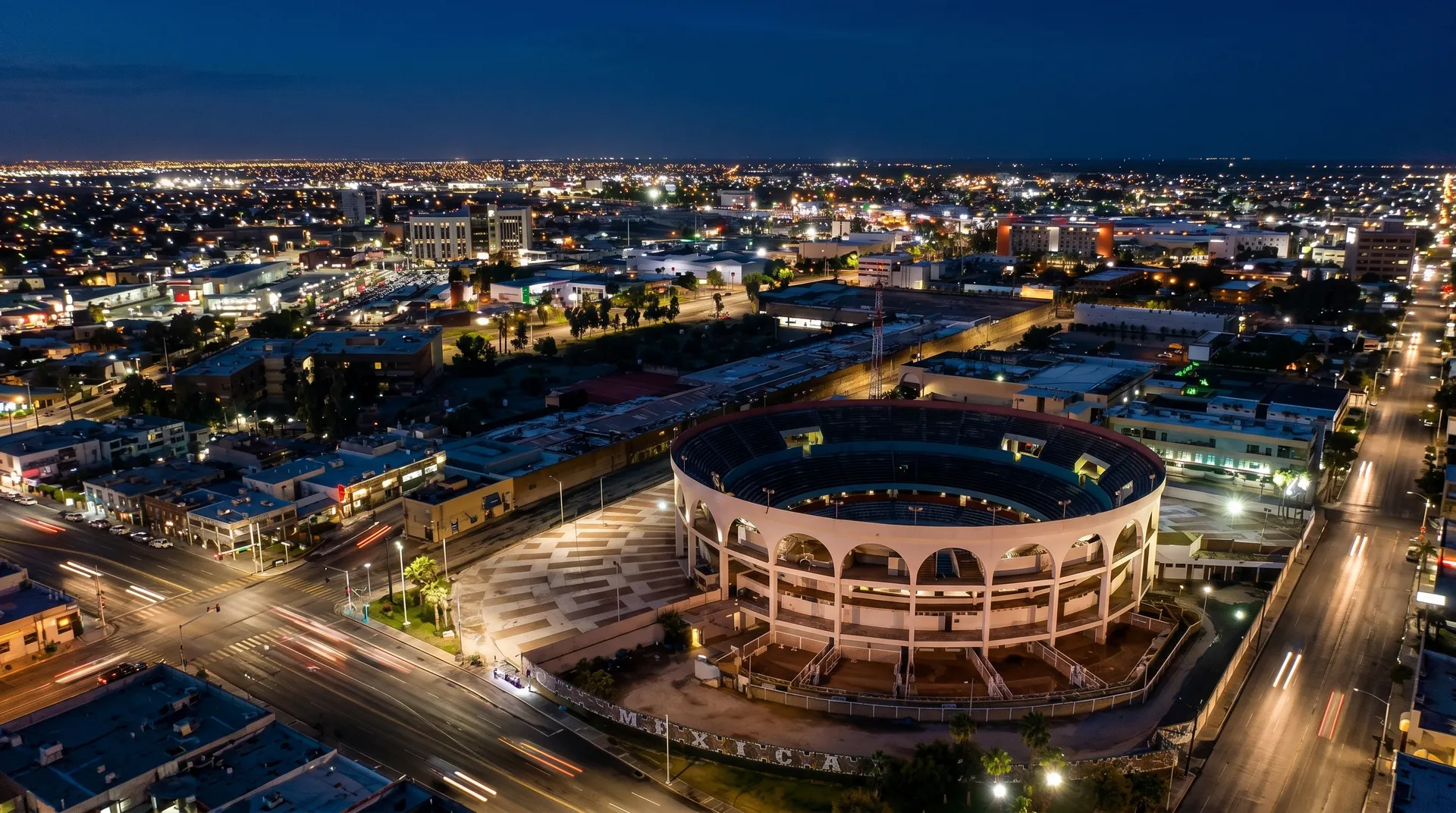 Destination
Mexicali
Mexicali, the capital of Baja California, occupies a strategic position on the US-Mexico border, directly adjacent to Calexico, California. This location provides unparalleled access to both Mexican and US markets, making it a critical gateway for international trade. The city's well-developed transportation infrastructure includes the Mexicali International Airport, extensive highway networks, and direct rail connections to major Mexican and US rail systems. The border crossing at Mexicali-Calexico is one of the busiest commercial ports of entry in the region, handling millions of tons of freight annually.
The city has established itself as a major manufacturing center, particularly in aerospace, electronics, and automotive industries. The presence of numerous maquiladoras (manufacturing plants) creates substantial freight demand for both raw materials inbound and finished products outbound. Mexicali's industrial parks are equipped with modern facilities that support just-in-time manufacturing and other sophisticated logistics operations, while its proximity to the US border facilitates efficient cross-border trade flows.










