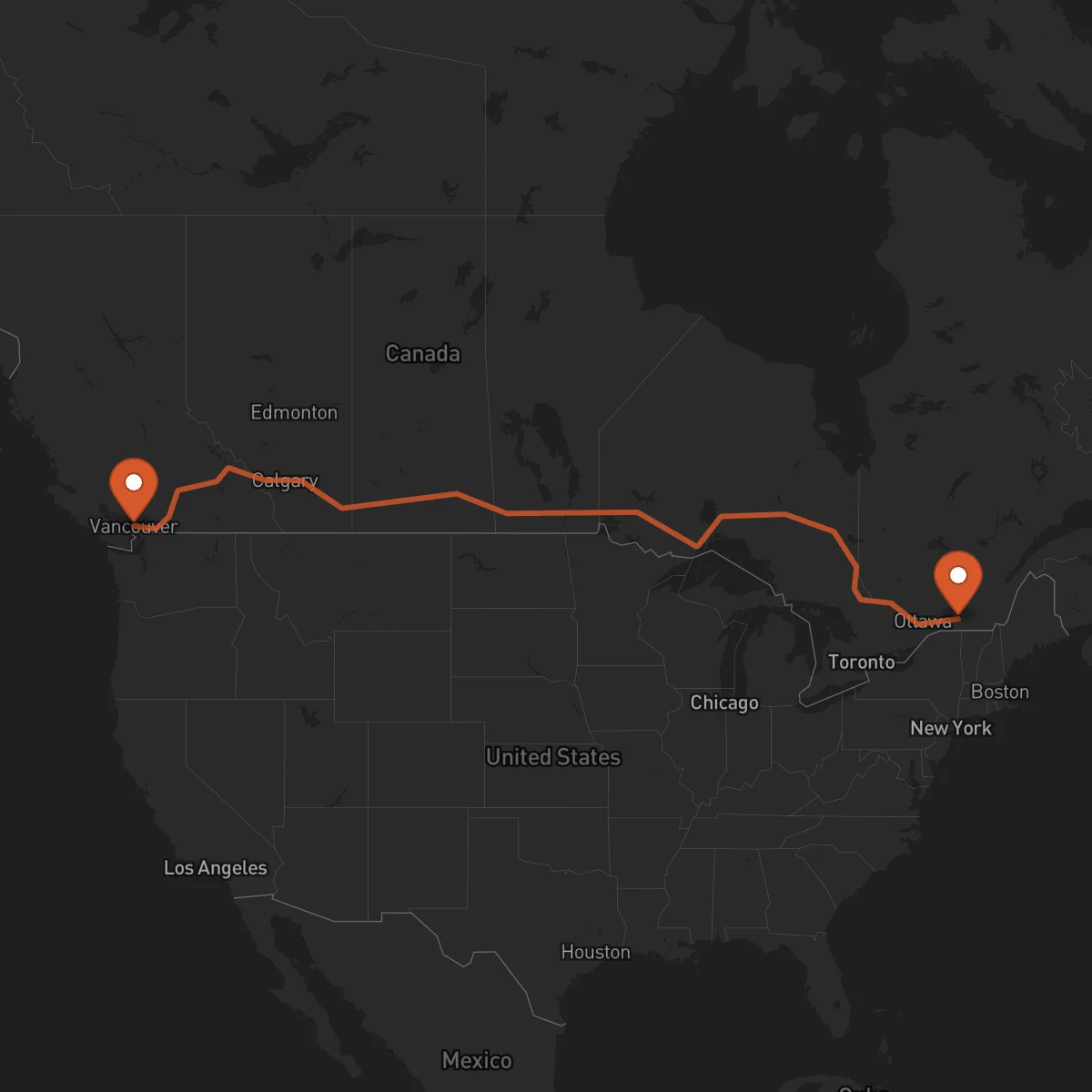
Vancouver to Montreal
Montreal → VancouverFTL freight transportation service between Vancouver and Montreal. Reliable logistics solutions for your business.
Route Description
Everything you need to know about the corridor Vancouver - Montreal
The Vancouver-Montreal corridor represents one of the most critical freight transportation routes in Canada, spanning approximately 3,686 kilometers across the country. This east-west connection links Canada's Pacific gateway with its major economic hub in Quebec, facilitating the movement of goods between the country's busiest port and its largest inland port. The corridor traverses diverse landscapes, from coastal British Columbia through the Canadian Rockies, across the prairies, and through Ontario's industrial heartland before reaching Montreal's metropolitan area.
The economic significance of this route cannot be overstated. Vancouver's port handles billions in trade annually, with much of this cargo destined for central and eastern Canada. Meanwhile, Montreal serves as a continental distribution center, with its extensive rail connections and proximity to major US markets. The corridor supports Canada's manufacturing, retail, and agricultural sectors, enabling just-in-time inventory systems and efficient supply chain management across the country.
Control Terrestre provides specialized full truckload (FTL) services along this vital corridor, offering dedicated transportation solutions that ensure cargo moves efficiently from origin to destination. Our network of certified carriers and strategic partnerships allows us to provide reliable, end-to-end service across the entire route, maintaining the integrity and security of your freight throughout its journey.
Services for this Route
Available services for the corridor Vancouver - Montreal
 Origin
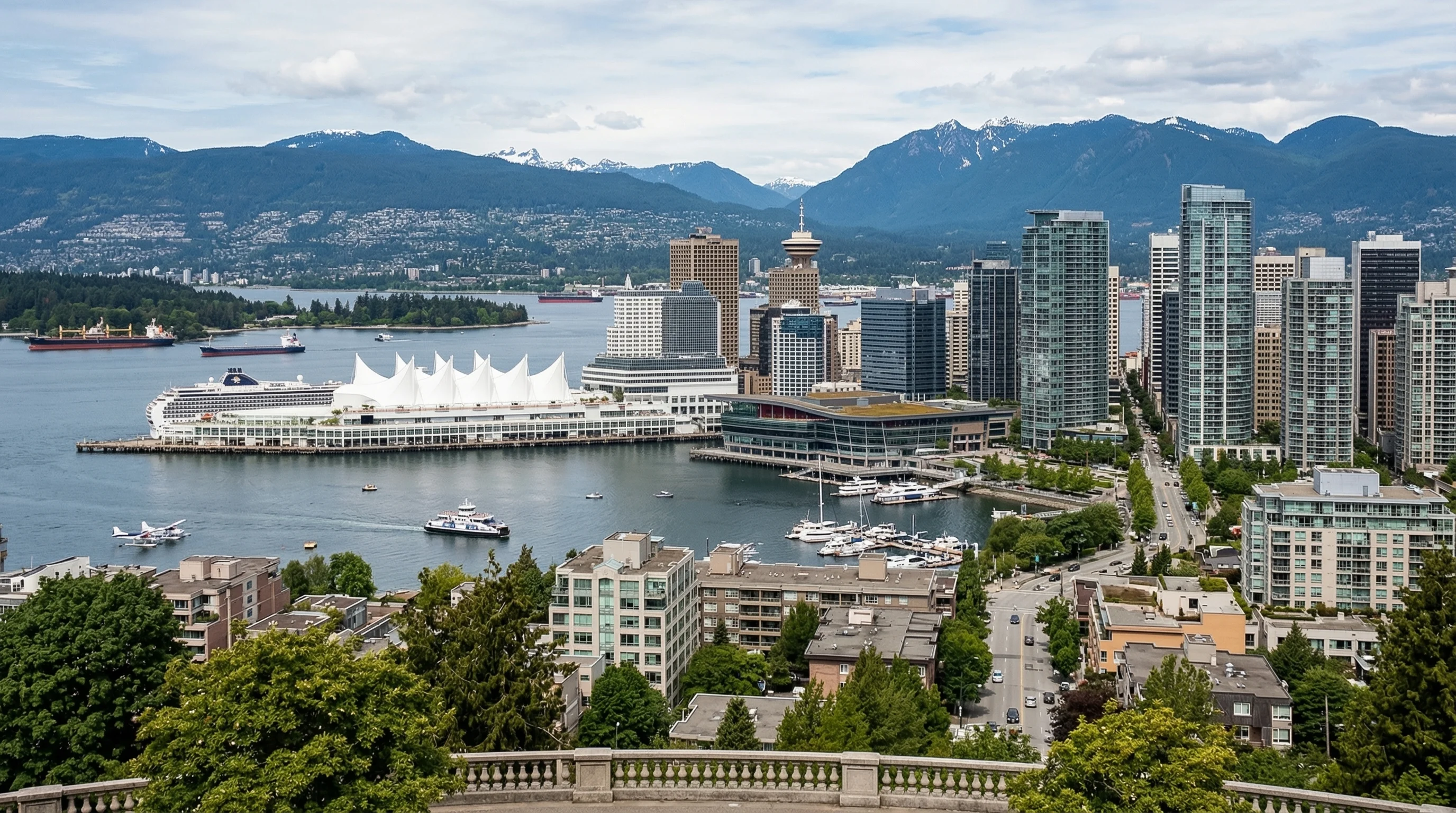
Vancouver
Vancouver stands as Canada's primary Pacific gateway and one of North America's most strategic logistics hubs. Located on the country's west coast, the Port of Vancouver handles over $200 billion in annual trade, making it Canada's largest port by tonnage. The city's proximity to Asia-Pacific markets, combined with its extensive transportation infrastructure including major highways (Trans-Canada Highway, Highway 1), rail connections, and port facilities, positions Vancouver as a critical entry point for international trade. The region's economy thrives on international commerce, technology, film production, and natural resources, creating consistent demand for reliable freight transportation services to move goods across the country.
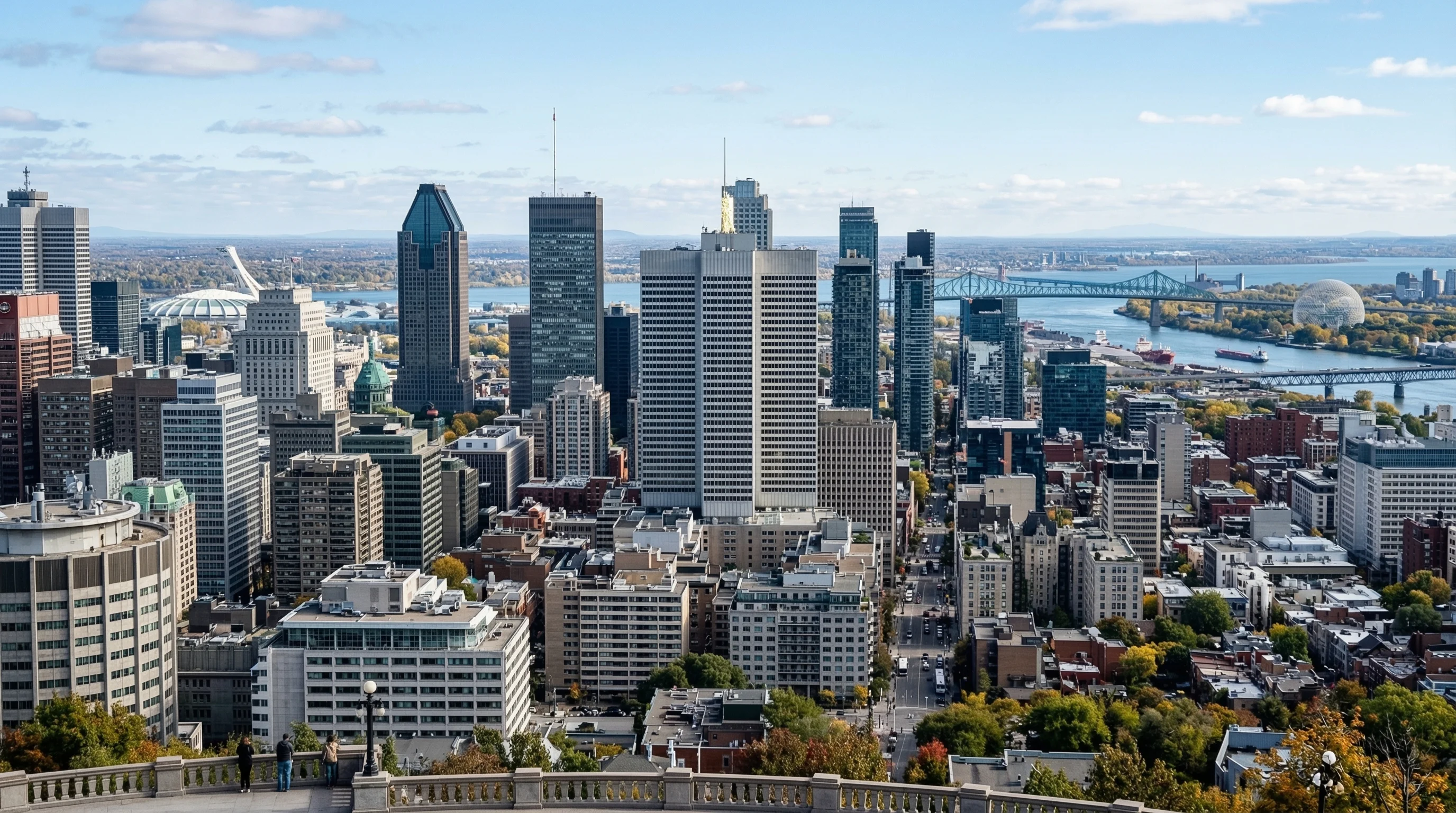 Destination
Montreal represents Canada's second-largest metropolitan area and serves as a crucial logistics and distribution center. The Port of Montreal, strategically located on the St. Lawrence River, connects ocean-going vessels to the North American rail network, making it a continental hub for international trade. Montreal's extensive transportation infrastructure includes major highways (Highway 20, Highway 40), rail yards, and its status as Canada's largest inland port creates exceptional connectivity. The city's diverse economy spans aerospace, pharmaceuticals, technology, and manufacturing sectors, generating substantial freight movement both domestically and internationally. Montreal's location provides efficient access to US Northeastern markets and serves as a gateway to Atlantic Canada.










