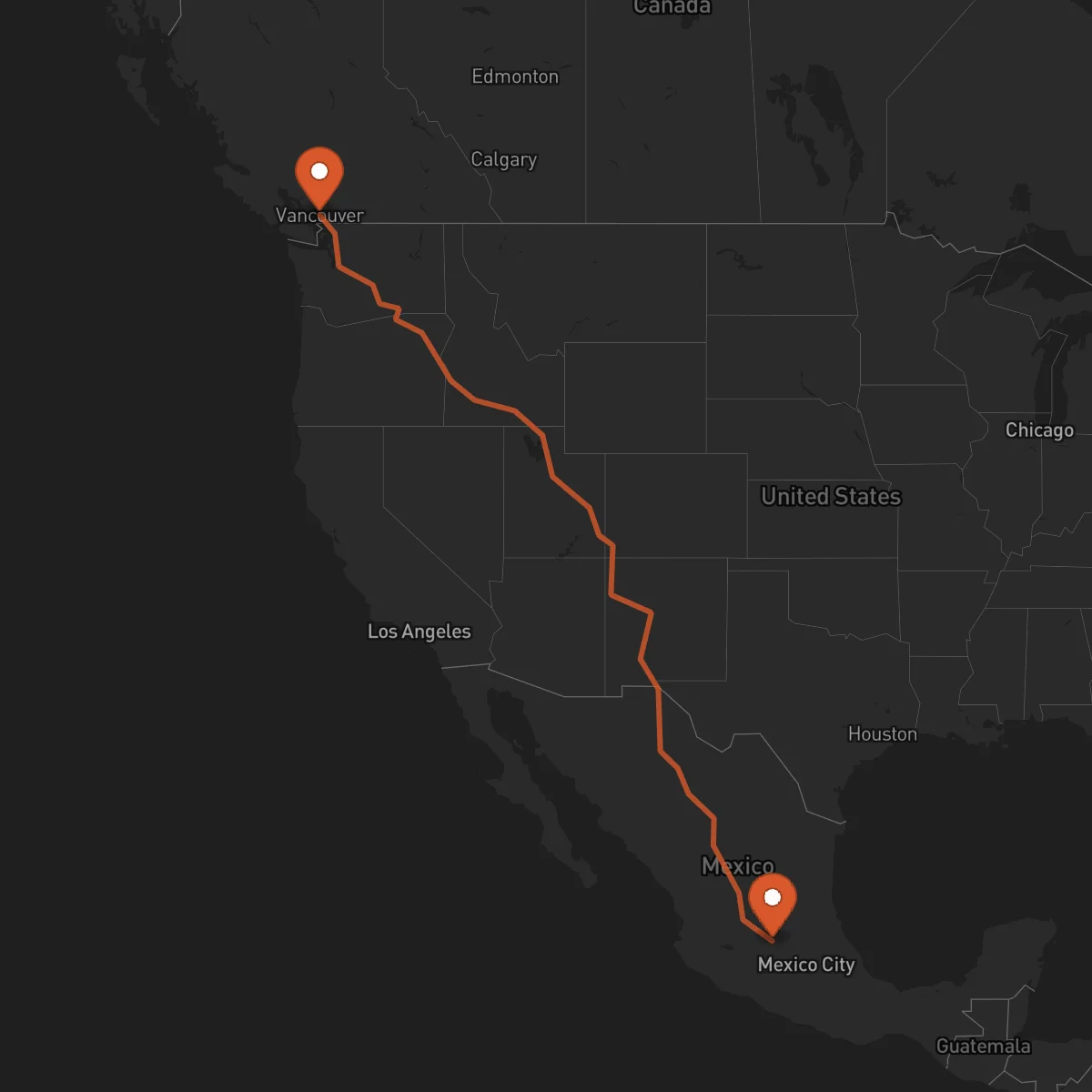
Vancouver to Celaya
Celaya → VancouverFTL freight transportation service between Vancouver and Celaya. Reliable logistics solutions for your business.
Route Description
Everything you need to know about the corridor Vancouver - Celaya
The Vancouver-Celaya corridor represents a vital cross-border logistics connection between Canada and Mexico, spanning approximately 3,759 kilometers through diverse terrains and economic regions. This route connects the Pacific Northwest's major port city with Mexico's thriving industrial heartland in Guanajuato, facilitating the movement of goods between two major North American manufacturing and distribution hubs.
The corridor traverses key economic regions, passing through major transportation nodes in both countries. In Canada, the route follows the Trans-Canada Highway system before connecting to U.S. Interstate networks through Washington State. The journey continues south through the western United States, crossing at strategic border points before entering Mexico's efficient highway system that leads directly to Celaya in the Bajío region.
This logistics corridor serves numerous industries including automotive, aerospace, electronics, and agricultural products. The Vancouver region specializes in technology exports, forest products, and agricultural goods, while Celaya and the surrounding Bajío area are renowned for automotive manufacturing, metalworking, and advanced industrial production. The route accommodates various freight types including specialized cargo, refrigerated goods, and oversized equipment.
Control Terrestre provides comprehensive FTL transportation services along this corridor, leveraging our C-TPAT-certified network and experienced carriers to ensure seamless cross-border operations. Our team manages all customs documentation, coordinates with border authorities, and provides real-time tracking throughout the journey. We offer dedicated equipment options including dry vans, refrigerated units, and specialized trailers to meet diverse cargo requirements, ensuring your freight moves efficiently from origin to destination.
Services for this Route
Available services for the corridor Vancouver - Celaya
 Origin
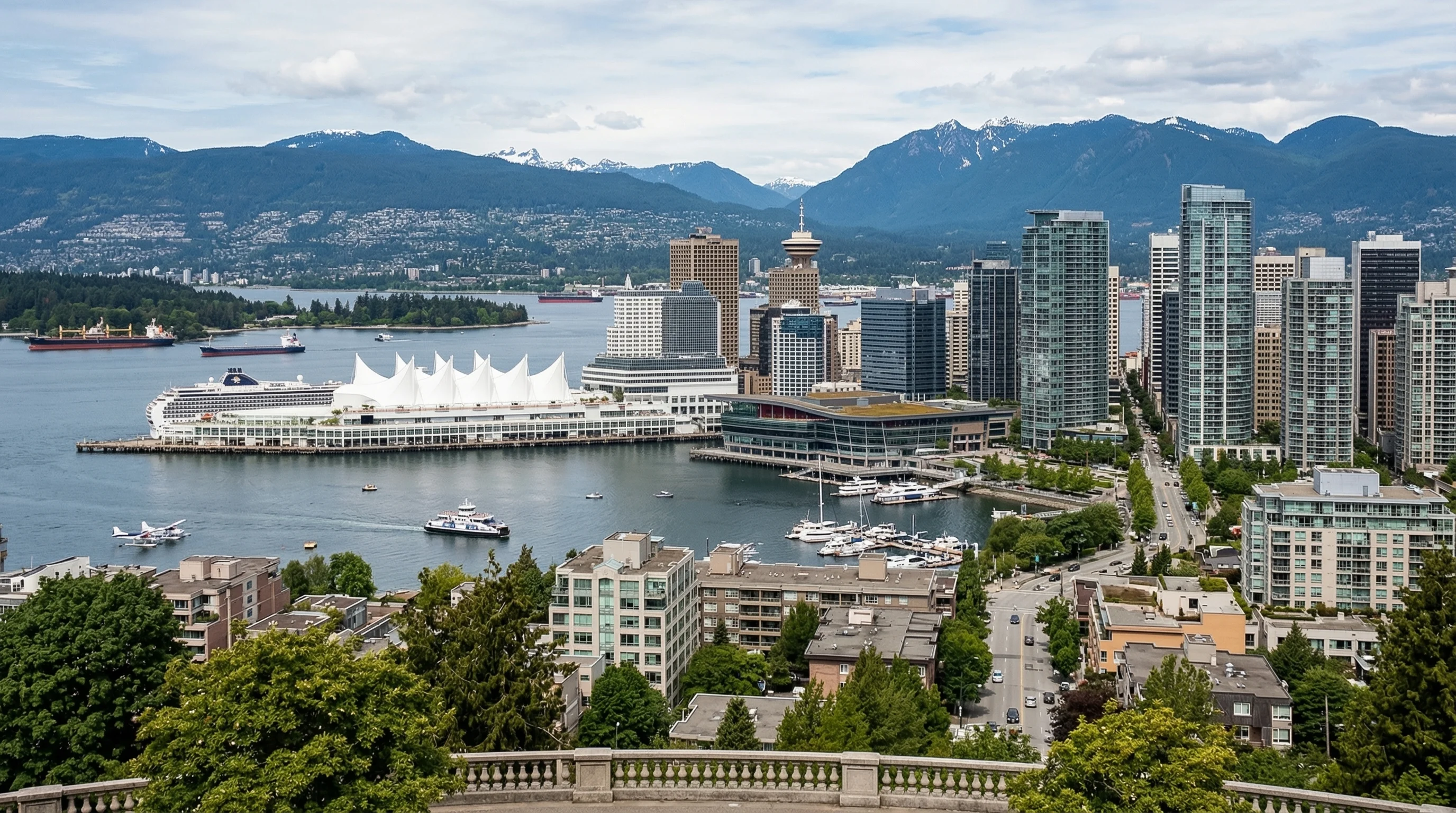
Vancouver
Vancouver stands as Canada's primary Pacific gateway and a crucial logistics hub for international trade. Located on the west coast, this strategic port city offers direct access to Asian markets and serves as a major entry point for goods entering North America. The region's advanced transportation infrastructure includes the Port of Vancouver, extensive rail connections through CN and CP rail lines, and major highways including the Trans-Canada Highway and Highway 1.
The Vancouver metropolitan area is a center for technology, film production, forestry, and natural resource industries. Its proximity to the U.S. border and connections to Seattle and other Pacific Northwest cities create a dynamic logistics ecosystem. The region's international airport provides additional air freight capabilities, making Vancouver an ideal origin point for time-sensitive and high-value cargo shipments to Mexico and beyond.
 Destination
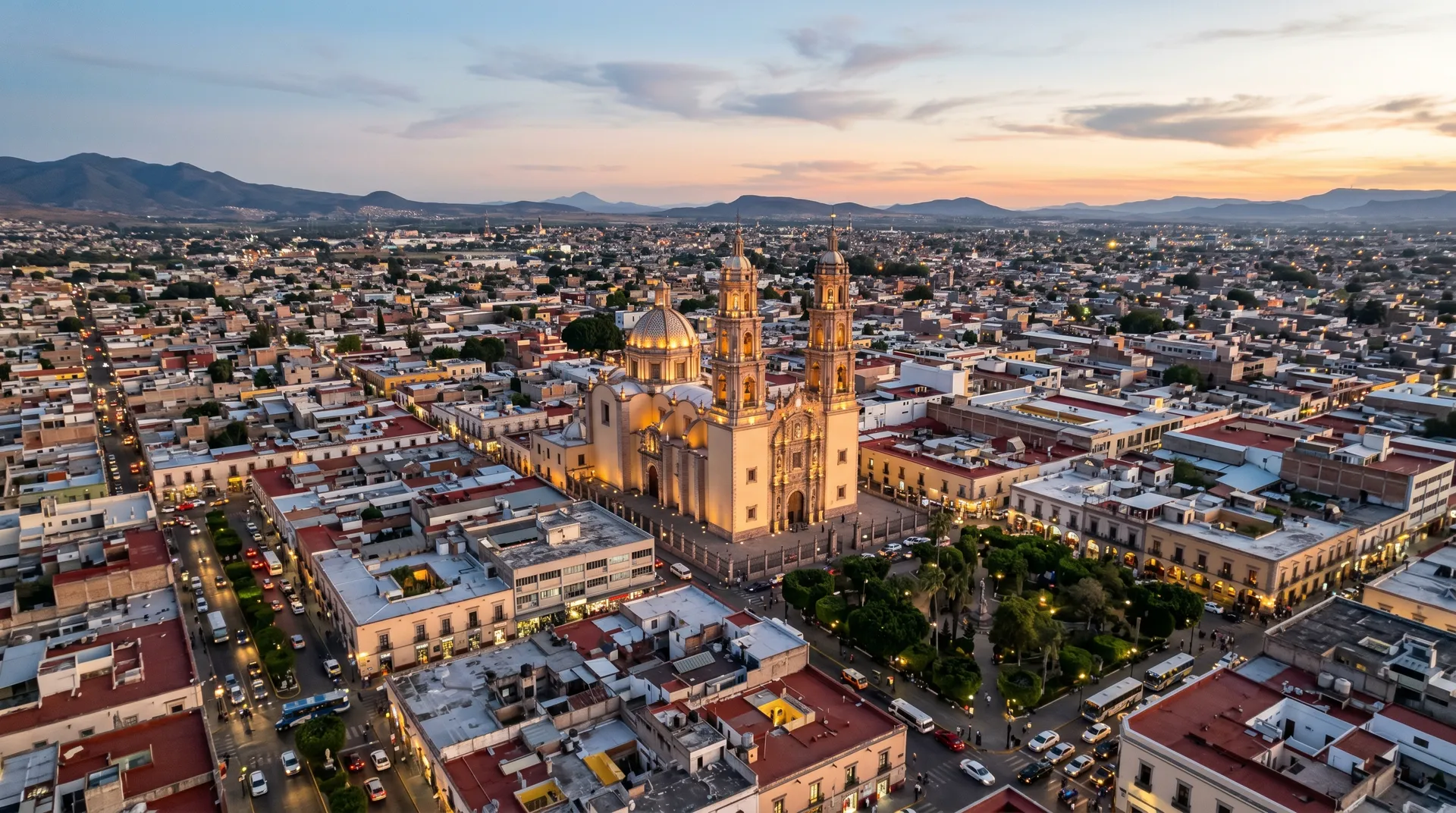
Celaya
Celaya represents a key industrial center in Mexico's Bajío region, strategically located in Guanajuato state with excellent connectivity to major manufacturing zones. The city benefits from its position within Mexico's thriving automotive corridor, with numerous manufacturing plants and suppliers in the surrounding area. Celaya's industrial parks are home to automotive suppliers, electronics manufacturers, and food processing companies, creating substantial freight movement requirements.
The region's transportation infrastructure includes direct access to Mexico's Federal Highway 45, connecting to major cities like Querétaro, León, and Mexico City. The Bajío International Airport in nearby Silao provides additional air cargo options. Celaya's growing industrial base and proximity to major automotive manufacturing centers in the region make it an increasingly important destination for cross-border freight, particularly for just-in-time manufacturing supply chains and industrial equipment.










